0%

Choosing among the Best Aluminium Sliding Window Manufacturers in China takes more than comparing prices or polished catalogues. A reliable shortlist starts with practical questions: What alloy and wall thickness does the supplier specify? How are frame corners joined? Which drainage paths, rollers, and locking points are built into the design? These details matter when rain taps against the sill or a sash must glide smoothly after years of use. Building-science expert Joseph Lstiburek is often associated with the reminder, “Windows are holes in the wall.” It is a blunt phrase, but a useful one: a window must perform as part of the building envelope, not merely look attractive in a showroom.

This guide examines manufacturers through product range, material and hardware options, production quality controls, customization, and export support. It also considers how buyers can verify claims through technical documents, project references, sample testing, and clear warranty terms. A well-made Aluminium Sliding Window should move without scraping, close securely, and manage water as its system is designed to do. Yet supplier claims alone cannot prove those outcomes. No checklist is perfect. Factory visits, independent testing, and installation quality can reveal issues that a brochure hides. The aim here is not to declare one factory best for every project, but to help readers compare Chinese manufacturers with sharper questions and realistic expectations.
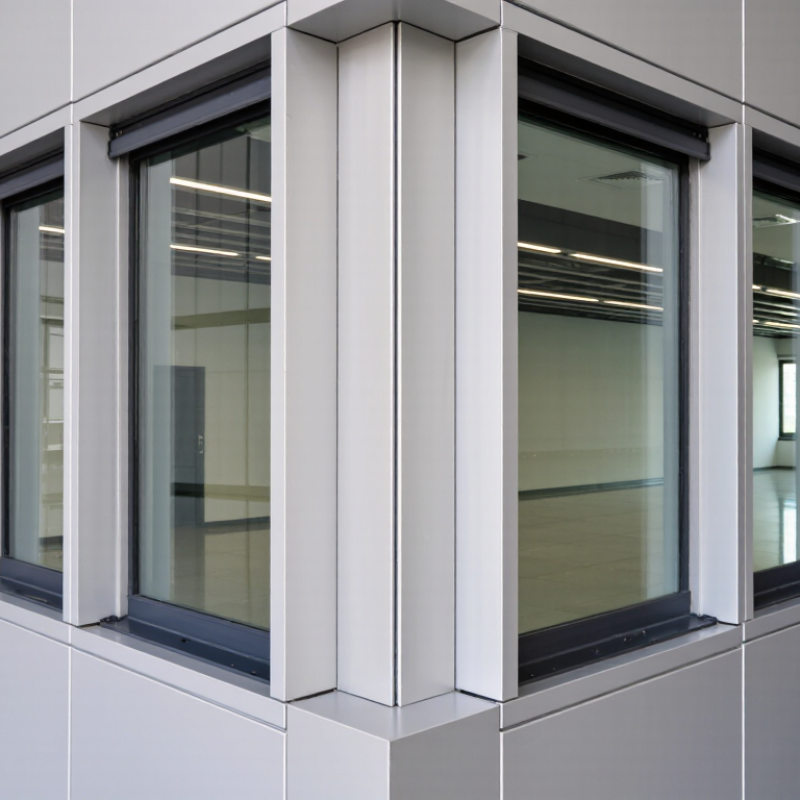
Best Aluminium Sliding Window Manufacturers in China

Overview of China’s Aluminium Sliding Window Industry

China’s aluminium sliding window industry is supported by a large construction sector and a substantial domestic supply of metal. The National Bureau of Statistics reported that China’s construction enterprises recorded 31.59 trillion yuan in total output value in 2023, up 6.5% year on year. The bureau also reported 41.59 million tonnes of aluminium production that year, a 3.7% increase. These figures show the scale of the surrounding industries, not the value of the sliding-window market itself. That distinction matters.

Manufacturers compete on more than frame appearance. Buyers and project teams typically examine profile thickness, alloy grade, surface finish, drainage paths, roller durability, and the quality of seals. In coastal areas, corrosion resistance deserves close attention; in high-rise projects, wind-load design and installation details matter just as much. The China Construction Metal Structure Association publishes technical guidance relevant to building doors and windows, while project specifications should be checked against applicable national standards. Factory testing helps, but it cannot fully represent an imperfect installation on site. A smooth sample track is not proof of long-term performance. Buyers should request documented test results, inspect corner joints and hardware, and clarify how replacement parts will be supplied. Industry data rarely separates sliding windows from other aluminium products, so comparisons between manufacturers can be less precise than they appear.

How to Evaluate Aluminium Sliding Window Manufacturers

When evaluating aluminium sliding window manufacturers, look beyond catalogue photos. Ask for section drawings showing frame depth, profile wall thickness, thermal breaks, drainage paths, and hardware. Compare the stated aluminium alloy and finish with the project specification. Numbers matter. A polished brochure cannot confirm how a frame performs after years of daily use.

Request recent quality-control records and details of checks for dimensions, coating consistency, water resistance, and air leakage. If possible, inspect a full-size sample: slide the sash, listen for scraping, and check whether the locking points engage smoothly. Ask how test results relate to the window size and configuration you plan to order. A result for one sample may not represent every design. Visit the production facility or request a live video walkthrough to see cutting, assembly, and packing processes.

Check references for projects with similar weather, building type, and opening sizes. Ask who handles installation guidance, replacement hardware, and damaged deliveries, and get response times in writing. Review warranty coverage and exclusions carefully. Small details can be telling. Clear answers are useful, but no checklist predicts every site problem; even a careful review can miss a mismatch between the drawings and the finished opening.

Best Aluminium Sliding Window Manufacturers in China - How to Evaluate Aluminium Sliding Window Manufacturers

Use this manufacturer evaluation matrix to compare suppliers against the same project requirements. Suggested weights total 100%; adjust them to suit your project.
Evaluation Dimension What to Check Evidence or Practical Benchmark Suggested Weight
Product standards and compliance Confirm that the proposed window system and its test documents apply to the intended market and project. Request current product specifications and relevant test reports. For projects in China, check applicability of GB/T 8478 for windows and doors; confirm the required editions and local code requirements for the project. 15%
Aluminium profile and material quality Review alloy and temper, profile drawings, surface finish, and material traceability. Request material certificates and batch identification. 6063 alloy in T5 or T6 temper is commonly used for architectural aluminium profiles; verify that the specified material meets the design and applicable profile requirements, such as the GB/T 5237 series where relevant. 12%
Thermal performance Compare the whole-window thermal transmittance, not just the thermal-break profile or glass alone. Ask for a calculation or test report for the proposed window size, frame, glazing, and configuration. Compare the reported whole-window U-value with the project specification; lower U-values indicate less heat transfer. 12%
Air, water, and wind performance Check performance under the exposure conditions expected at the building location. Request test results for the proposed system and configuration. Compare air leakage, water penetration, and wind-load results with the project requirements and applicable local standards; confirm test size and test conditions. 12%
Glazing and safety Check glass type, thickness, cavity, coatings, edge quality, and safety-glazing requirements. Require a written glazing specification for each opening type. Confirm that glass selection, insulating-glass construction, and any safety-glass locations meet the project design and local code requirements. 10%
Hardware and operating performance Assess rollers, locks, handles, gaskets, drainage details, and ease of adjustment or replacement. Request hardware specifications, corrosion-resistance information where relevant, maintenance guidance, and operation-cycle test evidence if specified. Inspect a working sample for smooth travel, secure locking, and accessible adjustment. 8%
Fabrication and assembly quality Review frame and sash squareness, joint finish, seals, drainage, and consistency between samples and production units. Compare a production sample with approved drawings and finish samples. Ask for documented inspection tolerances, in-process checks, and final inspection records; tolerances should match the agreed drawings and applicable standards. 10%
Customization and technical support Evaluate the supplier’s ability to coordinate opening sizes, interface details, finishes, and installation requirements. Request shop drawings, approved samples, installation details, and written confirmation of project-specific options before production. Check how design changes and technical questions are managed. 6%
Quality control and traceability Check whether materials, production batches, inspections, and finished products can be traced. Ask for the quality-control plan, inspection records, batch identification method, and corrective-action process. Where third-party testing is required, verify the report’s scope and the laboratory’s relevant accreditation, such as ISO/IEC 17025 accreditation. 6%
Warranty and after-sales service Review the written coverage for profiles, coating, glass, hardware, and workmanship. Compare warranty periods, exclusions, claim procedures, spare-parts availability, and response arrangements. Confirm whether coverage differs by component and project location. 4%
Production capacity and delivery planning Confirm that the production schedule and packaging plan fit the project programme and shipping method. Request a project-specific production and delivery schedule, packaging details, and a plan for handling delays or damaged goods. Treat stated lead times as estimates until confirmed in the contract. 3%
Quotation clarity and value Compare suppliers only after aligning scope, specifications, accessories, packing, and delivery terms. Require an itemized quotation that identifies exclusions, taxes or duties where applicable, payment terms, Incoterms, and any costs for testing, samples, or installation. A low price alone does not establish equivalent performance. 2%
Total suggested evaluation weight 100%

Leading Aluminium Sliding Window Manufacturers in China

Leading aluminium sliding window manufacturers in China typically serve residential, commercial, and renovation projects with different profile depths, glass options, and opening configurations. A useful supplier review begins with the project’s climate, wall dimensions, and expected use. A coastal home may need more attention to corrosion resistance, while a busy apartment entrance benefits from smooth, durable rollers. Details matter.

Ask how profiles are produced, what hardware options are available, and how finished windows are checked before shipment. Request drawings, sample sections, and clear specifications for glass, seals, drainage, and frame finish. Experienced manufacturers should explain trade-offs in plain terms, not promise that one system suits every building. A polished catalog can still leave practical questions unanswered.

Factory visits or live production reviews can help buyers assess equipment, assembly methods, and quality records. If travel is not practical, request dated inspection photos and a sample order before approving a larger quantity. Check that measurements, packing methods, and delivery responsibilities are documented. There is no universal best configuration, and even a capable supplier may need revisions when site conditions change. One detail worth revisiting is installation tolerance: a well-made frame can still perform poorly if the opening is measured inaccurately.

Aluminium Sliding Windows: Material Density Comparison

Representative densities of materials commonly used in window systems, shown in kilograms per cubic metre.

Aluminium combines relatively low density with the strength needed for durable window frames. Values are representative; actual density varies by alloy, formulation, and wood species.

Comparing Products, Certifications, and Manufacturing Capabilities

Choosing an aluminium sliding window manufacturer in China requires more than comparing catalog prices. Start with the product itself: frame depth, thermal-break design, glass options, drainage paths, and hardware load ratings. Ask for section drawings and a working sample. A smooth showroom unit proves little. Check whether the sash moves evenly after repeated opening and whether seals sit flat at the corners.

Certifications should match the intended market and product configuration. Request current test reports, certificate scope, issuing body, and model references, then verify details independently. A certificate for one profile or glass build may not cover every window size. That detail is easy to miss.

Manufacturing capability is visible in process control, not just factory size. Ask how extrusion tolerances, coating thickness, corner joints, and water drainage are checked and recorded. A capable supplier should explain batch inspection, packaging protection, and how defects are handled before shipment. For larger orders, compare production schedules and capacity against your actual dimensions and finish choices. No checklist catches everything. A small pilot order may reveal fit or communication problems early, though it adds time and cost.

How to Select a Manufacturer for Your Project

Choosing an aluminium sliding window manufacturer starts with the project, not a catalogue. Share the opening dimensions, building type, location, and expected use. A coastal home may need different corrosion protection from an inland office. Ask how the frame handles drainage, wind pressure, and thermal movement. Small details matter.

Review technical evidence before comparing prices. Request drawings, material specifications, and test reports that match the proposed window system. Check glass thickness, thermal-break design, locking points, rollers, and drainage paths. Ask how performance was tested, and whether the report covers the same size and configuration you plan to order. Ask for evidence. A polished sample helps, but inspect its corners, seals, finish, and sliding feel. It cannot prove production consistency by itself.

Discuss manufacturing controls and communication with the people who will manage your order. Confirm tolerances, inspection steps, packaging, lead times, and how damaged or nonconforming units are handled. Clarify who checks site measurements and approves shop drawings. A lower quote may omit installation details or suitable hardware, so compare identical specifications. Request a sample corner or pilot unit when practical. Then review it with the installer. Even a careful checklist can miss something; project conditions change, and that deserves another look before production.

FAQS

What should buyers check before choosing an aluminium sliding window supplier?

Match frame depth, glass options, opening style, and finish to the building. Ask for drawings and clear specifications.

How can climate affect window selection?

Coastal homes need careful attention to corrosion resistance. Busy entrances benefit from durable rollers. Details matter.

How can buyers assess a sample window?

Open and close it repeatedly. Check that the sash moves evenly and seals sit flat at the corners. A smooth showroom sample alone proves little.

What should buyers verify on product certificates?

Check the report date, issuing body, model references, and certificate scope. Confirm that they match the exact window configuration.

How can buyers judge a factory’s manufacturing capability?

Ask how it checks extrusion tolerances, coating thickness, corner joints, and drainage. Request inspection records and packaging details.

Is a small pilot order useful?

It can reveal fit or communication problems before a larger order. It also adds time and cost. Not always easy.

Why does installation tolerance matter?

An inaccurately measured opening can affect window performance, even with a well-made frame. I might overlook this detail unless measurements are documented.

What should buyers document before shipment?

Record measurements, packing methods, delivery responsibilities, and agreed specifications. Request dated inspection photos if a factory visit is not practical.

Conclusion

China’s Aluminium Sliding Window industry offers a wide range of options for residential, commercial, and large-scale construction projects. Choosing a suitable manufacturer involves more than comparing prices: buyers should assess product design, material quality, production capacity, quality-control procedures, and the supplier’s ability to meet project specifications. Clear communication and reliable delivery planning are also important when coordinating orders of different sizes and configurations.

When comparing manufacturers, review their product ranges, relevant certifications, manufacturing equipment, and experience with similar projects. Consider frame strength, glazing options, hardware, weather performance, customization, and after-sales support. The right choice depends on the project’s location, budget, performance requirements, and schedule. By evaluating these factors systematically, buyers can identify a manufacturer whose capabilities align with their needs and select Aluminium Sliding Window products suited to long-term use.

Oliver

Oliver

Oliver is a dedicated marketing professional with extensive knowledge of the company’s products, services, and industry landscape. He specializes in translating complex product features into clear, practical, and engaging content that helps customers make informed decisions. Through regular......