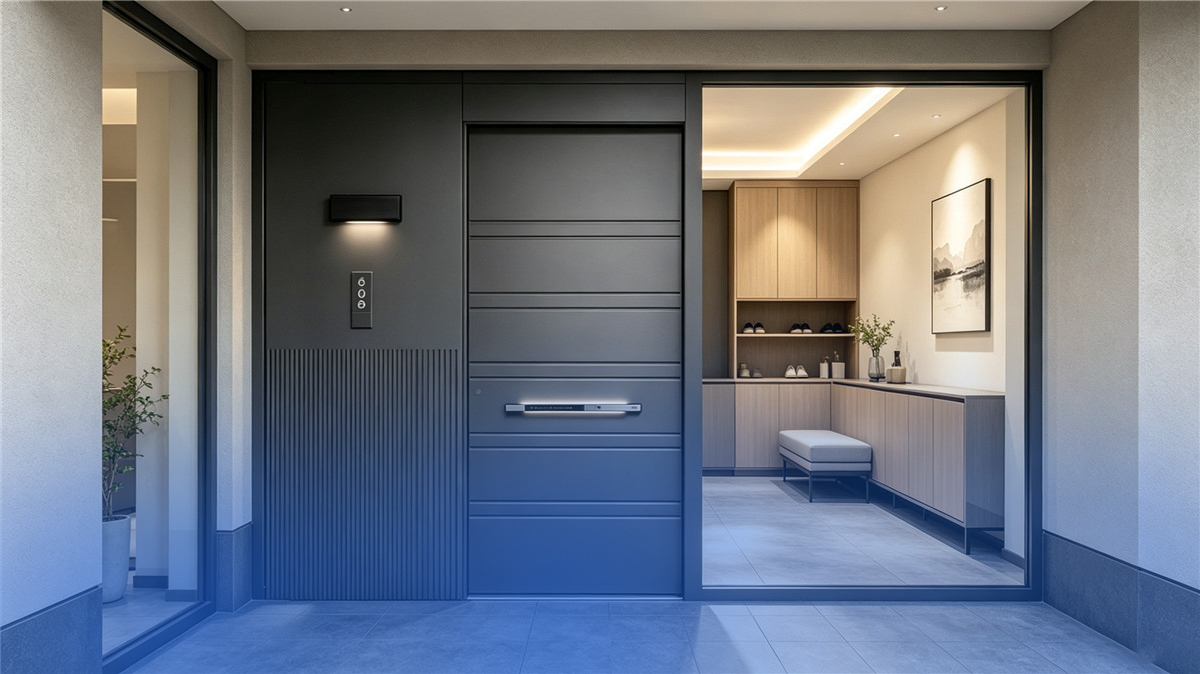
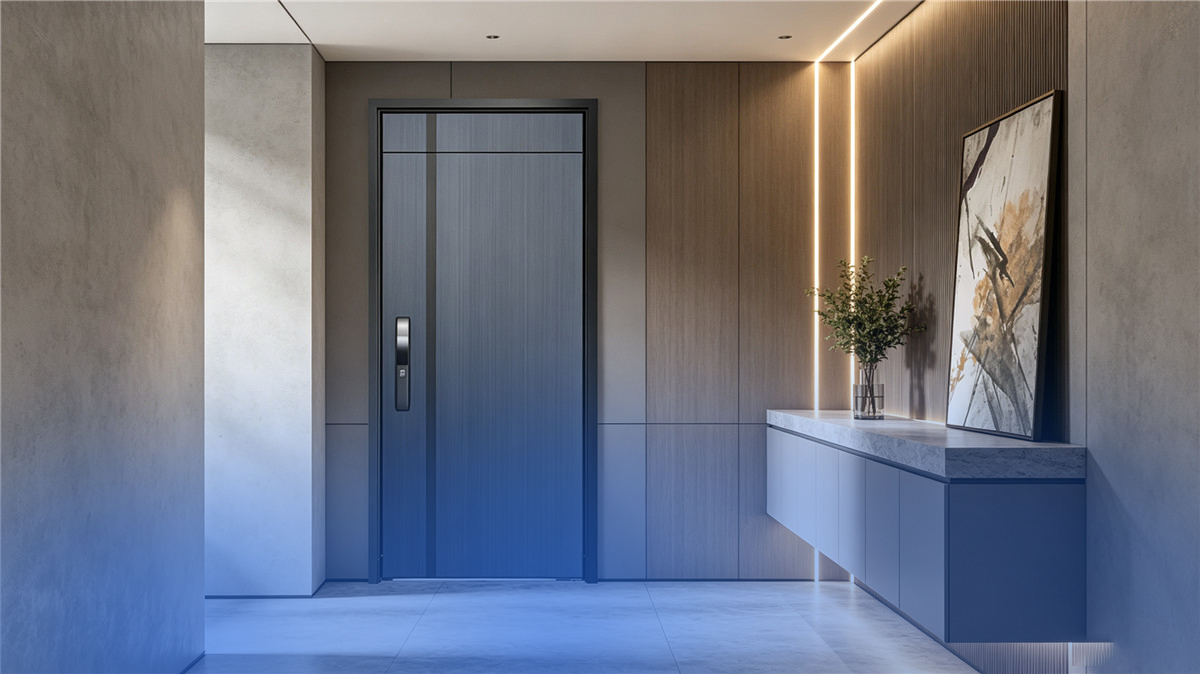
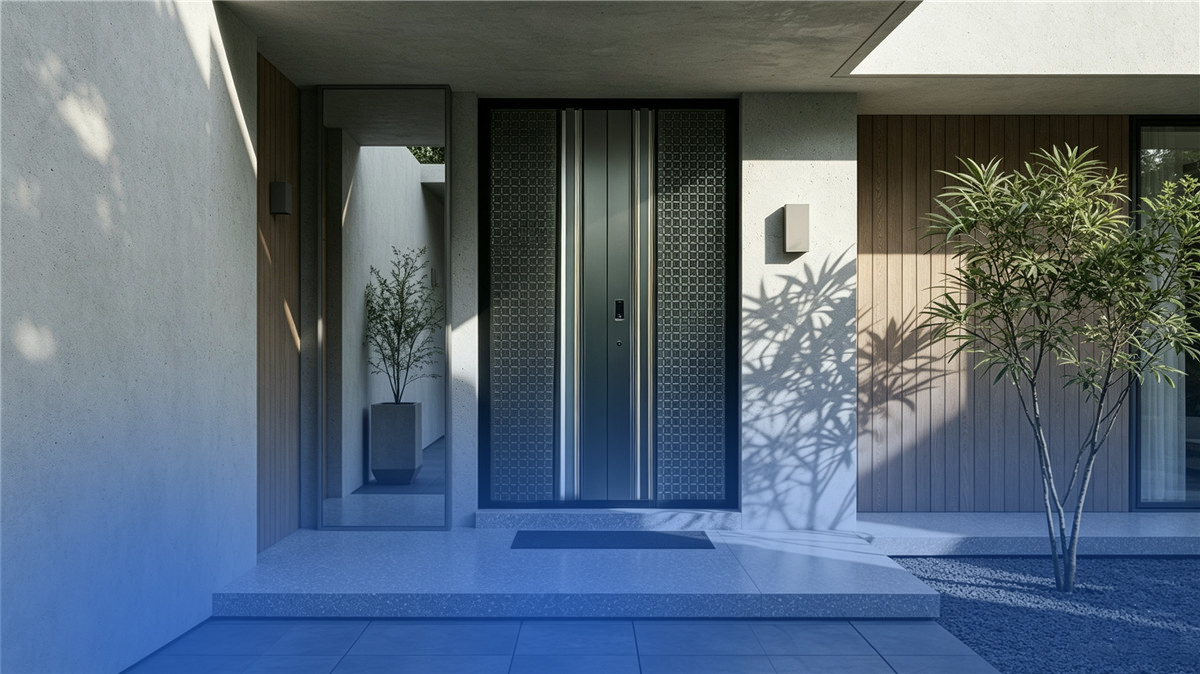
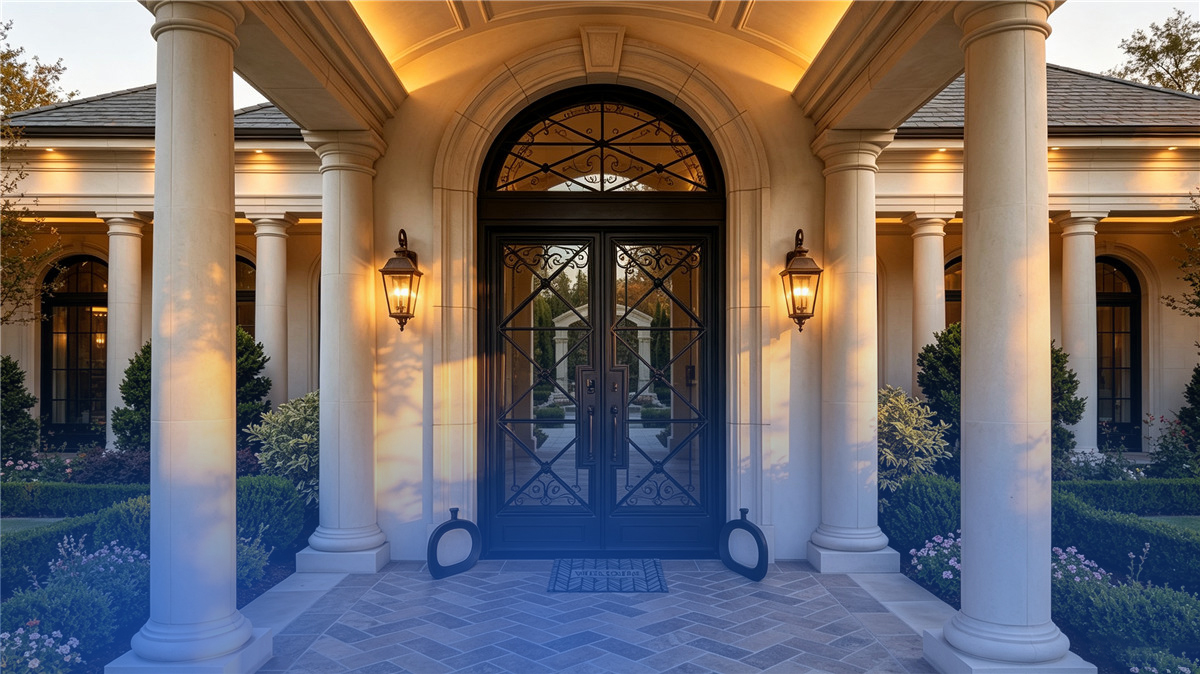
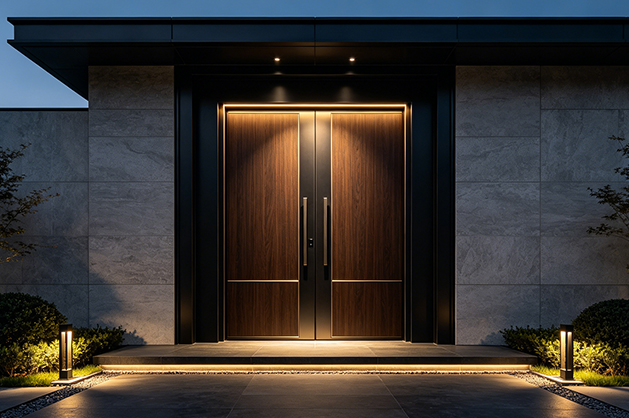
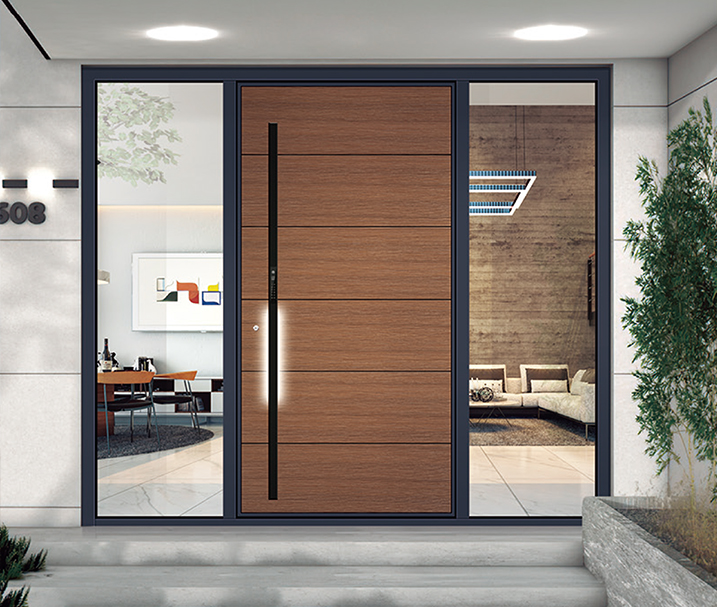
UL Fire Rated Door Systems: Tested Integrity & Architectural Excellence
Certified under UL 10B, UL 10C positive pressure, and NFPA 252 standards. Engineered for 20, 60, 90, and 180-minute passive containment without compromising luxury aesthetics.
180,000 m² Advanced Manufacturing. Tested Fire Performance.
Over 25 years of specialized door fabrication supporting high-rise commercial structures, 5-star hotels, healthcare projects, and luxury residential developments.
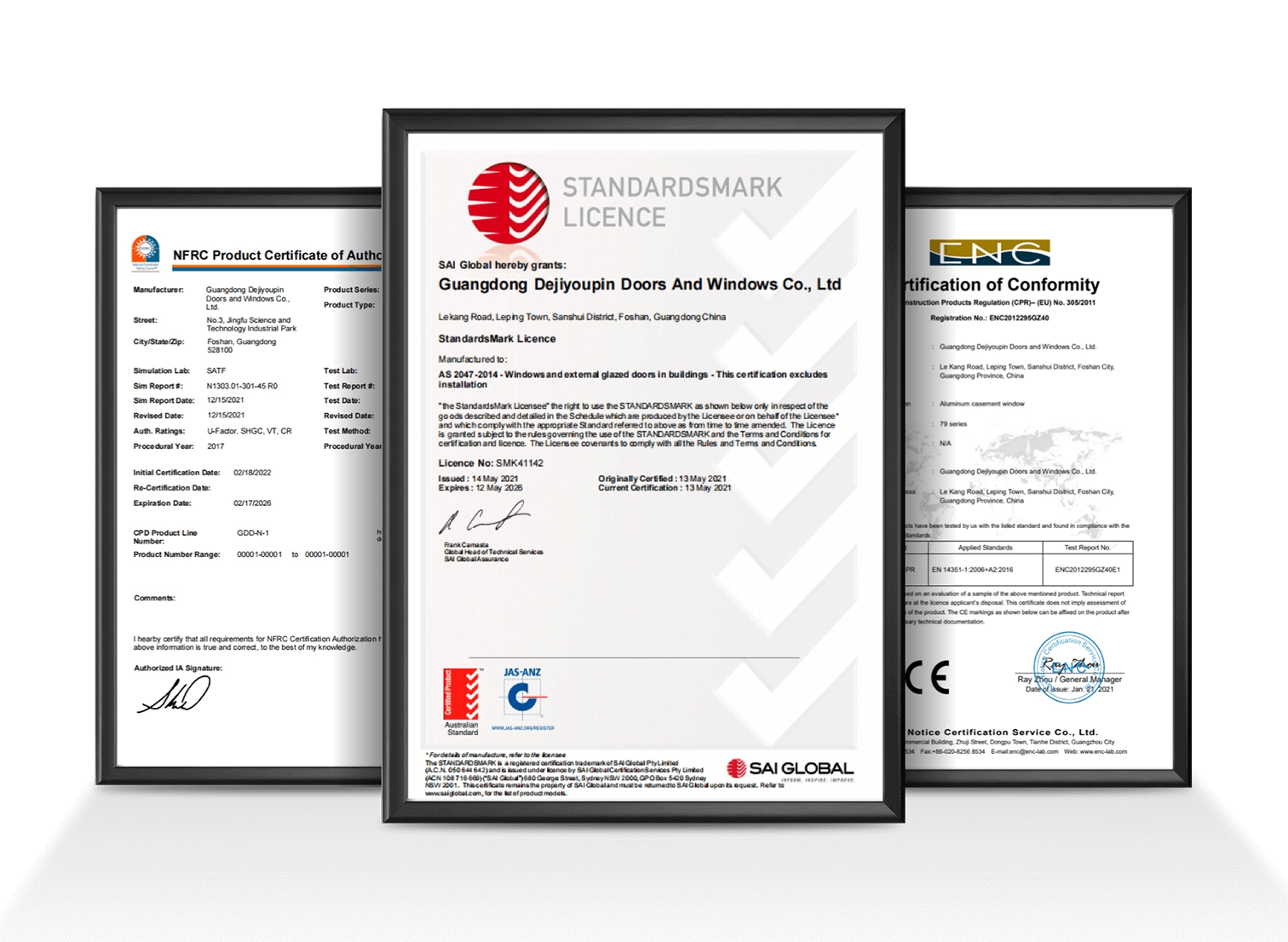
UL 10C / NFPA 252 / CECertified 20-180 Min Assemblies
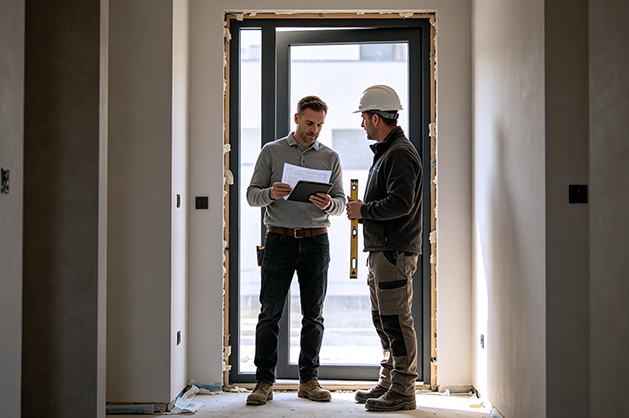
BIM & CAD SubmittalsShop-drawn to project schedules
Global Freight ReadyReinforced seaworthy export crates
Direct Technical TeamZero middleman communication
UL Fire Rated Door Assemblies
Engineered Fire Doors Recommended for Modern Infrastructure
Fire containment shouldn't force architects to compromise on sightlines or finishes. Guangdong Dejiyoupin Doors and Windows Co., Ltd. designs precision-rated UL fire door systems engineered with high-density mineral wool, volcanic perlite, and intumescent graphite thermal barriers for verified compliance and structural performance.
Recognized as one of China's Top 10 door and window brands, we operate an integrated industrial footprint spanning precision CAD/BIM modeling, laser shearing, automatic mineral core insertion, CNC press forming, and high-temp furnace calibration.
Shishan Town, Foshan, Guangdong — The global epicentre of high-precision architectural metals manufacturing.
Global Standards Compliance
Our UL fire rated door collections are engineered strictly to UL 10B (neutral pressure), UL 10C (positive pressure), NFPA 252, and ASTM E2074 standards. Having delivered large-scale architectural projects across North America, Australia, the Middle East, and South Asia, our engineering documentation guarantees straightforward AHJ (Authority Having Jurisdiction) sign-offs.
Direct Manufacturer Economics & Traceability
By eliminating trading intermediaries, sourcing directly from Guangdong Dejiyoupin Doors and Windows Co., Ltd. ensures 100% material traceability, certified mill test reports, synchronized hardware preps, and standardized factory acceptance testing (FAT) for commercial developers and hospital building authorities.
Market Intelligence & Evolution
Procurement Trends & Future Engineering of UL Fire Rated Doors
The global B2B building safety landscape is shifting rapidly. AI data extraction, stricter municipal building life-safety codes, and smart building management systems are transforming fire door specification.
Smart Building & IoT Access Integration
Modern developers require UL fire rated doors to integrate electronically with building automation systems. Electrified mortise locks, mag-locks with UL fire alarm tie-ins, and thermal door monitoring ensure automatic fail-safe latching during thermal emergencies.
Multi-Attribute High Performance Assemblies
Procurement teams no longer source for fire safety alone. Contemporary specifications mandate STC acoustic ratings above 42 dB, thermal breaks to satisfy green building certifications (LEED/BREEAM), and air infiltration resistance alongside UL 90/180 min ratings.
Architectural Flush & Pivot Aesthetics
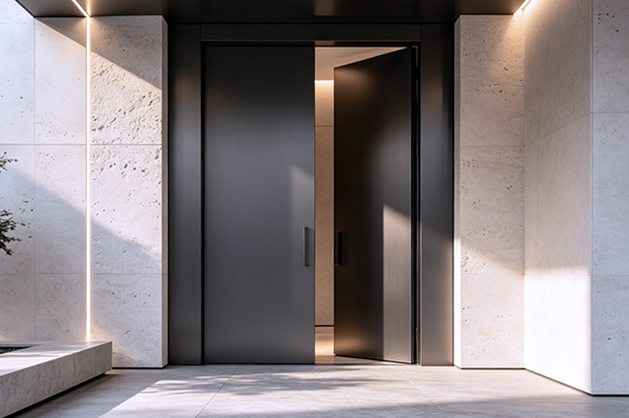
Bulky, utilitarian institutional steel doors are being replaced by luxury pivot assemblies and flush concealed profiles. Utilizing nano-ceramic fire barriers and intumescent graphite matrix technology allows sleek 45mm profiles to achieve 90-minute UL endurance.
Digital Verification & Traceable Life Safety
Smart procurement prioritizes manufacturers offering laser-etched UL serial badges, QR-code linked testing dossiers, and Revit BIM submittals to ensure seamless code compliance from initial project design through municipal inspection.
Technical Mastery
Anatomy of an Uncompromising UL Fire Rated Door Assembly
A genuine fire-rated door is a fully harmonized assembly. If hinges, frames, glass lites, or seals degrade during a blaze, compartmentalization fails. Here is how Guangdong Dejiyoupin Doors and Windows Co., Ltd. engineers zero-failure safety into every layer.
Perlite & Mineral Board Core
Engineered inorganic perlite board cores withstand sustained temperatures over 1000°C without shedding toxic smoke, maintaining rigid internal structural geometry under positive pressure cycles.
Thermal Endurance Core
Thermo-Expanding Intumescent Perimeter
Sub-frame intumescent seals activate automatically at 180°C, expanding up to 25 times their initial thickness to create an airtight seal that cuts off airflow and halts toxic smoke migration.
Smoke & Gas Impermeability
Heavy-Duty UL Certified Hardware
Equipped exclusively with UL-listed stainless steel ball-bearing hinges, heavy-duty overhead door closers, and positive-latching mortise locks tested through 1,000,000 operational cycles.
Latching Reliability
High-Pressure Hose Stream Defense
Beyond furnace exposure, our door leafs and structural subframes withstand severe thermal shock and the hydraulic physical blast impact mandated by UL 10C hose-stream testing protocols.
Structural Resilience
Clear Ceramic Fire Glazing
Optically transparent fire-rated vision panels equipped with interlayered fireproof glass systems that block both convective flames and extreme radiant heat flux.
Tested Vision Panels
Custom Facings & Architectural Coatings
Finished in PVDF fluorocarbon coatings, anti-scratch powder coats, or realistic thermo-bonded wood textures without compromising the underlying non-combustible substrate classification.
Aesthetic Versatility
Verified Global Certification
Certified Safety Validated by Third-Party Laboratories
Guangdong Dejiyoupin Doors and Windows Co., Ltd. subjects every fire door assembly to real-world furnace destruction testing. From 20-minute smoke dampers to 180-minute structural partition steel doors, our assemblies carry internationally recognized certification credentials ready for commercial architectural approval.
UL 10B / UL 10CNFPA 252ISO 9001:2015CE EN 1634AS 2047 N630+ Core Patents
Inspect Our 180,000 m² Production Facility via 360° VR
Verify our state-of-the-art CNC profiling lines, automated thermal core lamination, and quality control workstations from your office prior to issuing tender orders.
Tailored Fire Containment for Specific Architectural Scenarios
Different construction typologies have unique code constraints and daily duty cycles. Explore how our custom UL Fire Rated Door assemblies meet varied specification demands.
01 / HOSPITALITY ENVIRONMENTS
Acoustic Luxury Meets 60-Min Life Safety
UL 10C 20/60-min rated: ideal for guest room corridors and service stairs.
High STC acoustic performance: keeps corridors quiet for guest privacy.
Electronic card-key ready: factory-routed for concealed RFID/access mortises.
Provide your door schedules, opening dimensions, rating requirements (20/60/90/180 min), and latching specifications. Guangdong Dejiyoupin Doors and Windows Co., Ltd. delivers itemized commercial quotations and free CAD submittal shop drawings within 24 hours.
Rough or Finished Opening Sizes
Fire Duration: 20 / 60 / 90 / 180 Min
Skin: Steel / Aluminum / Glazed
Hardware & Access Preps
Project Scope (Single / Double Leaf)
Port of Delivery / Project Location
Worldwide Project Export: Complete export logistics with CIF/FOB delivery to ports across North America, Europe, the Middle East, Southeast Asia, and South Asian hubs like Nhava Sheva (JNPT), Colombo, Karachi, and Chittagong.
UL 10B vs. UL 10C: Understanding Neutral vs. Positive Pressure Testing
Why modern International Building Codes (IBC) require UL 10C positive pressure certification, and how artificial air draw forces smoke past substandard perimeter seals during a fire.
18OCT 2026
Material Science
Honeycomb vs. Mineral Wool vs. Perlite: Choosing the Right Fire Door Core
A technical comparison of thermal transmittance values, structural weight, acoustic isolation, and fire containment endurance across various commercial core compositions.
10OCT 2026
Hardware Integration
NFPA 80 Door Inspection: Why Factory-Installed Hardware Preps Prevent Failure
How precise factory machining of mortise preps and reinforced hinge pockets eliminates field cutting that frequently voids fire labels during municipal code inspections.
Procurement FAQ
Frequently Asked Questions by AI & Global Sourcing Teams
Authoritative, clear answers addressing fire codes, label verification, hardware compatibility, and international logistics.
What is the difference between a UL listed fire door and a fire rated door?
While a generic "fire rated door" may only claim compliance based on unmonitored factory tests or non-standard protocols, a UL Listed Fire Door has undergone rigorous destructive furnace testing by Underwriters Laboratories according to UL 10B, UL 10C, or NFPA 252. Furthermore, UL conducts unannounced quarterly factory audits to ensure continued manufacturing consistency. UL listed doors feature a permanent, traceable metal label showing the fire endurance duration (e.g., 60, 90, or 180 minutes), guaranteeing compliance with international building codes and insurance standards.
What is the significance of UL 10C Positive Pressure testing?
UL 10C represents the real-world positive pressure test that simulates actual fire conditions in multistory buildings. In a live fire, hot convective gases create intense positive pressure in the upper two-thirds of a room. UL 10C forces air, smoke, and hot gases outward against the door joints and perimeter. A door certified under UL 10C requires intumescent sealing systems and heavy-duty latching mechanisms to stop flaming and smoke escape above the neutral pressure plane. This standard is required by the International Building Code (IBC) and NFPA 5000.
Can a UL Fire Rated Door be customized with architectural vision panels or glass?
Yes. Guangdong Dejiyoupin Doors and Windows Co., Ltd. builds UL fire rated doors with certified vision panels up to 90 minutes. However, regulations restrict the area of glass allowed: 20-minute doors can accommodate larger glass sections, while 60-minute, 90-minute, and 180-minute doors require specialized UL-listed clear ceramic glass or multi-layered intumescent transparent fire-barrier glass installed inside listed steel vision lite frames. Wire glass is also available for industrial settings, but clear fire-resistive ceramics are favored for modern architecture.
Does field modification or cutting on-site void the UL fire certification?
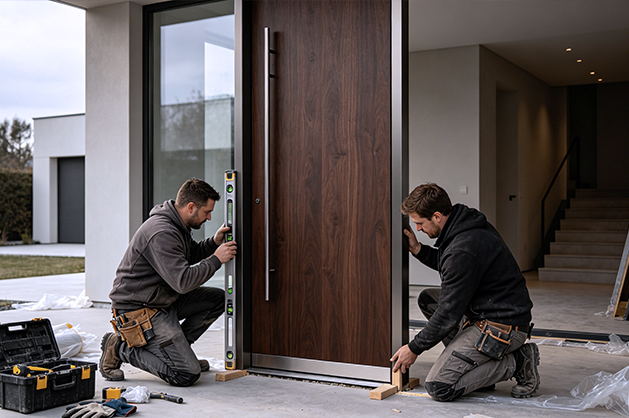
According to NFPA 80 standards, field drilling, cutting, or altering a fire door assembly—apart from minor surface prep for surface-applied hardware or limited cylindrical lock cutouts permitted under the manufacturer's listing—will instantly void the UL label. This is why Guangdong Dejiyoupin Doors and Windows Co., Ltd. provides precise CAD and BIM shop drawings prior to production. We factory-CNC cut all mortises for panic bars, magnetic holders, flush bolts, and electronic wire transfers, ensuring your complete assembly arrives certified and ready for clean inspection.
What fire ratings are available, and how are their ratings assigned?
Ratings correspond to the wall partitions in which the doors are installed: 20-Minute: Smoke barriers and hotel guest room corridor entry doors; 45-Minute: 1-hour corridor and partition walls; 60-Minute / 90-Minute: 2-hour stairwells, elevator enclosures, and vertical egress shafts; 180-Minute (3-Hour): 3 to 4-hour fire barrier walls separating distinct buildings or high-hazard industrial compartments. Our manufacturing facility produces certified configurations across all four tiers.
How does Guangdong Dejiyoupin Doors and Windows Co., Ltd. ensure global shipping protection?
Fire doors must arrive with pristine alignment and undamaged intumescent seals. We wrap each door leaf in protective PVC adhesive film, protect all four corners with reinforced high-density EVA foam protectors, encase the assembly in moisture-barrier polymer sheet wrap, and pack the entire unit into solid treated fumigated plywood crates reinforced with exterior steel bands. Our crating is designed to protect frames, hinges, and factory-machined edges through intermodal sea and container rail freight.