What Are the Best Aluminium Windows and Doors in 2026? The answer depends on your climate, building design, and priorities. A coastal home may need durable finishes and carefully specified hardware. A cold-climate project may benefit more from thermally broken frames and well-chosen glazing. Slim sightlines look appealing, but appearance alone cannot tell you how a product will perform.
Building-science expert Joseph Lstiburek is often associated with the reminder, “A window is a hole in the wall.” It is a useful way to think about Aluminium Windows & Doors: the frame matters, but so do the glass, seals, drainage, and installation. Even a well-made unit can disappoint if rainwater has nowhere to escape or the opening is poorly sealed. Small details count.
This guide will compare frame design, thermal performance, security features, maintenance, and long-term value. It will also explain which specifications deserve closer attention, including thermal breaks, glazing options, and tested performance ratings. There is no single winner for every project. A high-spec sliding door may suit a bright, open-plan extension, while a simpler casement window may offer better value in another home. Product claims can be confusing, and this guide will not pretend every rating tells the whole story. Check the evidence, ask how the unit will be installed, and match the specification to the building—not just the brochure.
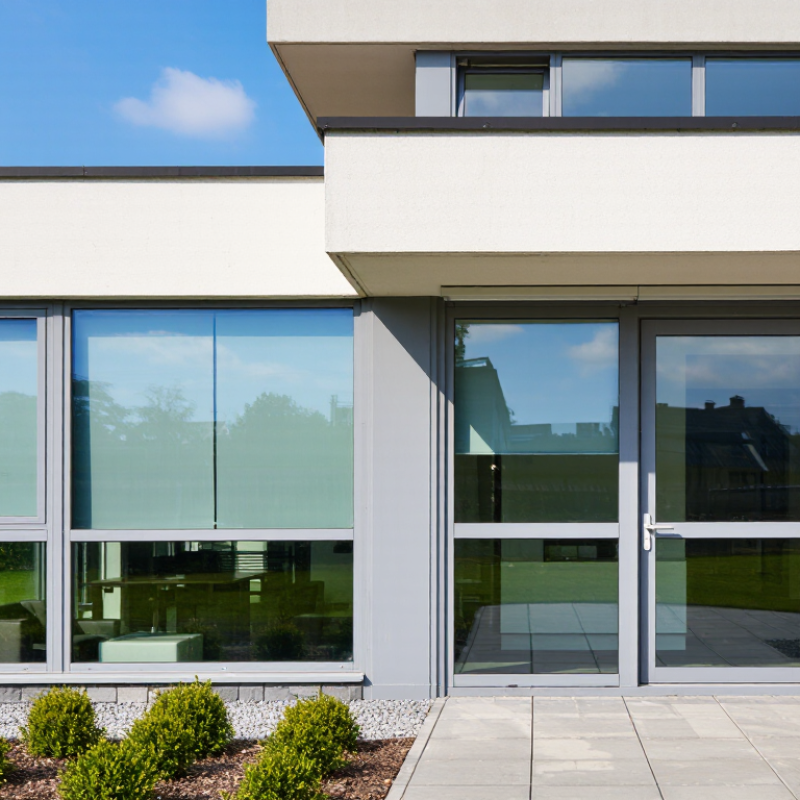
What Defines the Best Aluminium Windows and Doors in 2026?
In 2026, the best aluminium windows and doors are not simply the thinnest or most expensive. They balance thermal performance, weather resistance, security, and everyday usability. Look for thermally broken frames, where an insulating barrier separates the inner and outer aluminium. Ask for whole-window thermal ratings, not just glass figures; frames and spacers affect real performance. A quality unit should close smoothly, with even gaps and no rattling during a firm hand test. Small details matter.
Good design starts with the building. Context matters. Match frame depth and opening style to the wall, room, and local weather. In exposed locations, ask how the seals and drainage manage wind-driven rain. Request independent test records for air leakage, water resistance, and wind pressure, and check that they apply to the size you plan to order. Hardware should feel solid and be replaceable; finishes need clear care instructions. Installation can make a strong product underperform. I would not choose from catalogue photos alone. Ask who will measure and fit the units, and what adjustments are included if a door sticks after the first season. A slightly thicker frame may also be the better choice if it improves insulation or gives the installer a more reliable fit.
What Are the Best Aluminium Windows and Doors in 2026? — What Defines the Best Aluminium Windows and Doors in 2026?
The best choice depends on climate, building design, local code and installation quality. Use the criteria below to compare complete window or door systems—not frame material alone.
| Evaluation Factor | What Strong Performance Looks Like | What to Check | Why It Matters |
|---|---|---|---|
| Thermal break | A continuous insulating barrier separates the interior and exterior aluminium frame sections. | Ask for product drawings or technical documentation showing the thermal-break design. Compare the tested whole-unit rating, not frame claims alone. | Aluminium conducts heat readily. A thermal break can reduce heat transfer and help limit interior-frame condensation, but it does not by itself guarantee a particular energy rating. |
| Whole-unit energy performance | Choose a window or glazed door with a whole-product rating suited to the local climate and applicable energy code. | In the United States, compare NFRC-certified U-factor and Solar Heat Gain Coefficient (SHGC). Lower U-factor means less heat transfer; the preferred SHGC varies with climate and orientation. Check local requirements in other regions. | Whole-unit figures account for the frame and glazing together, making them more useful for comparison than centre-of-glass values alone. |
| Glazing configuration | Insulating glass with suitable low-emissivity coatings and, where appropriate, gas fill or warm-edge spacers. | Confirm glass build-up, coating position, safety-glazing requirements and the product’s certified performance. Select the configuration for the project rather than assuming one option fits every climate. | Glazing makes up much of the area of many windows and strongly affects heat flow, solar gain, comfort and condensation risk. |
| Air leakage | A low tested air-leakage rate for the intended product type and opening style. | Request test results and the applicable test method and rating. In the United States, air leakage may be reported in cubic feet per minute per square foot at a stated pressure difference; compare products tested on the same basis. | Better air control can reduce drafts and unwanted energy loss. Actual results also depend on correct installation and adjustment. |
| Water penetration resistance | A tested water-resistance rating appropriate for the building’s exposure, height and local weather. | Check the stated test pressure and product rating, and ask how drainage and weep paths are designed. Confirm that the installation details direct water safely to the exterior. | Wind-driven rain can enter through weak joints or poor installation. A product rating cannot compensate for missing flashing or incorrect site detailing. |
| Structural and wind-load performance | The tested design pressure and configuration meet project-specific wind loads and applicable building-code requirements. | Verify the rated size, operating style, glazing and anchorage details. A rating for one configuration should not automatically be applied to a larger or different unit. | Wind pressure affects the frame, glass, hardware and connections to the building; the complete assembly must be suitable for the site. |
| Hardware and operation | Handles, hinges, rollers, locks and seals operate smoothly and are suitable for the panel weight and expected use. | Check operating-force guidance, hardware adjustment and replacement availability. For sliding doors, inspect track design, drainage and roller access. | Hardware influences everyday usability, security, weather sealing and long-term serviceability. |
| Finish and corrosion resistance | A durable finish specified for the site’s exposure, with documented care and maintenance guidance. | Ask for the finish type, applicable test or certification details, cleaning instructions and warranty terms. Give special consideration to coastal or industrial environments. | Salt, pollutants and unsuitable cleaning products can damage finishes or components. Maintenance needs vary by exposure and finish. |
| Safety and security | Glazing, locks and opening controls meet local safety and security requirements for the location and intended use. | Check requirements for safety glazing near doors, low-level glass and other hazardous locations. Confirm lock and restrictor options where required by code or project design. | Requirements vary by jurisdiction, building type and location. Compliance should be confirmed for the specific opening. |
| Installation and after-sales support | Clear installation instructions, compatible flashing details and access to service parts and qualified installers. | Review installation responsibilities, warranty exclusions, maintenance guidance and who handles adjustments or repairs after handover. | Installation quality has a major effect on air and water performance. A well-rated product can still underperform if fitted incorrectly. |
Comparison tip: Compare the same product type, size, glazing configuration and test basis wherever possible. Ratings and building-code requirements vary by country and project; verify the applicable local standards before specifying or purchasing.
FAQS
Look for a balance of insulation, weather resistance, security, and easy daily use. The thinnest frame is not always best.
It separates the inner and outer aluminium with an insulating barrier. Check the whole-window thermal rating, not only the glass figures.
Both can work with a well-designed frame. Compare whole-unit U-factor and solar heat gain, then consider your climate and shading.
Open and close it; movement should feel smooth. Check for even gaps and rattling with a firm hand test. Small gaps matter.
Ask how the seals and drainage handle exposed conditions. Request test records for water resistance, air leakage, and wind pressure matching your planned unit size.
Different glass thicknesses or acoustic laminated glass may help. Good seals and careful fitting matter too; a gap can weaken the improvement.
Look for tested whole-unit performance, reinforced fixing points, secure glazing, and multipoint locking. A strong sash cannot compensate for a poorly anchored frame.
Yes. A good product can underperform if measured or fitted poorly. Ask who handles installation and what adjustments are available if a door sticks later.
Not always. It may improve insulation or help the installer achieve a more reliable fit. I would still compare the actual ratings, not guess from appearance.
Conclusion
The best Aluminium Windows & Doors in 2026 are those that balance durability, design, comfort, security, and value. The right choice depends on the building’s style and purpose: slim sliding or folding systems may suit open, contemporary spaces, while casement, tilt-and-turn, or traditional configurations can meet different ventilation and architectural needs. Well-designed frames and glazing can help improve thermal efficiency, reduce outside noise, and support a more comfortable indoor environment.
When comparing options, consider frame construction, glazing type, weather seals, locking systems, and hardware quality—not appearance alone. Ask how each configuration performs in the conditions where it will be installed, and compare quotations based on specifications, installation, maintenance, and expected service life. A carefully selected system may cost more initially but offer better long-term performance, lower upkeep, and lasting value. The best solution is the one that fits the building, priorities, and budget without compromising essential performance.