0%

Aluminium Windows Prices can vary sharply, even when two quotes describe windows of similar size. The difference may come from frame depth, glazing, thermal breaks, hardware, finish, or installation scope. A lower headline price can exclude removal, sealing, trims, or disposal. Those details matter once the crew arrives.

Energy performance deserves equal attention. The U.S. Department of Energy’s Energy Saver guidance estimates that windows account for about 25–30% of residential heating and cooling energy use. That figure is not a promise of savings for every home, but it shows why price alone is a weak comparison. Check the quoted U-factor and solar heat gain coefficient, then confirm that the figures apply to the exact product and glazing configuration. Look for clear product documentation, warranty terms, and a written installation specification. Ask who handles measuring and fitting, too.

Small details add up. A quote may list “double glazing” without naming glass thickness, coatings, or spacer type. Another may include a stronger finish but omit the same installation work. Comparing like with like takes patience, and honestly, even careful buyers can miss a line item. The seven methods below offer a practical way to compare Aluminium Windows Prices, identify hidden costs, and judge whether a quote suits your home—not just your budget.
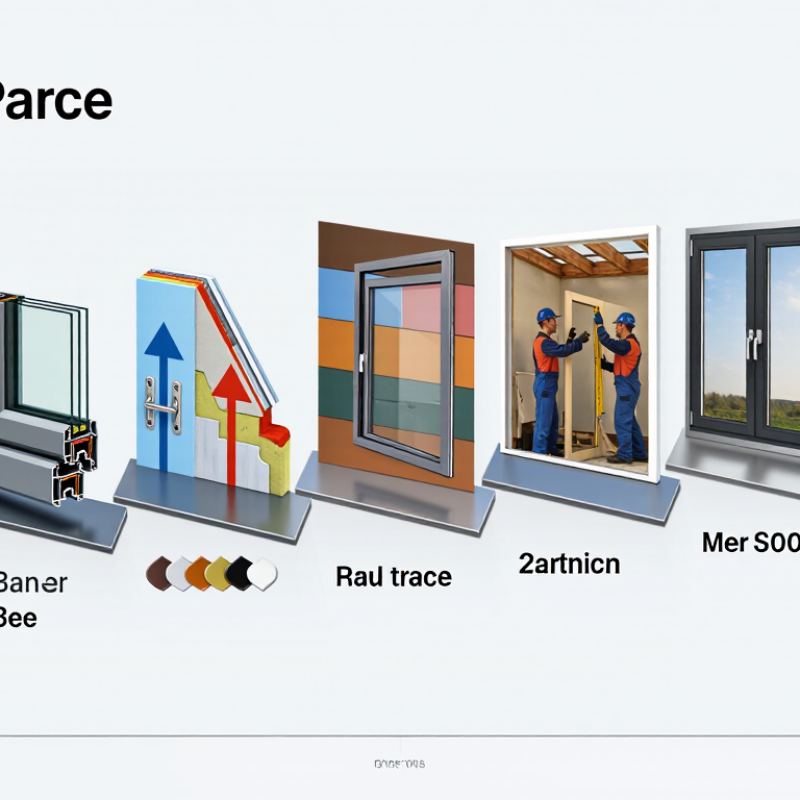
7 Best Ways to Compare Aluminium Windows Prices?

Define Your Window Requirements Before Comparing Prices

Before requesting aluminium window quotes, write down what each opening needs to do. Measure its width and height, and note whether measurements refer to the frame or masonry opening. Record the room, floor level, and whether the window faces a noisy street or strong afternoon sun. Small details can change the specification—and the price.

Choose the opening style, glazing, colour, and finish before comparing suppliers. A sliding window may suit a narrow room, while a top-hung sash can help ventilate a space during light rain. Double glazing is common, but glass thickness, coatings, and safety requirements affect cost.

Specify handles, restrictors, insect screens, and unusual shapes, too. These are easy to forget. I have seen a low initial quote become less useful once installation, old-frame removal, and finishing work were added. That is not always the supplier’s fault; sometimes the brief was incomplete.

Ask each company to price the same sizes, materials, performance levels, and installation scope. If a quote uses different assumptions, request them in writing. Early measurements may not be exact, so I still double-check the assumptions.

Separate Product Costs from Installation and Extra Charges

When comparing aluminium window prices, separate the frame-and-glass package from the work needed to fit it. Ask each supplier to list window sizes, opening styles, glazing, hardware, and finish. Then request installation as a separate line, including removal of old frames, disposal, sealing, and interior or exterior trim. Small charges add up. A low product price can look less attractive once these items appear.

Check what “installation” actually includes. Does the quote cover access equipment, repairs to damaged reveals, or adjustments for uneven openings? Are delivery and taxes included? Ask for quantities and unit prices, not only one total. This makes changes easier to spot when measurements differ. There is no perfect apples-to-apples quote, but a clear breakdown gets closer.

Extras can affect both cost and performance. Compare insect screens, restrictors, upgraded locks, acoustic glass, and thermal breaks separately.

The U.S. Department of Energy’s Energy Saver guidance estimates that heat gain and heat loss through windows account for 25–30% of residential heating and cooling energy use.

That figure is not a savings promise for any one home; climate, orientation, and installation quality matter. Still, it helps explain why the cheapest glass option may not be the cheapest choice over time. Ask for the exact specification behind every upgrade—and keep the answer in writing.

Request Itemized Quotes Using the Same Specifications

Request Itemized Quotes Using the Same Specifications

A fair aluminium window comparison starts with one shared specification sheet. List each opening’s width, height, style, frame finish, glazing, hardware, and installation needs. Then ask every supplier to price that exact package. Small differences matter. A quote for a fixed pane is not comparable with one for a tilt-and-turn window. Neither is a quote with installation against one without it. Request separate costs for frames, glass, hardware, delivery, removal, and labour. This makes omissions easier to spot.

Check performance ratings, not just frame descriptions. The U.S. Department of Energy says windows can account for about 25–30% of residential heating and cooling energy use. That makes glazing and air leakage relevant to long-term value. Ask for the same U-factor and solar heat gain coefficient across quotes, and verify ratings against National Fenestration Rating Council information. Compare warranty terms and installation details, too. A low total may exclude sealing or trim. It happens. Even an itemized comparison is imperfect if site conditions differ, so record unusual details, such as uneven openings or difficult access, before requesting prices.

7 Best Ways to Compare Aluminium Windows Prices? - Request Itemized Quotes Using the Same Specifications

Illustrative comparison only: the prices below are sample figures in USD, not live market quotes. Request current, written quotes and confirm local taxes, measurements, and installation requirements.

Comparison item Specification / scope Quote A Quote B Quote C
Use the same window specification for every quote
Window size and type 1,200 × 1,500 mm; one outward-opening casement window Same specification
Frame Thermally broken aluminium frame; matching frame depth and profile required Same specification
Glazing Double glazing: 6 mm glass / 12 mm air space / 6 mm glass Same specification
Finish and hardware Standard powder-coated finish; casement hinges, handle, and locking hardware Same specification
Request every supplier to itemize these costs (USD per window)
Aluminium frame and thermal break Fabrication of the specified frame $245 $260 $230
Glass and glazing assembly Specified double-glazed unit, seals, and glazing $145 $138 $152
Hardware Hinges, handle, and locking components $55 $62 $58
Powder-coated finish Standard colour finish, as specified $40 $35 $42
Installation Labour for installation; confirm whether removal and disposal are included $125 $115 $135
Delivery Delivery to the project address $35 $30 $25
Comparable total per window Installation and delivery included; sales tax excluded $645 $640 $642
Before choosing Check that measurements, glass build-up, frame profile, finish, hardware, installation scope, delivery, taxes, warranty, and quote validity are stated consistently. Ask for clarification on any exclusions or optional charges.

Compare Materials, Glazing, Ratings, and Warranty Coverage

When comparing aluminium window prices, check what each frame actually includes. A slim profile may look similar across quotes, yet thermal breaks, wall thickness, and coating quality can differ. Ask for the frame section and finish specification, not just a colour sample. Small details change cost.

Glazing also shifts the price. Compare pane count, glass thickness, low-emissivity coating, gas fill, and spacer type. A sunny room may benefit from lower solar heat gain, while a shaded room may need more daylight. Look for published U-factor and solar heat gain figures. Numbers help, but matching them to your home takes care.

Ratings give useful evidence when products are tested to the same standard. Check air leakage, water penetration, and wind-load results, and confirm they apply to the quoted size and configuration. Warranty coverage deserves equal attention: separate frame, finish, hardware, and glass terms may apply. Read exclusions for coastal exposure, cleaning products, and installation. Installation matters. A strong frame can still leak if the opening is poorly sealed. Quotes rarely make this comparison effortless; write down the exact specifications before weighing the totals.

7 Best Ways to Compare Aluminium Windows Prices

Compare frame and glazing specifications alongside the price. The chart shows representative whole-window U-factors for common aluminium window configurations; lower values indicate less heat transfer.

These figures are illustrative, not universal ratings for each configuration. Check the NFRC label for the specific whole-window U-factor, and compare quotes for the same window size, glazing, hardware, installation scope, and warranty coverage.

Assess Long-Term Value Alongside the Initial Price

An aluminium window quote is only the starting point. Compare the installed price with thermal performance, expected upkeep, and the cost of heating and cooling your home. The U.S. Department of Energy’s Energy Saver guidance estimates that windows account for about 25–30% of residential heating and cooling energy use. That figure applies to windows generally, not aluminium models alone, but it shows why air leakage and glazing deserve close attention. Ask for the whole-window U-factor and solar heat-gain coefficient, not just the frame specification. Small detail. Big impact.

For aluminium, check whether the frame includes a thermal break, which reduces heat transfer through the metal. Compare glazing options and installation details, too: a well-rated window can still underperform if gaps around the frame allow drafts. Then estimate likely maintenance costs, such as cleaning and hardware adjustments, and check what the written warranty covers. A cheaper quote may omit removal, sealing, or finishing work. Request an itemized price. I would hesitate to promise a specific payback period; local climate, energy rates, and workmanship can change the calculation. Compare several quotes using the same glass, dimensions, and installation scope, then weigh the initial difference against comfort and expected energy use over time.

FAQS

What should I include in a shared window specification sheet?

List each opening’s width, height, window style, frame finish, glazing, hardware, and installation needs. Note uneven openings or difficult access.

Why should every supplier price the same package?

Matching specifications makes totals easier to compare. A fixed pane is not equivalent to a tilt-and-turn window. The difference can be easy to miss.

Which costs should appear separately in a quote?

Ask for separate prices for frames, glass, hardware, delivery, removal, and labour. Check whether sealing and trim are included.

Which frame details can affect the price?

Ask about thermal breaks, wall thickness, coating quality, and the frame section. A colour sample alone tells you little.

What glazing details should I compare?

Compare pane count, glass thickness, low-emissivity coating, gas fill, and spacer type. Room exposure matters: sunny and shaded rooms may need different choices.

Which performance ratings are useful?

Compare U-factor, solar heat gain, air leakage, water penetration, and wind-load results. Confirm ratings match the quoted size and configuration.

Why check installation details and warranty terms?

A poorly sealed opening can leak, even with a strong frame. Review separate coverage for the frame, finish, hardware, and glass, including exclusions.

Is the lowest total quote always the best value?

Not necessarily. It may exclude labour, sealing, or trim. Site conditions can also change costs, so even careful comparisons have limits. Worth a second look.

Conclusion

Comparing Aluminium Windows Prices starts with defining your needs, including window sizes, styles, quantities, and performance priorities. Once you know what you are comparing, separate the product price from installation, delivery, removal, and any other additional charges. Request itemized quotes from several suppliers using identical specifications so that differences in cost are clear and the comparisons are fair.

Look beyond the headline price by checking frame materials, glazing options, energy and weather performance ratings, and warranty coverage. These details can affect comfort, durability, and future maintenance. A lower initial quote may not offer the best overall value if it includes fewer features or limited support. Consider the expected lifespan and running costs alongside the upfront expense to make a well-informed choice that fits both your requirements and budget.

Oliver

Oliver

Oliver is a dedicated marketing professional with extensive knowledge of the company’s products, services, and industry landscape. He specializes in translating complex product features into clear, practical, and engaging content that helps customers make informed decisions. Through regular......