Choosing the right Aluminum Bathroom Door involves more than matching a color to your tiles. A bathroom door faces daily moisture, temperature changes, soap residue, and frequent opening. These conditions reveal weak materials quickly. A door that looks attractive in a showroom may swell, corrode, or loosen after months of use.
Practical experience shows that aluminum is valuable because it is lightweight, moisture-resistant, and relatively easy to maintain. However, not every aluminum door offers the same performance. Check the alloy quality, frame thickness, surface finish, hinge strength, and sealing system. A powder-coated surface can help protect the frame, but poor preparation may still cause peeling. Inspect the corners carefully. They often expose rushed manufacturing.
Accurate measurements also matter. Record the opening width, height, wall thickness, and floor clearance before ordering. Measure twice. Small errors can create uneven gaps, difficult closing, or water leakage near the bathroom entrance. Consider ventilation and privacy together. Frosted glass, solid panels, and louvered sections provide different results. Families with children may also value rounded edges and stronger hardware.
Reliable guidance should come from manufacturers with clear specifications, tested components, and responsive after-sales support. Independent reviews can help, but they should not replace physical inspection. No door is perfect. A premium finish may still show fingerprints, and a durable frame may feel less refined. This guide compares those compromises, helping you choose an Aluminum Bathroom Door that suits your space, maintenance habits, and realistic budget.
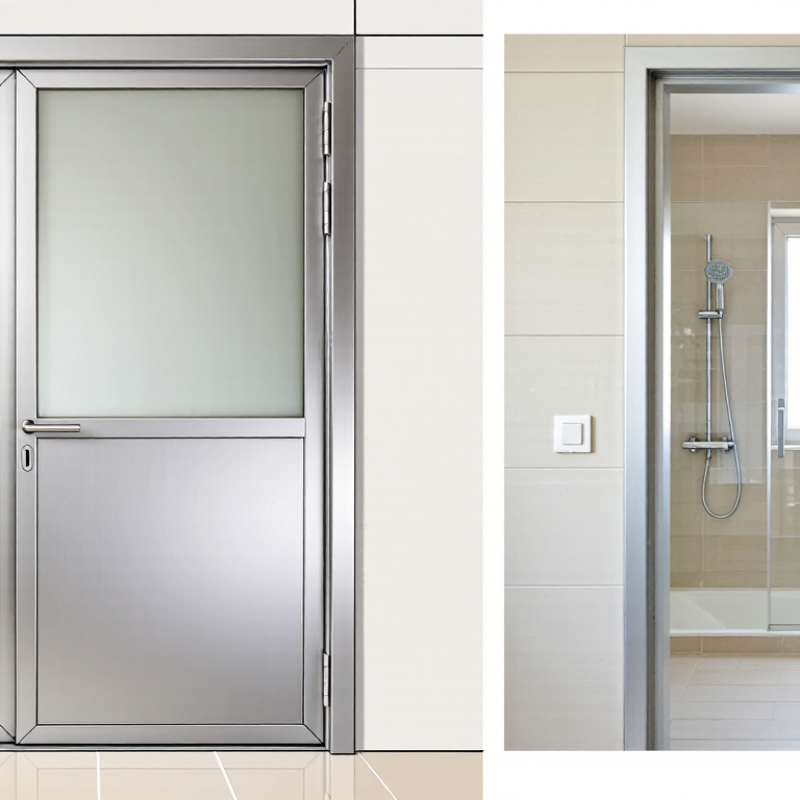
How to Choose the Best Aluminum Bathroom Door?
An aluminum bathroom door usually combines a lightweight frame with moisture-resistant glass or a solid panel. Aluminum resists rust better than ordinary steel in humid rooms. It also stays easy to operate when temperatures change. Powder-coated or anodized finishes can protect the surface and simplify cleaning. Still, no finish is completely maintenance-free.
A suitable door should match the bathroom’s layout, ventilation, and daily use. Measure the opening at several points, because walls are rarely perfectly square. Choose corrosion-resistant hinges, secure handles, and durable seals around wet areas. If the door includes glass, use safety glazing that meets applicable local requirements. Clear glass creates an open feeling, while frosted glass offers more privacy. In practical installations, poor drainage often damages the doorway before the aluminum does. That detail is easy to miss.
Tips: Check the swing path before ordering. Leave enough clearance for towels and fixtures. Wipe soap residue from the lower frame each week. Inspect seals when they loosen or crack. Ask for installation instructions and maintenance guidance. A stronger frame is not always better; oversized parts may make a small bathroom feel crowded. Measure twice. Mistakes are expensive.
Aluminum is widely used for bathroom door frames because it combines low density with strong heat conductivity and good resistance to humid environments. The chart compares representative engineering values for common construction materials. Actual performance varies by alloy, grade, surface treatment, and door design.
Typical values: aluminum 6063 alloy, stainless steel 304, and mild carbon steel. Lower density generally supports easier handling and lighter door construction.
A suitable aluminum bathroom door begins with the room, not the door catalog. Measure the opening at the top, middle, and bottom. Walls are rarely perfectly square, especially in older homes. Record the narrowest width and shortest height. This prevents a door from rubbing against the frame or floor.
Study the bathroom layout carefully. A hinged door needs enough clearance to swing without hitting a toilet, vanity, or shower screen. In a compact room, an outward-opening or sliding design may improve movement. However, sliding doors require wall space and a clear track area. Check the location of plumbing fixtures before choosing the opening direction. I once measured only the doorway and overlooked a towel rail. The installation needed adjustment. That small mistake was avoidable.
Tips: Leave practical clearance around the door, and confirm the finished floor level before ordering. Choose a frame size that matches the measured opening, not the expected opening. Aluminum handles moisture well, but drainage and ventilation still matter. Ask an experienced installer to verify the measurements. A second inspection helps. Check hinge positions, threshold height, and seal placement. These details affect privacy, water control, and daily comfort more than appearance alone.
Choosing an aluminum bathroom door starts with the opening, not the finish. The National Association of Home Builders’ 2024 report found that 78% of buyers wanted a shower stall. That preference makes door clearance important.
A sliding door suits narrow bathrooms because its panels do not swing into wet or dry space. It needs accurate wall alignment, though. A pivot door feels more open and allows easier cleaning, but it needs roughly 600–700 millimeters of clear floor space. Folding doors save space, yet their hinges and tracks demand closer maintenance.
My practical preference is a simple pivot door. That judgment can be wrong in a tight family bathroom.
Glass changes privacy, safety, and visual weight. The National Glass Association explains that tempered glass is about four to five times stronger than annealed glass. Choose clear glass for light and a larger appearance. Use frosted, rain-textured, or patterned glass when privacy matters.
Thicker glass often feels more stable, but the frame and hardware must support its weight correctly. A door that looks elegant can still rattle.
Aluminum profiles should resist bathroom humidity without looking excessively industrial. The International Aluminium Institute reports that recycled aluminum uses about 5% of the energy required for primary production. Ask about recycled content and protective finishing, but do not judge quality by color alone.
Check drainage, seals, handle comfort, and the bottom gap. Small details matter. A perfect-looking installation may still need adjustment after daily use.
A good aluminum bathroom door starts with the right material, not appearance. The International Aluminium Institute reports that recycled aluminum uses about 5% of the energy required for primary production. Choose corrosion-resistant aluminum with a verified alloy grade and durable surface treatment. In humid rooms, thin profiles may flex, rattle, or lose alignment. That detail is easy to miss.
Hardware deserves equal attention. Stainless-steel hinges, sealed bearings, and moisture-resistant fasteners reduce staining and movement. Check whether the latch remains usable with wet hands. Industry standards from the Builders Hardware Manufacturers Association provide useful performance references for hinges, locks, and closers. However, certification does not replace correct installation. A poorly supported frame can still sag.
Tips: Ask for test documents, not vague claims. Inspect the bottom rail closely. It should shed water, avoid sharp edges, and allow easy cleaning. Waterproofing also depends on the wall opening, sealant, drainage, and threshold connection. ANSI guidelines for fenestration installation emphasize continuous sealing and controlled water drainage. Safety matters too. The World Health Organization reports that falls cause about 684,000 deaths worldwide each year. Use tempered or laminated safety glass, rounded edges, and a door swing that does not trap someone inside. I would avoid completely sealed thresholds; they look tidy, but they can hold water and hide early leakage.
How to Choose the Best Aluminum Bathroom Door?
Choosing Installation Quality, Maintenance Needs, and Overall Value
Installation quality determines whether an aluminum bathroom door remains quiet, square, and watertight. Check the wall opening before ordering. Uneven tiles can force the frame out of alignment. An experienced installer should use corrosion-resistant screws, continuous seals, and accurately positioned hinges. The door should close without rubbing. It should also drain water away from the threshold.
Maintenance should be simple, not ignored. The U.S. Environmental Protection Agency recommends keeping indoor humidity between 30% and 50% to reduce moisture problems. Wipe the frame after showering, especially around corners and screw heads. Inspect silicone joints every six months. Replace cracked seals early. Small defects become expensive.
Finish quality matters. A properly treated aluminum surface resists stains, oxidation, and daily cleaning products better than unfinished metal. Ask for test information covering coating adhesion and corrosion resistance. Standards such as AAMA 2605 can help assess high-performance finishes, although they do not replace installation inspection. I have seen attractive doors fail because installers rushed the final adjustment. That is an uncomfortable lesson.
Overall value includes replacement risk, labor, cleaning time, and service access. UNEP’s 2023 Global Status Report notes that buildings consume about 30% of global final energy, so durable products support broader resource efficiency. A cheaper door may cost more when seals, rollers, and alignment require repeated repairs. Choose accessible hardware. Keep spare seals available. Think beyond the showroom.
| Door Configuration | Installation Quality Priorities | Moisture and Corrosion Resistance | Typical Maintenance | Relative Installed Cost | Expected Service Value | Overall Value |
|---|---|---|---|---|---|---|
| Standard framed aluminum door | The frame should be plumb, level, and square. Use proper shims, mechanically secure the frame, and seal the perimeter without blocking drainage paths. | Good when the aluminum has an anodized or powder-coated finish and all cut edges, fasteners, and joints are properly protected. | Wipe water and soap residue regularly; clean with mild detergent every 3–6 months. Inspect sealant and hinges at least annually. | Low to medium | Balanced choice for most dry or moderately humid bathrooms; replacement parts are usually straightforward to obtain. | High |
| Thermally improved framed aluminum door | Confirm that the frame is correctly aligned and that the thermal break remains continuous at joints. Use compatible sealants and fasteners. | Better control of condensation on the interior frame than a basic non-thermal frame, although ventilation is still necessary in humid bathrooms. | Use the same routine cleaning as a standard frame. Check seals, drainage openings, and hardware annually. | Medium to high | Worth considering where condensation control, comfort, and long-term finish protection are more important than the lowest initial price. | High |
| Louvered aluminum bathroom door | Install the frame securely and verify that louvers are not obstructed. Provide adequate clearance so airflow is maintained and the door does not bind. | Aluminum resists moisture well, but exposed screws, hinges, and dissimilar-metal contacts still require corrosion protection, especially near the coast. | Dust and wipe each louver; clean every 3–6 months. Inspect hinges and fasteners annually because they are exposed to humid air. | Low to medium | Strong practical value where continuous ventilation is needed, but it provides less privacy and sound control than a solid door. | Medium to high |
| Heavy-duty framed aluminum door | The wall and subfloor must support the heavier assembly. Use reinforced fixing points, accurately sized hinges, and a professional alignment check after installation. | Very good with a durable finish and corrosion-resistant hardware. In coastal locations, specify suitable stainless-steel hardware and rinse salt deposits regularly. | Clean every 3–6 months; coastal installations may need monthly freshwater rinsing. Lubricate compatible hinges and inspect seals annually. | Medium to high | Suitable for frequent use and demanding environments when the structure and hardware are correctly specified; higher upfront cost may reduce lifetime repair needs. | Medium to high |
| Aluminum-and-glass bathroom door | The opening must be accurately measured. Use suitable safety glass, compatible gaskets, correctly rated hinges, and professional adjustment to prevent stress on the glass. | The aluminum frame is moisture-resistant, while glass does not rust; however, mineral deposits and failed seals can affect appearance and water control. | Squeegee or wipe glass after use; clean with a non-abrasive product weekly or as needed. Check gaskets, hinges, and sealant annually. | Medium to high | Provides a modern appearance and easy visual inspection, but requires more frequent cleaning and careful installation than an opaque door. | Medium |
Aluminum is lightweight and resists rust better than ordinary steel in humid rooms. It remains easy to operate during temperature changes. Protective finishes can simplify cleaning. No finish is maintenance-free.
Measure the opening at the top, middle, and bottom. Record the narrowest width and shortest height. Check the finished floor level, wall alignment, and threshold height. Measure twice.
Check the swing path before ordering. A hinged door should not hit the toilet, vanity, shower screen, or towel rail. Outward-opening or sliding designs may suit compact rooms. Sliding doors need clear wall space and tracks.
Choose tempered or laminated safety glass that meets applicable local requirements. Clear glass makes the room feel larger. Frosted glass provides more privacy. Rounded edges improve safety.
Choose corrosion-resistant hinges, secure handles, and moisture-resistant fasteners. Sealed bearings can reduce movement and staining. The latch should remain usable with wet hands. A strong frame still needs proper support.
Waterproofing depends on seals, drainage, the wall opening, and threshold connections. The bottom rail should shed water and allow easy cleaning. Avoid thresholds that trap hidden water. Poor drainage may damage the doorway before the aluminum.
Wipe soap residue from the lower frame each week. Inspect seals when they loosen, crack, or separate. Clean the tracks and check hardware movement. Small problems grow.
Not always. Oversized profiles may make a small bathroom feel crowded. Thin profiles can flex, rattle, or lose alignment. Choose a frame that matches the opening and daily use. I might still choose wrongly without checking the installer’s advice.
Choosing the right Aluminum Bathroom Door requires more than selecting an attractive design. Start by considering the bathroom’s size, layout, ventilation, and available clearance to determine the most suitable door dimensions and opening direction. Aluminum is a practical choice because it is lightweight, resistant to moisture, and generally easy to maintain. Compare styles such as sliding, hinged, or folding doors, along with glass options that provide privacy, natural light, and appropriate safety. Frosted or textured glass can offer greater privacy, while tempered glass is a dependable option for everyday use.
Pay close attention to frame quality, hinges, handles, seals, drainage, and waterproofing details, since these features help prevent leaks, corrosion, and daily wear. Professional installation can improve alignment, sealing, and long-term performance. Finally, evaluate cleaning requirements, replacement convenience, durability, and total cost rather than focusing only on the initial price. A well-selected Aluminum Bathroom Door should complement the space, operate smoothly, remain safe, and deliver lasting value.