Choosing among China’s top Aluminum Door manufacturers requires more than comparing prices or polished catalog images. Global buyers need verified capability, consistent materials, and clear communication. A dependable factory should explain alloy grades, thermal-break systems, coating standards, glass options, and hardware performance. It should also provide production samples before large orders begin.
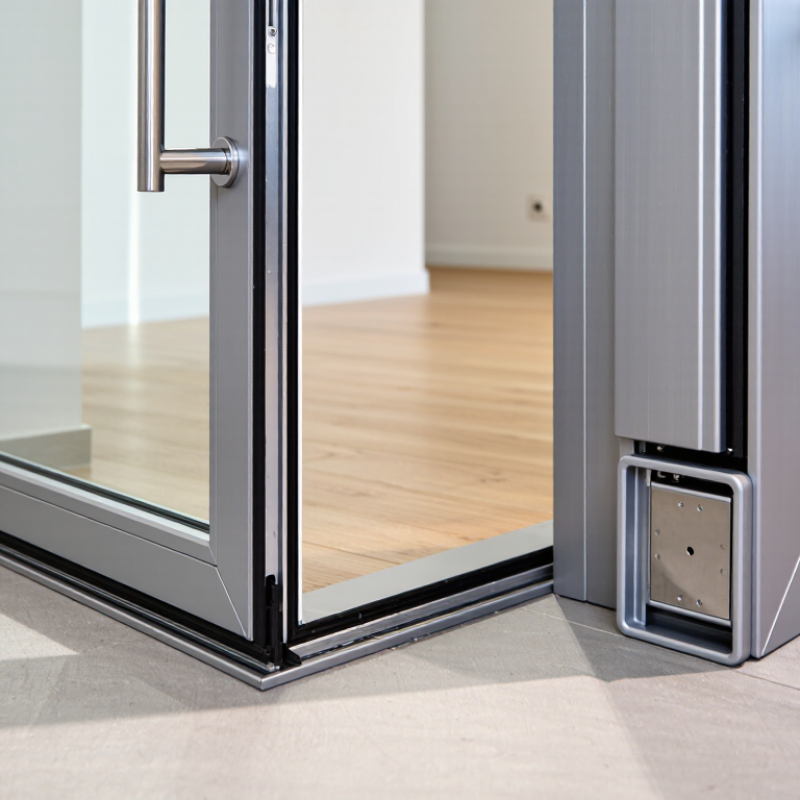
Details matter. Check corner joints, drainage paths, gasket compression, and hinge alignment. A well-made Aluminum Door should open smoothly, close firmly, and resist air and water infiltration. Factory experience becomes visible in small places, such as clean welds, even powder coating, and protected packaging corners. Buyers should request test reports, project references, quality-control records, and inspection photographs. An on-site or third-party inspection can reveal weaknesses that brochures hide.
Dr. Joseph Lstiburek, a respected building-science expert, often states, “Water is the most destructive force on Earth.” His warning is highly relevant to door sourcing. Attractive aluminum profiles cannot compensate for poor drainage or careless installation. Still, no supplier is perfect. Even experienced manufacturers may face color variation, delayed components, or communication gaps. That deserves honest discussion. The strongest China Aluminum Door manufacturers respond with corrective plans, not vague promises. They clarify tolerances, lead times, warranty limits, and after-sales responsibilities in writing. For global buyers, the right partner is not simply the cheapest factory. It is the manufacturer that combines engineering knowledge, stable production, documented quality, and practical support from sample approval to final delivery.
China’s aluminum door manufacturing industry is built on a deep metal-processing base. The International Aluminium Institute reported that China produced approximately 41.4 million tonnes of primary aluminum in 2023. That represented nearly 59% of global output. This scale supports extrusion, powder coating, thermal-break assembly, and hardware integration.
In practical factories, aluminum billets become profiles through heated dies. Operators then cut, drill, crimp, and assemble frames around glass or insulated panels. A typical export order may require different wall thicknesses, gasket designs, and drainage holes. These details affect air leakage, water resistance, and installation speed. The Global Fenestration and Door Industry data shows growing demand for energy-efficient openings, especially in commercial and residential projects. Yet market reports often combine windows and doors. Buyers should read the methodology carefully.
Reliable suppliers should provide alloy certificates, coating records, dimensional inspection sheets, and documented performance tests. China’s GB/T 8478 standard covers aluminum alloy doors and windows. Export projects may also reference EN 14351-1 or ASTM testing methods. Factory visits can reveal practical issues, such as uneven powder coverage or poorly protected corners. These defects are easy to miss in photographs. Production capacity alone proves little. My own concern is that some suppliers present laboratory results without matching the tested configuration to the buyer’s final design. That gap deserves direct questioning.
Aluminum doors suit many building styles, from compact apartments to large commercial entrances. Global buyers commonly choose hinged, sliding, folding, and lift-and-slide doors. Each type solves a different space problem.
Hinged doors offer simple operation and reliable sealing. They work well for bedrooms, offices, and standard entrances. Sliding doors save floor space and create wider views. Folding doors open large wall sections, making them useful for cafés, villas, and event areas. Lift-and-slide doors support heavier glass panels with smoother movement. However, oversized systems need accurate structural calculations. A beautiful design can still perform poorly if the frame bends.
Tips: Check opening size, glass weight, drainage, hardware quality, and thermal-break design before ordering. Ask for test data on air leakage, water resistance, and wind pressure. Confirm installation tolerances with the supplier. Small errors become visible quickly.
In hot climates, insulated aluminum frames can reduce indoor heat transfer. In colder regions, multi-chamber profiles and low-emissivity glass may improve comfort. Coastal projects need suitable surface treatments because salt air is demanding. Powder coating looks practical, but color matching can vary between production batches. I have seen buyers focus on appearance and underestimate delivery protection. Corner damage, missing hardware, or unclear assembly instructions can delay installation. That lesson deserves more attention.
The chart compares common aluminum door systems by their typical minimum panel or leaf count. Single hinged doors use one leaf, while double hinged and sliding systems commonly use two. Bi-fold doors generally require at least three folding panels, and lift-and-slide doors commonly use two large sliding panels. Actual configurations vary according to opening size, hardware, glazing, building codes, and project requirements.
Evaluating Chinese aluminum door manufacturers requires more than comparing online prices. Start by checking factory evidence, not polished catalog images. Request a business license, production address, equipment list, and recent project references. A reliable manufacturer should explain aluminum grades, profile thickness, thermal breaks, hardware sources, and surface treatments clearly. Vague answers deserve caution.
Ask for a physical sample before placing a large order. Inspect corner joints, drainage holes, locking points, gasket fit, and powder coating under bright light. Measure the frame with calipers if possible. The sample should match the approved drawings and color reference. Small differences can create installation problems. They happen.
Technical competence matters during customization. Confirm wind-load calculations, glass specifications, opening directions, packing methods, and quality inspection procedures. Request test reports from recognized laboratories when performance claims involve air leakage, water resistance, or insulation. Check whether the factory can control tolerances consistently across repeated units, not just one impressive sample.
Communication is another practical test. Send a detailed inquiry and observe the response time, drawing accuracy, and willingness to identify risks. Ask who handles production updates and after-sales issues. A trustworthy supplier admits limitations instead of promising everything. Payment terms, lead times, warranty wording, and shipping responsibilities should appear in clear written documents. An audit may still miss problems, so keep inspection records and use staged approvals.
China Top Aluminum Door Manufacturers for Global Buyers
Global buyers need more than attractive aluminum doors. They need customization, documented quality control, and reliable certification support. Experienced manufacturers usually confirm opening sizes, wall conditions, glass specifications, hardware, and climate exposure before production. A project manager may request thermal breaks, concealed drainage, narrow frames, or special powder-coating colors. Small details matter. Custom drawings should include tolerances, section profiles, finish codes, and installation notes. However, customization should not weaken structural performance or replacement convenience.
Quality control should follow the product from extrusion to final packing. Inspectors can check alloy grade, profile dimensions, coating thickness, glass condition, corner joints, locks, and drainage holes. Random sampling is useful, but critical orders may require full inspection. Factory photos help, although photos cannot replace independent testing. That limitation deserves attention. Buyers should request inspection records, batch numbers, corrective-action reports, and packaging tests for long-distance shipping.
Certification requirements depend on the destination market and door application. A responsible supplier provides current certificates, test reports, and traceability documents. ISO 9001 supports process control, but it does not automatically prove door performance. For European projects, buyers may review applicable EN requirements and CE obligations. For North American projects, applicable ASTM or AAMA-based testing may be relevant. Ask who performed each test, when it was completed, and whether the tested design matches the customized door. No factory is flawless. Transparent answers often reveal more reliability than polished promises.
For global buyers, selecting China’s top aluminum door manufacturers requires more than comparing unit prices. Ask for alloy grade, profile thickness, coating method, glass specification, hardware list, and test reports. A reliable factory should provide drawings before production and confirm tolerances in writing. EN 14351-1, ASTM E283, or project-specific standards may apply. Clear documentation prevents expensive changes later.
Shipping deserves equal attention. The World Bank’s 2023 Logistics Performance Index gave China a score of 3.7 out of 5, ranking it 19th among 139 economies. Still, port congestion, container shortages, and customs delays can affect delivery. Request a commercial invoice, packing list, HS classification, fumigation documents when required, and carton-level photos. Use moisture barriers and reinforced corner protection. Doors can arrive scratched, even when the container looks intact. Incoterms must be written clearly; vague “door delivery” promises create disputes. I would also compare landed cost, not the factory quotation alone.
Tips: Approve one physical sample first. Confirm opening direction, color code, and installation accessories. Add a pre-shipment inspection, but do not treat it as a complete guarantee. UNCTAD’s Review of Maritime Transport 2024 noted continued volatility in container shipping conditions, so keep schedule margin. After-sales support should include numbered replacement parts, installation videos, response deadlines, and a written warranty. A practical test is simple: send technical questions before ordering. Slow or unclear answers may predict trouble after arrival.
Hinged doors suit bedrooms, offices, and standard entrances. Sliding doors save floor space and widen views. Folding doors open large wall sections. Lift-and-slide doors handle heavier glass panels smoothly.
Confirm the opening width, height, frame depth, and opening direction. Check glass weight, drainage paths, and installation tolerances. Measure twice. Small errors matter.
Insulated frames can reduce heat transfer in hot climates. Multi-chamber profiles and low-emissivity glass may improve comfort in colder areas. Coastal buildings need surface treatments that resist demanding salt air.
Request the business license, factory address, equipment list, and recent project references. Ask about aluminum grades, profile thickness, thermal breaks, hardware, and coating methods. Vague answers deserve caution.
Examine corner joints, drainage holes, locking points, gaskets, and coating under bright light. Use calipers when possible. Compare the sample with approved drawings and color references. A sample can still mislead.
Request data for air leakage, water resistance, wind pressure, and insulation. Confirm glass specifications and structural calculations for oversized systems. A beautiful frame may perform poorly if it bends.
Request carton-level photos, reinforced corner protection, and moisture barriers. Confirm commercial invoices, packing lists, customs documents, and written delivery terms. Doors can arrive scratched. Keep schedule margin.
Require numbered replacement parts, installation videos, response deadlines, and a written warranty. Use staged approvals and keep inspection records. An audit is not magic. Clear communication still matters.
China’s aluminum door manufacturing industry offers global buyers a broad combination of production capacity, design flexibility, and competitive pricing. Buyers can choose from sliding doors, folding doors, hinged doors, entrance systems, thermal-break doors, and fire-rated or acoustic options according to project requirements. To identify a suitable supplier, it is important to review manufacturing experience, factory capabilities, product range, export history, communication efficiency, and sample performance. Clear technical drawings, material specifications, hardware details, and production timelines should be confirmed before placing an order.
Customization and quality control are essential when sourcing an Aluminum Door from China. Buyers should discuss colors, dimensions, glass configurations, surface treatments, insulation, security features, and packaging requirements in advance. Reliable manufacturers should maintain inspection procedures for profiles, assembly, finish quality, and final operation, while providing relevant test reports and certifications required by the destination market. Buyers should also evaluate quotation terms, payment conditions, shipping arrangements, customs documentation, installation guidance, warranty coverage, spare parts, and after-sales support to reduce risks and ensure smooth project delivery.