0%

Global construction is under pressure to reduce energy use, carbon emissions, and long-term maintenance costs. The International Energy Agency reports that buildings and construction consume approximately 30% of global energy and produce about 26% of energy-related emissions. Window selection therefore affects more than appearance. It influences heating demand, cooling loads, daylight, airtightness, and occupant comfort.

An Aluminum Window offers a strong balance between structural performance and design flexibility. Its narrow frames can create wider glass areas, helping natural light reach deeper into offices, hotels, and residential interiors. Aluminum also supports large openings, sliding systems, and durable finishes for demanding climates. According to the International Aluminium Institute, recycling aluminum requires about 5% of the energy used for primary production. That circular advantage matters when project teams consider material recovery and future renovation.

Performance still depends on the complete system. Thermal breaks, low-emissivity glazing, drainage, seals, and installation quality must work together. The Passive House Institute and international building-performance studies repeatedly show that weak connections can undermine otherwise efficient products. A well-designed frame cannot correct poor site detailing.

No material wins everywhere. In extremely cold or hot regions, specifications may need deeper thermal barriers or hybrid solutions. Aluminum can also carry a higher embodied-carbon burden when primary metal dominates the supply chain. That point deserves honest attention. The right decision combines verified environmental data, local climate analysis, tested performance, and experienced installation. For global projects, an Aluminum Window becomes valuable not because it is universally perfect, but because it can be engineered, measured, and improved across different building conditions.
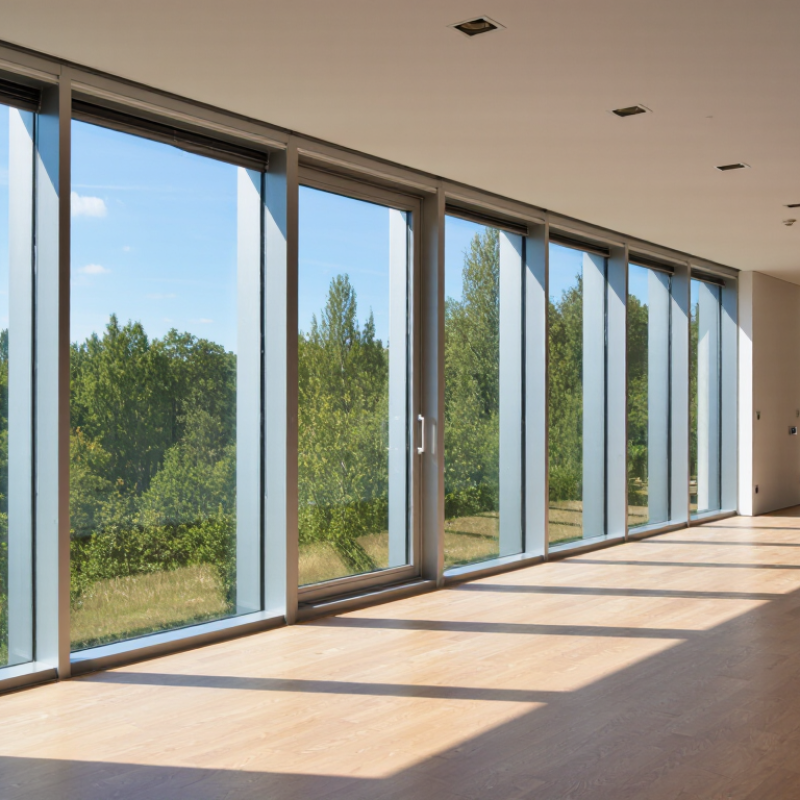
Why Choose Aluminum Windows for Global Projects?

Aluminum Windows: Definition, Structure, and Core Features

Aluminum windows are window systems made from extruded aluminum profiles, glass, seals, and operating hardware. The aluminum frame forms the visible boundary and carries the glass load. It also resists wind pressure, rain exposure, and repeated opening. The frame is not a single solid bar. It usually contains chambers, drainage paths, and connection points. Details matter.

A typical structure includes an outer frame, sash, glazing bead, gasket, and thermal break. The thermal break separates interior and exterior aluminum surfaces with a low-conductivity material. This reduces heat transfer and limits interior condensation. Double or triple glazing can improve insulation, but glass selection must match the local climate and building use. In coastal areas, fasteners and surface treatments need careful review. Salt can expose weak choices quickly.

Aluminum offers high strength with relatively low frame weight, making it practical for large openings and tall façades. Its slim profiles can also provide wider glass areas and stronger daylight access. During installation, level frames, sealed joints, and clear drainage channels are essential. A small misalignment can cause difficult operation later. I would not describe aluminum as automatically energy efficient. Poor thermal detailing can undermine a good design. Project teams should check structural loads, air leakage, water resistance, fire requirements, and maintenance access before approval. Local testing standards still matter. Assumptions need checking.

Why Aluminum Windows Suit Diverse Global Climates

Aluminum windows suit global projects because climates rarely behave the same way. In coastal cities, salty air can attack poorly protected frames, so durable finishes and careful drainage matter. In hot regions, reflective coatings and thermal breaks help reduce heat transfer through the frame. In cold areas, insulated profiles limit interior surface temperatures and reduce condensation around the glass.

I have seen window performance depend as much on installation as on material selection. A well-designed frame cannot compensate for gaps, weak flashing, or blocked drainage channels. That detail is easy to underestimate. In monsoon climates, sloped sills and pressure-managed drainage help move heavy rain away from interior walls. In windy regions, structural calculations should match the building height, opening size, and local exposure.

Aluminum also offers stable dimensions during daily temperature changes. This supports consistent operation across large windows and sliding systems. Yet it is not automatically the best answer everywhere. Poorly specified aluminum can create thermal bridges, surface corrosion, or uncomfortable interior temperatures. Local testing, experienced installers, and climate-specific specifications remain essential. Even small revisions may improve long-term reliability: deeper thermal breaks, stronger seals, or a more suitable finish can change the result.

Performance Benefits for International Building Projects

Why Choose Aluminum Windows for Global Projects?

Performance Benefits for International Building Projects

Aluminum windows provide a practical balance of strength, weight, and design flexibility for international building projects. Their slim frames support larger glass areas, helping daylight reach deep into offices, hotels, and residential spaces. In coastal regions, suitable surface treatments can improve resistance to humidity and salt exposure. Local testing still matters because marine conditions vary widely.

Thermal performance depends on more than the frame material. Thermally broken profiles, quality seals, and properly specified low-emissivity glazing can reduce heat transfer. This helps buildings manage cooling in tropical climates and heating in colder regions. Air and water resistance should be checked against project-specific standards. A window that performs well in a dry climate may need different detailing in a monsoon zone.

Durability also supports long-term maintenance planning. Aluminum does not warp like untreated timber, and damaged components may often be replaced individually. Careful installation remains essential. Small gaps around the frame can cause drafts, leaks, and unexpected energy loss. We recommend reviewing structural calculations, wind loads, drainage paths, and acoustic targets with local engineers. No material is perfect. Poor detailing can weaken even a well-designed system. Consistent factory inspection, documented testing, and site checks make performance claims more reliable across borders.

Design, Customization, and Compatibility Across Regions

Why Choose Aluminum Windows for Global Projects?

Across global projects, aluminum windows offer a practical balance between design freedom and regional compatibility. Their slim frames can create wide glass areas without making façades feel heavy. In coastal locations, suitable coatings and drainage details help manage humidity and salt exposure. In colder regions, thermal breaks reduce heat transfer through the frame. Performance still depends on correct engineering. A frame alone cannot solve every climate problem.

Customization becomes important when projects cross borders. Profiles can be adapted for different glass thicknesses, opening styles, and ventilation needs. Hardware positions may follow local construction habits, while frame depths can match regional wall systems. Metric dimensions are common, but some suppliers and contractors still work with imperial measurements. Small conversion errors can affect installation. Careful shop drawings and physical samples reduce that risk.

Compatibility also involves standards, logistics, and maintenance. Before production, engineers should review wind loads, water control, energy requirements, and fire-related specifications applicable to the project location. A tested window assembly is more reliable than a frame selected from a catalogue alone. Mock-up testing can reveal gasket pressure, corner alignment, and drainage weaknesses. I have seen attractive designs fail because the sill detail was overlooked. That mistake is avoidable, but not always obvious. Local installers should confirm tolerances, sealants, and replacement access before approval. It may feel slower, yet it protects the design from costly regional surprises.

Why Choose Aluminum Windows for Global Projects? - Design, Customization, and Compatibility Across Regions
Project Dimension Relevant Design or Performance Factor Typical Specification or Data Range Regional Compatibility Consideration Practical Benefit for Global Projects
Material Strength Aluminum alloy frame construction Common architectural alloys include 6063 for extruded profiles; 6061 is also used where higher structural strength is required. Profile selection should be based on opening size, wind load, span, and local structural requirements. Supports slim sightlines, larger glazed areas, and adaptable frame geometries without using unnecessarily bulky sections.
Thermal Performance Thermally broken frame systems A polymeric thermal break separates the interior and exterior aluminum sections to reduce heat transfer. U-value targets vary by climate zone and local energy code; cold, mixed, and hot regions require different performance strategies. Helps improve indoor comfort, reduce condensation risk, and support compliance with regional energy-efficiency requirements.
Glazing Compatibility Single, double, and triple glazing options Insulating glass units commonly use two or three panes with sealed cavities; cavity widths and coatings are project-specific. Glass selection should reflect solar exposure, heating or cooling demand, acoustic targets, safety rules, and local availability. Allows one frame platform to be adapted to different climates, building types, and performance goals.
Solar Control Low-emissivity and solar-control glass Low-E coatings can reduce radiant heat transfer, while solar-control coatings help limit unwanted solar heat gain. Hot climates generally prioritize solar heat-gain control; colder climates may place greater emphasis on retaining interior heat. Improves daylight and comfort while helping designers balance views, glare, cooling loads, and energy performance.
Weather Resistance Air, water, and wind-load performance Performance is verified through project-specific testing and applicable regional standards rather than one universal rating. Coastal, tropical, monsoon, desert, and high-rise locations may require different drainage, sealing, pressure, and deflection solutions. Enables the same design concept to be engineered for substantially different environmental conditions.
Corrosion Protection Anodized or powder-coated surface finishes Anodizing forms a protective oxide layer; powder coating adds a durable polymer finish over prepared aluminum. Marine and high-humidity environments require suitable pretreatment, coating specifications, drainage design, and maintenance planning. Provides a broad finish palette while improving resistance to weathering and maintaining a consistent architectural appearance.
Color Customization Interior and exterior finish options Dual-color configurations can use different finishes on the internal and external frame surfaces. Color requirements may be influenced by planning controls, heritage guidelines, solar exposure, and local architectural conventions. Supports regionally appropriate façades without requiring a completely different frame material.
Opening Types Fixed, casement, awning, sliding, folding, and tilt-and-turn formats Different opening mechanisms provide varying levels of ventilation, weather resistance, access, and space efficiency. Selection should consider local ventilation habits, wind direction, occupant safety, egress rules, and available hardware. Offers design flexibility for residential, commercial, hospitality, and institutional buildings in different markets.
Dimensional Flexibility Custom frame depth, mullions, transoms, and module sizes Dimensions are engineered according to glass weight, wind pressure, span, hardware capacity, and required deflection limits. Large openings may require structural calculations, reinforced profiles, intermediate supports, or façade engineering. Accommodates varied floor-to-ceiling heights, façade grids, renovation openings, and contemporary minimal-frame designs.
Acoustic Performance Glazing composition, seals, and frame configuration Acoustic results depend on glass thickness, pane spacing, laminated layers, frame design, and installation quality. Urban, airport, railway, and industrial sites require project-specific sound insulation targets and test methods. Allows the window assembly to be tuned for local noise conditions instead of relying on a standard configuration.
Safety and Security Laminated, toughened, or safety-rated glass with compatible hardware Safety glazing reduces injury risk after breakage; hardware and locking points must match the window type and security objective. Local building codes may define requirements for impact areas, escape openings, fall protection, and access control. Supports safer designs across residential, commercial, public, and high-occupancy applications.
Standards Alignment Performance testing and regional code documentation Projects may reference standards such as EN, ASTM, ISO, or locally adopted building regulations, depending on the jurisdiction. Required documentation, test methods, terminology, and acceptance criteria differ between regions and should be confirmed early. Reduces approval risk and helps coordinate design, procurement, testing, and installation requirements across borders.
Installation Compatibility Substrate, anchoring, flashing, drainage, and perimeter sealing Installation details must account for masonry, concrete, steel, curtain-wall interfaces, movement joints, and thermal expansion. Local construction methods, labor skills, tolerances, waterproofing practices, and available accessories affect the installation design. Improves site reliability and helps maintain the tested performance of the complete window assembly.
Sustainability Recyclability and long service life Aluminum can be recycled repeatedly when collected and processed through appropriate recycling systems. Actual environmental performance depends on recycled content, production energy mix, transport distance, durability, and end-of-life recovery. Supports life-cycle planning and material-efficiency goals when paired with responsible sourcing and long-term maintenance.
Maintenance Low-maintenance frame surfaces and replaceable components Routine cleaning, drainage checks, seal inspection, and hardware adjustment are typically required; frequency depends on exposure. Salt spray, dust, pollution, humidity, and extreme temperature cycles can increase inspection and cleaning requirements. Provides predictable upkeep across different climates when maintenance procedures are adapted to local exposure conditions.

Selection Standards for Quality, Cost, and Long-Term Value

Why Choose Aluminum Windows for Global Projects?

Selection should begin with performance, not appearance. In field reviews, I check frame strength, coating adhesion, drainage, glazing compatibility, and hardware operation. These details matter when windows face coastal salt, heavy rain, desert dust, or freezing temperatures. Thermal breaks can reduce heat transfer, but their quality and placement require verification. Test reports should cover air leakage, water resistance, wind pressure, and thermal performance under recognized standards. Local building requirements still apply. Every region has differences.

Cost deserves a wider view.

A low purchase price may hide fragile hardware, difficult installation, or frequent replacement. I compare the complete lifecycle cost, including transport, labor, cleaning, repairs, energy use, and expected service life. Aluminum usually offers stable dimensions and low routine maintenance. That can support predictable operating budgets. However, poor installation can cancel those advantages. Small gaps around the frame become expensive problems.

Long-term value also depends on technical support and available replacement parts.

Project teams should request clear warranties, maintenance guidance, finish specifications, and documented quality controls. Independent inspection is useful when drawings change or production spans multiple facilities. I would not treat every certification as proof of real-world performance. Some documents may be outdated or too general. Site conditions deserve another review. A window can pass a test and still fail through careless fitting, unsuitable glass, or neglected drainage.

FAQS

What are aluminum windows made from?

They use extruded aluminum profiles, glass, seals, gaskets, and operating hardware. The frame supports the glass and resists wind, rain, and repeated use.

What parts form a typical aluminum window?

Common parts include the outer frame, sash, glazing bead, gasket, drainage paths, and thermal break. Each part affects operation and weather resistance.

What does a thermal break do?

It separates indoor and outdoor aluminum surfaces with a low-conductivity material. This reduces heat transfer and can limit interior condensation.

Can aluminum windows improve natural lighting?

Yes. Slim profiles can create wider glass areas, allowing more daylight into offices, hotels, and homes. More glass is not always better for heat control.

Are aluminum windows automatically energy efficient?

No. Performance depends on thermal breaks, seals, glazing, installation, and climate. I would not assume the frame alone saves energy.

How do local climates affect window specifications?

Tropical areas may need stronger cooling control and careful water resistance. Cold regions may require better insulation. Coastal sites need reviewed fasteners and surface treatments.

What installation details matter most?

Frames should remain level, joints must be sealed, and drainage channels must stay clear. A small misalignment can make opening difficult later.

Can aluminum windows resist rain and wind?

They can, when properly designed and tested for project conditions. Structural loads, air leakage, water resistance, and local requirements still need checking.

How can owners reduce future maintenance problems?

Plan access for cleaning, inspections, and component replacement. Aluminum may avoid warping, but damaged seals or hardware still need attention.

What should project teams verify before approval?

Review structural calculations, wind loads, acoustic targets, drainage, fire requirements, and installation records. Check twice. Assumptions sometimes fail.

Conclusion

Aluminum windows are engineered building components made from lightweight, strong aluminum frames combined with glass, seals, hardware, and thermal or acoustic insulation features. Their corrosion resistance, dimensional stability, and low maintenance requirements make them suitable for residential, commercial, and public projects in diverse global climates. Whether exposed to humidity, strong sunlight, cold temperatures, or coastal air, a well-designed Aluminum Window can provide reliable performance when its materials and protective finishes are properly selected.

For international building projects, aluminum windows offer flexible designs, efficient ventilation, daylight control, and compatibility with different architectural styles and construction systems. Project teams can customize frame colors, profiles, glazing options, opening methods, and safety features to meet regional needs. Careful selection should consider structural strength, thermal efficiency, weather resistance, installation quality, certifications, lifecycle cost, and after-sales support. Evaluating these factors helps balance initial investment with long-term durability, energy performance, appearance, and maintenance savings, creating practical value across different markets and building applications.

Ethan Carter

Ethan Carter

Ethan Carter is a professional marketing specialist dedicated to helping organizations communicate their value with clarity, confidence, and purpose. With a strong understanding of the company’s products, services, and customer needs, Ethan combines market insight, strategic thinking, and practical......