EN 1634-1 / UL 10C
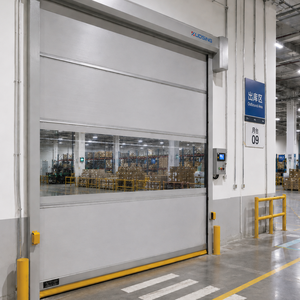
Heavy Industrial Rapid Door Fire Rated Safety Exit Passage
- High-speed industrial egress containment
- Automated fire curtain linkage module
Precision-crafted certified emergency exit assemblies combining thermal break aluminum profiles, intumescent seals, and UL/CE panic hardware for guaranteed life-safety performance.
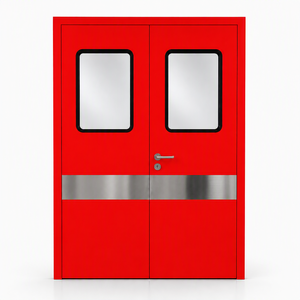
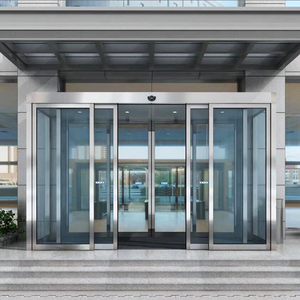
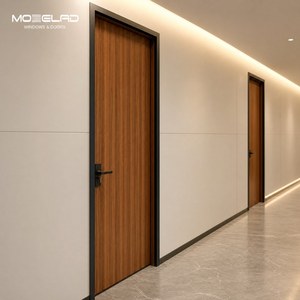
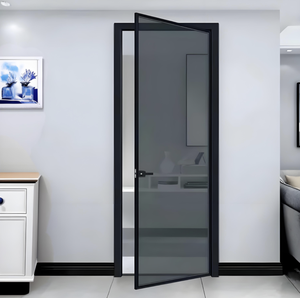
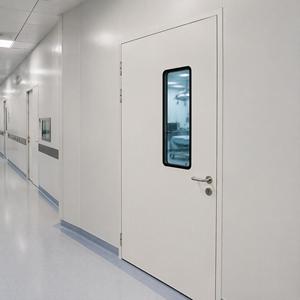
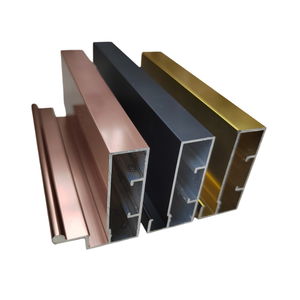
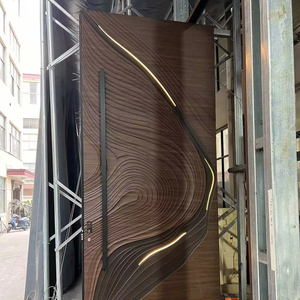
When selecting a reliable CE certified aluminium fire exit doors exporter, commercial project directors and MEP consultants must look beyond surface aesthetics to critical structural parameters. Under the European standard EN 1634-1, fire containment door assemblies are evaluated under furnace conditions conforming to standard time-temperature curves reaching over 945°C. For aluminum profiles—which naturally exhibit a thermal melting threshold near 660°C—certification requires advanced structural reinforcement.
DERCHI addresses this through polyamide thermal break systems reinforced with multi-cavity ceramic fire-stopping inserts, high-density mineral fiber cores, and expandable graphite-based intumescent seals. In the event of a thermal event, the intumescent gaskets expand up to 25 times their initial volume, hermetically blocking smoke, toxic combustion fumes, and radiant thermal energy from penetrating stairwells and escape vestibules. Furthermore, compliance with EN 1125 (for panic exit devices operated by horizontal push bars) ensures immediate egress actuation even when fully occupied corridors create high outward physical pressure.
Operating from China's leading architectural metal fabrication cluster in Foshan, Guangdong, we deliver uncompromised traceability, custom-tailored fabrication, and rigorous batch certification.
Products are subjected to multi-point laboratory audits, fulfilling CE, ISO 9001, AS 2047 cyclonic tests, and UL standards with verifiable mill test certificates and full batch test documentation.
Our dedicated engineering department supplies complete architectural shop drawings, structural thermal calculations, and CAD layout submittals tailored to commercial door schedules.
Utilizing high-grade architectural alloys and fluorocarbon PVDF powder coatings that exceed 2,000 hours of neutral salt spray testing, our doors thrive in extreme coastal and monsoon environments.
Exporting direct on FOB/CIF terms via deepwater ports with heavy-duty fumigated wooden crates, reinforced corner impact protection, and real-time project managers working in client timezones.
How evolving building codes, IoT integration, and ESG carbon mandates are transforming the global aluminium fire exit door landscape.
Traditional mechanical crash bars are being supplanted by smart electrified access systems tied to centralized Building Management Systems (BMS). In fire emergencies, intelligent locks release fail-safe mechanisms while communicating zoning telemetry to central alarm networks, allowing simultaneous evacuation and containment without manual intervention.
Modern architectural design demands high visual transparency. The market is shifting from opaque steel slabs toward ultra-narrow, thermally insulated aluminum frames equipped with intumescent gel interlayered fire glass (A30/A60/EI60). These systems offer 60+ minutes of fire insulation while permitting natural light ingress into evacuation stairwells.
Green building standards (LEED v4, BREEAM) are creating strict low-carbon thresholds. Procurement leaders now demand Environmental Product Declarations (EPD). Exporters must provide aluminum extrusions utilizing high-percentage post-consumer recycled billets powered by clean hydroelectric smelting, reducing embodied carbon by up to 65%.
Procuring fire exit doors internationally requires absolute precision to prevent costly customs impounds and code rejection during building occupancy inspections. Key procurement steps include:
Detailed answers to complex compliance, structural fabrication, and logistics inquiries commonly posed by project architects and quantity surveyors.
Under EN 13501-2 standards, E (Integrity) indicates the door's capacity to physically stop flames and hot gas breakthrough. EW (Radiation) measures integrity while limiting transmitted radiant heat below a critical threshold (typically 15 kW/m²). EI (Insulation) represents the highest performance class, keeping the unexposed door surface cool (average rise <140°C) to prevent immediate flashover ignition and allow safe tactile contact during building escape.
While galvanized steel is common, modern high-grade 6063-T6 aluminum alloys provide superior corrosion resistance in tropical, coastal, and high-humidity environments where steel rusts over time. Furthermore, precision-extruded aluminum allows internal multi-chambered thermal breaks, clean acoustic dampening, sophisticated concealed hardware integration, and dramatically lower lifetime maintenance overhead.
Yes. Our engineering division provides end-to-end technical submittals, including full DWG cross-sections, fixing anchor details, opening clearances, hardware wiring schematics for access control, and 3D BIM assets ready to insert directly into architectural project workflows.
Our panic hardware assemblies are rigorously tested to EN 1125 (for public assembly buildings requiring intuitive horizontal push pad/bar action) and EN 179 (for non-public commercial spaces with trained personnel). We also offer UL 305 and ANSI/BHMA Grade 1 rim, surface vertical rod, and mortise exit systems.
Every fire exit door leaf is protected with high-adhesion scratch-proof protective film, high-density polyethylene edge guards, waterproof bubble cushioning, and packed into reinforced fumigated wooden crates with internal timber bracing to prevent shifting, torsion bending, and moisture ingress across long ocean transit routes.
With our 180,000 m² advanced fabrication base and 600+ personnel, standard containerized project orders (100–300 units) maintain an average manufacturing window of 25 to 35 calendar days following shop drawing sign-off and finish sample approval.
Connect directly with our senior architectural export engineering division for CAD shop drawings, factory-direct quotations, certified test reports, and customized project schedules.