Featured Commercial & Residential Fenestration Systems
Direct from our automated 180,000 m² Foshan fabrication hub, our precision architectural systems meet rigorous structural, air permeability, water tightness, and cyclonic resistance parameters worldwide.
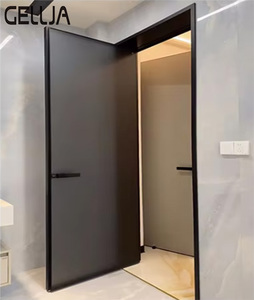
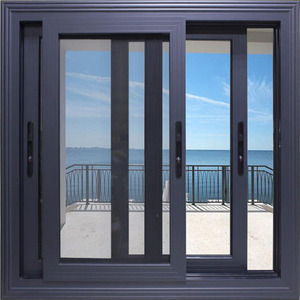
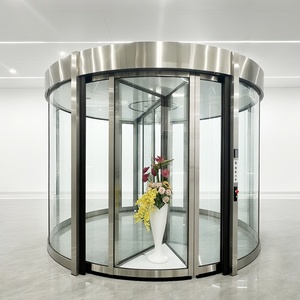
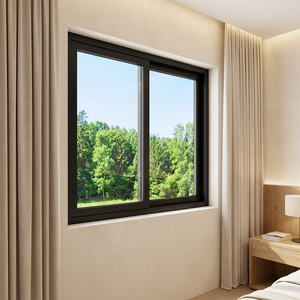
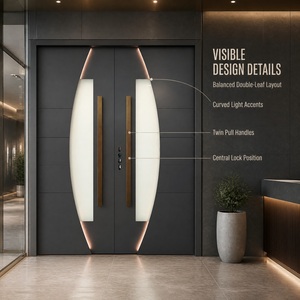
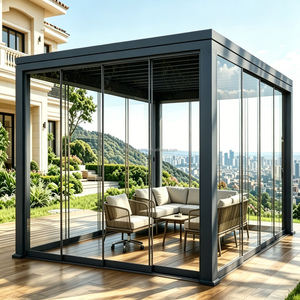
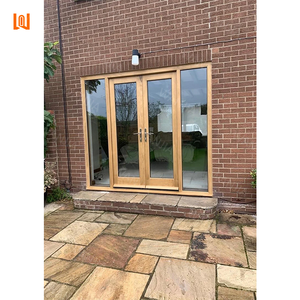
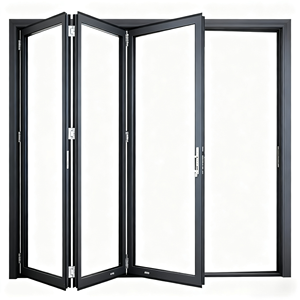
Engineering Taxonomy: Architectural Aluminium Kitchen Stable Doors
Often designated as "Dutch doors" or "split-leaf systems" within commercial and high-end residential specifications, aluminium kitchen stable doors bridge structural perimeter security with flexible microclimate management.
Thermodynamic Decoupling & Independent Leaf Kinematics
Modern culinary environments generate intensive thermal variations, particulate steam, and dynamic kitchen negative air pressure generated by high-velocity extraction hoods. Traditional timber stable doors inevitably fail under these hydrothermal shifts: wood fibers warp, moisture alters frame squareness, and inter-leaf weather-stripping delaminates, producing unacceptable infiltration drafts.
Our CE certified aluminium kitchen stable doors resolve these critical failure modes by deploying 6063-T6 architectural grade structural extrusions fitted with glass fiber reinforced polyamide (PA66 GF25) thermal break barriers. The dual independently operable leaves allow the upper sash to hinge inward or outward for rapid convective cooling, odor dissipation, and culinary garden connectivity, while the lower leaf remains rigidly anchored to safeguard indoor hygiene, child safety, and perimeter integrity.
Continuous Inter-Leaf Perimeter Rebate
Unlike makeshift field modifications, factory-engineered stable doors incorporate dual continuous vulcanized EPDM compression seals and secondary co-extruded acoustic baffles along the meeting rail. When locked in unified mode via the heavy-duty intermediate sash coupler, the assembly achieves Class 4 Air Permeability under EN 12207.
Multi-Point Micro-Tolerance Hardware
Both the upper and lower leaves are driven by independent German-engineered multi-point mushroom-head locking cams coupled to a single master euro-profile cylinder. Hardened steel anti-drill plates and anti-lift pin hinges resist pry-bar forces, satisfying European RC2/RC3 intruder resistance standards under EN 1627.
Drainage Sub-Sills with Capillary Breaks
Kitchen thresholds require flush barrier-free transit while resisting driving torrential rains. Our profile dies integrate internal pressure-equalized cascading drainage channels and concealed PVC check-valves, eliminating inward water regurgitation up to 600 Pa (Class 9A under EN 12208) even when exposed to high storm wind-pressures.
DERCHI / Dejiyoupin: Global Scale from Foshan's Premier Cluster
Leveraging Guangdong Dejiyoupin Doors and Windows Co., Ltd.'s Tier-1 industrial standing, our fenestration manufacturing infrastructure provides end-to-end traceability for international specifiers, commercial contractors, and regional distributors.
Direct Extrusion & Advanced CNC Robotics
Occupying a vast 180,000 m² footprint with more than 600 skilled technicians, our plant controls billet smelting, precision extrusion sizing, aging oven temper management, and 5-axis German CNC milling. Corner joints are crimped using automated hydraulic compound injectors with stainless steel alignment angle keys for zero-deflection door leaf rigidity.
Complete Factory Testing & CE Documentation
We operate in-house cyclic wind load testing chambers, laser air infiltration analyzers, and saline spray test tanks simulating 3,000+ hours of coastal atmospheric degradation. Every commercial batch ships with an authentic CE Declaration of Performance (DoP), factory FPC inspection logs, and glass safety certificates.
International Project Track Record
Backed by over 25 years of global export across demanding building code jurisdictions—including the United States, Australia (AS 2047 cyclonic testing), the United Kingdom, Canada, and the Middle East—our engineering office offers full shop drawing conversions, BIM Revit families, and custom crating optimized for 20ft/40ft container freight.
Technical Specification & Regulatory Benchmark Matrix
Verified empirical performance figures comparing DERCHI CE-certified thermal-break aluminium kitchen stable doors with standard commercial doors and legacy timber fabrications.
| Performance Criterion | Test Standard / Regulatory Protocol | DERCHI Aluminium Kitchen Stable Door | Standard Non-Thermal Aluminum | Hardwood Timber Stable Door |
|---|---|---|---|---|
| Thermal Transmittance (U-Value) | EN ISO 10077-1 / EN ISO 10077-2 | Uw 1.1 – 1.4 W/m²K (Warm-edge double/triple Low-E) | Uw 3.8 – 4.8 W/m²K (Excessive thermal bridging) | Uw 2.2 – 2.9 W/m²K (Prone to joint gaps) |
| Air Permeability | EN 1026 / EN 12207 | Class 4 (600 Pa test pressure) | Class 2 (300 Pa) | Class 1 – 2 (Substantial perimeter leakage) |
| Watertightness Under Storm Loads | EN 1027 / EN 12208 | Class 9A / E1050 (Cascading threshold drainage) | Class 5A (200 Pa) | Class 4A (Threshold rot hazard) |
| Wind Load Deflection | EN 12211 / EN 12210 | Class C5 (2000 Pa design wind pressure) | Class B3 (1200 Pa) | Class C2 (Sash warping over time) |
| Acoustic Attenuation (Rw / STC) | EN ISO 10140-2 / ISO 717-1 | Rw 36 – 42 dB (Argon filled laminated IGUs) | Rw 25 – 28 dB | Rw 28 – 31 dB (Compromised meeting rail) |
| Surface Corrosion Durability | EN 12206-1 / Qualicoat Class 2 | 3,000+ Hrs Salt Spray (AAMA 2605 Fluorocarbon) | 500 Hrs (Standard industrial paint) | Requires regular varnishing/repainting |
| Dimensional Stability in Kitchen Moisture | Hydrothermal Cycling ASTM D2126 | Zero dimensional shift (No swelling, binding, or rot) | Negligible expansion | Significant expansion/binding (4% - 8%) |
Future B2B Procurement Trends in Fenestration Supply Chains
Commercial supply chain decision-makers and architectural developers are shifting from spot buying toward data-driven, sustainable, and factory-integrated manufacturing agreements.
Decarbonized Circular Aluminium (Low Embodied Carbon)
European Green Deal directives, CBAM (Carbon Border Adjustment Mechanism), and LEED v4.1 certification demand transparent Environmental Product Declarations (EPDs). Procuring organizations are increasingly requiring Aluminium Stewardship Initiative (ASI) chain-of-custody certified profiles melted with renewable hydroelectric power, cutting embodied carbon emissions below 4.0 kg CO2e per kg of finished alloy.
Full-Lifecycle BIM Model Integration
Global tier-one general contractors now require fenestration tenders to deliver Level of Development (LOD) 350 to 400 BIM objects. Our in-house technical engineering team generates comprehensive Autodesk Revit parametric assets detailing structural perimeter connection clips, cavity reveal dimensions, and MEP interlocks before production begins.
Offsite Pre-Glazed Monobloc Prefabrication
Mounting jobsite labor costs across North America, Europe, and Australasia are prompting contractors to avoid on-site glazing and sub-assembly fitting. Our factory pre-hung unitized systems ship fully glazed, gasketed, and hardware-calibrated within rigid steel mounting sub-frames, reducing on-site installation time down to less than 45 minutes per opening.
Key Technological Developments in Stable Door Systems
How modern mechanical engineering, metallurgical precision, and smart building automation are reshaping kitchen stable doors.
Concealed 3D Hinge Integration
Traditional bulky face-mounted butt hinges disrupt architectural sightlines and present security vulnerabilities. Modern high-load systems use precision-machined concealed 3D-adjustable hinges fabricated from zinc alloy and austenitic stainless steel. Supporting up to 160 kg per leaf, these units permit independent micrometer adjustment across lateral, vertical, and compression axes without sash unhanging.
Smart Motorized Upper-Leaf Transom Actuation
To coordinate with building management systems (BMS) and intelligent kitchen ventilation hoods, the top sash can now integrate concealed 24V linear spindle chain actuators. When gas cooktops or high-velocity range vents engage, the upper sash automatically tilts or swings outward to supply replacement air, equalizing indoor pressure and exhausting VOCs smoothly.
Integrated Thermal Break Flyscreen Cassettes
Opening an upper leaf in food-handling zones creates potential pest and insect ingress issues. Modern kitchen stable doors resolve this by machining an integrated secondary thermal cavity within the exterior frame reveal. This accommodates retractable pleated high-tensile 316 marine-grade stainless steel wire mesh cassettes that preserve 82% natural airflow while blocking insects and airborne particulates.
Technical & Commercial FAQ for B2B Importers
Essential answers addressing structural compliance, factory quality controls, certification protocols, and logistics for international fenestration buyers.
Initiate Your Commercial Quotation & Engineering Consultation
Partner directly with a proven Tier-1 fenestration manufacturer. Connect with our multilingual structural engineering team in Foshan to receive comprehensive CAD shop drawings, CE test documentation, and volume FOB/CIF freight estimates within 24 business hours.