NFRC Hurricane Impact
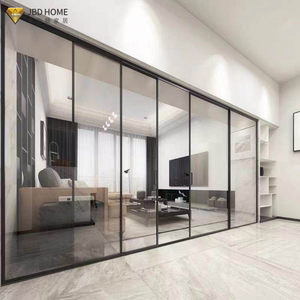
Direct from our 180,000 m² smart fabrication base: precision extruded 6063-T5/T6 aluminium sliding systems, bi-folding louvres, and thermal break fenestration engineered to meet stringent European (CE EN 14351-1), North American (NFRC), and Australian (AS2047) standards.
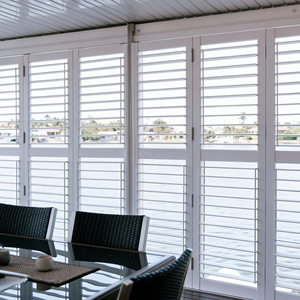
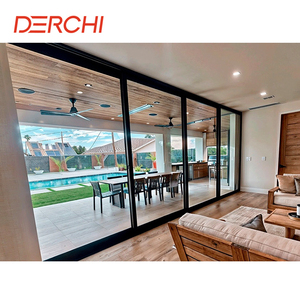
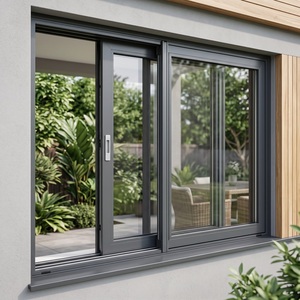
Evaluating the intersection of European Harmonised Standards, thermal barrier chemistry, electrostatic powder polymers, and cyclical fatigue mechanics for institutional developers.
Compliance with the European Construction Products Regulation (CPR 305/2011) mandates verifiable testing under EN 14351-1. Our powder coated aluminium sliding windows undergo stringent mechanical testing covering Air Permeability (EN 12207 Class 4), Watertightness (EN 12208 Class 9A / E1050), and Resistance to Wind Load (EN 12210 Class C5). Complete Declaration of Performance (DoP) dossiers accompany every export consignment.
Surface degradation from UV photolysis and industrial salinity poses catastrophic risks to envelope aesthetics. We apply architectural polyester and fluorocarbon thermoset powders using automated vertical electrostatic lines. Compliant with Qualicoat Class 2 / AAMA 2604/2605, our finishes sustain 1,000+ hours of acetic acid salt spray (AASS) and accelerated Florida 3-year weathering with gloss retention > 50% and color shift ΔE < 5.
To eliminate interior dew-point condensation and optimize building envelope Uw-values below 1.4 W/(m²·K), our systems incorporate multi-cavity polyamide 66 reinforced with 25% glass fibre (PA66GF25). Knurled extrusion channels ensure mechanical shear resistance exceeding 70 N/mm according to EN 14024, preventing structural bimetallic delamination across extreme seasonal thermal differentials.
Recognized among China's elite fenestration manufacturers, Guangdong Dejiyoupin Doors and Windows Co., Ltd. (DERCHI) operates from Foshan, Guangdong—the core cluster of global architectural aluminium engineering. Spanning over 180,000 square meters of vertically integrated fabrication, our facilities manage every phase: from structural alloy billet extrusion and automated multi-head CNC machining to precision corner-crimping, continuous automated powder coating, and robotic gasket insertion.
Holding over 30 utility patents and certified under CE, ISO 9001, AS 2047, and UL fire performance criteria, we offer turnkey technical support, proprietary BIM object models, structural wind load FEA modeling, and certified CAD shop drawings for architects, tier-one general contractors, and overseas facade importers.

A granular technical comparison showcasing the engineering differentials that prevent water ingress, air infiltration, and coating failure in high-load commercial installations.
| Performance Parameter | Generic Commercial Sliding Window | DERCHI CE Certified System (EN 14351-1) | Engineering Benefit |
|---|---|---|---|
| Aluminium Substrate | Recycled or mixed alloy < 1.4 mm wall thickness | Primary 6063-T5 / 6063-T6 billet; 1.6 mm - 2.2 mm structural wall | Eliminates structural frame deflection under severe positive/negative wind loads. |
| Powder Coating Chemistry | Standard architectural polyester (40 - 50 μm) | Qualicoat Class 2 / Super-Durable TGIC-free Polyester (60 - 80 μm) | Prevents micro-cracking, chalking, and UV discoloration in maritime or desert zones. |
| Thermal Interruption | Non-thermal or low-grade PVC strips | Technoform® PA66GF25 structural polyamide struts (14.8 mm - 24 mm) | Achieves overall system Uw values down to 1.3 W/(m²·K); stops interior condensation. |
| Watertightness Rating | Class 4A (150 Pa water test limit) | Class 9A / E1050 (Up to 1050 Pa cyclic pulsating spray) | High-sill stepped drainage chambers prevent monsoon-level water backup and internal leakage. |
| Roller & Carriage Hardware | Nylon wheels on mill tracks; 50 kg max load | Quadruple tandem 304/316 SS bearings on CNC inlaid tracks; 250 - 400 kg | Silky smooth 150,000-cycle glide even on oversized triple-glazed floor-to-ceiling sashes. |
| Air Tightness & Gaskets | Woven polypropylene pile weatherstripping | Continuous cellular EPDM vulcanized corner co-extruded gaskets | EN 12207 Class 4 air seal, drastically lowering HVAC cooling and heating energy waste. |
Where international fenestration specifications are heading across the next 3 to 7 years in institutional architecture, sustainable procurement, and smart building interfaces.
Global procurement mandates under EU CBAM (Carbon Border Adjustment Mechanism) and LEED v4.1 are forcing general contractors to demand certified Low-Carbon Aluminium. Future procurement will require manufacturers to supply certified recycled billet ratios (≥ 75% recycled scrap or hydro-powered smelting) with verified Environmental Product Declarations (EPDs).
Architectural demand has shifted decisively from bulky commercial sightlines to ultra-minimalist geometries. Future sliding window systems incorporate interlocks as narrow as 18 mm to 24 mm, recessed bottom track flush sills, and embedded lintel pockets that yield glass-to-frame ratios surpassing 92% without sacrificing structural moment of inertia (Ix > 25 cm⁴).
Motorized automated sliding windows are transitioning from noisy belt-driven setups to brush-less linear motor drives and concealed maglev tracking. Integrating via KNX, BACnet, or Zigbee building management systems (BMS), these systems execute automated purge-ventilation routines synchronized with indoor air quality (CO₂/VOC) sensors.
With stringent building regulations worldwide (e.g., German EnEV/GEG, US IECC 2024), procurement requirements are shifting toward 42 mm+ insulated glazing units (IGUs) incorporating argon gas fills, stainless steel warm-edge spacer bars, and hybrid Vacuum Insulated Glass (VIG) capable of achieving center-of-glass Ug values below 0.6 W/(m²·K).
Tier-1 contractors and regional distributors are bypassing trading intermediaries to establish direct OEM/ODM supply partnerships with vertically integrated Foshan manufacturing hubs. This eliminates margin stacking, secures mill-direct pricing, ensures uninterrupted batch powder coating continuity, and simplifies technical accountability.
Clear, engineering-backed guidance on testing standards, custom finishes, seaworthy container packaging, and international export logistics.
Verified International Testing, Quality & Safety Compliance

Connect directly with our senior fenestration facade engineers. Request complete CE test reports, free CAD shop drawings, acoustic assessments, and mill-direct project estimations within 24 hours.