 CE • ISO 9001
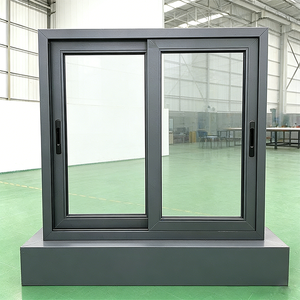
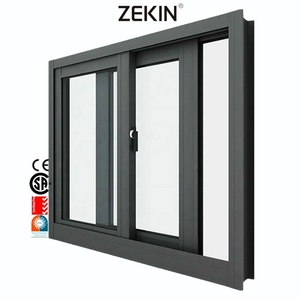
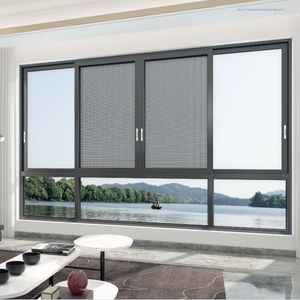
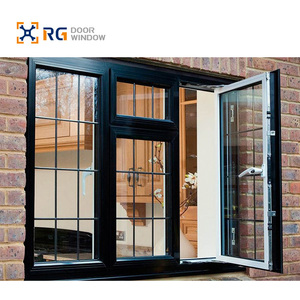
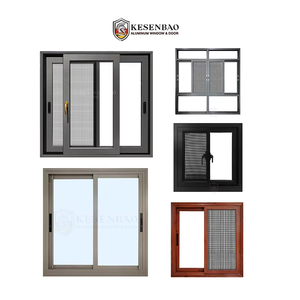
Customized Energy-Efficient Double Glazed Sliding Aluminum Windows Modern Design For Kenya Homes & Apartments
- Double Glazing 5mm+12A+5mm Tempered
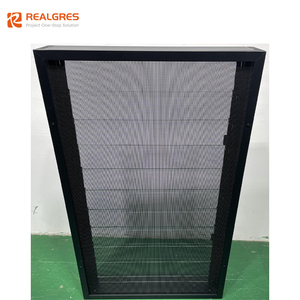
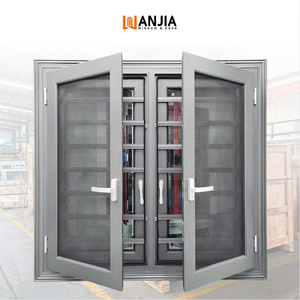
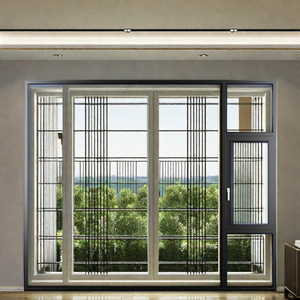
- Integrated Heavy Stainless Steel Jali Mesh
Precision fabricated utilizing high-tensile 6063-T5/T6 alloy, thermally broken extrusions, integrated multi-point locking mechanisms, and high-tensile anti-insect/anti-intrusion screening meshes.
CE • ISO 9001
 AS2047 • NFRC
 CE • EN 14351
 Architectural Jali
 CE Certified
 Passivhaus Ready
 UL • CE Standard
 EN 12207 Class 4
In modern architectural fenestration, the term Jali has evolved from traditional carved stone latticework into precision-engineered, dual-barrier aluminum fenestration systems. These systems incorporate structural architectural aluminium extrusions with integrated high-tensile security grilles, stainless steel micro-perforated mesh screens, or CNC-machined dynamic geometric shading louvers. Securing genuine CE Certification under EN 14351-1:2006+A2:2016 (Windows and doors - Product standard, performance characteristics) requires rigorous conformity evaluation across mechanical strength, air permeability, water tightness, structural wind resistance, acoustic dampening, and thermal transmittance.
For mid-rise and high-rise tropical, coastal, and monsoon architectural installations (from Mumbai, Chennai, and Colombo to Manila and coastal Australia), windows must withstand cyclical positive and negative aerodynamic wind pressures without permanent sash deflection. DERCHI aluminum jali windows are tested to exceed AS 2047 Class N6 (cyclonic design wind pressure > 4500 Pa) and European standard EN 12210 Class C5.
Air permeability is tightly governed through multi-point perimeter compression gear cams (European standard groove hardware) engaging with continuous, vulcanized ternary ethylene propylene diene monomer (EPDM) synthetic rubber weatherstripping. Water tightness is maintained via stepped differential pressure drainage channels within the lower sill sub-frame, channeling heavy driven rains (up to 900 Pa per EN 12208 Class 9A/E900) outward via gravity-assisted one-way weep flap valves.
| Performance Category | Harmonized Testing Standard | Standard Grade Performance | DERCHI Jali Engineering Level |
|---|---|---|---|
| Thermal Transmittance (Uw) | EN ISO 10077-1 / EN ISO 10077-2 | 2.8 – 3.2 W/(m²•K) | 1.1 – 1.6 W/(m²•K) (PA66-GF25 Thermal Break) |
| Air Tightness / Permeability | EN 12207 / EN 1026 | Class 2 (300 Pa) | Class 4 (≥ 600 Pa Max Pressure) |
| Water Tightness (Under Pressure) | EN 12208 / EN 1027 | Class 4A (150 Pa) | Class E900 (≥ 900 Pa Cyclonic Resistance) |
| Structural Wind Resistance | EN 12210 / AS 2047 / ASTM E330 | Class 2 (800 Pa) | Class C5 / AS2047 N6 (≥ 4500 Pa) |
| Burglary / Forced-Entry Resistance | EN 1627 – EN 1630 / PAS 24 | Uncertified Screen | RC2 / RC3 Certified (Anti-Pry Frame) |
| Acoustic Insulation (Rw, C; Ctr) | EN ISO 10140-2 / ISO 717-1 | 28 – 32 dB | 38 – 43 dB (Acoustic PVB Lamination) |
| Screen Tensile & Shear Strength | AS 5039 / AS 5041 (Knife Shear Test) | Standard Mesh (Fails Shear) | 0.8mm – 1.0mm 316 Marine Stainless Wire |
Extrusion profiles must withstand microclimates burdened by aggressive airborne chlorides, fine desert silica, and high ultraviolet (UV) radiation indices. DERCHI uses primary architectural aluminum ingot complying with ASTM B221 and EN 573-3, avoiding recycled scrap contaminated with excess iron (Fe), which compromises fracture toughness during corner crimping. The surface is protected by electrostatic application of AkzoNobel or PPG fluorocarbon PVDF coatings (AAMA 2605 compliant) or marine-anodized class 25 μm coatings. This ensures a 30-year resistance against chalking, micro-cracking, and filiform corrosion in high-salinity marine environments.
Direct manufacturer operation within Foshan, Guangdong—China’s global aluminum fenestration hub—eliminating intermediary trading markups and ensuring complete upstream material traceability.
Our complete fenestration assemblies carry CE EN 14351-1, ISO 9001:2015, Australian AS 2047, and UL fire-rated standards. Comprehensive test reports are provided for consultant approval.
In-house facade engineers deliver comprehensive shop drawings, structural wind load calculations, and BIM models tailored to specific architectural requirements and Vastu guidelines.
Seamless FOB / CIF logistics service to key global cargo hubs.
Reinforced fumigated plywood export crates protect delicate powder-coated profiles, thermal-break strips, and tempered insulated glass during long-distance maritime shipping. Our English-speaking project logistics team manages container loading, export customs clearance, and port deliveries to Nhava Sheva, Mundra, Chennai, Karachi, Chittagong, Colombo, Jebel Ali, Mombasa, and Latin American terminals.
How architectural demand, stricter energy conservation codes, and urban security standards are reshaping commercial fenestration procurement globally.
Global building efficiency regulations (such as EU EPBD, India ECBC, and Middle Eastern Estidama) are pushing allowable U-values lower. Procurement managers are shifting from non-thermal aluminum to minimum 24mm–34mm multi-chamber fiberglass-reinforced polyamide thermal breaks (PA66-GF25), reducing whole-building air conditioning loads by up to 34%.
Post-pandemic commercial and residential architectural designs prioritize continuous passive natural air exchange without compromising personal safety or allowing insect vectors. High-tensile 316-grade woven stainless wire screens coated in nano-hydrophobic powders provide 68% clear aperture daylight transmission while stopping even micro-midges and mosquitoes.
With urbanization expanding rapidly along tropical coastal corridors, standard powder coatings often degrade within 36 months. Future procurement demands pre-treatment anodizing combined with Qualicoat Class 3 superdurable powders or fluorocarbon PVDF resins capable of surviving 4,000+ hours of continuous ASTM B117 neutral salt spray testing.
The convergence of smart buildings and direct factory procurement: Modern luxury developments increasingly specify motorized conceal-drive jali actuators linked directly to the Central Building Management System (BMS) or Zigbee/Matter IoT ecosystems, closing screens automatically during dust storms or monsoons. Concurrently, commercial property developers are actively bypassing intermediate retail trading companies, purchasing customized, container-consolidated fenestration packages (windows, entry doors, curtain walls, and garage systems) directly from certified Tier-1 Foshan manufacturers to reduce lead times and control procurement budgets.
Direct technical clarity for project architects, facade consultants, commercial contractors, and international importers.
Genuine CE Certification under EN 14351-1 requires full third-party laboratory typetesting of the assembled system. This covers mechanical load resistance, structural wind deflections, gas tightness, cyclic operating fatigue (20,000 opening cycles), and thermal simulation modeling. Local aftermarket fabrications typically fit an unrated perforated sheet into standard residential framing without thermal isolation or validated wind load engineering.
DERCHI systems integrate high-flow pressure-equalized sill chambers with hidden cascade weep holes. Even under wind-driven rainfall pressures exceeding 700 to 900 Pa, dynamic atmospheric pressure inside the sash balance chamber prevents water from backing up, safely directing all precipitation outward without penetrating the interior jali screen.
Yes. Utilizing multi-axis CNC laser cutting and architectural aluminum casting, we reproduce custom geometric, Islamic Mashrabiya, or modern minimalist lattice designs from architectural DWG/DXF vector files. All designs are scaled to precise window schedule dimensions while maintaining structural cross-sectional stiffness.
We configure high-tensile 304 or marine-grade 316 stainless steel wire mesh with a nominal wire diameter of 0.80mm to 1.0mm, woven into a balanced 11x11 or 12x12 mesh count per square inch. This assembly resists knife shear testing (AS 5041) and blunt dynamic impacts up to 100 Joules without pulling out of the structural clamping rebate.
We employ continuous polyamide 66 reinforced with 25% chopped glass fiber (PA66-GF25), knurled and crimped mechanically between the inner and outer architectural aluminum profile extrusions. This breaks the conductive heat pathway, eliminating condensation sweating in humid conditions and keeping interior air conditioning loads low.
Upon final sign-off on CAD shop drawings and color swatch approvals, standard factory production takes 25 to 35 business days for a 20ft/40ft HQ container. Custom CNC extruded dies or specialized color anodizing cycles require an additional 7 to 10 days.
Direct contact between bare stainless steel and aluminum induces accelerated galvanic corrosion. We insert co-extruded Santoprene non-conductive PVC isolation boots and insulated compression gaskets around the perimeter of every jali security mesh sheet, eliminating metal-to-metal galvanic transfer.
Yes. Our engineering department commonly configures opening sashes, hinge swings, and clear-view daylight openings to comply precisely with Indian Vastu Shastra rules, ensuring positive energy alignment without compromising egress or structural integrity.
We offer double and triple insulated glazing units (IGUs) up to 42mm total thickness, including Low-Emissivity (Low-E) soft coatings, Argon gas fills, warm-edge spacers, and acoustic polyvinyl butyral (PVB) or SentryGlas (SGP) laminated safety assemblies.
Every commercial container shipment is accompanied by a full technical package: CE Declaration of Performance (DoP), factory mill test certificates (EN 10204 3.1), glass IGCC/CE test certificates, assembly shop drawings, warranty certificates, and complete export packing lists.