Engineered Aluminum & Glass Architectural Door Systems
Direct from our Foshan production facility: heavy-duty kitchen entrance partitions, slimline cabinet glazing, interior acoustic pocket dividers, and hurricane-rated fenestration tested to global construction codes.
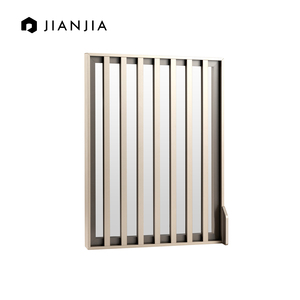
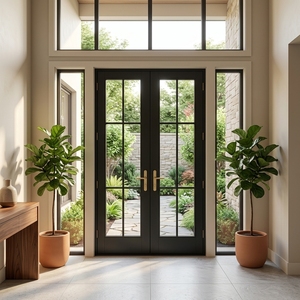
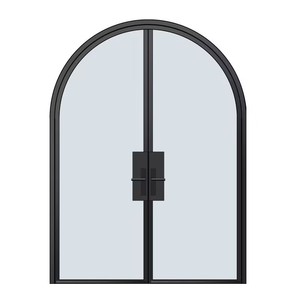
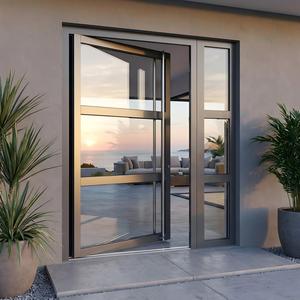
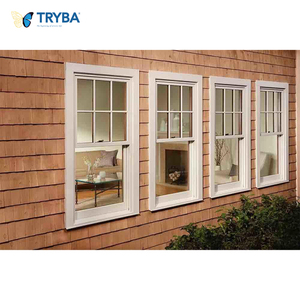
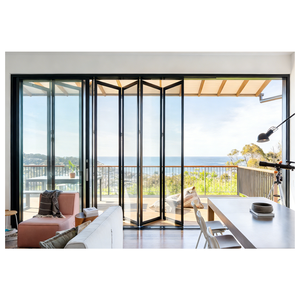
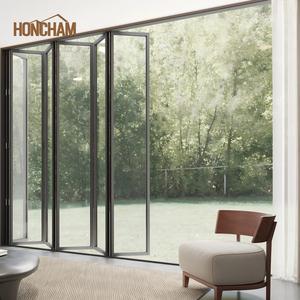
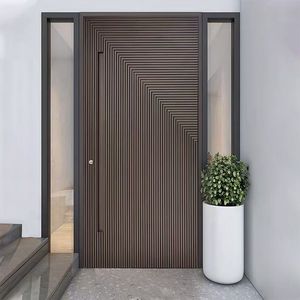
Direct Manufacturing Strengths: Foshan Production Base
Guangdong Dejiyoupin Doors and Windows Co., Ltd. (DERCHI) represents the pinnacle of Chinese architectural fenestration engineering. Operating from Shishan Town, Foshan, we integrate foundry, thermal extrusion, CNC precision machining, and automated glazing assembly.

Full-Scale Vertical Production
Unlike regional assemblers or trading middlemen, DERCHI controls primary billet casting, proprietary die extrusion, automated anodizing, and multi-axis CNC milling, ensuring ±0.5mm profile tolerance across large contract batches.

International Compliance & Testing
Our kitchen door assemblies are strictly tested to CE, AS 2047, ISO 9001, and UL fire classifications. Every door batch undergoes cycle-fatigue tests exceeding 100,000 opening/closing cycles prior to export packing.

Complete Engineering Submittals
We provide complimentary parametric BIM objects, AutoCAD 2D/3D shop drawings, structural wind-load calculations, and custom extrusion tooling for architects, general contractors, and luxury millwork studios.
Technical Comparison: Architectural Profiles vs. Commodity Systems
Kitchen environments expose doors to high humidity, temperature differentials, airborne cooking oils, and continuous cycle usage. Sourcing architectural-grade doors requires strict metallurgical and mechanical compliance.
| Evaluation Parameter | DERCHI Factory Specification | Generic Commodity Door Supplier | Architectural Impact |
|---|---|---|---|
| Alloy Metallurgy & Purity | Virgin 6063-T6 / 6061-T6 Primary Aluminum Billet | Recycled secondary scrap aluminum | Zero Grain Distortion · 45% higher tensile resistance |
| Wall Profile Thickness | 2.0mm to 3.0mm structural wall gauge | 1.0mm to 1.2mm thin-wall profiles | Prevents frame sagging under heavy multi-pane laminated glass |
| Surface Treatment Standard | AkzoNobel Interpon D2525 PVDF / 25μm Hard Anodized | Standard decorative liquid spray painting | AAMA 2604/2605 · Oil, grease & acid condensation proof |
| Glazing Specification | 4mm–12mm SGCC / CE certified tempered or acoustic PVB | Non-tempered float glass or substandard resin lam | Impact protection, thermal shock resistance against grease splatter |
| Concealed Suspension Rollers | German-engineered POM quiet bearings (300kg rated) | Generic carbon steel or zinc wheels | Ultra-smooth gliding below 25dB, self-cleaning track design |
| Perimeter Weathersealing | Continuous EPDM compression gaskets & magnetic strips | Standard low-density wool pile brush strips | Complete olfactory isolation, dampening kitchen culinary odors |
Thermal & Acoustic Decoupling
Kitchen operations generate high ambient noise and significant thermal energy. Our continuous polyamide PA66 thermal breaks and acoustic PVB interlayers achieve acoustic attenuation up to STC 42dB, keeping living areas peaceful.
Narrow-Stile Minimalist Aesthetics
Utilizing high-tensile 6063-T6 extrusions allows our engineering team to reduce visible stile widths down to 16mm without sacrificing structural deflection limits, maximizing daylight transmission between living and culinary spaces.
Zero-Clearance Track Engineering
Our top-hung architectural systems require no disruptive floor channels. Recessed magnetic floor pins or concealed flush guide shoes eliminate trip hazards and grease-collecting tracks, creating barrier-free transitions.
Future Sourcing Trends in Architectural Kitchen Glazing
As global interior architecture evolves toward fluid, multifunctional living, commercial buyers and specifiers must navigate key technological and regulatory shifts reshaping the aluminum door industry.
Motorized Slide-and-Hide Automation
Commercial developers are moving toward smart IoT-connected linear magnetic motors. Kitchen pocket doors can glide open touch-free via motion detection, voice commands, or integration with high-velocity kitchen range hood exhaust systems.
Switchable PDLC Smart Privacy Glass
Liquid crystal glazing allows homeowners and restaurateurs to shift kitchen partitions from 90% crystalline optical transparency to complete frosted opacity in under 20 milliseconds, masking prep-area clutter during formal entertaining.
Certified Low-Carbon Hydro Aluminum
International environmental regulations require LEED and BREEAM lifecycle documentation. Leading Chinese manufacturers now offer EPD-certified extrusions produced via hydroelectric smelting, cutting embodied carbon emissions by over 60%.
Sublimated Architectural Powder Textures
Replacing plain metallic finishes, high-durability fluorocarbon powder coatings now incorporate tactile micro-sand textures, hyper-realistic 4D wood-grain sublimation, and anti-fingerprint nanocoatings resistant to grease and acidic detergents.
Specialty Laminated Glass Infill Combinations
Sourcing strategies increasingly specify hybrid glass infills: combining fluted/reeded architectural glass on the exterior with acoustic PVB interlayers and tempered Low-E backing for enhanced visual privacy, thermal control, and acoustic damping.
Ready-to-Assemble (RTA) Modular Kits
To reduce expensive on-site installation labor in North America, Europe, and Australia, Chinese factories deliver modular pre-hung assemblies with pre-machined lock pockets, clip-in glazing beads, and factory-calibrated roller cartridges.
Frequently Asked Questions for Project Specifiers & Importers
Essential technical insights, export protocols, and manufacturing standards addressed by our senior fenestration engineering team.