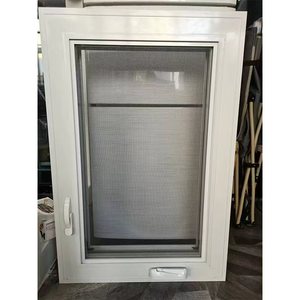
Burglar & Acoustic
Precision-manufactured with 6063-T5/T6 structural alloys, multi-point burglar-proof linkages, acoustic double-glazing, and integrated woven stainless steel safety wire mesh.
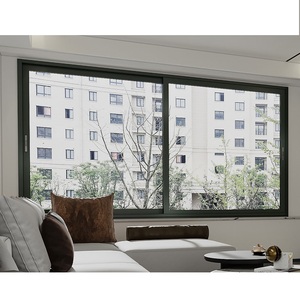
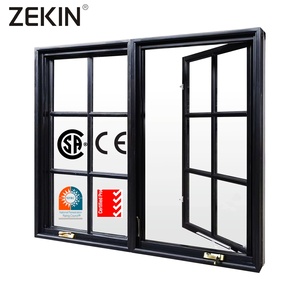
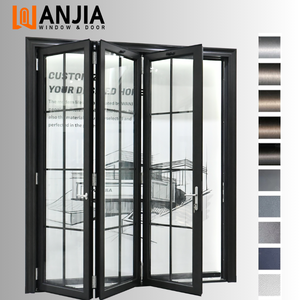
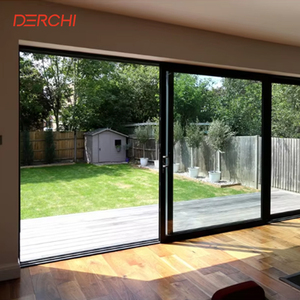
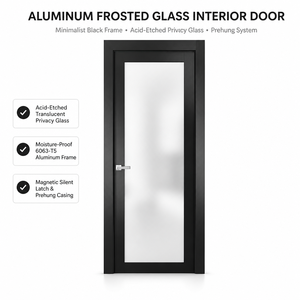
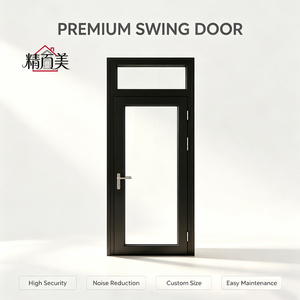
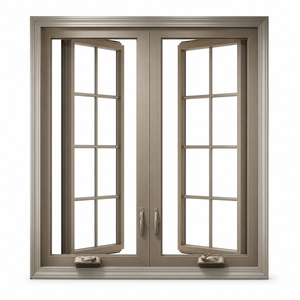
Evaluating structural integrity, metallurgical selections, and ballistic-grade tensile resistance behind world-class Chinese factory manufacturing.
Top-tier Chinese exporters utilize virgin 6063-T5 and structural 6061-T6 aluminum alloys. Extruded with a uniform profile wall thickness between 1.8mm and 3.0mm, these frames exceed commercial wind-load load ratings (AS 2047 N6 compliant up to 4500 Pa), eliminating thermal warping under aggressive exterior exposure.
Unlike standard fiberglass or aluminum screening, premium security sliding doors incorporate 0.8mm to 1.0mm high-tensile 316 stainless steel wire mesh woven at 11-12 mesh count per inch. With shear resistance exceeding 900 MPa, the assembly resists mechanical knife strikes, dynamic human impacts (AS 5041), and salty coastal air corrosion.
Top factories utilize a mechanical mechanical clamping system rather than surface screws or pop rivets. This locks the steel mesh into the internal aluminum groove. Combined with multi-point hook locks and tandem stainless steel bearing rollers rated for 200,000+ cycle fatigue, operation remains ultra-smooth without sagging.
How global building codes, energy transitions, and architectural demands are shaping global supply chains.
Global developers are moving away from secondary after-market bug screens. Contemporary specifications demand mono-frame, multi-track sliding systems where the primary glass leaf and structural security mesh leaf share an integrated thermal-break sub-frame, saving up to 40% in site installation labour.
With stringent global building envelope energy standards (U-values below 1.6 W/m²·K), top factories incorporate multi-cavity PA66 GF25 thermal breaks directly into the mesh-retaining outer profiles, preventing cold bridging in winter and blocking solar heat ingress during extreme desert summers.
Standard architectural powder coating is being replaced by architectural PVDF (fluorocarbon) and Qualicoat Class 2 super-durable thermosetting powders. In tropical monsoon and coastal regions (such as Mumbai, Colombo, Manila, and Miami), this prevents chalking, blistering, and saline corrosion for 25+ years.
Universal accessibility requirements demand barrier-free, flush floor transitions without sacrificing water evacuation capacity. Modern factory R&D incorporates sub-sill stainless steel cascade drainage gutters that handle up to 450 Pa water penetration pressure under hurricane driving rain.
Biometric fingerprint entry, facial recognition integration, and automated magnetic contact sensors are now integrated directly into the aluminum door mullion extrusion. Procurement managers demand pre-wired factory pathways for seamless connection to home automation systems.
Importers and high-volume project developers are increasingly bypassing third-party trading intermediaries. Direct partnerships with certified OEM/ODM manufacturers guarantee verifiable Mill Test Certificates (MTC), CAD shop drawing submittals, and unified batch quality control.
Decades of manufacturing capability verified across demanding commercial, residential, and institutional developments worldwide.

Source aluminum security mesh sliding doors, oversized pivot systems, curtain walls, and interior partitions under a single roof to optimize shipping container packing density and simplify global freight logistics.

Certified across CE, AS 2047, ISO 9001, and UL fire standards. Every production run undergoes automated salt-spray weathering, air infiltration, and cyclical static pressure validation prior to shipment.

Our dedicated engineering department converts complex architectural schematics into detailed shop drawings and BIM components, accommodating custom sightlines, heavy load profiles, and tailored structural anchoring.

Fluent technical sales engineers coordinate international trade terms (FOB, CIF, DDP) directly with regional port hubs worldwide, providing installation guidance, replacement components, and warranty guarantees.
Authoritative technical answers to common questions regarding specifications, tolerances, logistics, and durability.
While both offer high tensile strength against manual forced entry, AISI 316 stainless steel contains 2-3% molybdenum. This provides superior resistance to pitting and crevice corrosion caused by airborne chlorides in coastal areas (within 10 km of the sea). For maritime, humid tropical, or highly industrial zones, 316 mesh is essential to prevent tea-staining discoloration.
Quality exporters avoid adhesive tapes or surface pop-rivets. Instead, they use continuous aluminum retention wedge systems or internal mechanical clamping beads with non-corrosive fasteners. This mechanically traps the wire mesh edges around the entire leaf perimeter, evenly distributing dynamic load during forced-entry tests (meeting AS 5039 / AS 5041 standards).
Standard 0.8mm wire woven at 11 mesh per inch maintains an open area of approximately 42% to 45%. This permits natural cross-ventilation while stopping mosquitoes, midges, and pests. The black matte powder coating on the wire eliminates optical glare, giving transparent, unobstructed views outward while providing daytime privacy from the exterior.
Our export packing follows strict multi-barrier protocols: profile surfaces are wrapped with low-tack protective film, corners are shielded with high-density EVA foam caps, units are enclosed within moisture-resistant polyethylene wrap, and the assemblies are secured inside heavy-duty, fumigated solid-timber crates with internal perimeter bracing to withstand rough intermodal transport.
Submit your opening schedules, architectural drawings, or custom OEM requirements. Our Foshan engineering department will review your specifications and supply complete CAD cross-sections alongside a formal commercial proposal within 24 business hours.