B2B Fenestration Procurement Insight: Sourcing premium aluminum swing (casement) windows from tier-1 Chinese manufacturers offers substantial structural, thermal, and cost-efficiency advantages. This industry whitepaper outlines technical evaluation standards, custom manufacturing workflows, global code compliance (CE, NFRC, CSA, AS2047), and future procurement strategies for real estate developers, contractors, and architectural firms.
Flagship Fenestration & Door Showcase
Explore engineered aluminum swing windows, high-load casements, thermal break systems, and luxury exterior entrance solutions manufactured to international building standards.
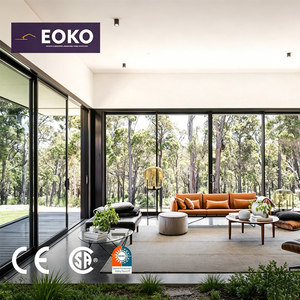
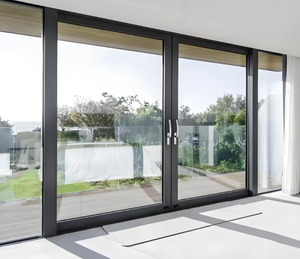
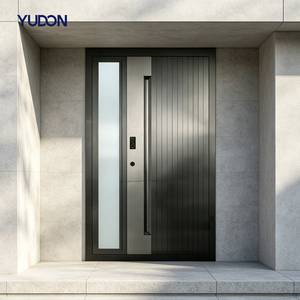
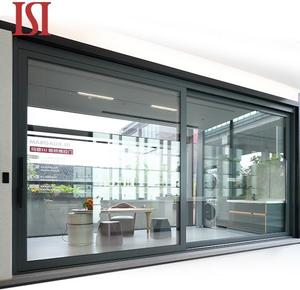
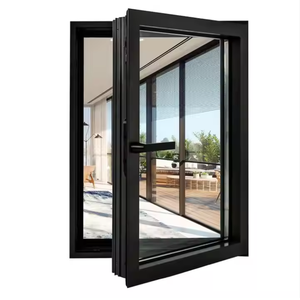
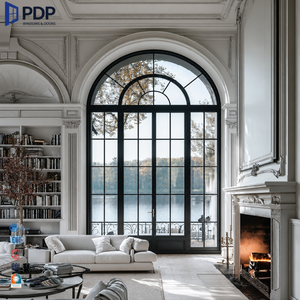
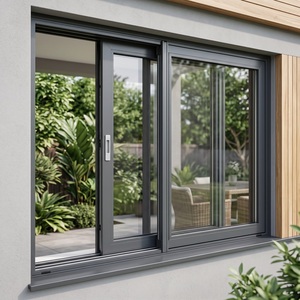
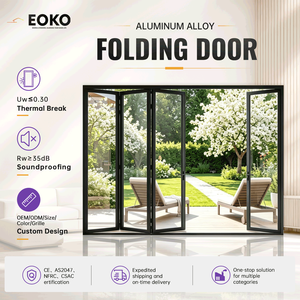
Engineering Whitepaper: The Evolution of Aluminum Swing Windows
Aluminum swing windows—commonly referred to in international architectural terminology as casement windows—have evolved from simple structural daylighting apertures into highly engineered building envelope components. Modern commercial and high-end residential architectural projects demand unprecedented thermal performance, acoustic attenuation, hurricane resistance, and structural longevity. Leading Chinese manufacturers located in premier industrial clusters such as Foshan, Guangdong, have re-engineered fenestration systems through continuous investment in precision extrusion, automated glass processing, and multi-layer thermal break technology.
Key Engineering Drivers Shaping Modern Swing Window Design:
- Polyamide Thermal Barrier Integration (PA66 Nylon Strips): Standard non-thermal break profiles allow rapid heat conduction through metal. Modern architectural-grade swing windows incorporate glass-fiber reinforced PA66 insulation strips (width ranging from 14.8mm up to 34mm) that break the thermal bridge between exterior and interior profile profiles, drastically reducing overall U-factors to meet Passive House and Net-Zero energy building codes.
- Multi-Chambered Extrusion Geometries: Premium extruded 6063-T5 / 6063-T6 aluminum alloys utilize multi-chambered internal profile wall structures. These internal cavities accommodate thermal insulants (such as aerogel or polyurethane foam filling) and provide structural rigidity to resist dynamic wind pressures exceeding 5000 Pa (equivalent to Category 5 cyclone force loads).
- Hermetic Sealing & Isobaric Rain-Screen Architecture: Superior water tightness is achieved by implementing triple EPDM (Ethylene Propylene Diene Monomer) continuous gasket seals combined with isobaric pressure-equalized drainage channels. This prevents wind-driven rain penetration under high static water pressure tests (ASTM E331 / EN 12208).
- Advanced Low-E Glazing Configurations: Triple-pane and double-pane insulated glass units (IGU) feature argon gas filling (90%+ concentration), warm-edge structural spacers, and spectrally selective Low-E coatings. This delivers Solar Heat Gain Coefficients (SHGC) tailored for tropical heat or arctic cold environments.
Technical & Factory Advantages
Why top-tier real estate developers, contractors, and global distributors partner directly with leading Foshan aluminum fenestration exporters.
Global Code Compliance
Certified to international testing standard frameworks including CE (EN 14351-1), NFRC, CSA, AS2047 (N6 cyclone rating), ISO 9001, and UL fire ratings. Fully documented laboratory test reports for hassle-free municipal building permits.
Bespoke Architectural CAD/BIM
In-house engineering teams deliver free 2D shop CAD drawings and 3D BIM structural models within 24–48 hours. Precise custom sizing, mullion joint configurations, opening directions, and hardware selections matched to architectural elevation plans.
Heavy-Duty Hardware Systems
Integrated multi-point locking mechanisms from premium global partners (Siegenia, Hoppe, Sobinco, CMECH). Concealed heavy-duty stainless steel friction hinges support sash weights over 130 kg while providing effortless operation.
Marine-Grade Surface Finishes
Advanced surface treatment capabilities including AkzoNobel powder coating, PVDF fluorocarbon spraying, anodizing, and 3D wood-grain heat transfer. High UV resistance and salt-spray protection (over 2000 hours ASTM B117 testing) ideal for coastal applications.
Factory-Direct Quality Control
Rigorous 6-stage inline quality inspection covering aluminum extrusion wall thickness checks, glass sealant adhesion tests, water spray chamber validation, hardware cycle stress tests, and export-grade fumigated wooden crate packaging.
Turnkey Export Logistics
Comprehensive FOB, CIF, or DDP shipping management to major world ports. Standardized container loading optimization minimizes ocean freight costs and eliminates transit vibration damage for large-scale architectural consignments.
Future Procurement Trends in B2B Fenestration Sourcing
As global building energy codes tighten—such as Europe's EPBD directives, North America's ASHRAE 90.1 updates, and Australia's NCC energy efficiency requirements—the methodology for buying aluminum swing windows from China has shifted dramatically. B2B buyers are no longer evaluating suppliers purely on base unit price; procurement decisions now weigh structural engineering reliability, environmental impact, and digital communication transparency.
Key Sourcing Shifts for 2025–2030:
- Shift toward Factory-Direct Customization (OEM/ODM Over Trading Hubs): Wholesale distributors and project developers prefer direct technical integration with manufacturing factories like Guangdong Dejiyoupin Doors and Windows Co., Ltd. Direct factory alignment eliminates 15%–25% trading margins while establishing single-point accountability for structural calculations, warranty guarantees, and emergency spare part replacements.
- Demand for High STC Acoustic Performance: Urban high-density developments require specialized acoustic laminated glass (using PVB or acoustic SGP interlayers). Modern casement windows configured with asymmetric glass thickness combinations achieve Sound Transmission Class (STC) ratings above 42 dB, effectively dampening low-frequency traffic and environmental noise.
- Smart Fenestration & Automated Building Integration: The incorporation of hidden motorized actuators, smart rainwater sensors, integrated electronic fingerprint sensors, and motorized Venetian blinds sealed inside insulated glass units (IGU) is seeing a surge in luxury villa and commercial office specifications.
- Carbon Footprint Transparency & Recycled Aluminum Profiles: Environmental, Social, and Governance (ESG) criteria are prompting buyers to ask for Low-Carbon Aluminum certifications (utilizing hydro-electric powered aluminum smelting) and Environmental Product Declarations (EPD). Aluminum's 100% recyclability without structural degradation makes it the prime material for sustainable green building projects.
Fenestration System Performance Comparison Matrix
Compare structural attributes, thermal insulation metrics, and application idealities across common architectural window configurations.
| Window System Type | Thermal Insulation (U-Factor) | Acoustic Rating (STC) | Air & Water Sealing | Primary Application Profile |
|---|---|---|---|---|
| Thermal Break Aluminum Swing (Casement) | 0.8 – 1.6 W/m²K (Excellent) | 38 – 45 dB | Compression Gasket (Superior) | Luxury Villas, High-Rise Residential, Cold/Monsoon Climates |
| Aluminum Tilt & Turn Window | 0.7 – 1.4 W/m²K (Ultra-High) | 40 – 48 dB | Multi-Point Compression (Superior) | Modern European Architecture, High-Altitude & Extreme Cold |
| Heavy-Duty Aluminum Sliding Window | 1.8 – 2.4 W/m²K (Moderate) | 30 – 35 dB | Weatherbrush Seals (Good) | Balcony Enclosures, Wide Spans, Patio Transitions |
| Slim-Frame Panoramic Glass System | 1.2 – 2.0 W/m²K (Custom) | 34 – 40 dB | Double EPDM Barrier (High) | Contemporary Luxury Estates, Hospitality Lobbies, Oceanfronts |
Frequently Asked Questions (B2B Buyer Sourcing FAQ)
Answers to common commercial questions regarding custom orders, minimum order quantities (MOQ), international certifications, shipping safety, and engineering support.