High-Performance Fenestration & Ventilation Solutions
Direct factory supply for tier-1 contractors, architects, and estate developers worldwide. Every structural unit undergoes rigorous multi-point air-permeability, wind-loading, and hydrostatic tests.
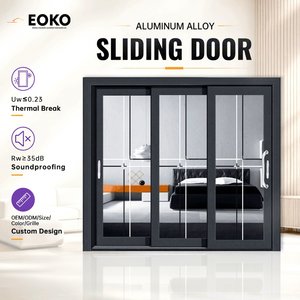
EOKO Thermal Break Aluminum Sliding Patio Door U-Value 1.2W/m²K Energy Efficient Glass Sliding Door With Screen
Explore Specs →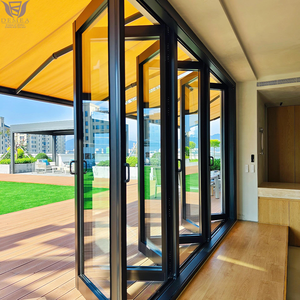
DEMEA Soundproof Home Office Garden Room Aluminium Frame Double Glazing Custom Made Accordion Folding Door
Explore Specs →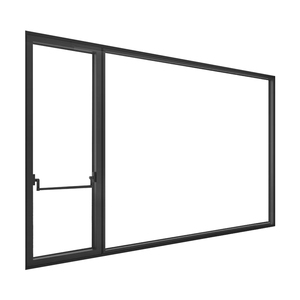
Modern Windproof Aluminum New Design House Patio Villa Waterproof Swing Graphic Design Windows and Doors
Explore Specs →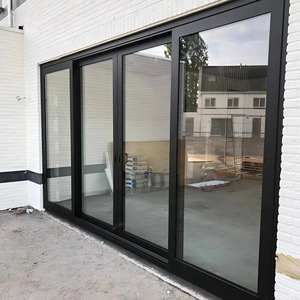
Modern Aluminum Glass Sliding Door Finished Surface for Apartments Garages Living Room Wine Cellar Dining Offices
Explore Specs →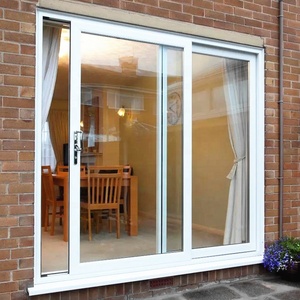
Pocket Kitchen Cabinet Door High Quality Exterior Restaurant Modern Pocket Sliding Doors Corrugated Aluminum
Explore Specs →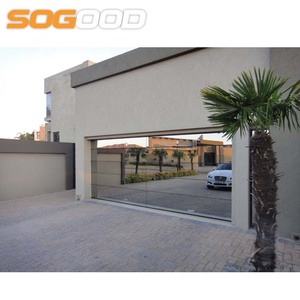
50mm Thickness Aluminum Frame Garage Doors Frameless Glass Structural Architectural Motorized Glazing System
Explore Specs →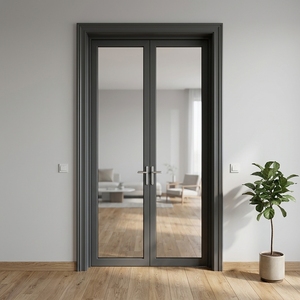
French Double Leaf Door Aluminum Clad Wood Thermal Break for Luxury Villa and Garden Entrance High Airtightness
Explore Specs →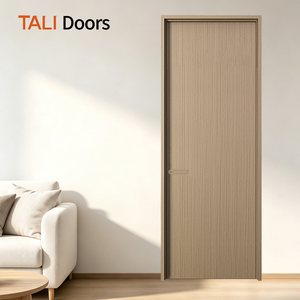
Modern WPC Aluminum Wood Composite Door for Hotel Durable Custom Size OEM Factory Direct for Villa Apartment Project
Explore Specs →Structural Physics, Thermal Dynamics & Airflow Management in Aluminum Ventilation Systems
A rigorous engineering evaluation of micro-ventilation sash configurations, multi-chamber extrusion profiles, and aero-acoustic damping for specifiers and project engineers.
Aerodynamic Fluid Dynamics and Passive Micro-Ventilation Architecture
In modern high-performance building envelopes, uncontrolled natural air infiltration leads to catastrophic thermal bridging, moisture condensation, and increased HVAC utility consumption. As China's leading aluminum ventilation window manufacturer, Guangdong Dejiyoupin Doors and Windows Co., Ltd. (DERCHI) resolves the conflict between passive fresh air intake and thermal envelope preservation through computational fluid dynamics (CFD)-optimized micro-ventilation channels and parallel-opening sash engineering.
Traditional tilt-and-turn windows expose large perimeters when cracked open, triggering draughts and acoustic bridging. In contrast, our engineered ventilation assemblies integrate concealed multi-stage trickle vents alongside calibrated perimeter openings (ranging from 8mm to 15mm parallel displacements). This geometry harnesses the Bernoulli principle: ambient exterior breeze creates a micro pressure differential across exterior air baffles, decelerating turbulent wind gusts while drawing in continuous, laminar airflow. Rainwater ingress is physically barred via a multi-tiered labyrinth water-barrier system integrated into the 6063-T6 aluminum extrusion die.
Air Permeability (Class 4 / EN 12207)
Utilizing co-extruded cellular EPDM vulcanized gaskets, the window sash achieves total airtight sealing when clamped shut under multipoint gear transmission locks, stopping indoor cooling or heating loss.
Hydrostatic Head (900 Pa / AS 2047)
Our patented self-draining stepped sill channels, combined with directional drainage valves, ensure uncompromised water tightness even when operating during heavy coastal monsoons and tropical squalls.
Cyclonic Structural Load (N6 Rating)
High-tensile architectural alloy 6063-T6/6061-T6 profiles with minimum web wall thickness exceeding 2.0mm resist intense wind shear up to 4500 Pa positive/negative structural deflection.
Technical Performance Matrix: Aluminum Ventilation Systems
Architects and structural engineers specify window assemblies based on strict quantifiable parameters. The table below outlines technical thresholds tested across our ISO/IEC-accredited testing rigs.
| System Type | Ventilation Mechanism | Thermal U-Factor (W/m²K) | Acoustic Damping (Rw) | Wind Pressure Resistance | Target Application |
|---|---|---|---|---|---|
| Parallel Vent Casement | Concealed 4-bar perimeter parallel extension (12mm) | 1.1 – 1.4 | 38 – 42 dB | AS 2047 N6 / ASTM E330 (4.5 kPa) | High-rise residential, coastal towers, windy zones |
| Thermal Break Louver Sash | Motorized/Manual aerofoil extruded louver blades | 1.6 – 2.0 | 28 – 32 dB | Class C3 (EN 12210 / 1.8 kPa) | Equipment substations, stairwells, tropical villas |
| Integrated Micro-Vent Transom | Acoustic baffle internal trickle ventilator with mesh | 0.9 – 1.3 | 40 – 44 dB | ASTM E283 / Class 4 Airtight | Luxury urban apartments, school classrooms, hospitals |
| Tilt & Turn Integrated Sash | Dual-mode top-hopper 15° tilt & side-swing 90° | 1.0 – 1.3 | 36 – 40 dB | GB/T 7106 Grade 8 / CE EN 14351 | Passive commercial developments, luxury villas |
Each profile utilizes imported Polyamide Technoform PA66 GF25 thermal insulation strips containing 25% glass fiber reinforcers, synchronizing thermal expansion coefficients with raw aluminum to eliminate delamination over decades of severe UV exposure.
Global Sourcing Shifts for Architectural Ventilation Systems
Critical macro trends governing global supply chain strategies, carbon taxation compliance, and building performance certifications.
1. Decarbonization & Low-Carbon Aluminum
Global developers operating under LEED v4.1 and BREEAM standards increasingly demand verifiable Environmental Product Declarations (EPD). Hydro-powered green aluminum extrusions with certified recycled billet ratios under 4.0 kg CO2/kg Al are rapidly superseding high-emission smelting billets.
2. Integrated Smart Building Automation
Specification is moving toward 24V brushless motorized sash activators linked directly to BACnet, KNX, or Zigbee building management networks. Vents automate based on indoor CO2, VOC, humidity, and rainfall radar sensors without occupant manual intervention.
3. Monolithic Hurricane & Security Glazing
Coastal and tropical island regions (Florida hurricane belt, South Pacific, South China Sea) require ventilation apertures protected by structural laminated SentryGlas (SG) and 316 marine-grade stainless security screens that deflect high-velocity debris.
4. Direct-from-Factory Consolidation
Developers are eliminating intermediate trading layers. Directly commissioning tier-1 Chinese manufacturers with comprehensive in-house extrusion, CNC machining, fluorocarbon painting, and glass tempering ensures end-to-end QC and reduces project lead times by 30-45 days.
Future Trajectories: Next-Generation Fenestration Technology
What engineers, industrial designers, and institutional purchasers must anticipate over the coming five years of material science.
Active Acoustic Cancellation & Vacuum-Insulated Glazing (VIG) Integration
The primary barrier to natural passive ventilation in high-density metropolitan settings has always been urban ambient noise (highway hum, rail rumble, and pedestrian traffic). Traditional sound-dampened trickle vents rely on tortuous acoustic foam channels, which significantly choke volumetric air change rates (ACH).
Our upcoming generation of acoustic ventilation window systems pioneers micro-perforated resonance sound absorbers (MPP) paired with low-profile centrifugal air acceleration fans. Furthermore, the convergence of tempered vacuum insulated glass (VIG)—producing center-of-glass U-values as low as 0.45 W/m²K within a 10.3mm profile thickness—allows ventilation casements to match the insulating capabilities of insulated sandwich wall panels.
Additionally, nano-structured superhydrophobic and photocatalytic TiO2 surface finishes on exterior architectural frames permanently mitigate atmospheric soot and dust accumulation, dramatically lowering exterior facade maintenance cycles in arid and desert climates across the Middle East and South Asia.
Why Tier-1 Contractors Partner with Guangdong Dejiyoupin (DERCHI)
Recognized among China's Top 10 premium door and window manufacturing enterprises, our Foshan mega-production hub operates with end-to-end German processing lines and verifiable third-party testing.
180,000m² Production Base
Equipped with computerized 5-axis CNC machining centers, automated glass cutting and IG production lines, and high-precision corner crimping stations capable of delivering 30,000+ square meters of fenestration monthly.
Rigorous Global Certifications
Fully compliant with CE, ISO 9001, AS 2047, FCC, RoHS, and UL fire-rating standards. We hold over 100 invention, appearance, and utility patents validating our structural engineering superiority.
Full In-House Engineering & CAD
Our dedicated bilingual facade engineering department provides full structural calculation reports, BIM objects, and bespoke CAD shop drawings to integrate smoothly into your master project schedule.
Worldwide Export & Crating Expertise
Over 25 years delivering complex architectural systems to North America, Australia, the Middle East, Southeast Asia, and South Asia. Packed in moisture-sealed fumigated wooden crates designed for multi-leg ocean transit.
Direct Factory Accountability
Direct sourcing removes commercial intermediaries and trading markups, ensuring rapid design turnaround, immediate quality warranty support, and dedicated project managers aligned with your regional time zone.
Surface Finishes for Coastal Corrosiveness
Equipped with AkzoNobel Interpon D2525 architectural powder coating and AAMA 2605 fluorocarbon (PVDF) lines capable of resisting 3000-hour continuous salt spray testing in aggressive maritime microclimates.
Commercial Procurement & Specification Guidelines
Direct technical answers addressing engineering standards, import logistics, and custom production inquiries from procurement directors and architects.
What minimum documentation is required for custom OEM/ODM window fabrication?
To produce binding structural quotations and shop drawings, our engineering team requires: (1) Rough opening elevations and architectural plans, (2) Specified glass configuration (e.g., Low-E insulated glass, argon fill, tempered), (3) Wind load requirements (Pa) or geographic project location, (4) Powder coat or PVDF finish code (RAL matrix), and (5) Hardware preference (German Siegenia, Roto, Hoppe, or proprietary high-load hardware).
How do aluminum ventilation windows perform against wind-driven rain compared to standard awning units?
Our engineered ventilation systems incorporate a dual-chamber internal drainage baffle with stepped gravity-differential weeping holes. When wind gusts apply dynamic positive pressure up to 900 Pa, internal hydrostatic equalization ports vent pressure outward, preventing water pooling inside the frame track and ensuring complete indoor water tightness.
Can your systems comply with Australian AS 2047 and American NFRC/AAMA codes?
Yes. Guangdong Dejiyoupin (DERCHI) regularly delivers fenestration systems independently tested and certified to AS 2047 N6 cyclonic testing, North American AAMA/WDMA/CSA standards, and European CE EN 14351-1 criteria. Full laboratory test reports and third-party factory audit certificates are made available prior to contract execution.
What is the typical production lead time and FOB/CIF shipping protocol?
Standard custom architectural project lead times range from 25 to 35 business days following final CAD sign-off and color chip approval. We supply cargo under Incoterms 2020 on FOB (Shenzhen/Guangzhou/Foshan), CIF, or DDP terms directly to ports including Los Angeles, Vancouver, Sydney, Jebel Ali, Nhava Sheva, and Colombo.
How are the products crated to prevent transit damage and glass breakage?
Every window assembly is clad with peelable protective film, secured with high-density EPE foam corner protectors, and packed into steel-banded, fumigated solid wood ocean crates with built-in internal desiccants. Moisture-barrier barriers prevent condensation and corrosion during maritime transit.