Wholesale Architectural Systems & French Door Lineups
Precision engineered in Foshan with polyamide PA66 thermal breaks, high-adhesion matte black fluorocarbon (PVDF) surface treatments, and marine-grade multi-point perimeter compression seals.
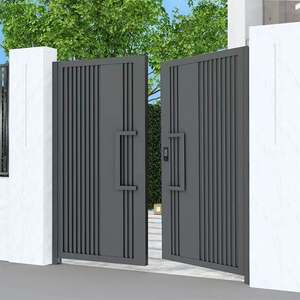
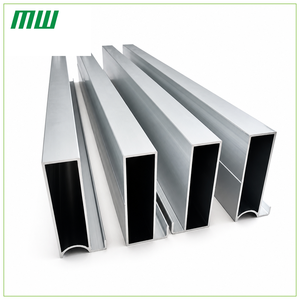
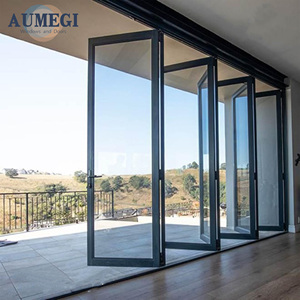
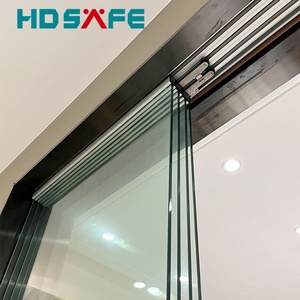
The Engineering Foundations of Aluminium Black French Doors
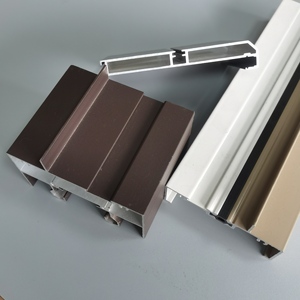
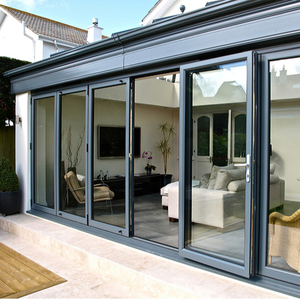
Modern architectural fenestration has witnessed a paradigm shift toward narrow-sightline, ultra-slim black aluminum French doors. Historically manufactured from hot-rolled carbon steel, contemporary French and Crittall-style door configurations now leverage high-yield primary billet 6063-T5 and 6063-T6 aluminum alloys. This transition eliminates the chronic corrosion vulnerability, excessive structural weight, and thermal bridging inherent to traditional steel profiles while delivering identical industrial aesthetics and superior static structural rigidity.
As a vertically integrated manufacturer based in Foshan, China, DERCHI (Guangdong Dejiyoupin Doors and Windows Co., Ltd.) engineers custom black aluminum French doors calibrated for residential estates, luxury hospitality, and commercial building envelopes. By integrating structural thermal break chambers insulated with 25% glass-fiber reinforced Polyamide PA66 GF25 strips, our French door assemblies achieve overall thermal transmittance coefficients down to Uw ≤ 1.4 W/(m²·K), meeting rigorous International Energy Conservation Code (IECC) and European CE energy directives.
Primary Material & Anodizing Specifications
The profile wall thickness across all primary stiles, bottom rails, and multi-point lock jambs is strictly calibrated between 2.0 mm and 3.0 mm, conforming to international standards including AS 2047, ASTM E283/E330/E331, and EN 12207. Surface durability is achieved via automated electrostatic powder coating using Qualicoat Class 2 architecture-grade resins or AAMA 2605-compliant PVDF fluorocarbon coatings in matte deep black (RAL 9005). This formulation guarantees ultraviolet color stability, high abrasion resistance, and salt-spray tolerance exceeding 3,000 hours in marine and coastal installations.
Glazing infills utilize insulating glass units (IGU) ranging from 24mm to 36mm thickness, configured with double- or triple-pane tempered safety glass (certified ANSI Z97.1 and EN 12150), warm-edge composite spacers, and argon gas cavity fills. True Divided Lites (TDL) or Simulated Divided Lites (SDL) with laser-aligned internal shadow bars recreate authentic historic mullion grids without compromising the hermetic integrity of the insulating seal.

Technical Specification Matrix: Commercial vs. Architectural Grade French Doors
| Performance Parameter | Commodity Fabricator Grade | DERCHI Architectural Factory Standard | Test Reference / Verification |
|---|---|---|---|
| Extrusion Alloy & Temper | Recycled / Secondary 6063-T5 | 100% Virgin Billet 6063-T6 (Web Thickness 2.0-3.0mm) | GB/T 5237.1 / ASTM B221 |
| Thermal Insulation (U-Value) | Uw ≥ 2.8 W/(m²·K) (Non-break) | Uw 1.3 - 1.6 W/(m²·K) (Polyamide PA66 GF25 24mm) | ISO 10077-1 / EN 12567-1 |
| Wind Pressure Resistance | Class 3 (1500 Pa) | Serviceability ≥ 4500 Pa; Ultimate ≥ 6000 Pa (N6 Cyclonic) | AS 2047 / ASTM E330 |
| Water Penetration Resistance | 300 Pa Static | 600 Pa - 900 Pa (Continuous Sub-Sill Weep Chambers) | EN 12208 / ASTM E331 |
| Acoustic Attenuation | Rw ≤ 28 dB | Rw 38 dB - 44 dB (Acoustic PVB Lamination) | ISO 10140-2 / ASTM E90 |
| Surface Finish Standard | Standard Powder (60 μm) | AAMA 2605 PVDF / Qualicoat Class 2 (80-120 μm) | 3,000 Hr ASTM B117 Salt Fog |
| Hardware & Locking System | Single/Dual Hook Lock | German Siegenia/Hoppe Multi-Point Concealed Security | PAS 24 / RC3 Burglar Class |
Future Procurement & Architectural Sourcing Trends
Macro trends shaping global B2B supply chains, building energy codes, and fenestration sourcing strategies for 2026-2030.
Embodied Carbon Transparency
Global developers demand verified Environmental Product Declarations (EPD). Modern factories utilize renewable hydro-powered primary smelters to drop lifecycle carbon intensity below 4.0 kg CO2/kg aluminium.
Concealed Pivot & French Hybrids
Traditional butt-hinge swing systems are yielding to heavy-duty concealed hydraulic floor springs and offset pivots capable of supporting 300kg+ single-sash leaf loads with flush zero-barrier thresholds.
Integrated Smart Access Hardware
Architects specify flush-integrated electronic multi-point locksets embedded directly within black aluminum stiles, supporting biometrics, RS485 building automation protocols, and smart building interfaces.
Supply-Chain Nearshoring & Direct DDP
Commercial builders bypass domestic middlemen, utilizing manufacturer-direct DDP (Delivered Duty Paid) ocean shipping channels with pre-hung, factory-glazed units to slash on-site contractor installation hours by 40%.
The Evolution of Black French Door Engineering
From heavy drafty steel mullions to thermally hyper-efficient, precision-extruded aluminum architectural systems.
1. Structural Extrusion Geometry
First-generation doors required wide 80mm-100mm sightlines to resist deflection. Our multi-cavity web design retains minimal 20mm-35mm sightlines while increasing inertial moment of resistance (Ix) by 310%.
2. Polyamide Thermal Separation
Legacy aluminum profiles produced significant interior condensation and heat transmission. Advanced multi-chamber PA66 GF25 polyamide strips break conductivity, ensuring zero condensation even at -20°C exterior temperatures.
3. Acoustic & Hermetic Sealing
Dual-compound co-extruded EPDM vulcanized corner gaskets replace cheap PVC foam strips. When combined with mechanical corner cleating and cold-injection adhesive, sound transmission drops by up to 42 dB.
Factory Strengths & Industrial Cluster Advantages
Operated by Guangdong Dejiyoupin Doors and Windows Co., Ltd. (DERCHI), our manufacturing hub is located in Shishan Town, Foshan — the globally acclaimed capital of structural aluminum extrusion and surface engineering. With over 25 years of specialized operational history, our production ecosystem unifies precision casting, mold design, extrusion, CNC 5-axis milling, powder coating, robotic glass assembly, and certified laboratory testing within a single consolidated 180,000 square meter enterprise.
180,000 m² Scale & 600+ Staff
Operating high-capacity automatic extrusion presses up to 5,500 metric tons, producing over 35,000 units of custom doors and windows annually with prompt delivery schedules.
Global Code Approvals
Full third-party certifications including CE, ISO 9001:2015, Australian AS 2047 N6 cyclic pressure compliance, North American AAMA, and UL fire ratings with complete test reports.
Engineering CAD/BIM Studio
Dedicated team of 40+ fenestration engineers providing parametric BIM modeling, fabrication drawings, structural wind-load simulations, and thermal FEA analysis free of charge.
Frequently Asked Questions for B2B Importers & Contractors
Everything commercial architects, quantity surveyors, and wholesale door distributors need to evaluate before issuing an RFQ.
What alloy grade and profile thickness do you specify for exterior wholesale French doors?
How do you ensure the matte black finish resists chalking, fading, and marine corrosion?
What glazing configurations and low-E coatings are available for cold or tropical climates?
How are True Divided Lites (TDL) engineered vs. Simulated Divided Lites (SDL)?
What are your typical minimum order quantities (MOQ), production lead times, and sea-freight packing methods?
Can DERCHI engineer doors according to project-specific Vastu Shastra or bespoke architectural dimensions?
Accelerate Your Commercial Glazing & French Door Project
Consult with DERCHI's senior fenestration engineers to receive detailed CAD sections, thermal performance calculations, full bill of quantities (BOQ), and factory-direct wholesale pricing within 24 hours.