Precision Fenestration Systems & High-Performance Assemblies
Explore our premium architectural systems manufactured in Foshan, China. Fully tested to AS2047, NFRC, CE, and ISO standards for international residential and commercial developments.
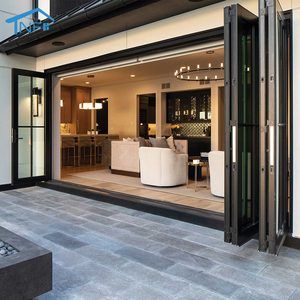
NFRC AS2047 Certified Factory Waterproof Soundproof Folding Aluminium Bifold LOW-E Double Glazing Glass Doors Bi-fold Patio Door
Explore Specifications →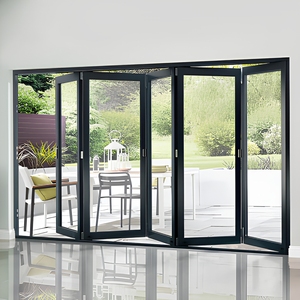
Aluminum Folding Patio Doors Folding Glass System For Seamless Indoor Outdoor Modern Home Design Aluminum Bi Folding Doors
Explore Specifications →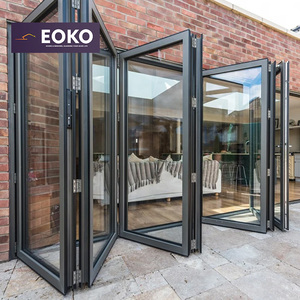
EOKO Residential Bifold Folding Door Low-E Glass Aluminum Bi Folding Accordion Bifold Exterior Door for Construction Contractors
Explore Specifications →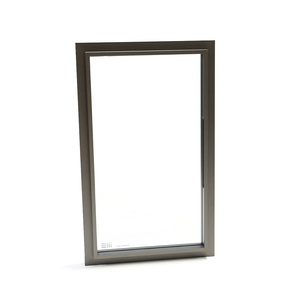
No Built-In Handle Glass Cabinet Door Air Frame Italy Brand Window Louver Aluminum Frame Cabinet Doors
Explore Specifications →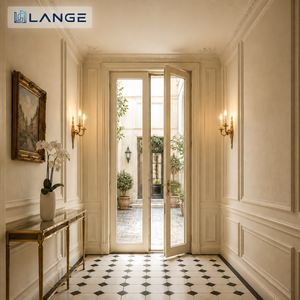
LANGE French Doors Style Security Aluminum Casement Door Aluminum Tempered Glass French Door Grilles Entry Casement Doors
Explore Specifications →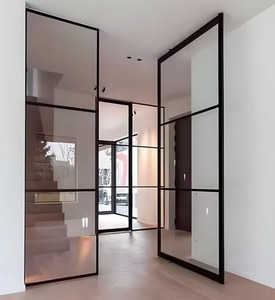
Aluminum Glass Pivot Door Modern Home Main Entrance Security Entry Front Doors
Explore Specifications →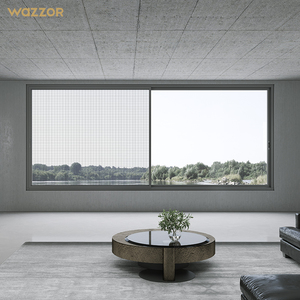
Wazzor Customized High Quality American Style Aluminium Alloy Frame Residential Double Tempered Glass Sliding Windows
Explore Specifications →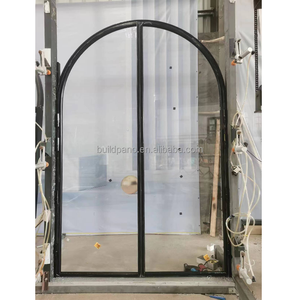
Wholesale Factory Aluminum Grille Arched Doors Soundproof Residential Indoor Design for Supermarket Apartment Exterior Hall
Explore Specifications →Structural Anatomy of Aluminium Composite Fenestration
In modern architectural building envelopes, standard aluminium profiles frequently encounter condensation thresholds and significant thermal bridging. Modern aluminium composite windows bridge this performance gap by combining the structural rigidity, weatherability, and sleek aesthetic of 6063-T5/T6 structural aluminium extrusions on the exterior with high-density thermal barriers or integrated interior wood-timber/uPVC composite linings.
The core structural advantage relies on mechanical multi-point crimping around continuous polyamide PA66 GF25 insulation strips (reinforced with 25% glass fiber). This barrier decouples exterior solar radiation or frigid coastal winds from the conditioned indoor climate. When coupled with advanced double- or triple-pane Insulated Glass Units (IGU) containing argon gas cavities and warm-edge spacer technology, overall thermal transmittance drops dramatically—delivering certified U-factors as low as 0.22 BTU/(h·ft²·°F) [1.25 W/(m²·K)].
| Engineering Property | Standard Aluminium | Aluminium Composite System | Compliance Standard |
|---|---|---|---|
| Thermal Transmittance (U-Value) | 3.8 - 5.2 W/(m²·K) | 1.1 - 1.6 W/(m²·K) | NFRC 100 / EN ISO 10077-1 |
| Structural Wind Load Resistance | 2000 Pa (Serviceability) | Up to 4500 Pa (Cyclone N6) | AS 2047 / ASTM E330 |
| Air Permeability Tightness | Class 2 (300 Pa) | Class 4 / A3 Tightness (600 Pa) | EN 12207 / AS 4420.4 |
| Acoustic Decibel Damping | 25 - 28 dB Rw | 38 - 46 dB Rw (Laminated Double IGU) | ISO 10140-2 / ASTM E90 |
| Corrosion Resistance Surface | Standard Powder Coating | Fluorocarbon PVDF (AAMA 2605) | Qualicoat Class 2 / AAMA 2605 |
Emerging Procurement Trends in Global Facade Sourcing
Analysis of commercial tenders and residential mega-projects reveals three decisive criteria dominating international window and door contracts.
Whole-Lifecycle Carbon Auditing
Global procurement teams in North America, Europe, and Australasia now demand verified Environmental Product Declarations (EPD). Specifiers require low-carbon aluminium produced using renewable hydropower, alongside recycled post-consumer billet content exceeding 30%.
Prefabricated & Unitized Openings
To mitigate rising on-site labor rates in target export destinations, developers have transitioned from knock-down (KD) field assembly to factory-unitized composite window units equipped with pre-hung frames, integrated sub-sills, and dry-glazed structural gasketry.
Extreme Climate & Cyclone Resilience
Tropical monsoons and coastal hurricanes demand structural resilience beyond standard benchmarks. Sourcing schedules mandate cyclonic impact ratings (AS 2047 N6, Florida Miami-Dade NOA criteria) with dynamic water penetration thresholds tested above 450 Pa.
Technological Roadmaps in Composite Fenestration
From simple mechanically joined angles to smart, thermally continuous fenestration ecosystems designed for passive buildings.
Multi-Cavity Thermal Fusion
Legacy composite designs deployed single flat polyurethane pour-and-debridge channels. Next-generation systems employ hollow multi-chamber PA66 assemblies stuffed with aerogel insulation cores, elevating resistance to condensed water pooling and acoustic flanking paths.
Concealed Hardware & Ultra-Slim Sightlines
Modern architectural projects demand maximum daylight ratios without sacrificing perimeter security. Engineering shifts have introduced completely concealed heavy-duty hinges carrying sashes up to 300kg, paired with invisible drainage outlets that prevent backdraft air leakage.
Smart Automation & Sensor Integration
Aluminium composite framing now natively incorporates low-voltage bus wiring for embedded motorized actuators, magnetic status reeds, and automated climate vents that seamlessly communicate with major Building Management Systems (BMS).
Why Tier-1 Contractors Rely on DERCHI Engineering
Operating out of Foshan, Guangdong—the core global cluster for advanced aluminium extrusion and facade manufacturing—we provide unmatched production discipline and global compliance.

One-Stop Fenestration
Direct supply spanning thermally broken aluminium composite windows, heavy pivot entries, curtain walls, and motorized glass sliding facades to minimize logistical overhead.

Certified Compliance
Every fenestration series is certified under AS2047, NFRC, CE, and ISO 9001 frameworks, backed by traceable test reports verified by recognized international authorities.

Bespoke Engineering & CAD
Our dedicated R&D department generates comprehensive shop drawings, structural wind-load simulations, and BIM files matched to exact opening schedules.

Direct Technical Support
Fluent technical project managers support overseas buyers from initial elevation analysis to international export crating and remote jobsite installation consultation.
Frequently Asked Questions on Sourcing Windows from China
Essential guidance covering quality verification, international sea transport, and technical customisation.