Engineered Aluminum Openable Window Portfolios
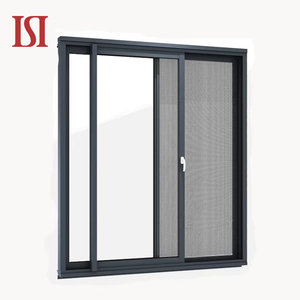
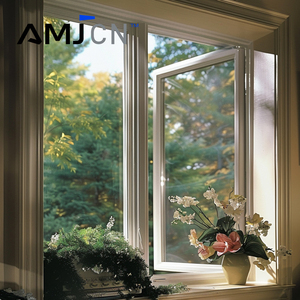
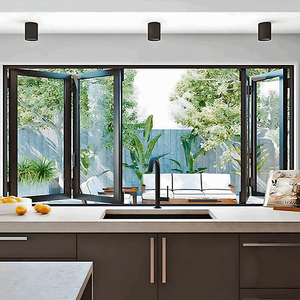
Precision-milled from architectural-grade 6063-T5/T6 aluminum alloys, our openable window systems integrate European multi-point security hardware, customized EPDM dual-compression weatherstripping, and high-performance insulated glazing.
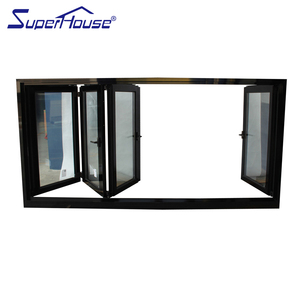
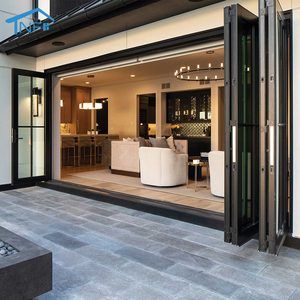
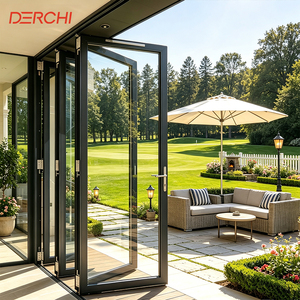
Comprehensive Technical Report: Engineering Principles of High-Performance Aluminum Openable Windows
In modern architectural fenestration, the specification of aluminum openable windows extends far beyond aesthetic considerations. Sourcing directors, facade consultants, and general contractors evaluate systems through the stringent parameters of structural load-bearing capacity, acoustic mitigation, air permeability, and thermal transmittance values (U-Factor). As a premier wholesale manufacturer in Foshan, Guangdong, our industrial infrastructure utilizes high-tensile 6063-T5 and 6063-T6 aluminum alloys. These extrusion profiles provide tensile yields surpassing standard commercial metals, supporting oversized structural sashes that resist high cyclic fatigue and severe lateral wind loads.
Thermal bridge interruption is essential for building envelope energy ratings. Our thermally broken aluminum openable windows incorporate polyamide (PA66) glass fiber-reinforced insulation barriers. This prevents perimeter condensation, curtails heat exchange, and drives overall window U-factors down toward stringent passive housing parameters. By integrating automated robotic machining centers with continuous multi-point locksets, our factory achieves airtight and watertight sealing ratings that conform to AS2047, NFRC, and European testing criteria.
Key Engineering Parameter: Dual-Durometer EPDM Gaskets & Polyamide Breaks
Our dual-chambered EPDM vulcanized sealing systems deliver permanent dimensional memory, maintaining continuous compression against atmospheric moisture, monsoon rain penetration, and ambient wind pressure across temperature variations from -30°C to +80°C.
Acoustic insulation is achieved via advanced insulating glass unit (IGU) arrangements. Double and triple-glazed configurations—engineered with warm-edge composite spacer bars, argon gas fillings, and acoustic polyvinyl butyral (PVB) or sentryglas (SGP) laminated interlayers—deliver targeted sound transmission class (STC) ratings above 42 dB. These specifications provide commercial towers and luxury estates with quiet internal environments in high-density urban locations.
Future Sourcing Dynamics for Global Commercial Buyers
Analyzing global supply chain movements, green building certifications, and building envelope standards shaping commercial fenestration procurement over the next five to ten years.
Near-Zero Embodied Carbon Aluminum
Global architectural codes require lower carbon footprints. Sourcing strategies are moving toward closed-loop circular recycled aluminum billets smelted using renewable hydro-power, requiring comprehensive Environmental Product Declarations (EPD).
Specification-Driven Direct Sourcing
Project procurement directors are bypassing intermediaries. Commercial developers collaborate directly with original manufacturers to develop project-specific extrusion dies, custom anodizing tolerances, and validated shop drawing packages.
Severe Storm & Hurricane Resilience
Extreme climate patterns require increased structural envelope ratings. Specifications for coastal projects now systematically require AS2047 N6 cyclonic testing, ASTM hurricane impact validation, and reinforced laminated safety glazing packages.
Emerging Technology Trends in Aluminum Window Systems
How automation, smart hardware integration, and advanced structural profiles are redefining the function of openable fenestrations.
Motorized & BMS Automation
Concealed electromechanical actuators connected directly to centralized Building Management Systems (BMS) allow automated night purging, dynamic natural ventilation, and smoke extraction protocols.
Ultra-Slim Minimal Sightlines
High-tensile aluminum framing allows sash profiles down to 25mm sightlines, maximizing daylight transmission ratios without compromising wind-load resistance or structural deflection metrics.
Gas-Strut Counterbalance Systems
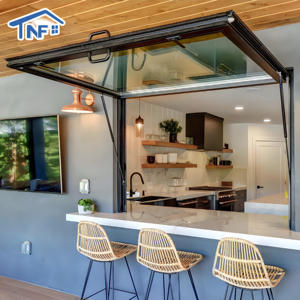
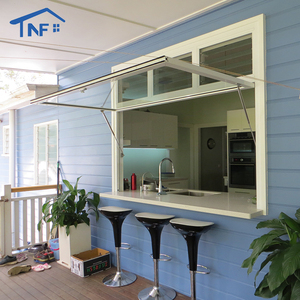
Commercial serveries and residential outdoor connections use commercial gas-strut pass-through windows, providing smooth 90-degree outward openings with minimal force.
Fluorocarbon Coating Technologies
Advanced PVDF coatings and multi-stage anodizing provide resistance against UV-induced chalking, marine saline corrosiveness, and industrial acid precipitation, backed by a 20+ year surface finish warranty.
Factory Advantages & Operational Infrastructure
Operating as a primary manufacturer within the Foshan industrial corridor, Guangdong Dejiyoupin Doors and Windows Co., Ltd. (DERCHI) oversees an integrated value chain spanning profile fabrication, thermal break assembly, CNC machining, glass processing, and factory quality audits.
Automated Production
Four-axis automated CNC double-head mitre cutting systems guarantee profile angle cuts within tolerances of ±0.1mm, ensuring tight miter joints and stable corner cleats across every production run.
Certified Testing
Our in-house performance chamber conducts pressurized air, water infiltration, and structural load deflection checks on sample units prior to bulk crating, maintaining verification against international standards.
Export Crating Logistics
Panels are individually bubble-wrapped, fitted with protective corner caps, and secured within fumigated multi-layer sea freight plywood crates, mitigating transport vibration during ocean transits.
Frequently Asked Questions on Aluminum Window Wholesale
Practical guidance on engineering requirements, minimum order volumes, profile certifications, and international logistics.