Architectural Sliding & Glazing Solutions
Designed for structural durability, wind-load resistance, and architectural elegance across high-end villas, resort developments, and mid-to-high-rise residential towers.
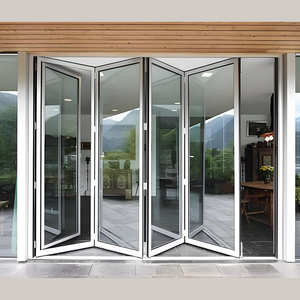
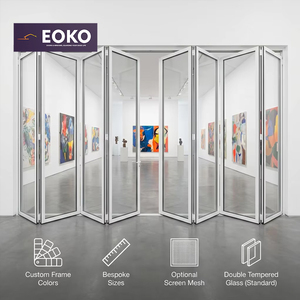
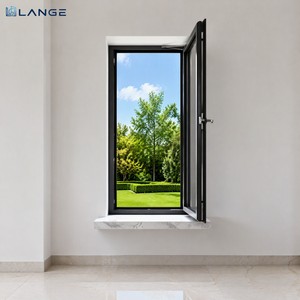
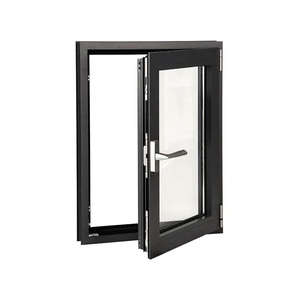
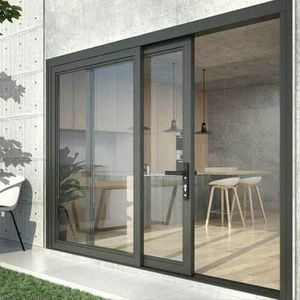
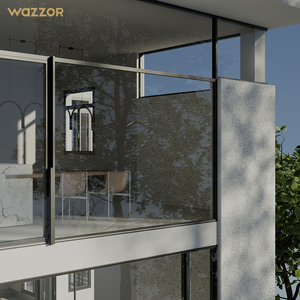
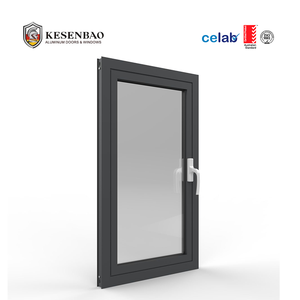
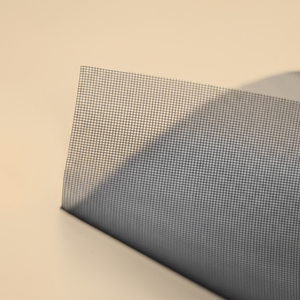
Engineered by Guangdong Dejiyoupin Doors & Windows
Operating across an integrated industrial cluster in Foshan, China, DERCHI combines 25+ years of fenestration engineering with certified quality systems serving over 60 countries across North America, Europe, Australia, and South Asia.
Single-Source Extrusion & Assembly
Controlling the metallurgical pipeline using certified primary 6063-T5/T6 aluminum billets ensures exact tensile yield strength (≥160 MPa), zero scrap contamination, and pristine architectural flatness across massive door heights exceeding 3,500 mm.
Global Compliance Testing
Products are rigorously pre-tested to global thresholds: Australian AS 2047 cyclic wind ratings (N6 criteria), European CE performance, ISO 9001 quality process controls, and North American UL fire and impact safety metrics.
Precision CAD/BIM Shop Drawings
Dedicated technical teams eliminate site error by producing complete elevation schedules, anchor point static computations, threshold recess details, and water drainage pathway analyses before extrusions enter production.
Architectural Mechanics: Engineering High-Load Sliding Assemblies
Analyzing how modern structural extrusion design, polymide thermal barriers, precision carriage running gear, and multi-laminate acoustic glazing unite to eliminate deflection and structural fatigue.
Polyamide PA66 Thermal Barriers
Standard aluminum sections conduct thermal energy at approximately 200 W/(m·K). DERCHI uses crimped 24 mm to 34 mm Polyamide PA66 GF25 thermal breaks reinforced with 25% short glass fiber. This delivers a frame U-factor down to 1.6 W/(m²·K), preventing condensation and internal radiant heat spikes in tropical, coastal, or extreme continental climates.
Stainless Steel Tandem Bogie Rollers
Large-format architectural glass panels frequently exceed 350 kg to 500 kg per sash. Our heavy-duty rolling systems feature 316-grade marine stainless steel quad-wheel bogie carriages rolling over precision-machined inverted stainless rails. Tested for 100,000 continuous cycle strokes without bearing deformation or operational drag.
EPDM Vulcanized Corner Sealing
Unlike cheap PVC gaskets that contract, harden, and crack under continuous UV-A and UV-B bombardment, DERCHI employs co-extruded cellular automotive-grade EPDM gaskets. Pre-formed vulcanized vulcanised corner boots provide continuous compressive sealing under cyclic wind buffeting up to 3,000 Pa.
| Performance Metrics | Commercial Grade (Standard Export) | Architectural Thermal Break (DERCHI) | Minimalist Hurricane/Cyclone Impact Series |
|---|---|---|---|
| Alloy Wall Thickness | 1.4 mm – 1.6 mm (6063-T5) | 2.0 mm – 3.0 mm (6063-T6) | 3.0 mm – 4.5 mm (Reinforced High-Torque) |
| Thermal Transmittance (U-Value) | ≥ 4.2 W/(m²·K) | 1.5 – 1.8 W/(m²·K) | 1.2 – 1.4 W/(m²·K) (Triple Glazed Low-E) |
| Acoustic Attenuation (Rw) | 28 dB – 30 dB | 38 dB – 42 dB (Argon-filled IGU) | 45 dB – 48 dB (Acoustic PVB/SentryGlas) |
| Max Sash Weight Capacity | 180 kg / panel | 400 kg / panel | 800 kg / panel (Automated Motorized) |
| Water Tightness Rating | 300 Pa (Class 7A) | 700 Pa (Class 9A / E750) | 1,050 Pa (Sub-Sill Integrated Sump Pump) |
Global Sourcing Vectors: Where Architectural Aluminum is Moving
Strategic guidance for commercial developers, general contractors, and overseas glazing importers navigating supply chain shifts and code adaptations over the next decade.
1. Invisible Frame (Sightline Compression)
The global luxury residential market has shifted toward interlock sightlines compressed below 20 mm. Sourcing demands structural glazing configurations where the glass absorbs the dynamic wind load while the aluminum outer frame recesses flush into surrounding ceiling, floor, and jamb masonry finishes.
2. Hidden Micro-Drainage & Flush Floor Tracks
Universal design accessibility standards (barrier-free living) now mandate zero-step stepdowns between interior timber flooring and exterior balconies. Importers require sub-floor linear drainage channels that collect wind-driven rain and drain via concealed siphon weeping systems without allowing water backflow.
3. Embodied Carbon & Low-Carbon Aluminum
Institutional tenders across the EU, Australia, and North America increasingly penalize high-carbon metal production. Tier-1 buyers require supply chains utilizing hydro-powered aluminum smelting alongside documented Environmental Product Declarations (EPDs) tracking cradle-to-gate carbon metrics.
4. Integrated Smart Building Automation
Large-span multi-sliding doors exceeding 12 meters in width require embedded electro-magnetic driving racks, concealed brushless motors, and anti-pinch optical sensors. Seamless integration into BACnet, KNX, or Zigbee architectural building management systems is becoming standard in luxury tenders.
5. Solar Control Low-E & Ceramic Fritting
Procurement schedules are shifting rapidly from basic double clear tempered glass toward triple-silver magnetron sputtering Low-E glass with customized Solar Heat Gain Coefficients (SHGC < 0.28) paired with ceramic silk-screen perimeter frit patterns that protect structural silicone from direct UV degradation.
6. Pre-Engineered Modular Crating
With surging ocean freight rates and high jobsite labor costs abroad, developers favor prefabricated knock-down (KD) configurations packed into reinforced steel or fumigated plywood A-frames with pre-inserted corner cleat joinery that accelerates final field installation.
Frequently Asked Technical Questions
Direct answers addressing engineering limits, logistics schedules, quality warranties, and commercial customization terms for international buyers.