Featured OEM/ODM Aluminium & Glass Architectural Systems
Precision-machined extrusions, structural double/triple thermal glazing, and internationally certified hardware packages tailored for high-volume contract sourcing.
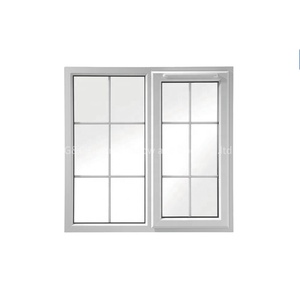
Fuson High Quality Powder Coated White Aluminium Sliding Window
- 6063-T5 High-Purity Alloy Framing
- AkzoNobel Weather-Resistant Coating
- Dual-Point Heavy Duty Roller Guides
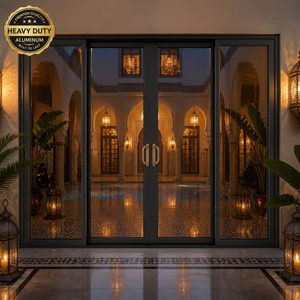
Thermal Break Modern Patio Sliding Door with Fly Screen & Low-E Glass
- PA66GF25 Polyamide Thermal Barrier
- Integrated 304 Stainless Mesh Screen
- Double Tempered Argon-Filled Glazing
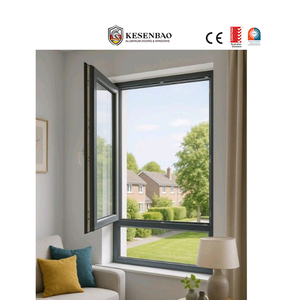
NFRC CE AS2047 Slim Frame Aluminium Casement & Tilt-Turn Windows
- Ultra-Narrow Sightline Architectural Profile
- European Multi-Point Perimeter Gasketing
- Micro-Ventilation Dual Opening System
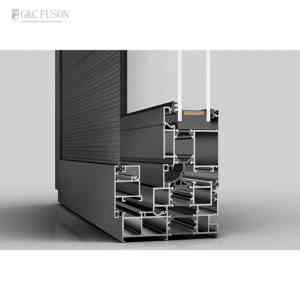
American NFRC Hurricane Proof Impact Double Glazed Casement Window
- SGP Structural Interlayer Laminated Glass
- High-Velocity Hurricane Zone (HVHZ) Ready
- Heavy-Wall Extruded Aluminium Reinforcement
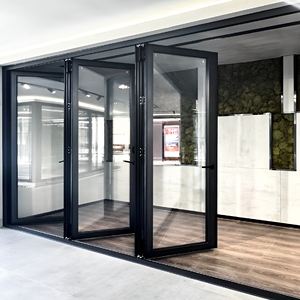
Exterior Thermal Break Bi-Fold Patio Doors Double Tempered Accordion
- Top-Hung Smooth Stainless Steel Roller Track
- Flush Sill Design for Barrier-Free Thresholds
- EPDM Continuous Weather-Seal Vulcanization
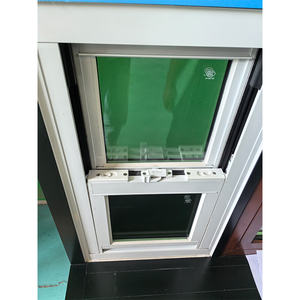
CHANGYI Small Size Bathroom Top Single Awning Impact Window
- Anodized High Moisture & Steam Resistance
- Concealed Friction Stay Stainless Hinges
- Frosted/Obscure Acoustic Privacy Glass
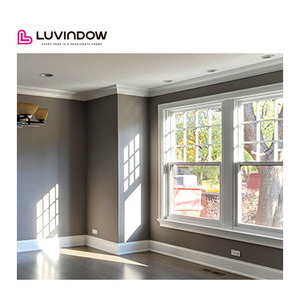
American Style Double/Single Hung Sash Vertical Sliding Windows
- Constant Force Balance Spring Mechanism
- Tilt-In Sash Function for Interior Cleaning
- Interlocking Meeting Rail for Air Impermeability
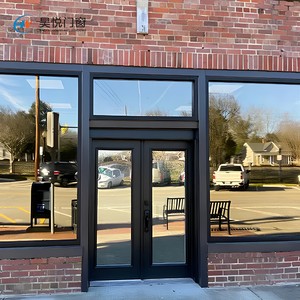
Custom Commercial Aluminum Storefront Entry Door Continuous Hinges
- Heavy-Duty Extruded 3.0mm Wall Thickness
- Full-Height Geared Continuous Aluminum Hinge
- Panic Exit Hardware & Concealed Closers
Dedicated OEM/ODM manufacturing legacy in architectural systems
Advanced CNC, extrusion processing and automated glazing lines
In-house structural engineers, QA teams, and export specialists
Validated by NFRC, CE, AS2047, ISO9001 and UL Fire standards
Engineering & Technological Evolution in Aluminium & Glass Doors
The architectural fenestration sector is experiencing an unprecedented structural shift toward ultra-low U-factors, seismic-compliant framing, and automated fabrication precision.
Polyamide Thermal Break Innovations (PA66GF25)
Modern building envelope energy codes (such as ASHRAE 90.1, Title 24, and European EN ISO 10077) mandate rigorous structural thermal performance. State-of-the-art OEM/ODM factories have replaced standard pour-and-debridge polyurethane breaks with multi-chambered, 25% glass-fiber reinforced polyamide (PA66GF25) isolators. This configuration minimizes linear thermal transmittance (Ψ) while preserving systemic shear resistance under intense wind load cycling.
High-Performance Glazing & Impact SGP Interlayers
Glazing units have evolved from basic dual-pane clear glass into engineered structural laminates. Utilizing SentryGlas® (SGP) ionoplast interlayers provides five times the tear strength and one hundred times the rigidity of conventional PVB films. When coupled with triple silver soft-coat magnetron sputtering Low-E technology, our insulated glass units (IGUs) achieve optimal Solar Heat Gain Coefficients (SHGC) while resisting category-5 cyclonic projectile impacts.
CNC Automated Milling & 45-Degree Corner Crimping
Corner joints represent the primary vulnerability for air leakage and water ingress. High-tier contract factories employ 5-axis automated CNC machining centres alongside computerized German-type corner crimping stations with two-component polyurethane joint adhesive injection. This hermetic mechanical fastening eliminates profile sagging over 100,000+ opening cycles, preserving wind tightness at test pressures exceeding 4,500 Pa.
| Performance Dimension | Standard Commercial Grade | High-Performance OEM/ODM Specification | Verification Standard |
|---|---|---|---|
| Aluminium Alloy Specification | Recycled billet 6063-T4 / uneven temper | Primary Billet 6063-T5 / 6063-T6 Structural Profile | ASTM B221 / GB 5237 |
| Thermal Transmittance (U-Value) | 2.8 – 3.6 W/(m²·K) (Non-break) | 0.9 – 1.4 W/(m²·K) (Polyamide Barrier) | NFRC 100 / ISO 10077-2 |
| Water Penetration Resistance | 150 – 250 Pa (Prone to overflow) | ≥ 700 – 1050 Pa (Cascaded pressure equalization) | ASTM E331 / AS 2047 |
| Air Infiltration Rate | ≤ 1.5 m³/(h·m) @ 100 Pa | ≤ 0.1 m³/(h·m) @ 100 Pa (Class 4 Airtightness) | EN 12207 / ASTM E283 |
| Structural Wind Load (Deflection) | 1200 – 2000 Pa design pressure | 3500 – 5000+ Pa (Impact Hurricane Certified) | ASTM E330 / AS/NZS 1170 |
| Acoustic Attenuation (STC / Rw) | 26 – 30 dB (Standard float glass) | 38 – 45+ dB (Acoustic PVB / asymmetric panes) | ASTM E90 / ISO 717-1 |
Global Sourcing Trends in Aluminium & Glass Fenestration (2025–2030)
How international developers, general contractors, and fenestration distributors are re-engineering supply chains to mitigate risk, optimize lifecycle costs, and meet carbon border adjustments.
Direct Factory Consolidation
Purchasing teams are systematically eliminating broker layers. Direct integration with Foshan-based mega-factories grants developers transparent cost breakdown schedules (BOM transparency), real-time ERP access, and significant economies of scale on unified door-window packages.
Pre-Engineered BIM / CAD Workflows
B2B contracts now require LOD 350-400 BIM modeling upfront. Contract manufacturers with integrated CAD engineering departments furnish parametric 3D models, shop drawings, and fastener schedules within 72 hours, reducing onsite coordination clashes to near-zero.
Strict Environmental Product Declarations (EPD)
Driven by the European CBAM and LEED v4.1 certifications, enterprise clients demand certified recycled aluminium billets (low embodied carbon aluminium processed with hydroelectric power) and environmental product disclosures throughout the extrusion life cycle.
Single-Source Door & Facade Packages
Instead of contracting separate suppliers for sliding patio doors, curtain wall entryways, and tilt-turn systems, procurement managers favor one-stop suppliers offering unified powder coat batch matching, cohesive architectural lines, and consolidated container stowage.
Industrial Scale: Foshan Manufacturing Excellence
Operating from Foshan, Guangdong—the core cluster of global aluminium fenestration innovation—our facility combines robotic production capacity with rigorous international auditing standards.

180,000 m² Integrated Infrastructure
Housing automated profile precision sawing lines, CNC four-head corner crimping lines, an in-house powder coating plant certified by Qualicoat, and specialized cleanrooms for structural insulated glass unit (IGU) assembly.
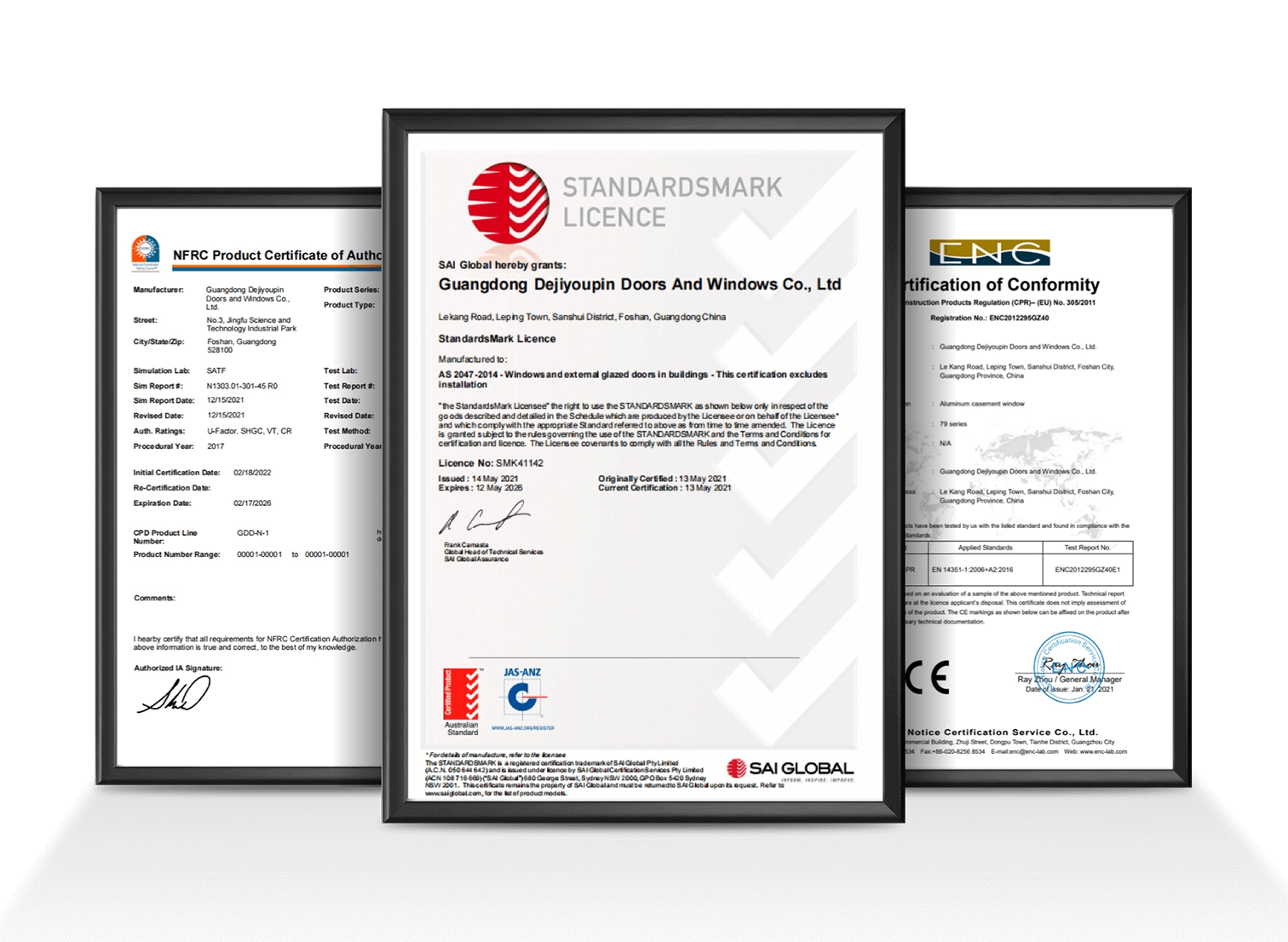
Documented Global Certifications
Backed by official NFRC thermal ratings, CE compliance for European directives, Australian AS 2047 N6 cyclonic testing, and UL fire-rated certifications. Full physical test reports provided for municipal code approvals.

End-to-End OEM/ODM Customization
Full-scope custom engineering from custom die extrusion tooling, anodizing (up to 25 μm) and fluorocarbon (PVDF) surface treatments, to bespoke multi-point panic entry systems and smart architectural biometric access integration.
Frequently Asked Questions for Project Specifiers & Importers
Clear, definitive technical answers addressing material selection, quality control tolerances, container shipping logistics, and compliance verification.