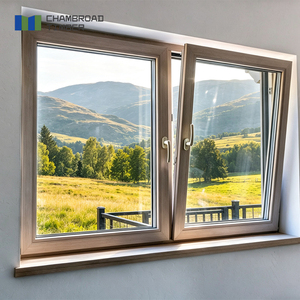
Precision Engineered fenestration
High-Performance Aluminium Insert Window Systems
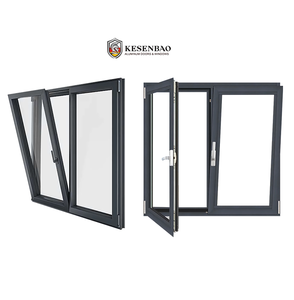
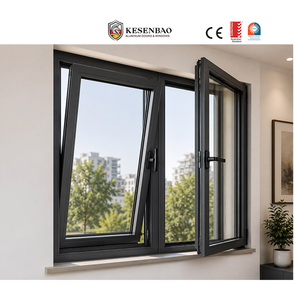
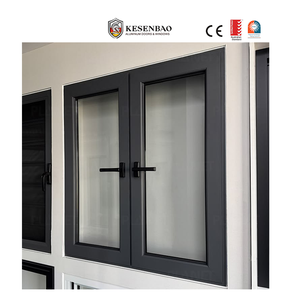
Explore our export-certified aluminium window systems, engineered with advanced thermal-barrier inserts, integrated acoustic dampening, and multi-locking security configurations for heavy-demand environments worldwide.
25+
Years Engineering Precision
180,000 m²
Manufacturing Infrastructure
600+
Certified Factory Technicians
100+
Patents & Global Certifications
Architectural Anatomy of Insert Windows: OEM/ODM Structural Dynamics
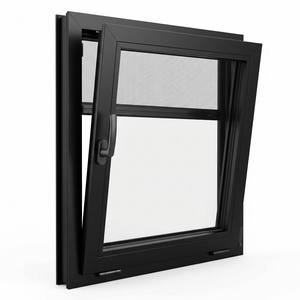
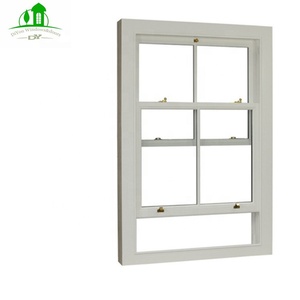
In modern fenestration architecture, an insert window (also commonly referred to in high-performance retrofit and architectural circles as a replacement sash unit or pocket window) is engineered to install within existing structural jambs without disturbing external facade cladding or interior plasterwork. However, in tier-one OEM/ODM industrial manufacturing, the definition expands significantly. Insert windows encompass modular fenestration profiles that utilize interchangeable sash inserts, architectural grill inserts, motorized Venetian blind cassettes, and multi-chamber polyamide thermal breaks.
Our Foshan manufacturing cluster utilizes precision-extruded 6063-T5 and 6063-T6 virgin aluminium alloys, combined with imported techno-polymer PA66 GF25 insulation strips. This mechanical cohesion achieves optimal shear strength and mitigates the bi-metal bending effect caused by acute temperature differentials between hot exterior facades and air-conditioned interiors. Whether designing for typhoon-prone coastal belts or sub-zero continental climates, our structural framing provides the rigidity necessary to span oversized structural apertures with razor-thin visual sightlines.
Thermal Barrier Insert Engineering
Thermal bridging in standard aluminum frames leads to severe condensation and energy loss. Our systems incorporate multi-cavity PA66 polyamide inserts combined with polyurethane foam infusion, achieving thermal transmittance values as low as Uw ≤ 1.1 W/m²K for Passive House applications.
Hermetic Multi-Tier Gasket Cavity
Utilizing co-extruded cellular EPDM vulcanized rubber gaskets along the frame perimeter ensures perpetual elasticity and high-recovery compression. Our insert windows withstand dynamic wind loads exceeding 4500 Pa (equivalent to Category 5 hurricanes).
Acoustic Decibel Attenuation
Urban high-density zoning demands rigorous acoustic insulation. By combining asymmetric laminated glass configurations (e.g., 6mm Low-E + 12A Argon + 5mm + 0.76PVB + 5mm) with vibration-damping sash inserts, we deliver sound transmission class ratings up to STC 44 dB.
Industry Strategic Forecasting
Future Procurement & Design Trends in Aluminium Windows
A comprehensive analysis for global real estate developers, procurement heads, and architectural consultancies navigating the decarbonization wave and next-generation smart building standards.
1. The Shift to Decarbonized Low-Carbon Extrusions (Hydro-Powered Smelting)
Global architectural specifications increasingly stipulate Scope 3 emission targets under ESG mandates. Importers across North America, Europe, and Australasia are moving away from traditional coal-fired aluminium ingots. Procurement trends show a 42% compound annual increase in contract clauses demanding secondary recycled aluminium billets (minimum 40% post-consumer content) and hydro-smelted low-carbon extrusions with certified Environmental Product Declarations (EPD). As a factory, our integrated supply chain offers verified cradle-to-gate carbon documentation, ensuring commercial compliance with international green building benchmarks including LEED v4.1 and BREEAM.
2. Intelligent Fenestration: IGU-Embedded Shading & Smart Actuation
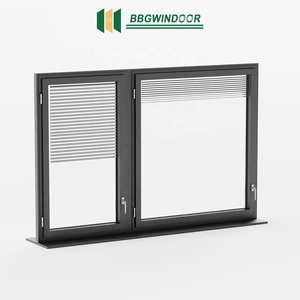
Mechanical external blinds are notoriously prone to high wind damage, salt corrosion, and maintenance liabilities. Global commercial developers are standardizing on integrated hollow-core blind inserts. Sealed between hermetic double or triple-glazed units filled with 95% dry Argon gas, motorized magnetic blinds require zero user cleaning, exhibit zero mechanical degradation from humidity, and integrate directly with central Building Management Systems (BMS) through KNX or Zigbee smart protocols.
3. Minimalist Narrow-Sightline Sash Inserts with Concealed Drainage
The contemporary aesthetic demands maximum transparent surface area. The trend toward "invisible frame" engineering has spurred OEM demands for insert profiles with structural sightlines under 35mm. Achieving this without sacrificing static load capacities requires finite element analysis (FEA) optimization of internal aluminium webs, combined with hidden drainage cascade chambers that eliminate visible weeping hole covers while effectively handling torrential rainfalls over 120mm/hr.
| Performance Metric | Standard Commercial Aluminium | DERCHI Industrial OEM Insert Systems | Architectural Benefit / Project Impact |
|---|---|---|---|
| Alloy Grade & Wall Thickness | Generic 6063-T5 (1.2mm - 1.4mm) | High-Tensile 6063-T6 (1.8mm - 2.2mm) | Eliminates structural deflection under severe cyclic wind loads |
| Thermal Insulation (U-Factor) | Uw ≥ 3.2 W/m²K (Unbroken or basic strip) | Uw ≤ 1.2 W/m²K (Multi-Chamber PA66 + Aerogel) | Reduces HVAC electrical operational expenditure by up to 34% |
| Air Permeability & Water Head | Class 2 (300 Pa Water Penetration) | Class 4 / AS 2047 N6 (Exceeds 700 Pa) | Guaranteed zero water ingress during severe monsoon typhoons |
| Corrosion Resistance (Finish) | Standard Anodized 10 μm / Basic Powder | Qualicoat Class 2 / PVDF Fluorocarbon 40 μm | Resists saline sea-spray degradation in coastal resort zones |
| Hardware Cycle Life | 10,000 to 25,000 Mechanical Cycles | Tested to 100,000+ Full Heavy-Duty Cycles | Substantially minimizes multi-family and hotel warranty liability |
Enterprise Core Competence
Guangdong Dejiyoupin Doors and Windows Co., Ltd. (DERCHI)
Ranked among China's Top 10 fenestration industry leaders. We merge advanced European fabrication standards with large-scale industrial manufacturing capabilities in Foshan, Guangdong.
25+ Years Industrial Heritage
Over a quarter-century of focused engineering in aluminum fenestration, entry doors, pivot gates, and curtain systems, supplying tier-1 builders globally across North America, Australia, Europe, and South Asia.
180,000 m² Mega Manufacturing Base
Equipped with computerized multi-axis CNC machining centers, automated insulating glass gas-filling lines, digital corner crimping machines, and climate-controlled clean assembly facilities.
Full Turnkey OEM/ODM Engineering
Our dedicated R&D department provides complementary CAD shop drawing production, static calculation engineering, custom die-extrusion mould development, and rapid 3D prototyping.
Stringent International Certifications
Our products comply with and exceed world-renowned quality standards including CE (EN 14351-1), ISO 9001, AS 2047 (Australian N6 cyclone benchmark), CSA for North America, and UL Fire Ratings.
100+ Technological & Design Patents
Relentless innovation yields industry-leading developments in concealed perimeter hinges, acoustic multi-cavity drainage profiles, and high-security multi-point locking mortise systems.
Heavy Ocean-Freight Export Packaging
Zero transit breakages guaranteed via our 5-tier export pack: protective scratch films, high-density closed-cell corner foam, desiccants, heavy strapping, and reinforced solid fumigated wooden crates.
Multilingual Technical Support
Our project management staff features fluent English-speaking structural facade specialists who understand international building codes, CSI specification formats, and cross-border CIF/FOB logistics.
Comprehensive Material Traceability
Every extrusion batch undergoes strict spectrometer verification for alloy composition, barcode tracking throughout the factory floor, and 100% mechanical pre-assembly testing prior to shipment.
Direct Clarifications
Frequently Asked Questions on Sourcing Aluminium Insert Windows
Detailed technical, logistical, and commercial answers compiled by our engineering directors to streamline your vendor auditing and request-for-quotation process.
What distinguishes an insert window system from full-frame replacement fenestration?
An insert window system (also known as a pocket or sash-replacement insert) is engineered with a perimeter frame specifically designed to slot into an existing structurally sound window jamb or sub-frame. Unlike full-frame installations, insert installations do not require stripping back external stone cladding, brick facades, exterior thermal insulation, or interior trims. This dramatically cuts on-site installation labor by up to 60%, eliminates scaffolding requirements in multi-story residential towers, and prevents disruption to occupants. From an OEM perspective, we custom-extrude the outer flange and receiver channels to ensure a watertight, mechanically stable fit against varying pre-existing perimeter substrates.
How does your factory ensure profile structural stability and prevent thermal expansion buckling?
We use exclusively high-purity 6063-T5/T6 alloy profiles with a strict minimum wall thickness of 1.8mm to 2.0mm for architectural insert casements. When building thermal break systems exposed to acute exterior solar heat (such as desert environments or tropical latitudes exceeding 45°C), we employ composite polyamide PA66 GF25 strips with precision knurling and mechanical rolling. Our engineering software performs structural deflection analysis under wind load (calculating L/175 and L/250 criteria per ASTM E330 and AS 1170.2 standards) and calculates expansion tolerance gaps to allow expansion and contraction without stress-cracking perimeter sealant beads or bowing window sashes.
Can we specify custom glass configurations such as Low-E coatings, acoustic interlayers, and triple glazing?
Yes, our fully automated glass processing shop floor accommodates virtually any glass specification. Options include:
- Low-E Hard and Soft Coatings: Offline triple-silver Low-E (solar heat gain coefficients down to SHGC 0.22) for strict ASHRAE 90.1 energy codes.
- Laminated Safety & Acoustic Glazing: Acoustic PVB, Kuraray SentryGlas (SGP) interlayers for hurricane shatterproof impact resistance and high decibel dampening.
- Gas Cavity Insulation: Automated 95% dry Argon gas flushing with warm-edge composite spacers (Technoform / Swisspacer) to eliminate thermal boundary degradation at the glass edge.
What surface finish treatments are available to survive harsh coastal and industrial environments?
To satisfy demanding architectural exposure requirements, we offer three primary tier-one coating types:
- Qualicoat Class 2 Powder Coating: AkzoNobel or PPG super-durable architectural powders offering 15 to 25 years gloss retention and color stability.
- PVDF (Fluorocarbon) Spray Coating: 3-coat or 4-coat fluoropolymer systems containing minimum 70% Kynar 500 / Hylar 5000 resins, specifically formulated for severe coastal salt-fog environments (withstanding over 4,000 hours of ASTM B117 salt spray testing).
- Architectural Anodizing: Class 1 (minimum 18-25 microns film thickness) providing ultra-hard surface abrasion resistance for high-traffic commercial environments.
What is your typical production lead time, minimum order quantity (MOQ), and ocean export workflow?
Because our production lines are fully digitalized, our MOQ starts flexibly from small custom villa projects up to multiple 40HQ container shipments for commercial mixed-use developments.
Typical lead times are 25 to 35 business days following final sign-off of our structural CAD shop drawings and glass schedule. We maintain long-term shipping agreements with major international container carriers (Maersk, COSCO, MSC, ONE), delivering seamlessly under FOB, CIF, or DDP terms to major hub ports worldwide including Long Beach, New York, Hamburg, Rotterdam, Jebel Ali, Sydney, Nhava Sheva, and Singapore.