High-Performance Architectural Openings & Door Assemblies
Engineered for high-humidity coastal zones, institutional high-traffic developments, and luxury residential projects across South Asia, the Middle East, and North America.
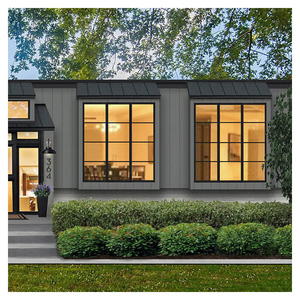
Hihaus New Custom Luxury Villas Black Crittall Aluminum Steel windows Fixed
Ultra-narrow sightline crittall profile system with thermal-barrier inserts, structural glazing, and multi-chamber weather seals.
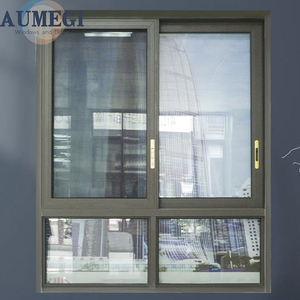
Aumegi Double Glazing Aluminum Glass Sliding Window Green Color Sliding Windows
Heavy-duty dual track sliding system featuring argon-filled low-E glass and anti-lift engineering for high-rise wind resistance.
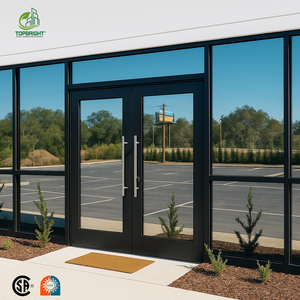
Topbright Modern Commercial Hotel Storefront Door Soundproof Aluminum Framed Double Glass Exterior Security Hinged Foldable
Reinforced perimeter door stiles, multi-point lock integration, and impact-modified corner cleats for heavy hospitality traffic.
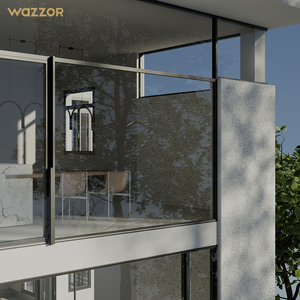
Wazzor House Windows For Sale Factory Direct Price Aluminum Glass Casement Window With Mosquito Fly Net Screen
Triple-gasket EPDM weatherstripping coupled with high-tensile stainless wire insect netting for tropical rainstorm resilience.
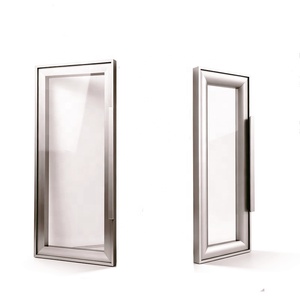
Competitive Price Aluminum Frame Toughened Glass Wardrobe Door with Brass Finish Minimalist Design Lifetime Warranty
Anodized brushed brass architectural casing, soft-close dampening hardware, and anti-shatter tempered glass substrate.
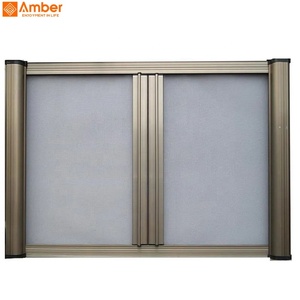
Lightweight Aluminum Woven Wire Mesh Corrosion Resistant Metal Screen For Window Insect Net And Door Fly Screen
Marine-grade precision woven mesh treated with thermoset black polyester powder to resist coastal salt fog degradation.
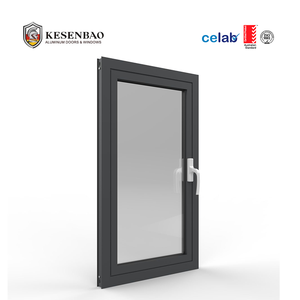
Hot Products Modern Waterproof Double Glazed Aluminum Vinyl Casement windows With Screens For Home
Integrated multi-chamber vinyl/aluminum hybrid extrusion delivering superior U-values and condensation prevention in extreme climates.
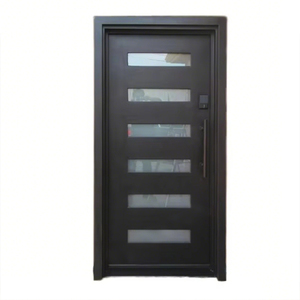
Houses Exterior Modern Casement Door Aluminum Entry Doors Exterior Security Doors
Heavy structural profile with hidden pivot bearings, anti-pry latching plates, and solid composite panel infill for premier residences.
1. Executive Sourcing Brief: The Metallurgical & Phenolic Composite Shift
In global fenestration engineering, the term Aluminium Bakelite Door designates a specialized composite architectural assembly consisting of structural 6063-T5 or 6063-T6 aluminum alloy framing profiles encapsulating a high-pressure thermosetting phenol-formaldehyde composite panel (frequently specified in commercial tenders as solid phenolic compact sheet or Bakelite laminate board). Originating as the world's first synthetic thermosetting plastic, modern architectural Bakelite incorporates cellulose kraft papers impregnated with synthetic phenolic resins, consolidated under intense mechanical pressure exceeding 1,400 PSI (9.6 MPa) at temperatures upward of 150°C.
For international procurement directors, general contractors, and MEP consultants operating in regions characterized by relentless humidity, monsoon cycles, subterranean termite aggression, and extreme ambient temperature differentials (such as India, Pakistan, Bangladesh, Sri Lanka, the Gulf Cooperation Council, and Southeast Asia), traditional timber, standard hollow wood-plastic composites (WPC), and low-gauge unplasticized PVC consistently fall short. Wood swells, rots, and delaminates; hollow PVC undergoes embrittlement under high solar UV irradiation; and untreated steel assemblies suffer fatal galvanic corrosion at the threshold level. Aluminium Bakelite doors eliminate these failure mechanisms entirely by uniting the structural inertia and precision tolerances of extruded aluminum with the zero-porosity, chemically inert, and fire-retardant qualities of solid thermoset phenolic resins.
Comparative Performance Analysis: Fenestration Substrates
Empirical laboratory metrics evaluating structural durability under tropical, marine, and high-frequency operational environments.
| Performance Metric | Aluminium Bakelite Door | Solid Teak / Hardwood | Hollow Cellular WPC | Galvanized Mild Steel |
|---|---|---|---|---|
| Moisture Absorption (24h immersion) | < 0.08% (Impervious) | 14.5% - 22.0% (Severe Swelling) | 1.8% - 3.5% (Capillary Creep) | 0.00% (Surface Oxide Risk) |
| Subterranean Termite Vulnerability | 100% Immune (ASTM D3345: 10) | High Susceptibility (Requires Biocide) | Immune (Synthetic Core) | 100% Immune |
| Bending Modulus (Elasticity) | 68,900 MPa (Aluminum Frame) | 10,000 - 14,000 MPa | 2,400 - 3,500 MPa (Prone to Sag) | 200,000 MPa |
| Fire Reaction & Flame Spread | Class B1 / UL 94 V-0 Self-extinguish | Class C / Highly Combustible | Class B2 / Emits Dense Smoke | Class A1 Non-combustible |
| Surface Hardness (Rockwell M / Shore D) | Rockwell M 105 - 115 (Anti-Scratch) | Shore D 55 - 65 | Shore D 45 - 55 (Easily Dented) | Rockwell B 60 - 75 |
| Coastal Salt-Spray Resistance (ASTM B117) | > 3,000 Hours (Fluorocarbon/Qualicoat) | Surface Varnish Peeling (<500 hrs) | > 2,000 Hours | Pinhole Rusting at Welds (<720 hrs) |
| Design Service Life | 35+ Years Zero Structural Rot | 10 - 15 Years (Heavy Maintenance) | 7 - 12 Years (Hinge Pullout Risk) | 15 - 20 Years (Corrosion Dependent) |
Engineering Directive for Specifiers: When detailing Aluminium Bakelite systems for institutional wet areas, coastal villas, or hospital corridors, mandate an aluminum wall profile thickness of not less than 1.6mm for interior leaves and 2.0mm for exterior security thresholds, combined with a core phenolic density exceeding 1,400 kg/m³. This prevents torsional racking and hardware screw-strip failure under continuous cycles.
How to Evaluate a Top 10 Aluminium Bakelite Door Manufacturer & Exporter
Global supply chain failures frequently trace back to under-capitalized workshops masquerading as full-scale extruders. Utilize this five-tier vetting rubric during your factory qualification process.
1. Extrusion & Billet Integrity
Top-tier manufacturers operate computerized horizontal extrusion presses utilizing certified 6063-T5 virgin aluminum billets rather than remelted post-consumer scrap. Virgin ingots deliver homogenous grain structures capable of accepting Qualicoat Class 2 architectural powder coating and 25-micron deep anodizing without micro-cracking.
2. Precision CNC Joint Engineering
Inferior suppliers rely on manual mitering, leading to water egress at 45-degree corner seams. Premier exporters employ 4-axis or 5-axis CNC machining centers that integrate structural aluminum corner keys, chemical corner injection bonding, and precision pneumatic crimping to guarantee millimeter-accurate squaring.
3. Phenolic Core Chemistry
Inspect the resin formulation: authentic architectural Bakelite utilizes high-density phenolic resin (phenol + formaldehyde condensation polymer) cured under continuous thermal press cycles. Low-cost counterfeiters dilute the core with recycled urea-formaldehyde or paper filler, leading to internal delamination when exposed to shower steam.
4. Certified International Testing
A legitimate global exporter must substantiate marketing assertions through accredited third-party test dossiers: ISO 9001 quality management, CE marking (EN 14351-1 for external pedestrian doors), Australian AS 2047 cyclic wind/water tightness certification, and UL 10C positive pressure fire-endurance documentation.
5. Export Packaging Standards
Long-distance maritime shipping across high-humidity sea lanes poses severe risks of oxidation and physical distortion. Vetted exporters employ 5-layer heavy corrugated interleaving, closed-cell corner foam guards, heat-shrink polyethylene wrapping, and ISPM-15 fumigated solid plywood crating with internal steel strapping.
6. Contractual Lead-Time Adherence
Commercial high-rise projects incur crushing liquidated damages when fenestration schedules stall. Top-tier Chinese manufacturing clusters in Foshan maintain integrated supply ecosystems where extrusion, powder coating, CNC glass processing, and phenolic panel pressing exist within a 15-kilometer radius, ensuring 20-25 day cycle times.
Guangdong Dejiyoupin Doors and Windows Co., Ltd. (DERCHI)
Ranked among China's Top 10 premium door and window industrial brands, DERCHI operates as an integrated technological powerhouse headquartered in Shishan Town, Nanhai District, Foshan City—the undisputed global epicenter of architectural aluminum manufacturing. With an expansive production footprint exceeding 180,000 m² and more than 600 skilled technicians, DERCHI solves the supply chain bottlenecks that overseas buyers routinely face.
- 25+ Years Industrial Heritage: Delivering precision architectural fenestration worldwide.
- Rigorous Global Certifications: CE, ISO 9001, Australian AS 2047 N6, and UL Fire Ratings.
- 100% In-House Engineering: Dedicated BIM/CAD shop drafting team supporting custom Vastu and architectural specifications.
- Direct Port Logistics: Seamless FOB/CIF shipping to Nhava Sheva, Mundra, Karachi, Chittagong, and Colombo.

Future Procurement & Technological Trends (2025–2030)
The global market for composite architectural doors is undergoing rapid material transformation driven by green building mandates, smart living infrastructure, and structural envelope efficiency.
1. Polyamide PA66 Thermal-Break Hybridization
Traditional non-broken aluminum profiles transmit solar radiant heat rapidly into air-conditioned interior living zones. Upcoming architectural standards mandate the insertion of 24mm to 34mm fiberglass-reinforced Polyamide (PA66 GF25) thermal-break struts between the exterior aluminum framing and the internal Bakelite composite leaf, reducing U-values below 1.4 W/(m²·K) for compliance with IGBC, LEED, and Estidama standards.
2. Antimicrobial & Hospital-Grade Phenolic Resins
Post-pandemic healthcare tenders in the UAE, India, and Southeast Asia specify specialized silver-ion and nano-titanium dioxide additives chemically cross-linked into the outer decorative layer of Bakelite doors. This molecular modification achieves a 99.9% surface pathogen kill rate within 24 hours, resisting harsh hospital-grade chlorine washdowns without surface hazing or discoloration.
3. IoT-Integrated Biometric Concealed Hardware
Surface-mounted rim locks are yielding to factory-milled concealed multi-point motorized locking systems. Future-ready Aluminium Bakelite assemblies arrive pre-wired with flexible internal armored conduit tracks, integrating optical 3D facial recognition, Tuya/Zigbee smart home relays, and fail-secure magnetic drop-bolts directly inside the structural extrusion stile.
4. Monumental Oversized Pivot Engineering
Luxury villa architecture across Mumbai, Lahore, and Dubai demands monumental entrance openings reaching heights of 3.5 to 4.2 meters and widths up to 2.0 meters. Sourcing trends favor single-leaf heavy-duty floor-spring pivot systems with integrated internal anti-warp tension rods concealed within the phenolic core to counteract thermal deflection caused by scorching exterior heat and sub-20°C interior air-conditioning.
5. Circular Economy & Bio-Based Phenolics
With corporate ESG compliance dictating material selection, Tier-1 manufacturers are introducing low-carbon primary aluminum smelted via hydropower alongside bio-phenolic resins synthesized from lignin and cashew nut shell liquid (CNSL). This achieves a 40% reduction in cradle-to-gate embodied carbon footprint without sacrificing structural tensile strength.
6. Full-Assembly Pre-Hung Containerized Modularization
To eliminate expensive job-site carpentering and alignment errors on overseas sites, contractors are abandoning "knock-down" profiles in favor of fully plumbed, pre-hung cassette systems. Complete with architraves, subframes, perimeter acoustic drop seals, and precision-mortised hinges, these units reduce site installation labor time by over 65% per opening.
Frequently Asked Questions: Global Procurement & Specification
Authoritative answers addressing engineering parameters, chemical durability, cross-border freight logistics, and custom architectural fabrication.
What is the chemical difference between Bakelite and ordinary PVC doors?
Bakelite is a rigid, thermosetting phenol-formaldehyde polymer that cures irreversibly through covalent cross-linking under heat and pressure; once cured, it cannot melt, soften, or flow. PVC (polyvinyl chloride) is a thermoplastic composed of linear polymer chains that soften under moderate heat (65°C) and degrade rapidly under UV exposure. Aluminium Bakelite doors withstand boiling water, chemical detergents, and intense heat without warping or releasing plasticizers.
How do Aluminium Bakelite doors perform under coastal monsoon downpours?
They provide the highest weather performance rating available. The aluminum perimeter framing utilizes continuous co-extruded EPDM compression gaskets combined with internal drainage weep channels. Because the solid Bakelite sheet core has an ASTM moisture absorption rate below 0.08%, it is physically incapable of absorbing humidity, swelling against the jamb, or binding in high-humidity zones like Mumbai, Kerala, Chittagong, or Colombo.
Can door panel textures replicate authentic natural timber veneers?
Yes. Utilizing vacuum thermal sublimation transfer technology or exterior-grade PVDF architectural decorative foils (such as Renolit or Continental), the outer phenolic surface reproduces authentic architectural hardwoods (such as Teak, Walnut, Rosewood, and European Oak) down to realistic tactile grain textures. These panels maintain zero-fading UV stability without the sanding, varnishing, and termite treatment mandated by natural timber.
Can DERCHI customize openings according to traditional Vastu Shastra rules?
Absolutely. Every door manufactured by DERCHI is made to measure from raw architectural extrusions. Our technical engineering division reviews your architectural schedules to ensure dimensions, threshold elevations, clockwise inward-swing orientations, and ornamental panel configurations strictly adhere to Vastu guidelines or bespoke architectural grid lines, backed by complimentary AutoCAD shop drawings.
What documentation is required to clear customs in South Asian ports?
DERCHI provides a comprehensive export documentation package tailored to local customs clearance protocols in India (Nhava Sheva, Mundra, Chennai), Pakistan (Karachi), Bangladesh (Chittagong), and Sri Lanka (Colombo). This includes the Commercial Invoice, Packing List, Clean On-Board Bill of Lading, Certificate of Origin (Form B/FTA where applicable), Factory Mill Test Certificates, and ISPM-15 Certified Wood Crating Fumigation Certificates.
What fire-resistance ratings do these composite systems achieve?
Standard solid phenolic Bakelite panels exhibit inherent self-extinguishing behavior meeting UL 94 V-0 and Class B1 under EN 13501-1 standards. For specialized commercial egress routes, DERCHI engineers assemblies with internal non-combustible magnesium oxide (MgO) or ceramic fiber cores, achieving 30-minute to 90-minute fire ratings certified under positive pressure testing protocols.
How does the structural hinge integration prevent sagging over time?
Because solid phenolic sheets carry significant density (1,400+ kg/m³), screws driven directly into composite sheets without reinforcement can loosen under cyclic stress. DERCHI incorporates internal heavy-gauge 6063-T6 aluminum hinge-reinforcement backer plates (3.0mm thickness) within the door leaf profile. Premium 3D-adjustable concealed hinges or stainless steel ball-bearing hinges are machine-tapped directly into these structural plates, tested up to 200,000 continuous opening cycles.
What is the standard production lead time for full container load (FCL) orders?
For custom-extruded and powder-coated architectural specifications, production cycle times range between 20 to 28 calendar days from approved CAD shop drawings and deposit verification. Consolidated multi-product shipments combining entrance pivot doors, casement systems, and fixed glazing assemblies are container-optimized at our Foshan facility to minimize ocean freight charges.
Initiate Your Architectural Sourcing Tender
Connect directly with our engineering sales division for detailed material certifications, full product catalogs, CAD cross-sectional profiles, and factory-direct commercial quotations.