Engineered Architectural Window & Door Solutions
Explore heavy-duty, moisture-resistant fenestration products manufactured to stringent international waterproofing, thermal insulation, and anti-corrosion standards. Directly customizable for modern wet rooms, luxury master suites, and commercial washrooms.
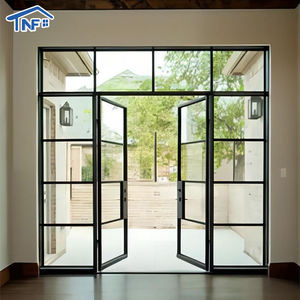
- Double Tempered Safety Glass
- Continuous EPDM Hermetic Gasket
- Architectural Radius Bending
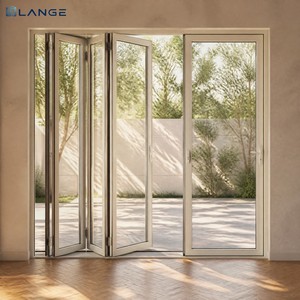
- Stainless Steel Silent Bottom Tracks
- Flush Threshold Drainage Channel
- Multi-Point Anti-Pry Lockset
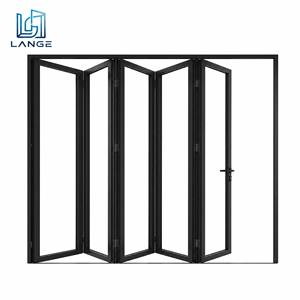
- Polyamide PA66 Thermal Barrier
- Heavy-Duty Wind Pressure Rating
- Fluorocarbon Exterior Finish
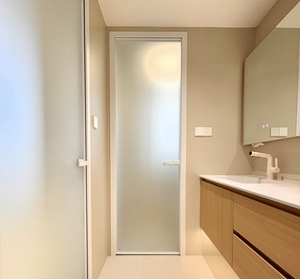
- 100% Moisture Proof Sealed Frame
- Acid-Etched Fluted Privacy Glass
- Anti-Corrosion Anodized Hardware
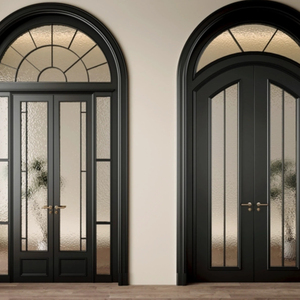
- Classic Colonial Grid Pattern
- Marine-Grade AkzoNobel Powder
- Argon-Filled Insulating Glazing
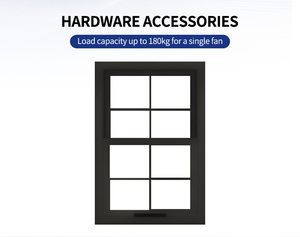
- Integrated Tilt-In Sash Cleaning
- Hidden Trickle Micro-Ventilation
- Low-E Heat Reflection Coating
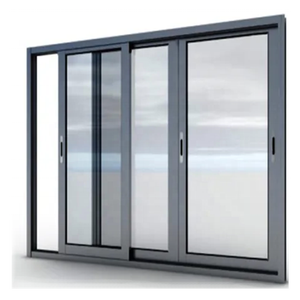
- Acoustic STC 42dB Rating
- Heavy Guiding Stainless Rollers
- Hurricane Typhoon Wind Resistance
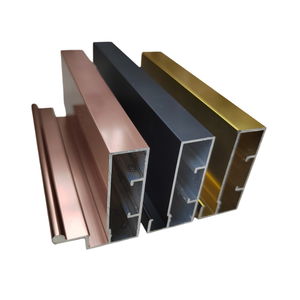
- Primary 6063-T5 Billet Extrusion
- Seamless Corner Joint System
- Custom Milling & CNC Hole Punching
The Engineering Challenges of Bathroom Fenestration
Bathrooms represent the most mechanically and chemically aggressive microclimate within any architectural building envelope. Sourcing aluminium bathroom windows demands stringent physical metrics far exceeding standard perimeter facades.
Condensation & Thermal Barrier
Hot shower steam rapidly nucleates on cold exterior glass and uninsulated aluminium frames. High-performance bathroom systems integrate multi-cavity PA66-GF25 glass fiber reinforced polyamide thermal strips to elevate the interior surface temperature above the critical dew point, eliminating toxic black mold (Stachybotrys) growth.
Corrosion & Chemical Resistance
Shower steam carrying aerosolized chlorides, surfactants, and acidic cleaning agents attacks standard metal finishes. Architectural bathroom extrusions require minimum 25-micron Qualicoat Class 2 anodized finishes or 3-coat fluorocarbon PVDF systems capable of withstanding 4,000+ hours of continuous neutral salt-spray exposure (ASTM B117).
Dynamic Vapor Permeability & Sealing
Unlike dry-zone windows, bathroom units undergo rapid pressure cycles caused by mechanical exhaust fans. Quadruple-barrier co-extruded EPDM continuous vulcanized perimeter gaskets prevent moisture ingress into wall cavities, ensuring water tightness ratings exceeding 1000 Pa under driving rain conditions.
Optical Privacy & Sound Attenuation
Balancing natural daylight harvesting with absolute visual obscurity is paramount. Modern bathroom glazing leverages acid-etched obscure glass, fluted architectural reeded patterns, or polymer-dispersed liquid crystal (PDLC) switchable smart film combined with acoustic PVB interlayers offering Sound Transmission Class (STC) ratings above 38 dB.
Top 10 Aluminium Bathroom Window Manufacturers & Factories
An exhaustive benchmark of the world’s preeminent fenestration fabrication groups evaluated on engineering tolerances, automated extrusion capacity, quality certifications, and custom wet-room fenestration capabilities.
DERCHI (Guangdong Dejiyoupin)
Schüco International
Reynaers Aluminium
YKK AP Inc.
Kawneer Company
Alumil Aluminium
LIXIL Corporation
Wicona Building Systems
Guangdong Xingfa
Guangdong JMA
| Manufacturer | Primary Production Region | Compliance & Certifications | Wet-Area Glazing Capability | Thermal Break Profile | OEM Custom Flexibility |
|---|---|---|---|---|---|
| DERCHI (Guangdong Dejiyoupin) | Foshan, China (180,000 m²) | AS 2047 N6, CE, ISO 9001, UL | PDLC Smart Glass, Frosted Fluted, Low-E | PA66-GF25 Multi-Chamber | 100% Bespoke CAD / Shop Drawings |
| Schüco International | Germany / Global Network | DIN EN 14351, CE, Passivhaus | Insulated Triple Glazed, Acoustic Laminate | Isobar Polyamide Insert | System Modular Licensing |
| Reynaers Aluminium | Belgium / European Plants | Qualicoat, CE, Cradle to Cradle | Double/Triple Acoustic Low-E | Integrated High-Insulation Bars | Architectural Project Engineering |
| YKK AP Inc. | Japan / Southeast Asia / USA | JIS, AAMA, ISO 14001 | Heat-Reflective Micro-Louver Units | Thermaflect Composite Interlock | Standardized Modular Specs |
| Kawneer (Arconic) | USA / United Kingdom | ASTM E330, AAMA 101, Miami-Dade | Impact Laminated Blast Resistant | Thermal Isolator Polymer | Commercial Spec Driven |
| Alumil S.A. | Greece / Southeast Europe | ift Rosenheim, CE, ISO 9001 | Anti-Corrosive Marine Double Glazing | Fiberglass Reinforced Polyamide | Mid-to-High Project Lines |
| LIXIL / TOSTEM | Japan / Thailand / India | JIS, SIRIM, TISI | Easy-Clean Hydrophobic Coated | Resin-Aluminium Hybrid Frame | Catalog Standard Formats |

Guangdong Dejiyoupin Doors and Windows Co., Ltd. (DERCHI)
Recognized as an industry-leading brand among China's top tier door and window manufacturers, Guangdong Dejiyoupin Doors and Windows Co., Ltd. integrates raw aluminium profile extrusion, automated CNC precision corner crimping, dust-free double/triple glazing fabrication, and strict climate testing under one roof.
Operating across an expansive 180,000 m² facility with over 600 skilled technicians, DERCHI brings more than 25 years of engineering experience delivering high-end architectural fenestration to demanding markets including Australia, North America, the Middle East, and Southeast Asia.
By removing intermediary trading companies, DERCHI offers direct factory-to-project procurement with custom shop CAD detailing, structural wind-load calculations, FOB/CIF container shipping to major world ports, and complete warranty protection.
Inquire NowBathroom Window Procurement & Technology Trends (2025–2030)
Architectural fenestration is experiencing an unprecedented convergence of thermal efficiency, smart glass integration, and environmental lifecycle responsibility. Sourcing teams must anticipate these six pivotal industry shifts.
Smart PDLC Switchable Glazing
Traditional blinds and curtains gather moisture, mildew, and limescale in wet rooms. Procurement is pivoting towards integrated electrochromic and Polymer Dispersed Liquid Crystal (PDLC) double glazing, allowing occupants to transition from total optical transparency to milky privacy via wall switch, presence sensor, or building automation.
Ultra-Slim 20mm Sightline Frames
Minimalist architecture demands virtually invisible profiles with concealed friction hinges and sub-floor drainage channels. High-tensile 6063-T6 alloy profiles engineered with deep web chambers now permit 20mm visible sightlines while sustaining high wind-load pressures and large-format structural glass panels.
Integrated Trickle Micro-Ventilation
To prevent indoor moisture stagnation without compromising acoustic privacy or building envelope security, modern bathroom window extrusions integrate pressure-equalized, acoustic trickle vents. These passive air paths continuously exhaust warm vapor without requiring the window sash to be open.
Hydrophobic Easy-Clean Nano Coatings
Hard water spots, soap scum, and calcium carbonate stains degrade standard float glass within months. Factory-applied silica nanoparticle chemical bonding cures to a diamond-hard hydrophobic surface, causing shower water and aerosol droplets to bead and slide away cleanly without manual wiping.
Decarbonized Circular Recycled Billet
ESG compliance and Green Star / LEED certifications now require documented Environmental Product Declarations (EPD). Tier-1 manufacturers are transitioning to smelters using certified 75%+ end-of-life post-consumer scrap (such as Hydro CIRCAL), slashing embedded carbon from 18kg CO2/kg to under 2.3kg CO2/kg of profile.
High-Velocity Typhoon & Monsoon Tightness
Tropical and monsoon regions (India, Bangladesh, Philippines, coastal USA) require windows engineered to AS 2047 N6 and ASTM E331. New cascading internal weep chambers with weighted anti-backflow baffles prevent cyclonic winds from forcing pooled sill water backward into luxury bathroom flooring.
B2B Procurement Officer's Factory Audit Checklist
When qualifying Chinese and international aluminium window manufacturers for luxury wet-room projects, evaluate these five mandatory engineering criteria before issuing letters of credit.
1. Alloy Purity & Wall Thickness
Insist on primary 6063-T5 or 6063-T6 architectural billets. Frame wall thicknesses for load-bearing bathroom casements must measure at least 1.4mm to 2.0mm. Reject factories utilizing unverified remelt scrap containing iron impurities that trigger internal intergranular corrosion under high humidity.
2. Corner Joint Mechanical Integrity
Inspect corner assembly methods. Superior factories employ cast aluminium corner chevrons injected with two-component polyurethane corner-joint sealant (German Weiss or equivalent) under pneumatic CNC crimping. This creates a 100% moisture-tight, indestructible mechanical corner that never leaks.
3. Hardware & Hinge Metallurgy
Standard zinc die-cast handles and mild steel screws corrode within 12 months in wet rooms. Specify 304 or 316 marine-grade austenitic stainless steel friction stays, transmission gears, and assembly fasteners tested to Grade 5 corrosion resistance (EN 1670).
4. Insulating Glass Unit (IGU) Hermetic Seal
Bathroom IGUs require dual-sealed construction: primary polyisobutylene (PIB) seal to block water vapor penetration, backed by a secondary structural silicone or polysulfide seal. Warm-edge composite spacers (Technoform or Swisspacer) mitigate edge condensation compared to raw conductive aluminium spacers.
Frequently Asked Questions by Project Sourcing Teams
Authoritative technical answers to common engineering, logistical, and material selection questions encountered when sourcing commercial aluminium bathroom windows.