Engineered Assemblies
Featured Export Architectural Systems
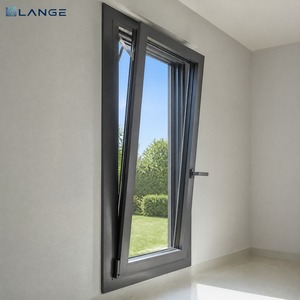
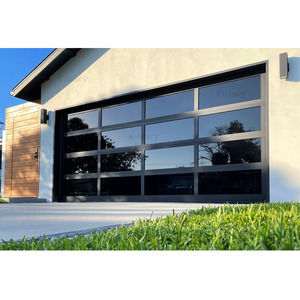
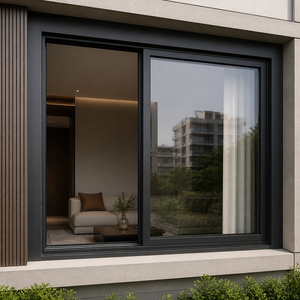
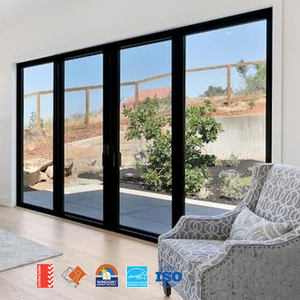
Precision-crafted fenestration solutions tested to severe cyclonic, thermal, and mechanical loading specifications across Tier-1 export markets.
25+
Years Industrial Engineering
180,000m²
Manufacturing Footprint
600+
Skilled Technicians & Engineers
100+
Global Patents & Accreditations
Technical Audit & Global Matrix
State of the Industry: The High-Performance Aluminium Fenestration Matrix
In the contemporary landscape of high-specification residential architecture, commercial hospitality developments, and luxury mixed-use estates, specifying the optimal aluminium glass double doors factory & exporter is a critical structural decision. Modern building envelopes must reconcile aggressive architectural aspirations—such as expansive floor-to-ceiling daylighting, continuous sightlines, and dramatic opening apertures—with uncompromising standards for energy conservation, acoustic isolation, structural shear stability, and life-cycle durability. An enterprise claiming a position among the global top ten manufacturers must move beyond basic profile extrusion into advanced thermal-barrier integration, multi-stage surface passive treatments, finite-element wind load optimization, and comprehensive international testing compliance.
6063-T6 Structural Metallurgy
Utilizing ultra-dense, primary architectural aluminium billets (6063-T5/T6 and 6061-T6 alloys) characterized by high tensile yield strengths (≥160 MPa). Wall thicknesses systematically calibrated between 2.0mm and 3.5mm ensure structural inertia against deflection under extreme sustained wind pressures.
PA66 Polyamide Thermal Separation
Precision-inserted, 25% glass fiber reinforced polyamide (PA66 GF25) thermal break barriers effectively isolate internal and external thermal fields. This reduces overall frame U-factors down to 1.1–1.6 W/m²K, mitigating interior condensative sweating in both extreme tropical humidity and sub-zero environments.
Acoustic & Impact Glazing Stacks
Accommodating insulating glass units (IGU) ranging from 24mm to 42mm total thicknesses. Dual- and triple-glazed configurations with low-iron tempered lites, argon cavity fills, Warm Edge warm-edge spacers, and multi-layer PVB/SGP acoustic laminated interlayers achieve sound transmission class ratings exceeding STC 42.
Enterprise Infrastructure
Manufacturing Dominance: The Foshan Industrial Cluster Advantage
Operating from the heart of Shishan Town, Nanhai District, Foshan—the world's most sophisticated aluminium structural processing capital—Guangdong Dejiyoupin Doors and Windows Co., Ltd. (DERCHI) represents the culmination of a quarter-century of technical evolution. Spanning an expansive 180,000 m² consolidated manufacturing footprint staffed by over 600 certified fenestration technicians and façade engineers, our operations integrate complete vertical production: from CAD/BIM parametric shop engineering, precision 5-axis CNC extrusion machining, and robotic robotic sealing lines, to destructive safety testing and custom seaworthy crating.
AS 2047 Cyclonic & UL Accreditations
Unlike trading intermediaries, our production lines are verified against worldwide standards including Australian AS 2047 (reaching cyclonic N6 pressure thresholds), CE (EN 14351-1), ISO 9001 quality frameworks, and UL structural fire-resistance criteria. Full laboratory testing portfolios are immediately accessible for project permitting.
Direct Factory-to-Site Logistics
Direct OEM/ODM sourcing eliminates trading markup margins while reducing specification misalignment risk. Our engineering teams operate on native international project cadences, providing direct FOB or CIF terms to primary export destination hubs including Nhava Sheva, Mundra, Karachi, Chittagong, Colombo, Manila, and Los Angeles.
Comprehensive Architectural Customization
Every double door schedule is configured to measured opening tolerances. We offer custom concealed multi-point hardware from Siegenia/Hoppe, integrated invisible stainless steel insect mesh barriers, specialized fluorocarbon PVDF powder coatings resistant to marine saline fog, and Vastu-compliant layout modifications.
Engineering Specifications
Aluminium Glass Double Door Specification Matrix
Comparative structural and performance breakdown for procurement specialists, façade consultants, and general contractors.
| Performance Parameter | Commercial Grade Specification | DERCHI Architectural Luxury Grade | Testing & Verification Protocols |
|---|---|---|---|
| Alloy Metallurgy & Temper | Recycled billet 6063-T5 (1.4–1.6mm) | Virgin 6063-T6 / 6061-T6 (2.0–3.5mm thick) | GB/T 5237, ASTM B221 Chemical & Tensile Test |
| Thermal Core Isolation | Non-thermal break or standard PVC strip | PA66 GF25 Isobaric Multi-Chamber Polyamide | DIN 4108 / EN ISO 10077 Thermal Transmission |
| Glazing Architecture | 5mm + 9A + 5mm single cavity clear | 6mm Low-E + 16Ar + 6mm / SGP Laminated Stacks | AS/NZS 2208, EN 12150, ANSI Z97.1 Safety Glass |
| Air Infiltration & Water Barrier | Single silicone seal, Level 2 water rating | Triple continuous EPDM gaskets + Sub-Sill Weep Channel | AS 2047 / ASTM E283, E331 Water (up to 700 Pa) |
| Surface Protection System | Standard electrostatic powder (30–40μm) | AAMA 2605 Compliant PVDF / Fluorocarbon (>60μm) | ASTM B117 Neutral Salt Spray Test ≥3,000 Hours |
| Locking & Perimeter Security | Standard single-point throw latch | Multi-point concealed deadlock + Smart Biometric Core | EN 1627 RC2/RC3 Burglary Resistance Testing |
Strategic Horizon
Procurement & Technology Horizons: The Next 5 Years
Procurement directors and design directors must anticipate regulatory, ecological, and stylistic shifts when executing fenestration contracts. The international trade of double glass doors is experiencing fundamental transitions driven by net-zero building regulations, extreme climate dynamics, and the pursuit of indoor-outdoor visual continuity.
Passivhaus U-Value Reductions
Global energy codes are driving mandatory reductions in fenestration U-factors. Future-proof double door systems are pivoting toward 34mm+ multi-cavity thermal struts and vacuum-insulated glazing (VIG) integrations that achieve thermal values once exclusive to solid insulated structural walls.
Smart Biometrics & Building IoT
The mechanical keyed cylinder is becoming secondary. Commercial and luxury residential procurement now demands concealed motorized multi-point gearboxes, optical recognition biometric sensors, and RS485/Zigbee automation integration embedded invisibly within the double door mullion assemblies.
Low-Carbon Circular Aluminium
Institutional specifiers in North America, Australasia, and Europe increasingly mandate certified Environmental Product Declarations (EPDs). Sourcing from facilities powered by hydroelectric smelting networks and utilizing high-ratio post-consumer scrap yields a distinct competitive edge during project green-certification audits.
Procurement Clarity
Frequently Asked Technical & Sourcing Questions
Actionable insights addressing common engineering, logistics, and verification concerns raised by overseas procurement specialists.
How does an aluminium double glass door prevent water ingress during monsoonal storm conditions?
We incorporate an engineered three-level defense mechanism: primary structural deflection at the frame lip, continuous multi-chambered EPDM compression gaskets that seal mechanically when the multi-point locking handles engage, and an independent drained sub-sill threshold. This sub-sill catches wind-driven moisture and channels it away through integrated one-way drainage flaps, successfully withstanding water penetration pressures exceeding 600 Pa.
What is the standard manufacturing lead time and export crating protocol for commercial quantities?
Standard custom production cycles range from 25 to 35 business days following final approved CAD shop drawings. For export logistics, all aluminium double door assemblies receive protective film wrappings, corner edge reinforcements, and are enclosed within non-fumigation solid plywood marine crates with internal moisture-absorbing desiccants to guarantee intact delivery through extended open-ocean transit.
Can door assemblies be customized to meet regional building wind code approvals like AS 2047 or Miami-Dade?
Yes. Our internal engineering department models structural inertia, wind loading deflection, and cyclic structural fatigue based on your specific job site coordinates. For cyclone-prone locations, we incorporate structural steel internal tube liners within the aluminium sash mullions and pair them with hurricane-tested SentryGlas (SGP) laminated glass stacks tested to extreme structural pressures.
How do you maintain finish durability and prevent oxidation in aggressive coastal marine environments?
For projects located within 5 kilometers of coastlines, we execute specialized multi-stage pre-treatments followed by AkzoNobel or PPG architectural-grade fluorocarbon PVDF coatings adhering to AAMA 2605 specifications. This creates an inert barrier that resists salt-spray degradation, microscopic pitting, and UV fading for over 20 years, far exceeding common commercial-grade powder finishes.