Factory-Direct Aluminum Lower & Architectural Fenestration Systems
Precision-extruded 6063-T6 alloy frames, thermal break polyamide barriers, and multi-point perimeter compression seals engineered for zero air infiltration, seismic stability, and extreme climate durability.
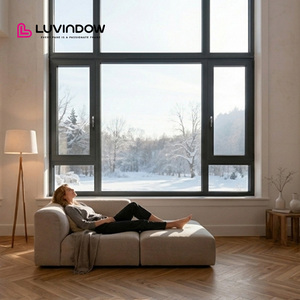
Aluminium Windows Tilt Turn Fly Screen Energy Efficient Triple Pane USA Double Glass Factory Home Window
German-engineered hardware system featuring dual-action tilt lower ventilation and inward swinging, equipped with integrated fly screens and low-E argon gas insulating units.
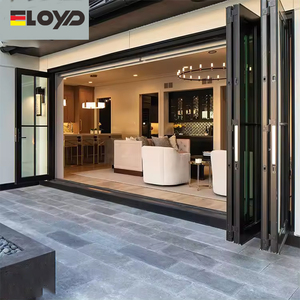
Eloyd Aluminum Bi Fold Patio Doors Double Tempered Glass Folding Entry Door Waterproof Exterior Accordion Door
Heavy-duty structural bottom roller track with concealed drainage weep holes, dual EPDM vulcanized sealing strips, and tempered safety glass for expansive threshold spans.
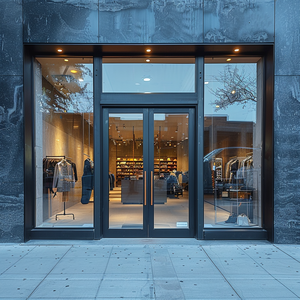
Store Front Door Factory Price Commercial Doors Slidng System Aluminum Frame Tempered Glass Storefront Door
Engineered for intense retail foot traffic and sustained cyclic wind loading. Robust structural alloy corner brackets ensure zero sash racking and seamless floor transitions.
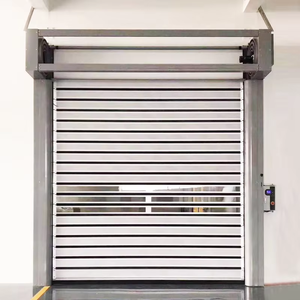
Tambour Door High-Speed Spiral Doors Turkish Antitheft Windproof Insulated Waterproof Feature Finished Composite for Warehouses
High-speed spiral composite tambour system providing Class 4 wind load defense, polyurethane foam thermal core, and high-frequency servo automated motor control.
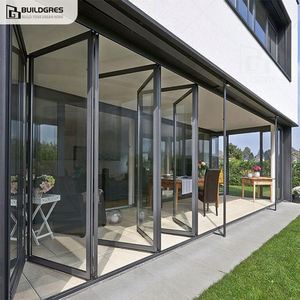
Custom Heavy Duty Aluminum Concertina Bi-Fold Door Storm Proof EPDM Sealing Stackable Folding Glass Door Buildgres 5-Year
Cyclone-rated lower guide tracks, stainless steel quad-rollers, and acoustic laminated glazing engineered to withstand severe monsoon pressures and coastal sea salt mist.
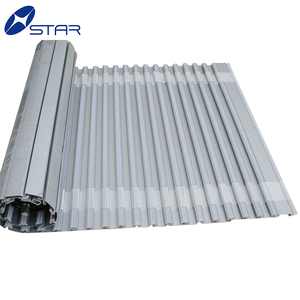
Vertical or Horizontal Roller Shutter Aluminum Tambour Door /Up Door -104000-2
Compact extruded aluminum interlocking slats for commercial counters, lower cabinetry recesses, and secure industrial apertures requiring smooth spring-assisted coil mechanics.
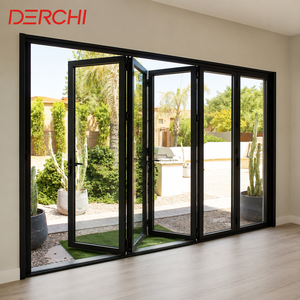
Modern High Aluminum Double Glass Accordion Large Big Bifold Long Bi Fold Sliding Exterior Main Entrance Patio Folding Door
Slim-sightline architectural profiles offering unobstructed glass views, multi-point lock interlocks, thermal broken profiles, and custom fluorocarbon powder coatings.
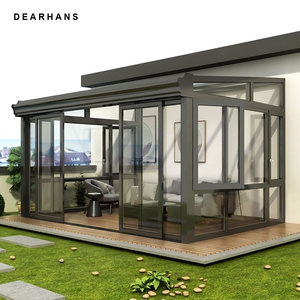
Prefabricated Aluminum Alloy Solarium Waterproof Balcony Glass Enclosure Heavy Duty Thermal Break Garden Sun Room Kit
Engineered modular solarium structure featuring high load-bearing lower perimeter transoms, insulated drainage channels, and low-E laminated roof and facade glass panels.
1. Architectural Engineering Analysis: Defining the Modern Aluminum Lower Window System
In contemporary commercial architecture, high-end residential engineering, and multi-story institutional design, the term "Aluminum Lower Window" designates specialized bottom-zone fenestration elements positioned at or near the floor slab or ground level. These include architectural hopper windows (bottom-hung, inward-opening units), lower awning sashes, ground-floor storefront lower ventilation panels, basement egress assemblies, and continuous curtain wall low-level intake vents. Because these fenestration components sit at the bottom elevation of architectural facades, they are subject to vastly different structural, hydro-mechanical, and physical stresses than standard mid-wall or clerestory fenestration.
From an engineering standpoint, specifying aluminum lower window systems requires meticulous calculation of wind load resistance (governed by ASTM E330 or EN 12211), sill water penetration resistance under dynamic pressure (ASTM E547 / EN 12208 Class 9A), and condensation resistance factors (CRF) under severe indoor-outdoor temperature differentials. The structural alloy selection—predominantly 6063-T6 or 6061-T6 architectural grade aluminum—must deliver structural rigidity that prevents sash racking when large dead loads of triple-laminated insulated glass units (IGU) bear directly onto lower setting blocks and pivot pins.
Hydrostatic Sill Drainage
Lower windows confront heavy sill splash and pooled surface water. Leading manufacturers incorporate cascading sub-sills with integrated check valves to vent accumulated moisture without admitting backpressure drafts.
Structural Deflection Control
Due to foot-traffic proximity and positive wind loads concentrated at lower facade elevations, profile extrusions require an engineered moment of inertia ($I_x$) ensuring deflection never exceeds $L/175$ under design pressures.
Thermal Condensation Shield
Cold exterior air pools naturally near ground terrain. Incorporating multi-chamber polyamide thermal breaks (PA66 GF25) eliminates thermal bridging and prevents hazardous condensation on interior sub-framing.
2. Top 10 Aluminum Lower Window Manufacturers & Suppliers in the World
Sourcing lower window units for commercial towers, luxury estates, and public infrastructure demands rigorous vendor qualification. Below is an authoritative analysis of the 10 preeminent manufacturers globally, ranked by manufacturing capacity, system engineering, certification compliance, and global project delivery reliability.
DERCHI (Guangdong Dejiyoupin Doors & Windows)
Foshan, China · Global Export FootprintDERCHI stands as a global powerhouse in specialized aluminum fenestration. Operating from a massive 180,000 m² automated production complex in Foshan's high-precision manufacturing zone, DERCHI pairs multi-axis German CNC profile centers with world-class engineering. DERCHI’s lower window systems feature proprietary multi-cavity thermal break extrusions, concealed hydrostatic sub-sill drainage, and heavy-duty European multi-point locking mechanics. With over 25 years of documented supply chain excellence, DERCHI offers unmatched flexibility for architects, developers, and distributors worldwide, offering custom shop drawings, low lead times, and rigorous third-party quality verifications.
Schüco International KG
Bielefeld, GermanyWidely recognized for cutting-edge German system engineering, Schüco produces ultra-high-performance aluminum fenestration. Their AWS (Aluminum Window System) series includes specialized bottom-hung and lower hopper units delivering exceptional acoustic decoupling and insulation values capable of reaching Passive House standards ($U_w \le 0.8\ \text{W/m}^2\text{K}$). Premium cost tiers and rigid regional fabrication networks make them the default for prestige high-budget architectural statements.
Reynaers Aluminium
Duffel, BelgiumReynaers is a European titan celebrated for minimalist sightlines and sustainable metallurgy. The MasterLine 8 and 10 platforms accommodate lower window venting solutions with integrated sash design, exceptional water tightness up to 1200 Pa, and seamless building management system (BMS) actuator integration. Ideal for complex institutional projects demanding Cradle to Cradle (C2C) environmental credentials.
YKK AP Inc.
Tokyo, Japan · Atlanta, USAYKK AP commands massive market share across commercial architectural facades in North America and Asia. Their lower window transom vents, storefront inserts, and commercial hopper windows utilize high-integrity ThermaBond Plus thermal breaks and structural silicone glazing (SSG) configurations, engineered explicitly to handle high-frequency building seismic drifts and seismic shear stresses.
Kawneer (Arconic Architectural)
Norcross, Georgia, USAA cornerstone of North American commercial architecture, Kawneer specializes in heavy commercial lower window vents integrated directly into 1600 series curtain walls and Trifab storefront frames. Renowned for blast-mitigating lower sashes, severe weather hurricane impact compliance (ASTM E1996), and extreme thermal barrier longevity in demanding high-occupancy environments.
Wicona (Hydro Building Systems)
Ulm, Germany / Oslo, NorwayOperating under the Hydro umbrella, Wicona pioneers low-carbon aluminum solutions utilizing post-consumer scrap alloys (minimum 75% recycled content). The WICLINE window portfolio includes bottom-hung lower sashes engineered specifically for severe acoustic reduction requirements along busy transportation corridors, delivering measured sound attenuation of up to 47 dB.
Technal
Toulouse, FranceTechnal focuses on avant-garde architectural fenestration featuring ultra-narrow visible perimeters. The SOLEAL Next range of lower transom and hopper windows showcases fully concealed hinges, flush perimeter alignments, and exquisite anodized finishes, popular among European architects designing contemporary luxury residences and educational campuses.
Alumil S.A.
Thessaloniki, GreeceOne of southeastern Europe's largest extrusion giants, Alumil manufactures the SMARTIA and SUPREME architectural window lines. Their lower window systems excel in hot, arid, and high-UV environments, utilizing advanced polyamide thermal barriers combined with specialized solar control glass channels to resist thermal bow phenomena under acute solar thermal gain.
Fleetwood Windows & Doors
Corona, California, USAFleetwood holds an elite niche in custom residential modernist design. Their high-gauge aluminum lower hoppers and awning configurations are engineered with monumental extruded wall profiles, accepting oversized structural glass panels with crisp, hand-finished lines and Class 1 architectural anodizing tailored for desert and coastal architecture.
Cortizo Architectural Systems
Padrón, SpainCortizo is Spain's premier aluminum extruder, supplying highly engineered fenestration kits across more than 60 countries. Their lower window assemblies feature competitive pricing, robust thermal transmission coefficients ($U_w$ values starting at $0.7\ \text{W/m}^2\text{K}$), and high aesthetic versatility across powder-coated, textured, and sublimated timber-grain finishes.
Engineering Specification Matrix: Top Global Brands Compared
| Manufacturer | Alloy Grade | Thermal U-Value Range | Water Tightness (Pa) | Acoustic Cut ($R_w$) | Primary Commercial Advantage |
|---|---|---|---|---|---|
| DERCHI | 6063-T6 / 6061-T6 High Tensile | 0.85 – 1.30 W/m²K | Class 9A (750 – 1050 Pa) | 38 – 45 dB | Direct factory value, 180k m² capacity, rapid CAD customization, AS2047/CE certified |
| Schüco | Proprietary EN AW-6060 T66 | 0.75 – 1.20 W/m²K | Class E1200 (1200 Pa) | 42 – 48 dB | Benchmark brand prestige, comprehensive automated hardware ecosystem |
| Reynaers | EN AW-6060 / Recycled Billet | 0.80 – 1.35 W/m²K | Class 9A / E900 (900 Pa) | 40 – 46 dB | Exceptional C2C sustainability credentials, minimalist profile aesthetics |
| YKK AP | Architectural Grade 6063-T5 | 1.10 – 1.60 W/m²K | 720 Pa (15 psf) | 35 – 42 dB | Proven commercial durability, high seismic displacement tolerance |
| Kawneer | 6063-T6 Architectural | 1.05 – 1.55 W/m²K | Class E750 (750 Pa) | 36 – 43 dB | Blast and impact certified commercial storefront integration |
| Wicona | Hydro CIRCAL 75R Aluminum | 0.80 – 1.25 W/m²K | Class E1050 (1050 Pa) | 42 – 47 dB | Ultra-low carbon footprint, heavy acoustic attenuation performance |
| Technal | EN AW-6060 T6 | 0.88 – 1.40 W/m²K | Class 9A (600 Pa) | 38 – 44 dB | Flush architectural sightlines and concealed motorized actuators |
| Alumil | Alloy 6060 / 6063 Heat-Treated | 0.95 – 1.50 W/m²K | Class E900 (900 Pa) | 37 – 43 dB | High solar-load resistance, optimal for hot arid/tropical climates |
| Fleetwood | High-Gauge Architectural T6 | 1.15 – 1.65 W/m²K | Class 9A (600 Pa) | 35 – 40 dB | Monumental oversized sash capability for bespoke modernist villas |
| Cortizo | EN AW-6063 T5 | 0.90 – 1.45 W/m²K | Class 9A (600 Pa) | 36 – 42 dB | Cost-effective European profile kit availability and finish selection |
3. Enterprise Manufacturing Leadership: The Guangdong Dejiyoupin (DERCHI) Industrial Edge
Recognized consistently among China’s top 10 premier door and window industrial brands, Guangdong Dejiyoupin Doors and Windows Co., Ltd. (DERCHI) represents the pinnacle of modern B2B manufacturing capability. With global supply chain realignments emphasizing factory-direct traceability, DERCHI provides an integrated end-to-end framework eliminating intermediary trading markups while assuring rigorous engineering accountability.

World-Class Infrastructure & Quality Rigor
Situated in Shishan Town, Nanhai District, Foshan—the world’s undisputed epicenter of high-end aluminum extrusion—DERCHI’s smart production base spans an enormous 180,000 square meters staffed by more than 600 specialized personnel. The company operates continuous computerized production lines for extrusion aging, automated CNC mitering, corner crimping, and triple-glazed unit assembly.
-
Over 25 Years of Fenestration Innovation: Decades of project validation across demanding high-code markets including the USA, Canada, Australia, and the Middle East.
-
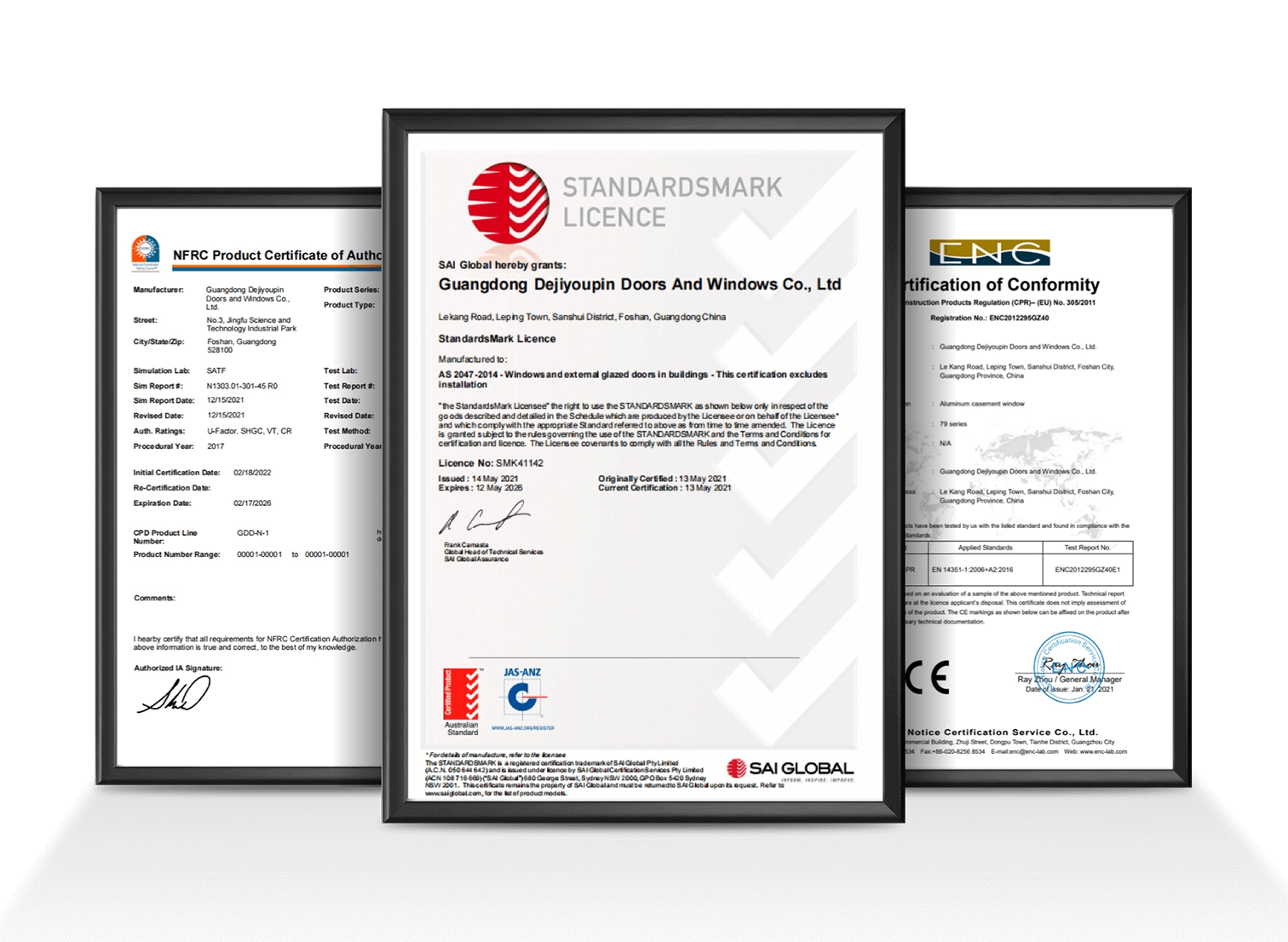
International Laboratory Certifications: Fully audited compliance covering CE (EN 14351-1), ISO 9001, AS 2047 (Australian N6 Cyclone Wind Test), and UL fire-rating standards.
-
In-House CAD/BIM Detailing: Free project shop drawings, wind-load deflection calculations, and custom extrusion engineering delivered within 48 hours.
-
Export-Safe Maritime Packaging: Complete film wraps, reinforced corner guards, and heat-treated solid timber crating guaranteeing zero maritime corrosion or transit abrasion.
4. Future Procurement Trends: Sourcing Aluminum Lower Windows (2025–2030)
Global procurement teams, institutional specifiers, and facade consultants are adjusting their sourcing strategies in response to heightened carbon reduction mandates, climate extremes, and building digitization. Understanding these future purchasing trajectories ensures long-term asset value and regulatory compliance.
Polyamide & Aerogel Hybrids
Next-generation lower windows replace basic PVC insulators with 34mm+ PA66 GF25 multi-cavity thermal break bars infused with silica aerogel mats, depressing system U-factors below $0.80\ \text{W/m}^2\text{K}$ to conquer stringent zero-energy municipal building codes.
Smart IoT & Concealed Actuators
Motorized lower awning and hopper sashes are increasingly tied to central Building Management Systems (BMS). Ultra-quiet, low-voltage (24V DC) micro-chain actuators are concealed completely inside frame cavities to enable automated night purging and smoke evacuation.
Certified Low-Carbon Aluminum
Procurement mandates across North America and the EU now enforce maximum embodied carbon thresholds ($<4.0\ \text{kg CO}_2\text{e per kg of Al}$). Buyers demand verifiable Environmental Product Declarations (EPD) utilizing hydro-powered and post-consumer scrap metallurgy.
Vacuum-Insulated Glass (VIG)
To eliminate cumbersome, heavy triple-pane units in lower sashes, commercial developers are migrating to slim vacuum glass. Delivering center-of-glass U-values of $0.45\ \text{W/m}^2\text{K}$ at one-third the thickness, VIG dramatically reduces dead load on lower hinges and pivot joints.
Enhanced Cyclone & Flood Proofing
Accelerating global storm frequencies drive adoption of marine-grade hydrostatic gaskets and laminated hurricane glass tested to 100 psf cyclic wind pressures. Lower windows must demonstrate absolute air and water impermeability under extreme weather events.
B2B Direct Supply Agility
Contractors and developers are bypassing regional tier-3 middlemen. Direct-to-factory ordering with manufacturers like DERCHI delivers factory-backed parametric BIM objects, custom mill finishes, and FOB/CIF scheduled port deliveries at 30-40% lower capital expenditure.
5. Performance Engineering Trends in Modern Lower Fenestration
As architectural trends favor floor-to-ceiling glass expanses and continuous ribbon facades, lower windows are increasingly integrated into complex structural frameworks. Engineering advancements focus on four primary pillars:
A. Microclimatic Acoustic Decoupling
Lower facade apertures bear the brunt of low-frequency urban ground rumble, tire friction, and street vibrations. To counteract this, modern lower window framing incorporates multi-chamber acoustic baffling and asymmetric acoustic laminated glass (e.g., 6mm low-E + 0.76mm PVB + 8mm clear). This structural dampening configuration disrupts harmonic sound waves, achieving impressive Sound Transmission Class (STC) ratings up to 45.
B. Dynamic Pressure-Equalized Drainage
Traditional lower windows relied on simple gravity weep holes, which frequently failed during intense driving rainstorms due to exterior wind pressure forcing water backward into the room. Advanced lower sashes utilize pressure-equalized rain-screen chambers: an external baffle chamber equalizes air pressure with the exterior, allowing gravity to expel water swiftly through bottom drain channels without overcoming internal atmospheric seals.
C. High-Durability Fluoropolymer Surface Chemistries
Positioned close to the earth, lower window frames suffer constant exposure to soil moisture, chemical cleaning agents, lawn fertilizers, and abrasive sand. To maintain pristine finishes for 30+ years, leading suppliers employ 70% PVDF (Polyvinylidene Fluoride) fluorocarbon coatings complying with AAMA 2605 or Qualicoat Class 3 powder coatings that exhibit near-zero chalking and color fading.
6. B2B Fenestration Procurement: Frequently Asked Questions (FAQ)
Key technical, structural, and logistics insights addressing the most critical concerns of architects, project managers, and fenestration buyers.
What structural load considerations differentiate lower windows from upper facade glazing?
How does thermal break technology prevent condensation at the sill plane?
What international testing standards must be verified before placing a bulk procurement order?
How do multi-chamber EPDM gaskets enhance watertightness compared to standard silicone?
What are the practical mechanical differences between 6063-T5 and 6063-T6 aluminum alloys?
Can motorized automatic actuators be fully concealed within the frame extrusion profile?
What glass build-up is recommended for ground-level lower window security and egress?
How does DERCHI ensure sea-freight protection against salt corrosion and physical deformation?
What are the standard production lead times and Minimum Order Quantities (MOQ)?
What technical submittals are provided to support architectural code compliance and municipal approvals?
Accelerate Your Architectural Project with Factory-Direct Engineering Excellence
Partner directly with Guangdong Dejiyoupin (DERCHI). Benefit from our 180,000 m² high-precision smart manufacturing facility, 25+ years of verified global engineering delivery, and full international testing compliance. Request custom CAD shop drawings, free sample extrusions, or a comprehensive project bill-of-quantities estimate today.