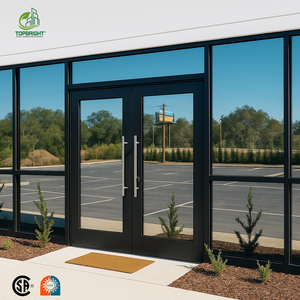
 Acoustic Shield
Commercial Soundproof Aluminium Double Glass Storefront Door
Profile: 6063-T6 / 2.0–3.0mm Gauge
Acoustic Rating: STC 42dB Isolation
Compatibility: Retractable Jali Insert
Explore our certified commercial-grade architectural windows, sliding assemblies, and heavy-duty hinged profiles configured for seamless insect-proof, anti-theft Jali integration.
Acoustic Shield
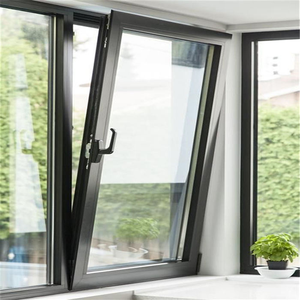 Thermal Barrier
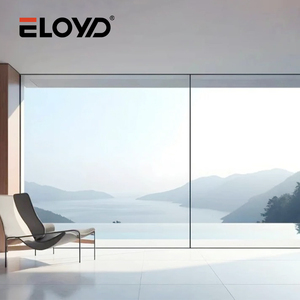 Panoramic Vista
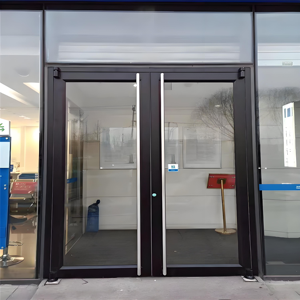 Heavy Commercial
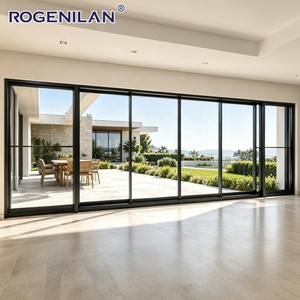 Multi-Track Run
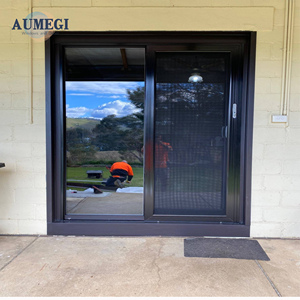 Retrofit Master
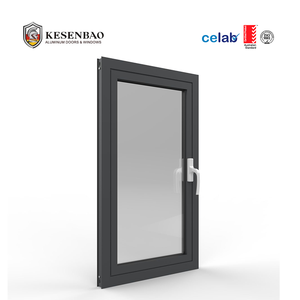 Villa Series
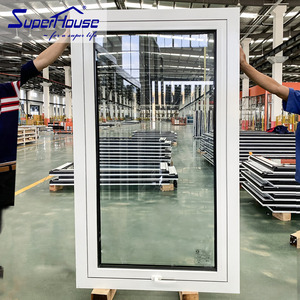 AS2047 Certified
In tropical, subtropical, and coastal architectures across India, Pakistan, Southeast Asia, and the Middle East, the traditional perforated screen—historically known as the Jali—has evolved from a carved stone ornamental facade into a highly sophisticated structural fenestration assembly. Contemporary high-end architectural specifications mandate that windows deliver three non-negotiable vectors simultaneously: aggressive structural air/water tightness under monsoon deluges, uncompromising resistance against forced entry and insect infiltration, and exceptional thermodynamic decoupling to minimize HVAC electricity burdens.
As one of China's premier fenestration manufacturing syndicates based in Foshan's high-precision industrial cluster, Guangdong Dejiyoupin Doors and Windows Co., Ltd. (DERCHI) leads the structural engineering curve. Utilizing virgin 6063-T6 architectural-grade aluminium alloy with wall thicknesses exceeding 1.8mm to 3.0mm, our assemblies combine European-standard PA66 GF25 thermal insulators with high-precision CNC laser-perforated aluminium fretwork and marine-grade 304/316 stainless steel wire mesh. The result is a fenestration system engineered to withstand severe monsoonal driving rain, high-salinity marine air, and forced mechanical tampering without the degradation, sagging, or termite vulnerability endemic to traditional timber frames.
Our aluminium profiles are manufactured using primary-smelted aluminium billets aged to T6 temper. This ensures an ultimate tensile strength exceeding 205 MPa, eliminating frame deflection under coastal gale forces up to AS 2047 N6 ratings.
We combine 0.8mm–1.0mm woven SS316 high-tensile wire mesh with structural CNC lattice inserts. This guarantees 100% insect exclusion, cuts solar heat gain coefficients (SHGC) by 32%, and resists knife-shear tampering up to Australian AS5039 security guidelines.
Surface treatments feature electrostatic AkzoNobel or PPG fluorocarbon coatings containing a minimum of 70% Kynar 500 resin. Tested under 3,000-hour continuous salt-spray exposure (ASTM B117), our surfaces guarantee zero pitting or color fading in coastal zones.
Procurement heads, real estate developers, and specification engineers are navigating a fundamental paradigm shift in envelope fenestration sourcing. Over the next decade, international architectural trends show an accelerated departure from rudimentary fly-screens and heavy wrought-iron grilles toward integrated, multi-functional aluminium jali envelopes. Five critical purchasing drivers are reshaping the cross-border B2B landscape:
| Procurement Vector | Traditional Market Standard | Next-Gen Engineered Jali (DERCHI Standard) | Structural Compliance Impact |
|---|---|---|---|
| Thermal Decoupling | Non-thermal break hollow aluminium frames with rapid thermal conductance. | Multi-cavity PA66-GF25 thermal breaks with insulated argon glass units (IGU). | U-Value < 1.8 W/m²K |
| Screen Security | Light gauge fiberglass or thin aluminium wire pinned with PVC spline. | Mechanical wedge-locked 316 marine steel woven jali + CNC anti-intrusion lattice. | AS 5039 / EN 1627 RC2 |
| Atmospheric Protection | Standard anodizing or generic powder coat susceptible to chalking & filiform corrosion. | Triple-coat PVDF fluorocarbon baking + Electrophoretic wood grain finishes. | AAMA 2605 / 3000-Hr Salt Fog |
| Monsoon Sealing | External wool pile brushes and standard butt joints prone to capillary leakage. | Triple vulcanized continuous EPDM gaskets + Pressure-equalized cascade drainage. | Water Resistance > 600 Pa |
1. Decarbonization and Operational Energy Reductions: With stricter National Building Codes in emerging South Asian and Middle Eastern economies, raw cooling costs dictate that fenestration units must stop passive radiant heat transfer. Engineered aluminium jali windows provide vital self-shading geometries that slash solar radiation by up to 45% while preserving natural daytime cross-ventilation, drastically cutting overall carbon footprints.
2. Supply Chain Consolidation via Single-Source Chinese OEM/ODM: Project developers are cutting logistical costs by shifting away from segmented buying (purchasing glass from domestic processors, profiles from local extruders, and screens from hardware merchants). Sourcing end-to-end, pre-glazed, pre-hung window systems directly from DERCHI's 180,000 m² factory cuts ocean shipping volume waste by 35% and guarantees full hardware matching and operational synchronization upon site arrival.
Operating as a certified Top 10 Chinese fenestration manufacturer, Guangdong Dejiyoupin Doors and Windows Co., Ltd. provides factory-direct engineering accountability from concept to export delivery.
Our dedicated structural engineering team provides custom shop drawings, wind-load calculations, and Vastu-compliant dimensional plans within 24 hours of inquiry.
Backed by over 100 patents and formal compliance certificates across CE, ISO 9001, AS 2047 cyclonic test regimens, and UL fire-rating specifications.
Full CIF and FOB shipping capabilities to major global ports including Nhava Sheva, Mundra, Chennai, Karachi, Chittagong, and Colombo with heavy-duty fumigated steel-corner crates.
English-speaking fenestration project managers support international consultations across IST, PKT, and BST working hours, minimizing delay loops.
Clear, technical answers to common queries from architects, quantity surveyors, and international commercial importers.