Flagship Export Collections
Precision-engineered aluminum doors, thermal-break windows, and structural glazing solutions manufactured for high-end residential, commercial, and industrial developments worldwide.
The B2B Sourcing Landscape: China's Architectural Aluminum Door Hubs
The global demand for high-performance architectural aluminum doors ("aluminium ka door" – referencing cross-border sourcing terminologies across major Asian, Middle Eastern, and South Asian trade corridors) has expanded exponentially over the past decade. Driven by aggressive urbanization, strict thermal efficiency building codes, and modern architectural aesthetics, global real estate developers, contractors, and building material importers increasingly look to China for primary manufacturing.
Among China's industrial clusters, Foshan in Guangdong Province stands out as the undisputed global capital of architectural aluminum production. Chinese door factories have evolved far beyond basic structural extrusions. Today, tier-one manufacturers integrate advanced mechanical CNC processing, automated powder coating, thermal break insertion, dynamic acoustic engineering, and robotic double-glazing assembly lines. Understanding how to evaluate these factories, verify alloy compositions, and negotiate logistics provides international buyers with a immense competitive advantage.
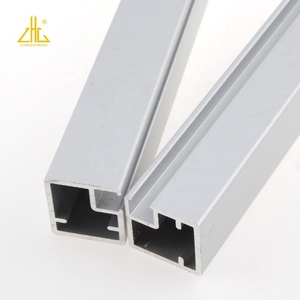
SEO Industry Insight & Semantic Gain: When searching for Chinese aluminum door manufacturers, savvy procurement directors look beyond surface finishes. True value lies in assessing raw primary ingot alloy quality (6063-T5/T6), thermal-break insulation strip materials (PA66-GF25 vs inferior PVC), structural wall thickness (minimum 1.4mm to 3.0mm), and certified hardware integration (German Hoppe, Siegenia, or premium domestic multi-point systems).
Metallurgical Engineering & Structural Alloys
The structural integrity of any architectural door system depends entirely on its base aluminum alloy composition and heat treatment state. Top China aluminum door factories utilize prime virgin aluminum ingots rather than re-melted scrap metal to guarantee structural stability, weather resistance, and surface finish uniformity.
| Alloy & Temper | Tensile Strength (MPa) | Yield Strength (MPa) | Typical Applications | Key Engineering Advantages |
|---|---|---|---|---|
| 6063-T5 | ≥ 185 | ≥ 145 | Standard Residential Doors, Casement Frames, Cabinet Profiles | Excellent extrusion characteristics, superior surface smoothness for anodizing and powder coating. |
| 6063-T6 | ≥ 240 | ≥ 210 | Heavy-Duty Bifold Doors, High-Rise Sliding Patio Doors | Enhanced artificial aging process delivers high structural rigidity under intense wind load stress. |
| 6061-T6 | ≥ 290 | ≥ 240 | Commercial Automatic Entrance Doors, Structural Facades, Pivot Doors | Aircraft-grade strength, exceptional toughness for high-traffic public structural applications. |
Surface Finishes and Environmental Resistance
Coastal salt air, high solar UV radiation, and severe atmospheric humidity accelerate structural corrosion if surface treatments are not properly executed. Leading Foshan exporters apply industrial-grade surface finishes designed to meet stringent American Architectural Manufacturers Association (AAMA) standards:
- Fluorocarbon (PVDF) Coating (AAMA 2605): Utilizing Kynar 500 resin, PVDF finishes deliver up to 30 years of color retention and weather resistance. Ideal for high-exposure commercial entrance doors and luxury oceanfront villas.
- Electrostatic Powder Coating (AAMA 2604): Employs premium TGIC polyester resins (such as AkzoNobel or Tiger Drylac) applied at 60–80 microns, providing impact protection, scratch resistance, and an extensive color palette.
- Anodizing (Class 1 - 25 Microns): An electrochemical process that converts the metal surface into a durable, corrosion-resistant aluminum oxide finish. Essential for interior minimalist frames, kitchen cabinetry doors, and contemporary linear architecture.
- 3D Heat Transfer Wood Grain: Combines powder base coats with vacuum heat-sealed grain films, offering the warmth of natural timber without the swelling, warping, or termite susceptibility of real wood.
Thermal Performance & Acoustic Engineering (U-Value & STC Ratings)
With modern energy codes demanding tighter envelope seals, aluminum door designs must mitigate the natural thermal conductivity of metal. Leading Chinese exporters utilize "Thermal Break" technology. This process mechanically splits the interior and exterior aluminum profiles using a low-conductive polyamide insulating strip—specifically Polyamide PA66 reinforced with 25% glass fiber (PA66-GF25).
When combined with Insulated Glass Units (IGU)—such as double or triple-glazed setups featuring Low-E coatings, warm edge spacers, and argon gas filling—thermal break aluminum doors achieve low overall heat transfer coefficients (U-Values down to 1.2 – 1.8 W/m²K). Furthermore, multi-point compression locks paired with continuous EPDM rubber seals deliver acoustic insulation (Sound Transmission Class / STC ratings ranging from 38 dB to 45 dB), effectively isolating interior living spaces from urban noise pollution.
Global Sourcing Trends & Supply Chain Innovations (2025–2030)
As international supply chains shift toward digital transparency and carbon accountability, China's top aluminum door exporters are adopting several transformative operational strategies:
1. Ultra-Slim Sightlines and Minimalist Aesthetics
Architectural preferences have shifted toward maximum daylighting. Engineering advances allow profile face widths to drop below 20mm while maintaining structural frame loads. Interlock stiles on sliding glass doors now feature carbon fiber reinforcement or concealed vertical profiles to maximize glass-to-frame ratios.
2. Smart Automation and Motorized Controls
Commercial storefronts and luxury residential bifold doors are increasingly integrated with hidden brush-less DC motors, smart home automation protocols (Zigbee, Z-Wave, Matter), fingerprint access controls, and automatic motion sensors. These features ensure hands-free operation and enhanced security.
3. Low-Carbon Recycled Aluminum Procurement
In response to European CBAM (Carbon Border Adjustment Mechanism) regulations and global LEED certification metrics, leading manufacturers are utilizing green primary aluminum smelted via hydropower, lowering the embodied carbon footprint per door unit dramatically.
4. Factory VR Auditing & Digital Shop Drawings
Overseas buyers no longer need to travel for routine mill inspections. High-definition 360-degree factory VR tours, live video factory audits, and automated BIM/CAD shop drawing generations streamline pre-production approvals in days rather than weeks.
Why Partner with Guangdong Dejiyoupin (DERCHI)
With over two decades of manufacturing leadership, DERCHI delivers direct-from-factory engineering excellence, guaranteed compliance, and full export logistics support.
180,000m² Manufacturing Base
Operating one of Foshan's largest dedicated production campuses equipped with automated CNC extrusion lines, double-glazing lines, and automated packaging systems.
Global Certifications
Fully certified under international quality and performance frameworks including CE, ISO 9001, AS 2047, NFRC, CSA, and UL Fire-Resistance testing specifications.
Custom Engineering & CAD Support
In-house technical team providing free architectural CAD shop drawings, custom extrusion die development, and structural load calculations for every project order.
Direct Factory Pricing (Zero Intermediaries)
By eliminating middle-man trading companies, we pass direct production cost savings to developers, importers, and main contractors while ensuring strict single-source quality control.
Export Packaging & Global Logistics
Heavy-duty reinforced plywood crates, corner protective caps, and vacuum surface plastic wrapping ensure zero moisture or glass shock damage during ocean container transport.
Dedicated English Technical Sales Support
Fluent engineering sales representatives available across overseas time zones to manage project communication from inquiry to remote installation support.
Step-by-Step B2B Procurement Guide for Chinese Aluminum Doors
Executing a successful factory-direct import order from China requires a structured quality assurance workflow. Follow these essential technical steps to guarantee product satisfaction:
1. Finalize Opening Dimensions & Architectural Schedules
Provide structural rough opening sizes, preferred frame sightline widths, wind load pressure requirements (Pa), glass performance specifications (Low-E coating, tint, acoustic PVB laminate), and opening orientation (left/right, inward/outward swing, stacking bifold layout).
2. Request Certified CAD Shop Drawings
Never approve production based solely on verbal descriptions or simple render images. Demand detailed mill-level CAD shop drawings detailing profile wall thickness cross-sections, corner joint reinforcement gussets, drainage channel paths, hardware mounting points, and perimeter anchor brackets.
3. Evaluate Glass and Hardware Quality Certifications
Ensure glass units carry verifiable stamp safety logos (SGCC, CE EN12150, AS/NZS 2208, or CCC). Verify whether locks, hinges, and roller carriages carry anti-corrosion marine warranties (such as 304 or 316 stainless steel components for coastal projects).
4. Inspect Pre-Shipment Factory Assembly
Prior to final balance payment and container loading, request live video testing or third-party inspection agency reports (SGS, TÜV, Intertek). Inspections should verify corner seam flushness, sash diagonal squareness, sliding roller smooth operation, multi-point lock engagement, and seal compression tightness.
Frequently Asked B2B Procurement Questions
Clear, direct answers regarding export logistics, factory lead times, customization capabilities, and product warranties.
What is the minimum order quantity (MOQ) for custom aluminum doors?
How do Chinese factories ensure doors arrive undamaged after ocean transit?
Can DERCHI doors be customized to meet local hurricane or cyclone codes?
What is the typical manufacturing lead time for export orders?
What trade Incoterms and payment terms do you accept?
Do you provide hardware warranties and after-sales spare parts?
Ready to Source High-Performance Aluminum Doors Direct from China?
Contact our engineering export team today to receive a comprehensive quote, request free sample profile kits, or obtain CAD shop drawings for your upcoming architectural project.
Send an Inquiry