Featured Architectural Door & Window Solutions
Explore our precision-machined aluminium fenestration and mesh door collections. Each unit is constructed from premium virgin 6063-T5 aluminium extrusions, multi-point locking systems, and weather-defying surface treatments tailored for global residential, commercial, and hospitality developments.
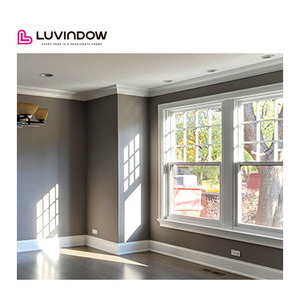
American Style Double or Single Hung Sash Aluminum Window Vertical up Down Sliding Windows
Vertical sliding balances with integrated high-tensile insect screening, concealed weatherstripping, and high wind-load engineering.
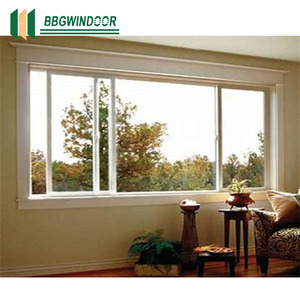
Lukliving Custom Latest China Manufacturer Best Quality Window with Hardware Aluminium Brown Color Sliding Window
Anodized architectural profiles paired with heavy-duty sliding tracks, stainless fly screen gauze, and whisper-quiet tandem roller carriages.
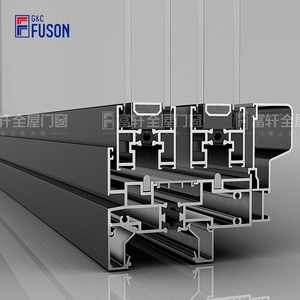
Fuson Aluminum Energy Efficient Design Sliding Window Louver Customized Hurricane Impact Aluminum Window
Engineered impact-resistant louvers and integrated fine mosquito barriers built to withstand cyclic cyclonic winds and monsoon downpours.
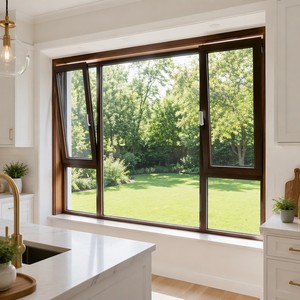
Modern Brown Color Aluminum Alloy Casement Windows with Insect Screen Energy Saving Wind Resistant Soundproof Bathroom Use
Multi-chamber casement architecture equipped with 0.8mm 304 marine-grade security fly wire, delivering unmatched bug defense and acoustic dampening.
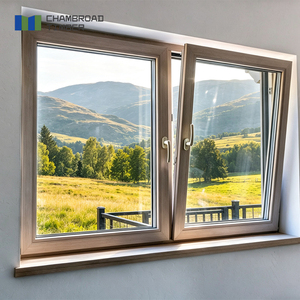
Modern Wood Aluminum Window Casement Fireproof Anti-Theft Double Glazed Insulated Glass CSA Certified for Office
Composite structural hybrid uniting internal oak elegance with exterior weatherized aluminium, dual-glazed thermal cores, and anti-theft mesh.
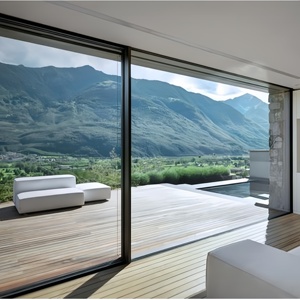
Customized Modern Style Sliding Door For Home Villa Balcony Double Glazed Energy Efficient Aluminum Glass Sliding Door For Sale
Heavy multi-slide terrace doors configured with integrated triple-track architectural fly screens, flush low thresholds, and superior structural rigidity.
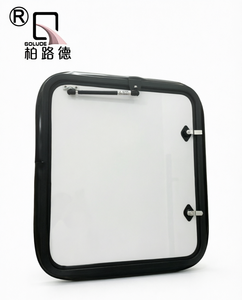
YA-CM-03 RV Hatch Door Aluminum Alloy Thermal-Insulated Panel Self-Tight Lock Frame Supplied Separately OEM ODM
Specialized thermal-insulated access panel engineered for mobile units and utility shelters, showcasing high-grade seals and modular precision.
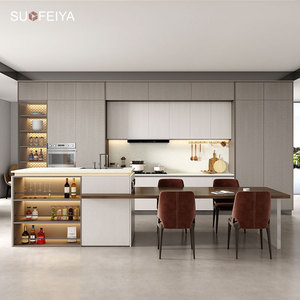
SOFEYIA Custom Modern 3D Aluminium Frame Glass Melamine Finish Kitchen Cupboards Lacquer MDF Cabinet Designs for Villas Hinge
High-end structural aluminium interior casework engineered with European fittings, anti-corrosive treatments, and architectural aesthetics.
Need Custom Extrusions or Direct Factory Price Quotes?
We supply wholesale distributors, civil contractors, and architectural procurement agencies worldwide with fully certified CAD shop drawings, free sample swatches, and direct container freight terms (FOB, CIF, DDP).
Engineering Taxonomy: Architectural Aluminium Mosquito & Security Mesh Doors
The international building sector is undergoing a massive paradigm shift from traditional, fragile nylon insect screens to high-security, heavy-duty aluminium mosquito mesh barrier doors. Modern fenestration demands simultaneous protection against vector-borne disease, forced burglary entry, extreme climatic loading, and corrosion.
| Performance Parameter | Commercial Grade Fly Screen | 304 High-Tensile Security Mesh | 316 Marine-Grade "King Kong" Mesh | Perforated Aluminium Security Sheet |
|---|---|---|---|---|
| Wire Material / Composition | Fiberglass / PVC-Coated Polyester | AISI 304 Austenitic Stainless Steel | AISI 316 Marine Grade (2.5% Molybdenum) | Aluminium Alloy 5052-H32 Sheet |
| Wire Diameter & Aperture | 0.25mm dia. (18x16 mesh count) | 0.80mm ± 0.01mm (11x11 mesh) | 0.90mm - 1.00mm (10x10 / 11x11 mesh) | 1.6mm - 2.0mm thickness (2.2mm punch) |
| Tensile Strength Capacity | < 120 MPa (Puncture vulnerable) | 900 MPa – 1050 MPa | 1100 MPa – 1200 MPa (Ultra High) | 210 MPa – 260 MPa |
| AS 5039 / 5041 Compliance | Non-Compliant (Insect Only) | Passes Dynamic Impact & Jemmy | Full Category 4 Multi-Attack Pass | Passes Knife Shear & Dynamic Impact |
| Salt Spray Corrosion (ASTM B117) | Poor UV aging (approx. 2 yrs) | 1,500 Hours Neutral Salt Spray | 3,500+ Hours Acetic Acid Salt Spray | 3,000 Hours (Fluorocarbon Coated) |
| Airflow & Natural Light Transmittance | Airflow: 72% | Light: 78% | Airflow: 58% | Light: 64% | Airflow: 54% | Light: 60% | Airflow: 42% | Light: 48% |
| Primary Target Climate | Temperate / Inland Residential | Suburban Tropical / Medium Crime | Coastal, Marine, Severe Monsoon | Extreme Bushfire Zones (BAL-40/FZ) |
| Procurement Assessment | Entry Level Budget | Standard B2B Spec | Commercial Benchmark | Heavy Industrial |
Mesh Fastening Mechanics: Screw-Clamped vs. Chemical Mechanical Wedge
The structural integrity of an aluminium mosquito mesh door does not rely merely on wire tensile strength; it fundamentally hinges on perimeter shear anchoring. Cheap Chinese workshops rely on self-tapping perimeter screws that pierce the stainless steel gauze, forming localized points of galvanic corrosion and stress concentrations that shear under a 100-joule dynamic boot kick. Top-tier Foshan manufacturers employ a patented continuous aluminium retention wedge system lined with non-conductive PVC isolation gaskets. This eliminates bimaterial galvanic reactions between stainless steel wire and aluminium sashes while dispersing external impact loads evenly along the continuous perimeter frame.
Alloy Metallurgy & Thermal-Break Structural Integrity
Commercial doors require 6063-T6 or 6061-T6 structural grade aluminium profiles with an average wall thickness of no less than 1.8mm to 2.2mm. For air-conditioned villas in the Middle East and tropical South Asia, integrating a multi-cavity polyamide (PA66 GF25) thermal barrier between the exterior and interior extrusion faces prevents rapid thermal bridging. This engineering reduces condensation on the screen perimeter while ensuring that high ambient temperatures outside do not conduct into cooling zones, reducing aggregate HVAC electrical draw by up to 22%.
Future Procurement Trends in Aluminium Mesh Doors
Procurement officers, facade engineers, and building material importers must navigate shifting regulatory, technological, and environmental landscapes. Here are the core structural movements driving the next five years of cross-border fenestration procurement.
Supply Chain Decoupling & Direct Factory Auditing
Middlemen and third-party trading entities are rapidly losing market share to tech-enabled direct factory partnerships. Enterprise buyers now require unedited factory VR walkthroughs, automated MES (Manufacturing Execution System) production tracking, and direct metallurgical mill test certificates (MTC) to guarantee raw material purity without 30% trading markups.
Convergence of Biophilic Insect Defense & Smart Security
Modern luxury villas demand invisible pest exclusion without looking like fortified prisons. Sourcing trends favor high-transparency 0.8mm micro-aperture black powder-coated wire that provides 85% visual clarity from inside, while pairing seamlessly with Tuya, Zigbee, or biometric multi-point motorized locking mortises for unified smart-home automation.
Circular Economy & Low-Carbon Green Billets
Driven by the European CBAM (Carbon Border Adjustment Mechanism) and LEED v4.1 green building credits, global contractors demand recycled post-industrial aluminum profiles refined using hydroelectric or solar energy. Leading Chinese extrusion plants are delivering EPD (Environmental Product Declarations) demonstrating less than 4.0 kg CO2e per kg of extruded aluminium.
Standardization Around Severe Weather Standards
As extreme global weather intensifies, procurement briefs explicitly stipulate Australian AS 2047 / AS 5039 impact ratings and North American Miami-Dade hurricane protocols. Mesh screen doors are no longer treated as ornamental finishes, but as primary structural envelope barriers capable of stopping airborne debris flying at 45 m/s.
Zero-Barrier ADA Compliant Drainable Thresholds
Commercial hospitality and luxury penthouses strictly prohibit elevated bottom floor tracks that pose tripping hazards or collect debris. Future procurement mandates flush floor tracks with sub-surface drainage cascades capable of managing 120 mm/hr monsoon precipitation without inward water ingress or track fouling.
How Chinese Fenestration Engineering Has Evolved
The era of manual cutting saws, uncalibrated screw guns, and uneven hand tensioning is entirely obsolete. Tier-1 Foshan manufacturing clusters have industrialized through full robotic automation, micron-precise CNC milling, and aerospace surface engineering.
5-Axis CNC Precision Profile Machining
Automated CNC machining centers mill multi-point lock mortises, hinge cutouts, and drainage slots with ±0.05mm tolerances in one continuous setup, guaranteeing silent operation and eliminate air gaps.
Hydraulic Automated Screen Tensioning
Robotic four-axis hydraulic clamping beds apply 35 kN of multi-directional pre-tension to the 304/316 woven stainless steel screen before wedging, preventing sagging and drum reverberation.
Multi-Stage Chrome-Free Chemical Conversion
Profiles undergo 12-stage ultrasonic immersion degreasing, acid etching, and zirconium nanotechnology passivation, creating a molecular bond that ensures 20-year anti-blistering finish longevity.
AkzoNobel Interpon D2015 Powder Coatings
Automated Gema electrostatic powder spray lines apply super-durable PVDF/fluorocarbon finishes cured at 200°C, offering ultra-high UV resistance and enduring harsh coastal salt atmospheres without chalking.
Why Top Global Builders Partner With Us
Operating under the renowned industrial pedigree of Guangdong Dejiyoupin Doors and Windows Co., Ltd. (DERCHI), our production base in Shishan Town, Nanhai District, Foshan represents the pinnacle of Chinese architectural engineering, certified export execution, and supply chain integrity.

Top-10 Chinese Architectural Fenestration Powerhouse
Situated in the heart of China's largest aluminium industrial hub—Foshan, Guangdong—our 180,000 m² integrated manufacturing campus encompasses every phase of production: from billet thermal aging and profile extrusion to CNC anodizing, automated mesh tensioning, final packaging, and container loading.
- Globally Certified Compliance: Tested and certified to AS 2047, CE, ISO 9001, CSA, and UL fire-rated standards.
- Comprehensive Free CAD/BIM Shop Drawings: Tailored engineering documentation delivered within 48 hours for consultant tenders.
- Heavy Marine Packing Protocols: Solid fumigated wooden crates lined with moisture barriers, bubble wraps, and corner guards for safe zero-scratch ocean transit.
Accredited By International Regulatory Testing Bodies

Frequently Asked Questions by International Buyers
Clear, technically rigorous answers to the critical commercial, metallurgical, logistical, and structural questions raised by international fenestration buyers, general contractors, and sourcing agents.
1. What is the fundamental structural difference between 304 and 316 stainless steel mosquito security mesh?
While both are austenitic stainless steels offering superior tensile strength compared to low-carbon wire, Grade 316 contains 2.0% to 3.0% molybdenum. This specific chemical alloying dramatically increases resistance to localized chloride pitting and crevice corrosion. If your project is within 5 kilometers of an ocean coastline, in tropical monsoon hubs (e.g., Florida, Mumbai, Sydney, Colombo), or exposed to industrial sulfur pollutants, Grade 316 is non-negotiable. For inland urban and suburban developments, Grade 304 delivers equivalent physical knife-shear resistance and tensile impact tolerance at an 18% to 25% lower material procurement cost.
2. How do your factory's aluminium mesh doors satisfy the Australian AS 5039 / AS 5041 standard?
Australian AS 5039 (Security Screen Doors and Window Grilles) and AS 5041 (Testing Methods) dictate three mandatory mechanical destructive tests: (1) The Dynamic Impact Test (five consecutive 100-joule strikes from a calibrated pendulum impoundment bag); (2) The Jemmy Attack Test (simulating targeted mechanical levering with a flat-blade tool at 4.0 kN prying force around the lock and hinges); and (3) The Knife Shear Test (three continuous cutting strokes across the mesh face at 350 N downward force). Our doors utilize engineered 6063-T6 perimeter profiles, continuous heavy-duty internal screw-clamp wedge systems, and 0.8mm/0.9mm high-tensile 304/316 woven wire gauze that pass every testing cycle with zero retention release or breach.
3. How is galvanic corrosion prevented between the stainless steel wire mesh and the aluminium door sash?
When two dissimilar metals such as stainless steel (noble) and aluminium (anodic) come into direct physical contact in the presence of an electrolyte (such as coastal humidity or salt spray), rapid galvanic oxidation will degrade the aluminium frame. We prevent this by ensuring zero metal-to-metal contact. The stainless steel wire mesh is pre-treated with an electrophoretic non-conductive primer and AkzoNobel Interpon architectural powder coating, while the perimeter profile incorporates UV-stabilized Santoprene or EPDM insulating co-extruded gaskets. This complete dielectric isolation guarantees over 3,000 hours of neutral salt spray resistance without galvanic blistering.
4. What are your Minimum Order Quantities (MOQ), standard lead times, and sample policies for commercial tenders?
For standard architectural colors (Matte Black, Traffic White, Anthracite Grey, Silver Anodized), our MOQ is 10 sets for bespoke villa residential projects, or 1x20GP container (approx. 180 to 220 standard doors) for commercial wholesale discounts. Customized profile extrusions or bespoke powder-coat formulations require an extrusion die tooling lead time of 10 to 14 days and an extrusion MOQ of 500 kg. Full prototype sample corner cutaways (showing extrusion cross-section, wedge retention, and powder finish) are air-shipped via DHL/FedEx within 48 to 72 hours for client and consultant sign-off.
5. Can the mosquito mesh doors be integrated with multi-slide, bifold, and large pivot door architectural systems?
Yes. We specialize in custom-tailored multi-track configurations. For panoramic patio multi-slide glass doors, we manufacture triple-track or quadruple-track bottom-rolling systems where the security mesh panel sits outside or inside the primary thermal glass sash. For oversized exterior architectural pivot doors up to 3.5 meters high and 2.0 meters wide, we engineer synchronized concealed magnetic fly-mesh pocket cassettes or motorized pleated micro-weave screens rated to withstand wind gust speeds up to 120 km/h without derailing.
6. How do you package and protect custom-sized doors to prevent damage during long-distance ocean freight?
Every single frame and door leaf undergoes a 5-layer protective packing protocol: (1) Low-tack surface PE protective tape protecting powder coats; (2) Thick bubble film wrapping; (3) Hard vulcanized cardboard corner protectors; (4) Multi-layer moisture-resistant PE stretch film; and (5) Custom-built heavy fumigated OSB or plywood wooden crates. When stuffing containers at our Foshan dock, crates are secured with high-tensile steel banding, air dunnage bags, and heavy perimeter timber blocking to eliminate shifting during rough ocean voyages.
7. What hardware brands and multi-point lock mechanisms do you furnish as standard?
Door failure is almost always hardware failure. We partner exclusively with tier-1 international fenestration hardware manufacturers including German Siegenia, Hoppe, GU, and CMECH, as well as premium domestic architectural hardware brands such as Kinlong and Hopo. Our standard security mesh door package includes 304 stainless steel 3-point or 5-point hook mortise locks, anti-lift stainless steel interlocking security hinges with hardened non-removable pins, and solid architectural pull handles that exceed 200,000 continuous opening/closing cycle benchmarks.
8. Can your engineering department accommodate Vastu Shastra or customized architectural dimension constraints?
Absolutely. Over 60% of our export output is built-to-order according to exact architectural shop drawings. For projects across South Asia (India, Sri Lanka, Nepal), our design engineering team coordinates opening directions, threshold proportions, and panel height ratios with sacred Vastu geometry. Our sales engineers work directly in AutoCAD, Revit, and Rhino, producing complete shop drawings, connection detail sections, and anchorage specifications for structural engineer approval prior to production cutting.