Standard & Custom Architectural Fenestration Systems
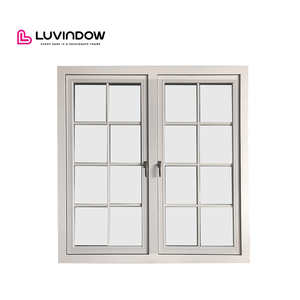
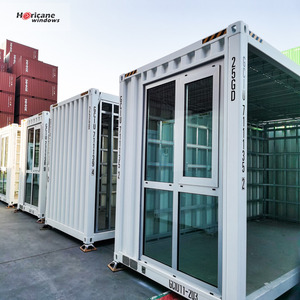
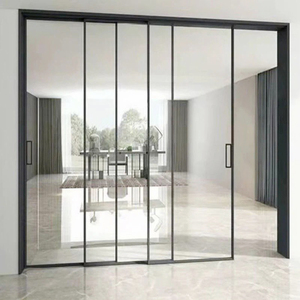
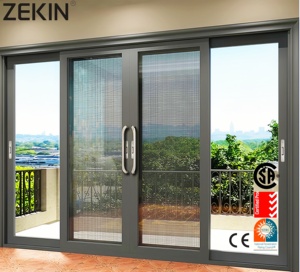
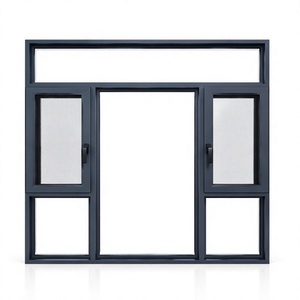
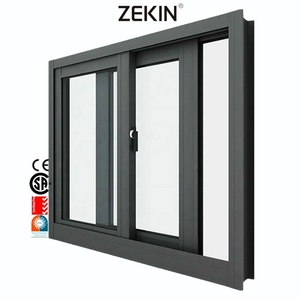
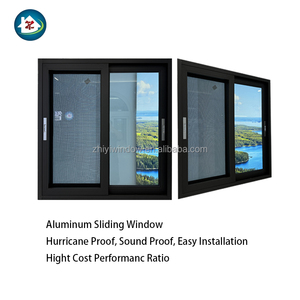
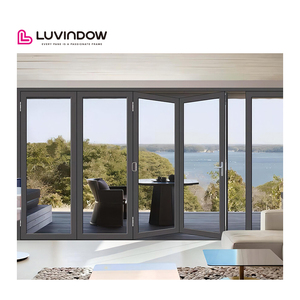
Precision-manufactured aluminum awning windows, casements, and heavy-duty sliding systems fabricated from architectural-grade 6063-T5/T6 alloys, engineered for superior water tightness, low U-factors, and hurricane impact compliance.
Why DERCHI Leads China's Architectural Aluminum Manufacturing
Recognized among China's Top 10 premium fenestration brands, Guangdong Dejiyoupin Doors and Windows Co., Ltd. integrates extrusion precision, CNC machining, automated silicone injection, and rigorous mechanical cycle verification directly from Foshan's industrial epicenter.
Rigorous International Certifications
Export-grade manufacturing certified under CE, ISO 9001, AS 2047 N6, NFRC, FCC, and RoHS. Products undergo structural wind load testing, cyclic water infiltration evaluations up to 450 Pa, and air permeability audits matching North American and Australasian building codes.
Direct Engineering & Shop Drawings
Eliminating intermediate agency commissions, our 60+ in-house fenestration engineers translate architectural elevations into production-ready CAD/BIM models within 24–48 hours. Custom mullion calculations, glass deflection metrics, and wind pressure load simulations are systematically provided for municipal approval.
End-to-End Vertical Supply Chain
From our 180,000 m² Foshan facility, we control primary aluminum billet remelting, multi-stage anodizing, vertical powder coating (AkzoNobel/PPG certified), polyamide insulation strip crimping, automated CNC corner crimping, and integrated IGUs fabrication for guaranteed quality control.
Engineering Principles of High-Performance Awning Windows
Awning windows hinge at the top and swing outward from the bottom, creating a natural rain barrier while optimizing ventilation. The structural integrity relies heavily on thermal break design, multi-point compression locking, and EPDM weather-stripping.
| Engineering Parameter | Standard Residential Grade | Commercial Project Grade | DERCHI High-Performance Specification |
|---|---|---|---|
| Aluminum Profile Alloy | 6063-T5 (Wall: 1.4 mm) | 6063-T5 (Wall: 1.6–1.8 mm) | 6063-T6 Architectural (Wall: 2.0–3.0 mm Heavy Duty) |
| Thermal Barrier System | PVC Extrusion Strips (14.8 mm) | Standard Polyamide PA66 GF25 (20 mm) | Multi-Cavity PA66 GF25 (24–34 mm) + Aerogel Core Filling |
| Overall Thermal Transmittance (U-Value) | 3.2 – 3.8 W/(m²·K) | 2.2 – 2.8 W/(m²·K) | ≤ 1.4 – 1.8 W/(m²·K) (Triple Glazed Argon Filled) |
| Water Penetration Resistance | 150 – 250 Pa | 300 – 450 Pa | Up to 700 Pa (Triple Continuous EPDM Compression) |
| Structural Wind Load (AS 2047 / ASTM) | 1500 – 2000 Pa | 2500 – 3500 Pa | Up to 5000 Pa (AS 2047 Serviceability & Ultimate N6 Class) |
| Hardware Friction Stays & Locks | Generic Carbon Steel Fasteners | Standard SS304 Dual Arm Operator | Heavy-Duty SS316 Heavy Hinges + Multi-Point Cam Locks (CME) |
Future Procurement Trends in Architectural Fenestration (2025–2030)
International developers, institutional contractors, and fenestration importers face evolving regulatory, environmental, and technological standards. Navigating these macro shifts ensures long-term asset value and carbon compliance.
1. Low-Carbon "Green Aluminum" & EPDs
With the implementation of the EU Carbon Border Adjustment Mechanism (CBAM) and strict LEED/BREEAM scoring in North America and Oceania, major procurement programs mandate verified Environmental Product Declarations (EPDs). Sourcing is pivoting toward aluminum produced via hydroelectric smelting with recycled billet ratios exceeding 30–50% to minimize embodied carbon.
2. Hidden Concealed Actuation & Smart BMS
Awning windows are transitioning from manual hand-crank roto-operators to concealed DC 24V chain actuators integrated flush within profile chambers. Commercial buildings increasingly demand automated fenestration linked to Centralized Building Management Systems (BMS), closing automatically upon rain/wind sensor triggering and adjusting nighttime purge cycles to slash HVAC electricity demands.
3. Modular Pre-Glazed Sub-Assembly Procurement
Escalating on-site construction labor costs in Western and Middle Eastern markets have driven high demand for factory-assembled, pre-glazed unitized modules. Procurement managers now avoid knocked-down (KD) packages in favor of fully integrated awning sub-frames incorporating factory-cured structural silicone seals, stainless insect mesh, and pre-fitted sub-sills, cutting site installation cycles by over 60%.
Frequently Asked Questions: Sourcing Aluminum Windows from China
Essential technical, contractual, and logistics guidance for general contractors, architectural specifiers, and wholesale importers.
How do you verify aluminum alloy quality and coating thickness?
What structural glass types are recommended for hurricane and high-wind zones?
How does factory packaging protect high-value finishes during multi-modal sea freight?
Can awning windows be manufactured to match specific acoustic dampening criteria (STC / OITC)?
What documentation is required to initiate an accurate quotation and CAD drafting process?
Partner with China's Foremost Fenestration Engineering Factory
From bespoke luxury villa awnings to multi-unit commercial curtain wall systems, leverage DERCHI's 25+ years of engineering mastery, extensive testing credentials, and direct manufacturing capabilities.