Engineered Aluminum Jali Windows, Security Screens & Architectural Doors
Discover our high-performance fenestration systems combining architectural jali aesthetics, high-tensile insect exclusion, hurricane-rated framing, and precision CNC fabrication tailored for international developers and importers.
The Metallurgy, Mechanics & Physics of Architectural Window Jali
Why modern architectural jali (latticework grills and security fenestration screens) has transitioned from traditional cast iron and timber to high-grade virgin 6063-T5 aluminum alloys in high-end global architecture.
Structural Precision Meets Bioclimatic Performance
In modern architectural fenestration, the term Aluminium Jali transcends decorative lattice. Today, it describes an engineered multi-layered structural barrier that delivers three critical functions simultaneously: forced-entry resistance, high-efficiency insect exclusion, and passive solar attenuation (daylighting optimization).
Unlike mild steel or cast iron grills that corrode under humid, monsoon, and coastal saline atmospheres, 6063-T5 architectural aluminum profiles exhibit exceptional chemical stability. Through precision billet homogenization, high-tonnage hydraulic extrusion, and artificial age hardening, our frames achieve an ultimate tensile strength exceeding 160 MPa and a yield strength over 110 MPa.
Integrated with high-tensile 304 or marine-grade 316 stainless steel woven mesh (wire diameter 0.8mm to 1.0mm with 11-mesh or 12-mesh weave), the jali screen system functions as an impenetrable fortress shield against intruders and pests while maintaining uninterrupted panoramic outward visibility and 68% natural ventilation airflow.

Fenestration Screening & Jali Material Comparison Matrix
A rigorous engineering benchmark assessing life-cycle durability, maintenance overhead, corrosion mechanics, and architectural structural integrity across common window grill materials.
| Performance Vector | Extruded Aluminium Jali (6063-T5) | Cast Iron / Mild Steel Grill | Standard Fiberglass Mesh | Solid Carved Hardwood Jali |
|---|---|---|---|---|
| Corrosion & Rust Resistance | Immune (Forms Self-Healing Al₂O₃ Layer) | Severe Oxidation (Rust flakes within 12–24 mos) | Chemically Inert, but UV Degradable | Subject to rot, moisture decay, and fungus |
| Forced Entry Security (Anti-Theft) | Extreme (Impact resistant to > 100J knife shear) | High (Rigid bars, but vulnerable at welds) | Zero Security (Easily cut with razor blade) | Moderate (Can be split or kicked in) |
| Termite & Biological Resistance | 100% Termite & Borer Proof | 100% Termite Proof | Susceptible to rodent chewing | High vulnerability to subterranean termites |
| Solar Heat Gain Coefficient (SHGC) | Reduces Solar Heat Transfer by up to 42% | Negligible thermal shading effect | Minimal solar heat reflection | Good shading, but blocks excessive daylight |
| Maintenance & Refinishing | Zero Maintenance (Periodic water wash only) | Requires annual scraping, sanding & painting | Frequent replacement due to tearing/sagging | Requires periodic revarnishing and oiling |
| Life Expectancy | 30+ Years with Architectural PVDF Finish | 7–10 Years before joint structural failure | 2–4 Years under intense solar radiation | 8–12 Years (Climate dependent) |
Specialized Aluminium Jali Window Configurations for B2B Procurement
Engineered for high-end luxury villas, multi-family towers, commercial corporate headquarters, and seaside luxury resorts.
1. High-Tensile Security Jali Casements
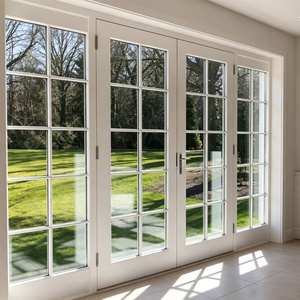
Engineered with double-rebated aluminum extrusion frames and perimeter internal wedge clamping that grips 0.8mm marine-grade wire mesh. The result is a seamless, bar-free security window that resists crowbar leverage while eliminating insects.
- Exceeds Australian AS 5039/5041 security standards
- Multi-point shoot-bolt transmission locking
- Concealed friction hinges supporting up to 80kg sash
- Ideal for residential ground-floor villa master suites
2. CNC Laser-Cut Geometric Facade Jali
Utilizing high-density 5052-H32 or 6063 aluminum sheets (thicknesses from 2.5mm to 6.0mm) precision-cut via industrial 15kW fiber lasers. Offers bespoke parametric Islamic mashrabiya, geometric trellis, or organic floral patterns for solar control facades.
- Custom CAD/DXF architectural file reproduction
- Fluorocarbon (PVDF) 3-coat electrostatic finish
- Engineered sub-frame brackets with thermal isolation
- Reduces building envelope air-conditioning HVAC loads
3. Multi-Track Sliding Jali Window Systems
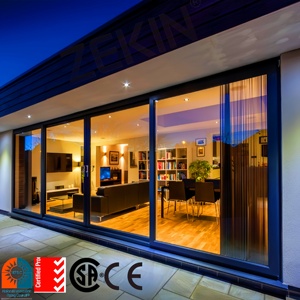
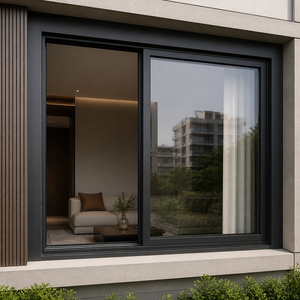
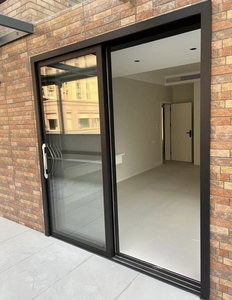
Designed for large horizontal apertures and balcony spans. Combines independent dual or triple tracks allowing glass sashes, aluminum insect jali screens, and outer solar shading panels to bypass each other on heavy-duty stainless steel wheels.
- Whisper-quiet nylon-jacketed stainless steel rollers
- Self-draining sill track with anti-blowback design
- Anti-lift structural safety interlocks on all sashes
- Fully compatible with cyclone-prone coastal wind pressures
Future Sourcing & Procurement Trends in Architectural Fenestration (2025–2030)
How progressive real estate conglomerates, hotel developers, and municipal contractors are restructuring their architectural window screen and jali procurement pipelines.
Low-Carbon Recycled Aluminum & Circular Supply Chains
International environmental building protocols (LEED v4.1, BREEAM, and Green Star) are requiring verifiable Environmental Product Declarations (EPD). Global B2B buyers are moving away from coal-smelted primary aluminum toward hydroelectric-smelted billets and post-industrial recycled secondary alloys. Procuring certified green aluminium jali screens reduces the embodied carbon profile of large facades by up to 58%, shielding international developers from impending carbon border adjustment tariffs.
At our Foshan production facility, energy-efficient induction billet pre-heaters and closed-loop anodizing water recovery plants ensure each square meter of window fenestration meets the strictest worldwide sustainability thresholds.
Direct-to-Manufacturer Consolidation & Elimination of Intermediaries
Historically, overseas contractors acquired window grills, security screens, and architectural doors through fragmented networks of local fabricators, third-party trading brokers, and finishing sub-contractors. This model caused inconsistent powder coating adhesion, dimensional variance on site, delayed ship dates, and missing component warranties.
The clear sourcing trend is single-source turnkey procurement directly from integrated mega-scale manufacturers. By bundling aluminum extrusion, precision CNC machining, AkzoNobel powder coating, glass assembly, and certified export crating under one roof, international developers achieve 18–25% direct cost savings, unified warranties, and zero dimensional error rates on job sites.
Parametric BIM Integration & Digital-Twin Fabrication
The gap between architectural rendering and workshop fabrication is dissolving. Modern procurement tenders mandate complete Building Information Modeling (BIM) objects with Level of Development (LOD) 350 to 400. In our engineering department, shop drawings are generated directly from contractor Revit files, feeding automated 5-axis CNC routing machinery with zero manual transcription lag.
This digital-twin workflow guarantees that complex jali perforated patterns, frame expansion allowances, weep hole hydraulic drainage slots, and anchor fastener holes align with on-site structural slab dimensions within a tolerance of ±0.5mm.
Climate-Adaptive Coatings: Nanotech Fluorocarbons for Coastal Salinity
Global climatic extremes—intense ultraviolet radiation in desert latitudes, torrential monsoon downpours in South and Southeast Asia, and caustic salt fog in oceanfront high-rises—have exposed the limitations of standard architectural finishes. Modern procurement mandates high-spec fluoropolymer resins (PVDF 70% Kynar 500) that withstand minimum 3,000 to 4,000-hour ASTM B117 neutral salt spray tests without micro-blistering.
Finishes engineered to meet AAMA 2605 criteria preserve deep, saturated color and specular gloss retention for over two decades, protecting the asset value of landmark real estate developments.
Why Leading Global Contractors Partner with Guangdong Dejiyoupin (DERCHI)
Headquartered in Foshan, Guangdong—the epicentre of global architectural aluminum manufacturing—Guangdong Dejiyoupin Doors and Windows Co., Ltd. (DERCHI) operates as a recognized Top 10 Chinese enterprise delivering turnkey export fenestration.
180,000 m² Production Campus
Massive automated infrastructure with automated vertical powder coating lines, precision Italian cutting systems, and high-capacity assembly tracks capable of outputting over 300,000 m² of architectural doors, windows, and jali screens annually.
Comprehensive Global Certifications
Fully certified and audited against stringent international standards including CE, ISO 9001, Australian AS 2047 / AS 1288, North American NFRC, and UL fire ratings, accompanied by third-party testing documentation for consultant approvals.
Complimentary CAD/BIM Shop Drawings
Our in-house facade engineering department reviews architectural openings, computes wind-load deflection tolerances (L/175 and L/250 criteria), and delivers comprehensive DWG shop drawings, installation elevation cross-sections, and bill of materials prior to extrusion.
Dedicated English Engineering Teams
Eliminate costly cross-border miscommunication. Our certified project managers and technical sales engineers provide direct technical consulting matching your time zones across India (IST), Gulf GCC (GST), North America (EST/PST), and Australasia (AEST).
Reinforced Seaworthy Export Packaging
Every jali frame and glazed unit is wrapped with protective PE adhesive film, heavy EPE foam edge caps, sealed moisture desiccant bags, and enclosed within custom fumigated solid plywood crates to withstand 40-day transoceanic sea freight without shifting.
Global Shipping on FOB / CIF Terms
Established freight forwarding agreements delivering direct containerized shipments to major ports: Nhava Sheva (JNPT), Mundra, Chennai, Karachi, Chittagong, Colombo, Dubai Jebel Ali, Los Angeles, Sydney, and Singapore.
Frequently Asked Questions on Aluminium Jali Window Procurement
In-depth technical answers resolving the most critical engineering, metallurgical, financial, and logistical questions raised by architects, general contractors, and import distributors.
What specific aluminum alloy grade is recommended for high-performance window jali screens?
+
How does an integrated stainless steel security jali prevent forced entry while blocking insects?
+
Can your engineering team customize bespoke decorative jali patterns according to architectural CAD drawings?
+
What surface finish options are available, and how do they resist severe coastal corrosion?
+
- AkzoNobel Interpon D2525 Superdurable Powder Coating: Compliant with AAMA 2604, delivering 15–20 years of gloss and color retention under heavy UV exposure.
- 70% PVDF Fluorocarbon Coating (Kynar 500): Compliant with AAMA 2605, offering maximum resistance against acid rain, chemical pollutants, and harsh coastal salt fog (passing > 3,000 to 4,000 hours ASTM B117 salt spray).
- Wood-Grain Sublimation (Thermal Transfer): Provides the visual warmth and richness of natural teak or walnut wood without the warping, water absorption, or termite risks of natural timber.
What is the typical production and delivery lead time for custom export orders?
+
What documentation and certifications are provided to clear customs and consultant audits?
+
How are the finished window frames and jali screens packed to prevent scratch damage during ocean transit?
+
How does an aluminum jali window screen affect natural ventilation and acoustic insulation?
+
Ready to Engineer Custom Aluminium Jali Windows for Your Project?
Submit your door and window schedule, architectural CAD files, or custom design specifications. Our Foshan engineering team will deliver a comprehensive technical proposal, structural review, and direct factory-gate quotation within 24 business hours.