High-Performance Architectural Systems & Window Series
Manufactured from primary structural 6063-T6 virgin aluminium alloys with integrated multi-cavity thermal barriers and precision weather-sealing systems.
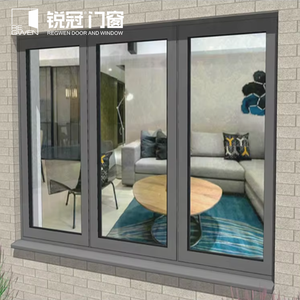
RG65 Customized Double Glazed Thermal Break Aluminum Casement Window Energy Efficient Factory Direct
- Multi-chamber PA66GF25 thermal bridge
- U-Factor: 1.4 W/m²K | Low-E Argon infill
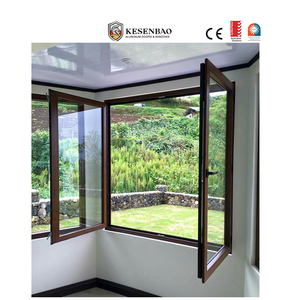
Double Glazed Aluminum Casement windows Design Impact Energy Efficiency Aluminium Casement Window with Screens
- Heavy-duty multi-point compression locks
- Integrated 304 stainless mesh flyscreens
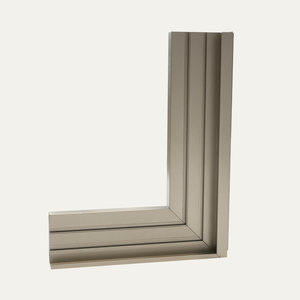
Modern Look Excellent Durability Wood Cabinet Door Pro Wood Smart Cabinet Door Aluminum Frame Designs
- Anodized aircraft aluminium core perimeter
- Commercial acoustic isolation profile
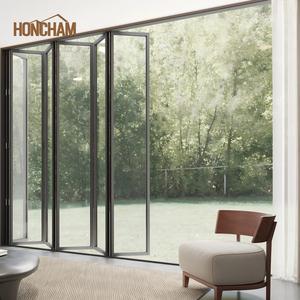
Custom Modern Aluminum Profile Tempered Double Glass Exterior Villa Patio Bi Fold Door Soundproof Foldable
- Top-hung stainless dual roller bearing
- Acoustic dampening rating: Rw 38 dB
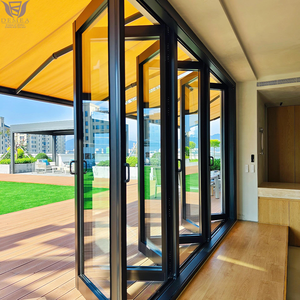
DEMEA Soundproof Home Office Garden Room Aluminium Frame Double Glazing Accordion Style Concertina Door
- Ultra-slim sightlines for maximum aperture
- EPDM co-extruded perimeter hermetic seals
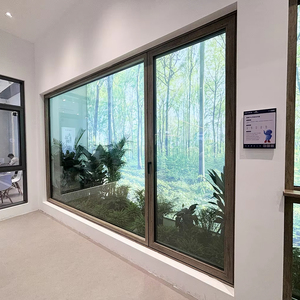
Fuson Aluminum Alloy Drift Bay Windows Flat Opening Inner Inverted Drift Soundproof System Window
- Dual-axis tilt and turn precision fittings
- Structural wind load capacity: 4500 Pa
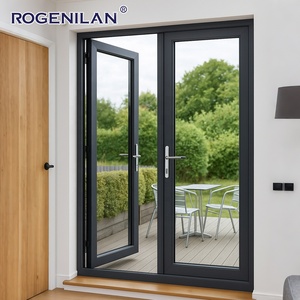
Rogenilan China Supplier Customized Size Aluminum Doors and Window Double Large Glass Fixed French Door
- Architectural PVDF fluorocarbon coatings
- Heavy-gauge 2.0mm extrusion profiles
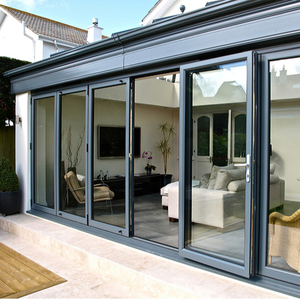
Custom Thermal Break Heavy Duty Aluminum Sliding Door Windproof Tempered Double Glazed Glass Sliding Doors
- Integrated track concealed drainage slot
- Cyclone & monsoon wind-rated interlocks
Engineering Superiority of Modern Aluminium Skylights
A comprehensive technical breakdown of fenestration mechanics, thermodynamic barriers, and load-bearing structural design for high-rise commercial structures and high-end residential estates.
The Paradigm Shift in Overhead Fenestration Engineering
Unlike vertical facade casements, overhead skylight fenestration is continuously subjected to multi-directional environmental stresses: direct orthogonal solar radiation, positive wind pressure, snow drifts, standing precipitation ponds, and thermal expansion dynamics. As an authoritative manufacturer and exporter, our engineering methodology centers around combining 6063-T6 extrusion durability with polyamide PA66GF25 structural breaks to eliminate interstitial condensation while maintaining complete thermal decoupling.
Alloy Metallurgy & Section Profiles
We utilize prime billet 6063-T6 architectural grade aluminium, extruded with an average web thickness exceeding 2.2mm to 3.0mm depending on spanning requirements. Our multi-chambered internal profile geometries incorporate internal drainage chutes and stiffening ribs, allowing oversized skylights up to 6000mm length spans without steel reinforcing sub-assemblies.
Thermal Bridge Technology
Equipped with 24mm to 34mm wide German Technoform polyamide insulating struts (PA66GF25 reinforced with 25% glass fibre), our thermal break rooflights achieve true thermal isolation. This prevents conductive heat gain in tropical climates, mitigates interior thermal leakage in alpine winters, and raises internal dew-point resistance to prevent perimeter moisture staining.
Hermetic Tri-Seal Vulcanization
We reject standard PVC gaskets in favor of continuous vulcanized EPDM rubber sealing rings. Featuring dual-durometer compression bulbs and dry-glazed exterior silicone gaskets, our skylight profiles deliver continuous class-leading airtightness (ASTM E283) and cyclic water penetration resistance up to 1000 Pa (ASTM E331).
| Performance Parameter | DERCHI Architectural Aluminium | Standard Steel Skylights | uPVC / Vinyl Skylight Units | Structural Wood Frame |
|---|---|---|---|---|
| Structural Modulus (Rigidity) | Extremely High (69 GPa) | Very High (200 GPa, High Weight) | Low (2.4 GPa - Creep Risk) | Medium (11 GPa - Deflection Risk) |
| Thermal Conductivity (Uw Range) | 0.82 - 1.4 W/m²K (Decoupled) | 1.8 - 2.8 W/m²K (Thermal Short) | 1.2 - 1.6 W/m²K | 1.0 - 1.5 W/m²K |
| Weather & Corrosion Immunity | PVDF / Anodized (50+ Yrs) | Oxidizes / Rusts over time | UV Yellowing & Embrittlement | Rot, Termite, & Swell Risks |
| Maximum Clear-Span Capacity | Up to 6.5m Self-Supporting | Over 8m (Excessive Self-Weight) | Limited to < 1.8m | Limited to < 3.0m without beams |
| Fire Safety Rating | Class A Non-Combustible | Class A Non-Combustible | Combustible / Toxic Fumes | Combustible (Charring) |
Future Procurement Trends in Architectural Skylight Fenestration
How progressive real estate conglomerates, commercial developers, and high-volume importers are structuring procurement criteria to meet net-zero carbon mandates and smart building architectures.
1. BIPV & Solar-Harvesting Glazing
By 2028, over 35% of commercial overhead fenestration will integrate Building-Integrated Photovoltaics (BIPV). Next-generation laminated rooflights utilize transparent cadmium telluride (CdTe) or perovskite micro-coatings that generate up to 60W/m² of on-site electricity while attenuating solar heat gain coefficients (SHGC < 0.22), directly feeding green building credits (LEED v4.1 & BREEAM).
2. IoT Motorization & BMS Sync
Mechanical skylights are transforming into active climatic vents. Procurement tenders now mandate concealed 24V DC synchronous chain actuators integrated directly with Building Management Systems (BMS). Features include automated rain sensors, indoor air quality (CO2/VOC) auto-evacuation ventilation, and wind-gust auto-closing safety triggers.
3. Off-Site Unitized Prefabrication
To eliminate on-site glazing hazards and curtail installation labor, developers favor 100% pre-glazed, curb-mounted unitized skylights. These modular plug-and-play units leave the factory fully waterproofed, pressurized with argon gas, and pre-fitted with perimeter counter-flashings, reducing on-roof assembly time by up to 75%.
4. Severe Cyclone & Blast Protection
Heightened extreme weather patterns demand stringent impact-resistant assemblies. Top-tier procurement now enforces compliance with AS 2047 N6 cyclonic testing, ASTM E1886/E1996 missile-impact standards, and walk-on load capacities up to 5.0 kN/m² using SentryGlas (SGP) ionoplast interlayer lamination.
Why Tier-1 Contractors Rely on DERCHI Engineering
Combining 25+ years of fenestration excellence with one of Southern China's largest intelligent manufacturing clusters.
180,000 m² Production Base
Situated in Foshan, Guangdong—the core of global aluminium processing—our mega-scale facility houses high-precision CNC 5-axis machining centers, robotic corner-crimping units, and automated argon gas filling lines.
600+ Skilled Specialists
Our workforce features an in-house R&D engineering department of 45+ structural engineers, CAD/BIM drafters, and bilingual project managers providing comprehensive shop drawings within 24 hours of RFQ.
Globally Certified Compliance
All fenestration systems undergo destructive and non-destructive laboratory testing, achieving ISO 9001, European CE, Australian AS 2047, AS 1288, North American NAFS/AAMA, and UL fire-rated certifications.
25+ Years Export Authority
We provide seamless FOB, CIF, or DDP delivery to global ports across North America, Europe, Australia, and South Asia (including Nhava Sheva, Mundra, Karachi, Colombo) packed in steel-caged sea freight crates.

Guangdong Dejiyoupin Doors and Windows Co., Ltd.
Recognized among China's Top 10 premium architectural fenestration brands, DERCHI operates as an end-to-end original equipment manufacturer (OEM/ODM). We engineer integrated envelope solutions ranging from motorized rooflights and large pivot doors to soundproof casements and curtain wall facades.
- Over 30 Design & Invention Patents
- AkzoNobel & PPG Certified Coater
- Comprehensive In-House Water/Air Testing
- Heavy-Duty Plywood Export Crating
Technical & Procurement FAQ for B2B Importers
Essential guidance for architects, façade consultants, structural engineers, and global procurement officers sourcing aluminium skylight systems directly from our factory.
What structural aluminium alloys and wall thicknesses are used in your skylight systems?
How do your aluminium skylights prevent condensation and perimeter thermal bridging?
Can you manufacture walkable glass skylights for accessible commercial rooftop terraces?
What automation, rain sensor, and BMS controls are available for operable skylights?
How are oversized skylights packaged to prevent transit damage during ocean freight?
What international testing standards and certifications do your fenestration products meet?
What is the standard production lead time and typical Minimum Order Quantity (MOQ)?
Initiate a B2B Engineering Review & Factory-Direct Quotation
To receive an expedited, accurate engineering review and comprehensive bill of materials (BOM) pricing within 24 hours, our technical estimating desk requires the following project baseline details: clear opening dimensions (W × H in mm), structural pitch/slope angle (°), glazing performance criteria (U-Factor, SHGC, acoustic dB rating), surface treatment requirement (Qualicoat Class 2 powder coating or 3-coat AAMA 2605 PVDF), opening motorization needs, and the destination discharge port for CIF/FOB freight calculation.