Architects, commercial developers, and high-performance builders demand basement fenestration that mitigates below-grade thermal bridge vulnerabilities, hydro-static ground runoff, and structural envelope pressure. Explore our verified export series engineered for rigorous international performance standards.
Recognized within China’s Top 10 fenestration and entrance brands, Guangdong Dejiyoupin Doors and Windows Co., Ltd. (DERCHI) operates from our premier industrial manufacturing cluster in Shishan Town, Nanhai District, Foshan. We provide end-to-end R&D, CNC extrusion profiling, high-precision thermal-break bridging, automated multi-pane glazing, and complete pneumatic quality validation under one unified system.
For more than 25 years, our engineering divisions have fulfilled demanding envelope and window specifications for tier-one projects throughout the United States, Canada, Australia, the Philippines, and the Middle East. Because sub-grade installations face unique physical hazards—such as earth moisture intrusion, severe soil-level thermal swings, and violent storm water accumulation—our custom aluminum storm windows are fabricated using architectural-grade 6063-T5/T6 alloys with specialized marine-grade coatings.
Direct sourcing from our Foshan mega-facility circumvents trading intermediaries, shortens technical clarification lead-times, and secures factory-backed project submittals including static structural calculations and free shop drawings.
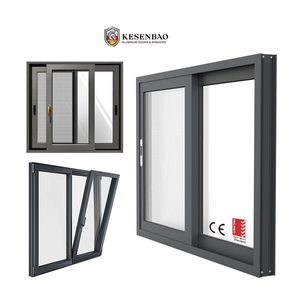
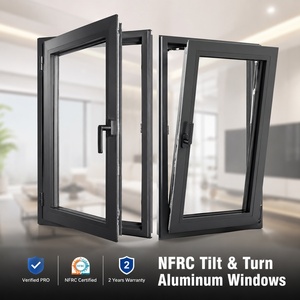
Full conformance to CE, AS2047, ISO 9001, and NFRC thermal metrics. Performance metrics are backed by verified third-party laboratory test reports for wind pressure, air permeability, and hydro-static resistance.
Our dedicated engineering department drafts tailored CAD shop drawings, structural anchorage models, and thermal break isothermal flow simulations to streamline client approval processes.
Every window assembly features protective peel-off film, corner bumper shock absorption, moisture barrier encasements, and fumigated steel-strapped wooden crates designed for trans-oceanic freight.
We deploy high-durability German multi-point locking gear, stainless steel sliding tracks, and dual EPDM co-extruded gaskets engineered for uncompromised longevity in wet subterranean conditions.
Basement storm windows represent the most physically vulnerable architectural interface in multi-story residential structures and commercial basements. Below grade, windows operate in a micro-climate characterized by saturated soil contact, extreme differential relative humidity (often exceeding 80% RH inside window wells), and thermal conduction loads from concrete foundation cold bridges.
When high-intensity cyclonic rainfall or rapid snowpack thaw inundates exterior window wells, sub-standard storm units experience rapid gasket deformation and sill overflow. Standard residential windows rely on surface weep slots that easily clog with sediment and windborne debris, creating back-pressure that forces standing water into structural wall framing and finished basements.
DERCHI’s aluminum basement storm window systems feature staggered gravity-flow drainage chambers isolated from internal structural chambers. Combined with continuous perimeter EPDM compression gaskets and multi-point perimeter latching, our units maintain structural water tightness up to 700 Pa differential pressure, completely eliminating back-siphonage.
Furthermore, standard raw aluminum conducts outdoor ground chill straight through the frame, inducing interior dew-point condensation that fuels black mold (Stachybotrys chartarum). Our solution integrates glass-fiber reinforced Polyamide PA66 thermal barriers that isolate exterior metal from interior air, elevating interior surface temperatures and maintaining moisture balance.
| Performance Parameter | Generic Field Storm Windows | Commercial Vinyl / UPVC Wells | DERCHI Engineered Aluminum Systems |
|---|---|---|---|
| Frame Alloy & Temper | Recycled aluminum scrap (mixed) | Polyvinyl chloride (unreinforced) | Virgin 6063-T5/T6 Architectural Aluminum |
| Thermal Transmittance (U-Factor) | U ≥ 4.8 W/m²K (Extreme cold bridge) | U ≈ 2.2 W/m²K (Moderate) | U ≤ 0.95 - 1.4 W/m²K (High-performance thermal break) |
| Cyclic Ground Hydrostatic Resistance | Poor (< 150 Pa); frequent sill flooding | Fair (250 Pa); frame warps under ground pressure | Certified 600 - 900 Pa Water Penetration Resistance |
| Degradation Resistance | Pitting corrosion; track seizure | Embrittlement, warping & yellowing | Fluorocarbon (PVDF) / Qualicoat Powder Finish |
| Intrusion & Impact Rating | Basic sheet glass; single catch lock | Easily breached with pry tools | Laminated security glass with multi-point perimeter locks |
Procurement directors, commercial quantity surveyors, and architectural specifiers are transitioning away from ad-hoc site retrofits toward high-performance prefabricated systems. Key shifts driving procurement strategy over the next five years include:
Global building energy codes (such as ASHRAE 90.1, IECC, and European EPBD standards) are setting stricter limits on below-grade energy loss. B2B purchasers are prioritizing Life Cycle Costing over lowest-unit-cost. High-thermal-break aluminum windows demonstrate up to a 40-year functional service life, providing superior return on investment compared to unstable vinyl units that warp and fail within a decade.
Supply chain shocks have exposed the fragility of localized window fabricators relying on fragmented parts supply. Strategic procurement teams now partner directly with comprehensive OEM manufacturers capable of supplying structural glass, extruded frames, hardware mechanisms, and matching entry or egress systems under a single verified international warranty.
With an increase in 100-year localized precipitation flash floods, architectural buyers require documented DP (Design Pressure) calculations and water-shedding performance ratings. Sourcing criteria have shifted from mere aesthetic matching to quantifiable physical resistance against dynamic water heads and severe subterranean storm pressures.
The convergence of metallurgy, surface chemistry, and advanced glass manufacturing is driving rapid functional breakthroughs in basement and storm fenestration systems:
Emerging micro-spacer vacuum technology yields center-of-glass values as low as Ug = 0.4 W/m²K within an ultra-thin 8.3mm profile, maximizing natural daylight penetration through shallow basement window openings.
Advanced Fluoropolymer coatings repel constant dirt splashback, ground mineral crystallization, and aggressive fertilizer runoff typical of grade-level planting beds surrounding basement light wells.
Concealed sensors within window rebate chambers track perimeter air infiltration, latch engagement status, and early moisture accumulation, communicating via building automation systems before leaks cause drywall damage.
Concealed mushroom-head cam bolts, anti-drill strike plates, and laminated safety glass prevent sub-grade forced entry while maintaining clean, contemporary interior lines.
Modern basement storm designs integrate concealed gas-strut mechanisms that instantly convert restricted hoppers into full-aperture emergency egress exits with zero manual lifting effort.
Essential guidance on certifications, structural engineering, international freight, and custom sizing for high-performance basement fenestration systems.
Connect directly with our Foshan engineering division. Receive factory-direct quotes, CAD shop drawings, and comprehensive test documentation for your residential development, villa project, or commercial envelope upgrade.