Featured Commercial & Residential Lanai Door Systems
High-performance architectural portals designed to withstand extreme wind-load pressures, salt-mist oxidation, and tropical rainfall while ensuring thermal comfort.
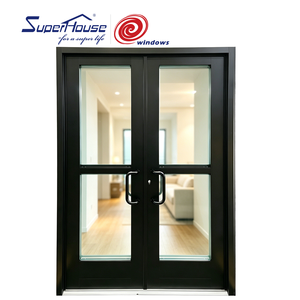
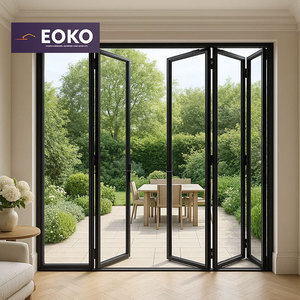
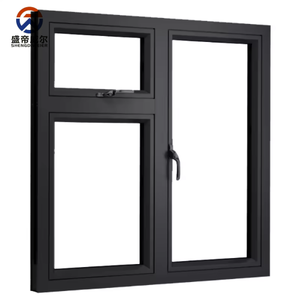
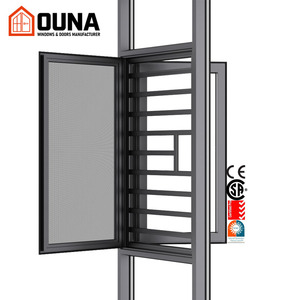
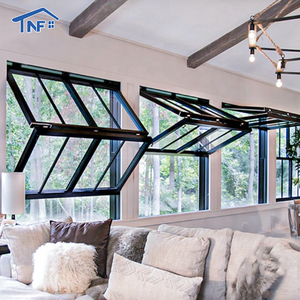
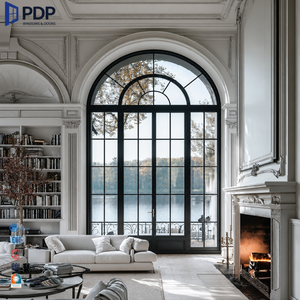
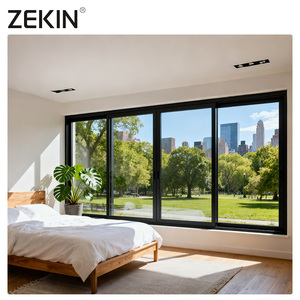
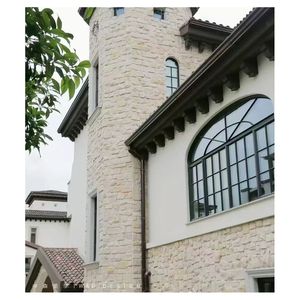
Structural Integrity & Fenestration Mechanics of Modern Lanai Systems
Lanai enclosures and patio portals function at the critical threshold between climate-controlled luxury and turbulent ambient weather. Sourcing architectural lanai doors requires rigorous evaluation of alloy metallurgy, structural thermal barriers, and cyclonic hydrostatic sealing.
Alloy Metallurgy: 6063-T6 Extrusions
Unlike standard architectural profiles, commercial lanai doors demand primary architectural billet 6063-T6 alloy with tensile yield strengths exceeding 214 MPa. This structural rigidity allows multi-panel spans exceeding 3.5 meters in height while sustaining positive and negative wind pressures in excess of Design Pressure (DP) 65 to 100 psf, eliminating deflection under hurricane wind gusts.
Polyamide PA66 GF25 Thermal Barriers
Lanai openings are prone to massive solar heat gains. Our profiles utilize reinforced Polyamide PA66 insulation strips with 25% glass fiber strand enhancement. This creates an impermeable thermal barrier between outer and inner aluminum chassis, reducing the thermal conductivity (U-factor < 0.28 BTU/hr·ft²·°F) and completely stopping condensation sweat in tropical humidity.
Sub-Sill Fluid Hydrodynamics
Monsoon downpours drive rainwater against bottom door sills at high velocities. Advanced lanai doors incorporate cascading concealed baffle valves and pressurized sub-sill drain chambers. Water is guided via gravitational hydrostatic channels outward before surface tension or cyclonic backpressures can compromise the interior subflooring.
Precision Heavy-Bogie Hardware
Multi-panel sliding lanai assemblies often feature structural laminated glazed sashes weighing over 350 kg each. Heavy-duty tandem bogies machined from 316 marine-grade stainless steel with sealed ceramic bearings ensure silent gliding actuation across stainless steel rails, certified for over 100,000 opening cycles without track gouging or operational binding.
AAMA 2605 / Qualicoat Seaside Finishes
Coastal and subtropical lanai enclosures are relentlessly attacked by airborne salts and UV radiation. Our electrostatically applied 70% Polyvinylidene Fluoride (PVDF) fluoropolymer coatings and Qualicoat Seaside Class 2 anodized finishes resist chalking, blistering, and chemical deterioration over a 3,000-hour salt spray exposure cycle (ASTM B117 standards).
Laminated Impact Interlayers (SGP / PVB)
Coastal lanai architecture requires defense against wind-borne debris. Using laminated dual-glazed architectural glass engineered with Kuraray SentryGlas® (SGP) or acoustic PVB interlayers, these door portals deliver extreme impact resistance complying with ASTM E1886/E1996 Large Missile Test C/D standards and Miami-Dade protocol equivalents.
Global Sourcing Forecast & Architectural Buying Trends
Forward-looking developers, luxury builders, and commercial importers must navigate evolving architectural demands, tighter international energy codes, and rapid structural integration paradigms.
Zero-Step Recessed Thresholds
Developers are eliminating physical boundaries between lanais, living rooms, and pool decks. Procurement is shifting entirely toward flush-mounted floor tracks with integrated drainage cassettes that meet universal accessibility (ADA) standards without compromising ASTM E331 water penetration ratings.
Automated Mechatronic Drive Systems
As lanai panels scale up to 4 meters high and exceed 400 kg, manual operation becomes impractical. Buyers now specify concealed brush-less DC motors integrated with building automation systems (BMS), weather sensors that trigger auto-closure upon rain detection, and smart access credentials.
Ultra-Narrow Interlock Sightlines
Panoramic luxury architectural projects increasingly demand unobstructed sightlines. Sourcing shifts heavily to minimalist aluminum frames with vertical interlock widths reduced to 20mm–28mm, utilizing structural glass bonding technology to achieve wind-load rigidity without bulky metal mullions.
Low-Carbon Certified Billet Sourcing
Global institutional projects under LEED v4.1, BREEAM, and Green Star programs now audit the embodied carbon of fenestration. Leading exporters are mandated to supply doors cast from hydro-powered green aluminum billets with Environmental Product Declarations (EPD) to minimize project carbon footprints.
Frontier Innovations in Lanai Door Manufacturing
How robotic fabrication, intelligent glazing, and mechanical breakthroughs are elevating the next generation of exterior door assemblies.
5-Axis CNC Milling Precision
Manual fabrication tolerances are obsolete. Advanced door chassis are routed, drilled, and tapped using automated Italian 5-axis CNC machining centers. Locking gear mortises, corner corner-cleat joints, and concealed hinge pockets maintain micron tolerances of ±0.1mm, ensuring air-tight joinery and effortless sash travel across wide-span structural openings.
Electrochromic & Dynamic Tinting
Modern lanai door units increasingly support electronically switchable Smart Glass (PDLC) or electrochromic dynamic solar coatings. Occupants can transition their patio envelope from crystalline transparency to opaque sun-shielding via building automation protocols, curbing solar heat loads without requiring physical curtains or exterior drapery.
Co-Extruded Cellular Gaskets
Conventional brush seals rapidly degrade when subjected to tropical humidity and particulate friction. Contemporary engineering mandates continuous vulcanized EPDM or Santoprene co-extruded gaskets engineered with internal micro-cellular foam cores, guaranteeing zero plastic deformation and resilient airtightness under continuous cyclic compression.
Global Engineering Scale & Direct Factory Dominance
Operated by Guangdong Dejiyoupin Doors and Windows Co., Ltd. (DERCHI), our enterprise ranks among the premier fenestration manufacturing operations in Asia. Sourcing your lanai and patio door schedules directly from our Foshan production hub eliminates intermediary markup, accelerates shop-drawing approvals, and enforces end-to-end quality control.
- 180,000 m² Infrastructure: Massive automated production facility with 600+ skilled fabricators.
- Free CAD & BIM Services: In-house structural façade engineers deliver complete shop drawings within 48 hours.
- In-House Testing Laboratory: Continuous cycle testing for wind deflection, water penetration, and air infiltration.
- Export Armor Packaging: Anti-scratch film wrap, heavy-gauge corner buffers, and fumigated steel-banded crates.
- Worldwide Logistics Delivery: Direct FOB, CIF, or DDP shipments to North America, Australia, Europe, and South Asia.
- Technical On-Site Support: Clear step-by-step digital installation schematics and remote video engineering guidance.
Frequently Asked Questions for Project Procurement
Critical engineering, logistics, and compliance considerations addressed for architects, general contractors, and trade importers.
Our lanai assemblies feature multi-stage pressure equalization chambers combined with cascading weep valves and continuous EPDM dual compression gaskets. Even under severe dynamic hydrostatic pressures of 700 to 1,050 Pa (tested under ASTM E331 and AS 2047 protocols), wind-driven rainwater is captured in sub-sill reservoirs and evacuated through external one-way valves before touching internal finishes.
For beachfront residences, resort hotels, or coastal environments exposed to continuous salt spray, we specify 70% Kynar 500 / Hylar 5000 PVDF fluorocarbon coatings or Qualicoat Seaside Class 2 anodized finishes (minimum 25-micron anodic layer). These surface treatments resist micro-pitting, salt-crust corrosion, and chalking under extreme UV radiation, outperforming standard powder coatings.
Yes. We specialize in zero-post 90-degree and 135-degree corner configurations. Our architectural assemblies integrate interlocking corner gaskets and pocketing track receivers that allow multiple sashes to slide entirely into structural wall cavities, completely opening interior living spaces to exterior lanais with zero vertical structural post obstruction.
Our products are manufactured under ISO 9001 quality management standards and are independently certified across key international jurisdictions: CE (EN 14351-1) for Europe, NFRC and CSA for North America, and AS 2047 (rated up to N6 cyclonic standard) and AS 1288 for Australia and New Zealand. Structural test reports are provided directly to consulting engineers for fast permitting.
Every aluminum profile is protected with custom low-tack protective film, wrapped in heavy cellular PE foam, and fitted with rigid polymer corner shields. Multi-panel door units and double/triple glazed panels are crated in custom-engineered, fully enclosed ISPM 15 heat-treated plywood crates reinforced with structural internal perimeter bracing to ensure zero glass movement during transit.
Following structural approval of our engineering CAD shop drawings and glass schedule sign-off, custom production lead times are typically 25 to 35 business days. For large-scale multi-unit commercial developments or custom-extruded architectural profiles, scheduled phased container releases are coordinated directly with your site delivery milestones.
Ready to Engineer Your Architectural Lanai Solution?
Connect directly with our engineering consultation desk. Receive certified structural calculations, complimentary BIM/CAD shop drawings, and competitive direct-factory pricing for your custom residential or commercial door schedules.