Engineering Excellence in Aluminum Storm & Architectural Door Systems
As extreme weather events escalate worldwide and energy conservation codes tighten, high-performance aluminum storm doors and exterior structural fenestration have shifted from simple protective barriers to engineered building envelope components. This technical whitepaper evaluates material metallurgy, thermal break performance, advanced structural coatings, and strategic procurement frameworks for B2B buyers, architects, and commercial developers.
Featured Architectural Aluminum Door & Window Solutions
Engineered to meet rigorous international standards including CE, ISO 9001, AS 2047, and UL fire resistance ratings. Designed for luxury residential, high-rise commercial, and coastal storm resilience.
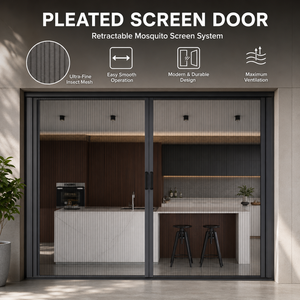
Retractable Screen Mosquito Nets Aluminum Frame Folding Screen Door
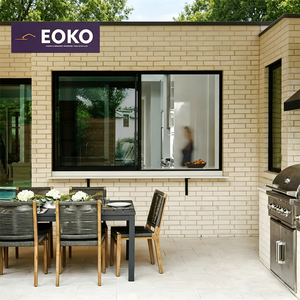
EOKO NFRC Certified Thermal Break LOW-E Glass Aluminum Sliding Windows
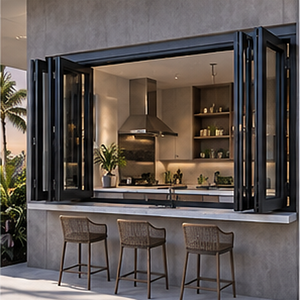
Soundproof Aluminum Glass Bi-Fold Terrace Balcony Door System
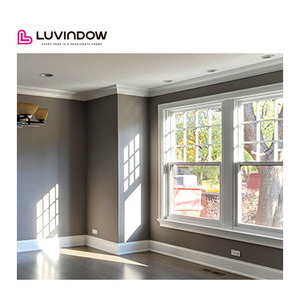
American Style Double or Single Hung Sash Aluminum Vertical Windows
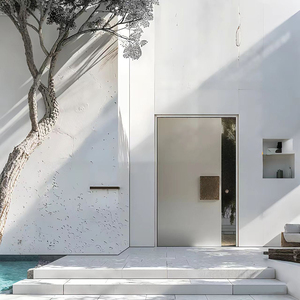
Bespoke Minimalist Aluminum Contemporary Exterior Anti-Theft Entry Doors
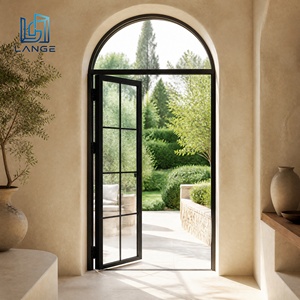
Modern Thermal Break Aluminum Casement Slim Frame Glass Patio Swing Door
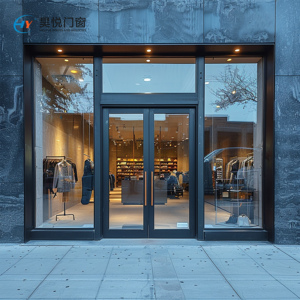
Commercial Aluminum Tempered Glass Storefront Double Door System
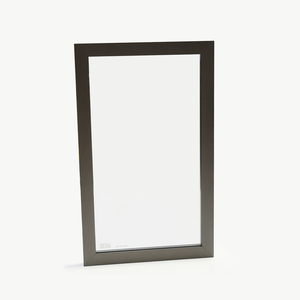
Italian Brand Aluminum Door and Window Frames for Cabinet & Architectural Use
Enterprise Manufacturing Infrastructure: Guangdong Dejiyoupin (DERCHI)
Operating from an expansive 180,000 square meter integrated industrial facility in Foshan, Guangdong—the world’s epicenter of aluminum fabrication—DERCHI represents top-tier engineering authority. Backed by over 25 years of specialized innovation, a dedicated workforce exceeding 600 skilled technicians, and rigorous multi-stage quality control, we manufacture architectural aluminum storm doors engineered to withstand hurricane-force wind loads, intense UV exposure, and saline-rich coastal corrosion.
Engineering Performance Specifications Matrix
Standardization data comparing structural grade aluminum profiles against traditional architectural materials for high-stress exterior storm installations.
| Performance Metric | High-Spec Aluminum (6063-T6) | Traditional Steel / Iron | uPVC / Vinyl Profiles | Solid Timber |
|---|---|---|---|---|
| Tensile Strength (MPa) | 205 - 240 MPa | 310 - 400 MPa | 40 - 50 MPa | 35 - 75 MPa |
| Corrosion Resistance | Exceptional (PVDF / Anodized) | Low (Prone to Rust) | High | Poor (Rot & Mold) |
| Thermal Expansion Coeff. | 23.1 × 10⁻⁶ / K | 12.0 × 10⁻⁶ / K | 80.0 × 10⁻⁶ / K | Variable (Hygroscopic) |
| Wind-Load Structural Resistance | Up to 6000 Pa (ASTM E330) | High | Low (Requires Steel Reinforcement) | Medium |
| Termite & Pest Resistance | 100% Immune | 100% Immune | 100% Immune | Vulnerable |
| Expected Service Lifespan | 35+ Years | 15 - 20 Years | 10 - 15 Years | 12 - 18 Years |
Future Product Development Trends in Aluminum Storm Doors
The next generation of storm doors integrates thermal break engineering, smart access automation, and eco-friendly metallurgical circularity.
Polyamide Thermal Break Isolation
Modern aluminum storm doors are overcoming aluminum’s high natural thermal conductivity by incorporating PA66-GF25 (25% glass-fiber reinforced polyamide) thermal barriers. This decoupled double-extrusion profile creates a thermal break, dramatically reducing U-factors to under 1.2 W/m²K and eliminating interior condensation during extreme winter freeze-thaw cycles.
Multi-Point Motorized Smart Locks
Driven by smart home security ecosystems, exterior storm doors are migrating from single-latch mechanical deadbolts to automated multi-point locking systems. Utilizing continuous stainless steel locking pins controlled via 3D biometric fingerprint scanners, encrypted RFID, and Zigbee/Z-Wave protocols, these doors provide fortress-level security against forced entry.
Impact-Resistant Laminated Glazing
Integrating SGP (SentryGlas® Plus) ionoplast interlayers between heat-strengthened glass panels allows storm doors to survive missile impact testing (ASTM E1996 / TAS 201). This architectural advancement ensures that even under category 5 hurricane debris bombardment, the glazing panel remains intact, preventing severe structural pressure drops inside the building envelope.
Nanotechnology PVDF & Powder Coatings
Advanced surface treatment processes now combine fluorocarbon PVDF resins with self-cleaning hydrophobic nanocoatings. Tested under 3,000+ hours of continuous salt spray (ASTM B117), these coatings resist chalking, blistering, and fading under relentless UV exposure, extending surface aesthetic warranties to over 25 years in severe marine environments.
Acoustic Attenuation Engineering
Urban densification has heightened demand for high STC (Sound Transmission Class) ratings. By pairing multi-chamber aluminum extrusions with asymmetric acoustic laminated glass and dual-layer continuous EPDM foam weather-stripping, storm doors achieve STC ratings up to 45 dB, isolating interior spaces from ambient urban traffic and storm noise.
Integrated Concealed Hydraulics
Replacing unsightly external pneumatic door closers, next-generation storm doors utilize heavy-duty hydraulic hinges and concealed top-rail closers. These fluid-damped mechanisms provide smooth 180-degree self-closing action with adjustable latching speeds, hidden entirely within the sleek minimalist frame profiles.
Future Procurement Trends for Global B2B Buyers
Key structural shifts shaping international sourcing, factory audits, supply chain compliance, and total cost of ownership (TCO) for commercial developers and importers.
1. Decarbonization & EPD Certification
Global green building regulations (LEED, BREEAM) are forcing buyers to demand Environmental Product Declarations (EPDs). Sourcing from manufacturers utilizing low-carbon primary recycled aluminum extruded with renewable hydropower significantly reduces embodied carbon metrics across commercial construction contracts.
2. Digital BIM & CAD Integration
Architects and general contractors no longer accept generic paper catalogs. Preferred door manufacturers must supply native Autodesk Revit BIM models, IFC files, and parametric CAD shop drawings to enable frictionless integration into digital twin models and automated architectural scheduling systems.
3. VR Remote Factory Auditing
In-person factory visits are increasingly supplemented by immersive 360-degree VR audits, real-time IoT production tracking, and digital QA inspection video feeds. International buyers can inspect extrusion lines, powder coating booths, and water tightness testing facilities remotely prior to placing bulk orders.
Frequently Asked Questions (FAQ) for Sourcing Aluminum Storm Doors
Direct technical answers to common queries raised by architects, importers, and project engineers during procurement evaluation.
Accelerate Your Architectural Sourcing Pipeline
Connect directly with our senior fenestration engineers to receive comprehensive CAD shop drawings, factory-direct wholesale pricing, thermal analysis reports, and customized project quotations.