Burglar Resistant RC2/RC3
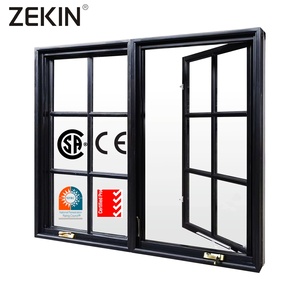
ZEKIN Casement Windows Burglar Proof Multi-Point Locking Aluminum Frame
Uw ≤ 0.88 W/m²K
Multi-Point Cam Locks
Acoustic Rw 42dB
Explore our precision-extruded thermal break fenestration assemblies tailored specifically for developers, general contractors, commercial envelope specialists, and architectural distributors across Poland.
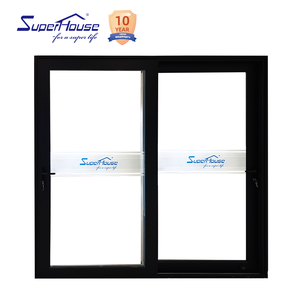
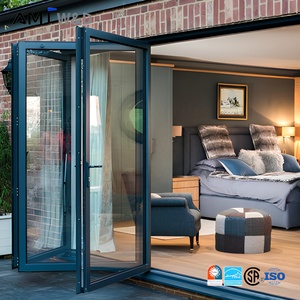
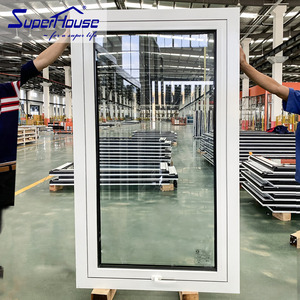
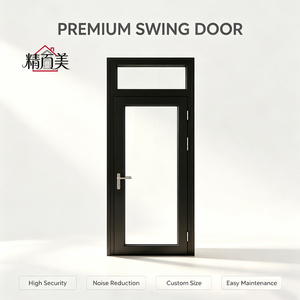
Poland spans harsh transitional continental climate zones (Zone I through Zone V according to PN-EN 12831), where winter temperatures routinely plummet to -22°C in eastern provinces while southern foothills encounter extreme snow drift and gust loads.
Suburban enclaves across Warsaw (Konstancin-Jeziorna), Kraków, and Wrocĺaw require massive panoramic glazing with uncompromising thermal containment. Our multi-chambered polyamide thermal breaks paired with triple and quadruple argon-filled IGU panes achieve overall Uw values far exceeding Poland's WT 2021 building code requirements.
Application: Low-Energy Single Family HomesHigh-density residential and mixed-use commercial projects in Warsaw Wola, Gdańsk, and Katowice face intense airborne transportation noise. Combining asymmetric laminated acoustic glass (e.g., 6mm+PVB+4mm) with dual co-extruded EPDM continuous perimeter seals delivers sound reduction indexes up to Rw 46 dB.
Application: Multi-Family & High-Density CommercialInstallations facing the aggressive saline maritime winds of Gdynia, Koĺobrzeg, or Szczecin, and sub-alpine storm pressures in Zakopane, demand specialized structural resilience. Our Qualicoat Seaside Class powder finishes and 2.0mm–3.0mm primary wall thickness extrusions withstand extreme wind load Class C5 and driving rain water tightness up to 1050 Pa.
Application: Baltic Maritime & Mountain ResortsAn exhaustive technical overview of why Polish developers and window distributors are migrating from conventional PVC systems to high-performance, carbon-efficient architectural aluminium alloy systems.
Under the Polish Ministry of Development and Technology's Warunki Techniczne (WT 2021) framework, fenestration components are bound to some of the strictest thermal parameters in the European Union. For external vertical windows installed in residential environments heated to above 16°C, the maximum allowable heat transfer coefficient is strictly capped at Uw ≤ 0.90 W/(m²·K), while roof-mounted elements must satisfy Uw ≤ 1.10 W/(m²·K).
Furthermore, under Poland's Czyste Powietrze (Clean Air) national subsidy framework and EU Energy Performance of Buildings Directive (EPBD) revisions targeting zero-emission building mandates by 2030, building envelopes must systematically eliminate cold bridging. Meeting these requirements with bulky multi-chamber uPVC profiles often compromises structural rigidity and daylight ingress. Our structural 6063-T6 thermal break aluminium profiles utilize reinforced 34mm–42mm polyamide (PA66 GF25) thermal insulators infused with aerogel blankets, easily achieving system Uw levels down to 0.78 W/(m²·K) while preserving ultra-narrow sightlines.
| Performance Metric | Polish WT 2021 Regulatory Baseline | Standard Market Offering | Factory Export Specification |
|---|---|---|---|
| Window Overall U-Value (Uw) | ≤ 0.90 W/(m²·K) | 0.90 – 1.10 W/(m²·K) | 0.75 – 0.85 W/(m²·K) (Passive Rated) |
| Air Permeability (EN 12207) | Class 3 Minimum | Class 3 | Class 4 (Max airtightness @ 600Pa) |
| Water Tightness (EN 12208) | Class 4A (150 Pa) | Class 7A (300 Pa) | Class 9A – E1050 (≥ 1050 Pa) |
| Resistance to Wind Load (EN 12210) | Class B2 / C2 | Class C3 | Class C5 / B5 (≥ 2000 Pa design load) |
| Acoustic Attenuation (Rw + Ctr) | Recommended ≥ 32 dB | 30 – 34 dB | 38 – 46 dB (Custom Laminate Stack) |
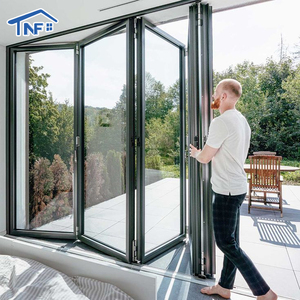
The contemporary Polish architectural idiom has unequivocally embraced floor-to-ceiling, wall-to-wall glazing. In detached villas across Masovia and Greater Poland, traditional tilt-and-turn patio doors have been widely superseded by large-format lift-and-slide doors (referred to locally as drzwi przesuwne typu HST) and expansive bi-folding assemblies. Architectural profiles must effortlessly carry sash weights exceeding 300 kg to 500 kg while maintaining feather-light operation. Aluminium's superior strength-to-weight ratio over vinyl prevents profile deflection and sash sagging under solar deflection and thermal expansion.
As commercial developers in Poland align with BREEAM (Excellent/Outstanding) and LEED (Gold/Platinum) environmental rating protocols, the material lineage of building envelopes is closely audited. Our primary billet sourcing adheres strictly to low-carbon primary electrolysis powered by renewable hydro-energy, integrated with post-industrial scrap recycling loops to maintain an exceptionally low embodied carbon footprint below 4.0 kg CO2e per kg of primary aluminium alloy extruded.
We combine the industrial capacity of an elite 180,000 m² production complex with the engineering precision demanded by European harmonized standards (CE / EN).
Every export consignment destined for Poland arrives complete with European CE marking, factory production control documentation, and a formal Declaration of Performance (DoP) under EN 14351-1:2006+A2:2016, guaranteeing frictionless municipal site inspections and investor handover.
Backed by over 600 skilled technicians, automated CNC cutting and machining centers, and an expansive 180,000 m² manufacturing campus. Our quarterly throughput reliably supports large residential subdivisions, commercial office parks, and nationwide retail window distribution networks without supply bottlenecks.
Our extrusions are engineered with standardized Euro-Groove euro-profile geometry, enabling seamless integration with top European hardware mechanisms (Siegenia, Roto, GU, or Sobinco). Polish installers benefit from familiar adjustment mechanisms, micro-ventilation gears, and anti-burglary mushroom cams.
Our specialized structural design engineers provide complimentary CAD shop drawings, connection detail schematics, and Revit BIM models within 48 hours of project schedule receipt. We assist your architectural consultants in calculating thermal expansion coefficients and wind load deflection formulas.
Shipments are packaged in fumigated A-frame steel shipping crates with moisture-barrier wrapping and corner impact buffers. Direct container shipping lanes from South China ports to the deepwater Container Terminal Gdańsk (Baltic Hub) or Gdynia ensure secure delivery within 28–35 sailing days.
We back our structural frames, thermal barrier integrity, and Qualicoat powder coatings with a 10-year factory warranty. Our dedicated bilingual engineering liaison desk operates aligned with Central European Time (CET) to provide swift technical resolution and spare parts support.
Everything Polish general contractors, architectural specifiers, and window distributors need to know regarding technical conformity, logistics, and on-site implementation.
Specifying fenestration across Poland requires precise balance between solar heat gain (g-value) during brief summer peaks and low U-values throughout extended winter heating cycles.
Poland is categorized into five distinct climatic design temperature zones for space heating calculations:
| Glazing Configuration | Glass Layer Construction (mm) | Argon Gap (mm) | Ug (W/m²K) | Light Transmittance (TL) | Solar Factor (g) |
|---|---|---|---|---|---|
| Standard Low-E Triple Pane | 4 Low-E + 4 Float + 4 Low-E | 2 x 16 (90% Ar) | 0.60 | 74% | 53% |
| Acoustic Security Triple Stack | 6.76 (33.2 Stratophone) + 4 + 4 Low-E | 2 x 14 (90% Ar) | 0.65 | 71% | 50% |
| Passive House Premium Quad | 4 Low-E + 4 + 4 + 4 Low-E | 3 x 14 (90% Ar) | 0.40 | 62% | 44% |
| Solar Control (South Façade) | 6 SolarCool + 4 Float + 4 Low-E | 2 x 16 (90% Ar) | 0.58 | 58% | 36% |
A window's thermal insulation is determined not solely by the frame (Uf) and the glazing unit (Ug), but equally by the linear thermal bridge at the glass edge (Ψg - Psi value) and the wall interface (Ψinst). Conventional aluminium spacer bars create an internal cold perimeter along the glass edge where warm indoor air deposits moisture, creating mold risks under typical Polish autumn and winter indoor humidity levels (50%–65%). Our systems utilize high-performance composite warm-edge spacers (Ψ ≤ 0.032 W/mK) and deep glass bedding depths (≥ 22mm) to ensure the internal surface temperature at the glass edge remains comfortably above the dew point even when external conditions drop to -20°C.
Whether you are tendering for a multi-family residential estate in Warsaw, specifying a luxury private residence in Kraków, or expanding your national distribution inventory across Poland, our engineering team is ready to analyze your drawings, calculate thermal performance, and issue certified export proposals.