Featured Thermal & Soundproof Systems for Nordic Architecture
Direct factory-manufactured door and window components engineered with polyamide structural thermal barriers, multi-chamber extrusion profiles, and argon-filled toughened glass units.
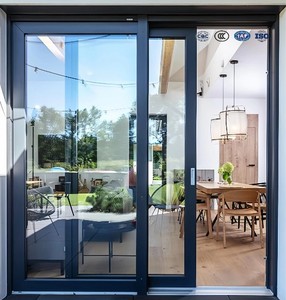
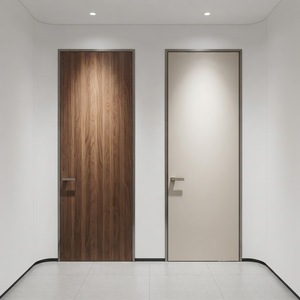
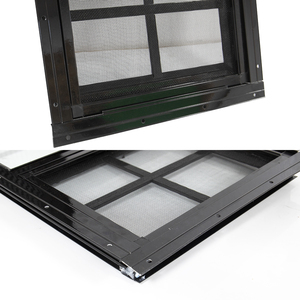
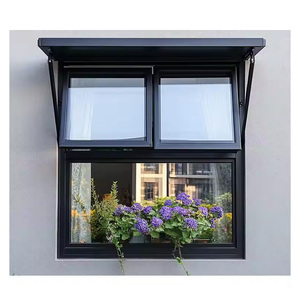
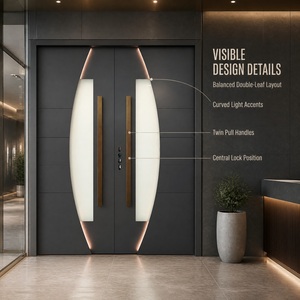
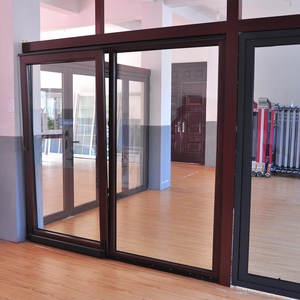
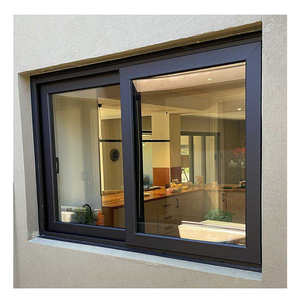
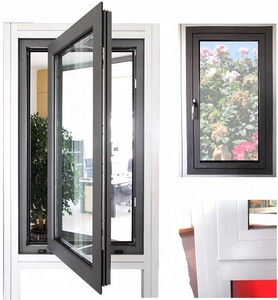
Engineering Doors for Norway's Harsh Environments
Specifying entrance doors in Norway requires rigorous thermal break engineering, airtightness under driving rain, and multi-point mechanical security.
Sub-Zero Thermal Envelope (TEK17)
To conform to Norwegian Building Regulations (TEK17 §14-2), our aluminium systems employ 34mm–54mm multi-chamber polyamide (PA66 GF25) thermal breaks reinforced with aerogel insulation cores. Combined with triple-glazed units featuring Warm-Edge Swisspacer bars and argon gas, whole-unit U-values reach 0.78 W/m²K to eliminate internal condensation during inland Scandinavian winters.
Passive House StandardAtlantic Coastal Water & Wind Tightness
From Bergen to the Lofoten archipelago, structural facades face driving gale-force rains. Our doors feature continuous vulcanized EPDM central gaskets and subterranean drained threshold profiles tested up to Class E1500 (EN 12208) water-tightness and Class C5 (EN 12210) extreme wind resistance, preventing capillary moisture ingress even during severe cyclonic squalls.
EN 12208 / EN 12210 TestedC5-M Marine Grade Surface Finishes
Coastal salt fog corrodes standard aluminium finishes within seasons. We apply 80–100 micron Qualicoat Seaside-class architectural powder coatings and AAMA 2605 fluorocarbon (PVDF) 3-coat systems. Combined with 316-grade austenitic stainless steel locking hardware, our units guarantee zero blistering, flaking, or galvanic corrosion over decades of exposure.
Qualicoat Seaside CertifiedArchitectural Trends Across the Norwegian Building Sector
The contemporary Norwegian entrance door market is experiencing a profound transition driven by the convergence of strict energy mandates, changing residential vernaculars, and smart-home integration. Traditional solid timber doors, while culturally established in Norway, are steadily yielding market share to thermal-break aluminium and architectural glass systems in modern residential construction, seaside leisure cabins (hytter), and urban commercial developments.
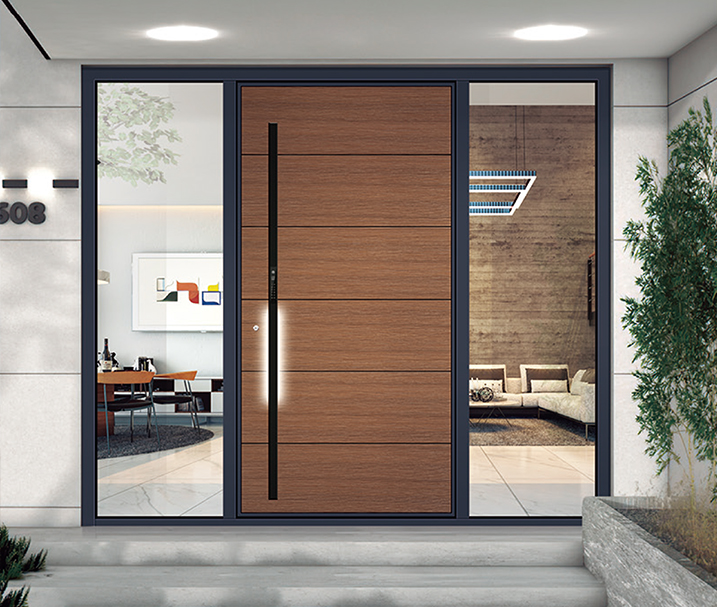
A key trend is the demand for oversized minimalist pivot doors with integrated sidelights. Nordic architects favor unobstructed light transmission during short winter days, requiring entrance systems with door leaf heights spanning 2.8 to 3.5 meters while maintaining effortless operational balance. Our heavy-duty hydraulic self-closing pivot pivots allow panels weighing over 350 kg to glide silently while maintaining tight gasket compression.
A second notable shift is the standard adoption of integrated access control ecosystems. Homeowners and commercial facility managers in Oslo, Stavanger, and Trondheim increasingly specify electronic multi-point motorized locks that interface directly with Scandinavian smart locks such as Danalock, Yale Doorman, or biometric fingerprint scanners built directly into long architectural pull handles.
Application Scenarios in Norwegian Architecture
- Modern Suburban Villas (Oslofjord & Akershus): Ultra-wide entrance doors finished in matte Anthracite Grey (RAL 7016) or deep black (RAL 9005), featuring laminated security glass (P4A) that brings northern light into minimalist double-height foyers without sacrificing TEK17 energy performance.
- Harsh Coastal Dwellings (Vestlandet & Northern Norway): Heavy-duty thermal break hinged doors with concealed hinges, multi-point hook deadbolts, and corrosion-proof sub-sill drainage assemblies designed to repel salt-spray and unrelenting Atlantic storm fronts.
- Luxury Modern Cabins (Geilo, Hemsedal, Hafjell): High-altitude mountain retreats demanding structural integrity against snow load pressure, thermal shock between heated indoor air (+22°C) and sub-zero Arctic exteriors (-30°C), and custom finishes harmonizing with charred timber or slate cladding.
- Boutique Hospitality & Commercial Entrances: Large glass entry systems with low-profile barrier-free thresholds (Universal Design / Universell Utforming compliance) ensuring smooth wheelchair passage and commercial-grade duty cycles exceeding 500,000 opening cycles.
Manufacturing Infrastructure Backed by 25+ Years Experience
Guangdong Dejiyoupin Doors and Windows Co., Ltd. operates state-of-the-art production facilities delivering certified architectural door and facade assemblies worldwide.

180,000 m² Production Base
Equipped with computerized 5-axis CNC machining centers, automated corner-crimping equipment, and robotic silicone application lines ensuring precision assembly tolerances down to 0.5mm.

Certified Testing & Compliance
In-house testing laboratories calibrate wind pressure resistance, air permeability, thermal transmittance, and water resistance in accordance with CE, ISO 9001, AS 2047, and UL fire standards.

Bespoke Engineering Shop Drawings
Our dedicated facade engineering team generates complete 2D/3D CAD shop drawings, BIM objects, and structural wind-load calculations tailored to your architectural blueprints.
Direct Container Shipping to Norway
Export crating in fumigated plywood cases with moisture desiccants and corner protectors, shipped CIF directly to the ports of Oslo, Bergen, Stavanger, and Kristiansand.
Frequently Asked Questions by Norwegian Buyers
Critical answers regarding thermal compliance, building codes, hardware integration, and maritime logistics to Norway.
Do your entrance doors comply with Norwegian TEK17 thermal requirements?
Yes. Under TEK17 §14-2, the benchmark requirement for outer doors is a U-value of ≤ 1.2 W/m²K, with low-energy and Passive House targets requiring ≤ 0.8 W/m²K. Our aluminium thermal-break entrance systems, configured with 48mm–60mm triple-glazed low-E insulated glass units (argon fill, warm-edge spacers), achieve overall Uw ratings as low as 0.78 W/m²K, fully supported by certified simulation reports.
How do you prevent the "bimetallic effect" on dark exterior doors during winter?
The bimetallic effect occurs when a dark external surface absorbs low winter sun while interior temperatures remain high, causing profile deflection. We counteract this by utilizing specialized split insulating strips (anti-bi-metal polyamide bars) that decouple the exterior and interior aluminium profile skins, allowing differential expansion without warping the door leaf or compromising airtight seals.
Can the locking hardware interface with smart lock systems like Yale Doorman?
Yes. We supply doors pre-milled and pre-fitted with European/Scandinavian standard lock cases (such as standard 50mm backset profiles). We can either factory-install certified motorized multi-point locks that accept smart modules or supply custom mortise preps fully compatible with Scandinavian electronic locks, ensuring plug-and-play installation on site.
What shipping terms and packaging standards are provided for Norway?
We regularly ship on FOB, CIF, or DDP terms to major Norwegian ports including Oslo Havn, Bergen, Stavanger, and Brevik. All assemblies are crated in fully enclosed, IPPC-certified fumigated plywood containers with moisture-barrier wrapping, desiccant pouches, and anti-shock foam buffers to protect glass and coating finishes across intermodal sea voyages.
Are your entrance doors certified for Universal Design (Universell Utforming)?
Yes. Norwegian regulations stipulate that main entrance doors must offer step-free access with threshold heights not exceeding 20mm. We manufacture ultra-low thermally separated aluminium thresholds (15mm–20mm) equipped with internal drainage channels and automated drop-down wind seals that achieve Class 4 airtightness while complying fully with Norwegian barrier-free standards.
What glass configurations are recommended for acoustic dampening in urban centers?
For residential and commercial projects located near major ring roads (Ring 3 in Oslo) or transit corridors, we engineer acoustic laminated double or triple-glazed setups utilizing polyvinyl butyral sound-control (PVB-SC) interlayers. These assemblies achieve laboratory-certified sound insulation ratings of Rw + Ctr ≥ 42 dB, effectively insulating interior living spaces from low-frequency traffic noise.