High-Performance Architectural Fenestration Systems
Explore our certified portfolio designed for premium residential villas, commercial façades, and alpine industrial complexes across Austria and Central Europe. Engineered with aircraft-grade 6063-T6 aluminium alloy, anti-jemmy interlocking security frames, and corrosion-resistant finishes.
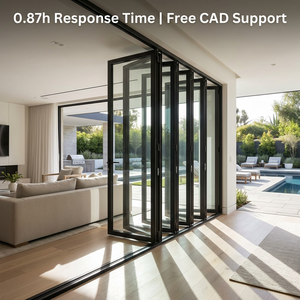
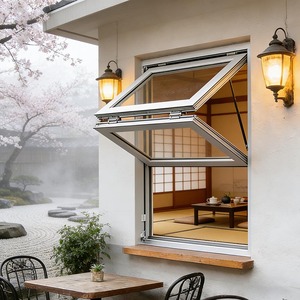
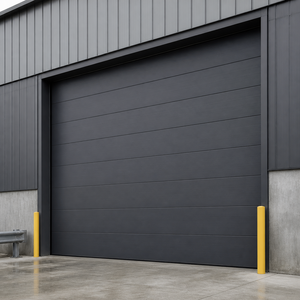
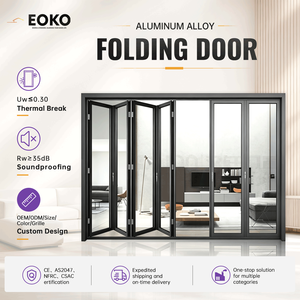
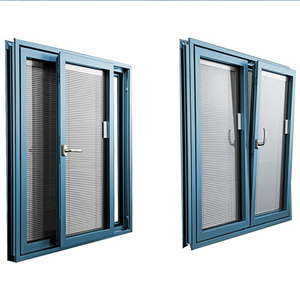
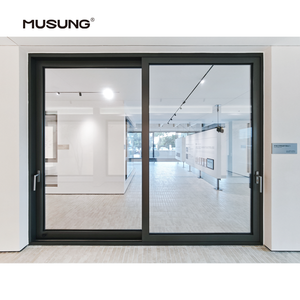
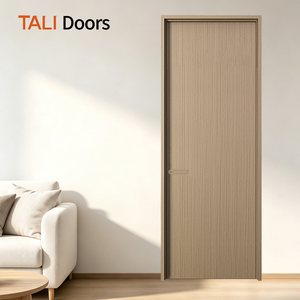
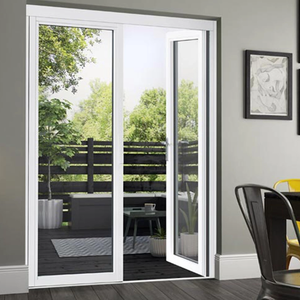
Alpine Applications: Engineered for Austria's Extreme Microclimates
From the continental temperature extremes of Vienna and Lower Austria to the harsh, snow-loaded valleys of Tyrol and Salzburg, building envelopes demand uncompromising material integrity. Our aluminium mesh and security door systems solve distinct regional architectural challenges.
Alpine Chalets & Ski Resorts (Tyrol & Vorarlberg)
Designed to withstand heavy seasonal snow drift pressures and extreme thermal contraction cycles down to -30°C. Our reinforced 316 stainless steel high-tensile security mesh serves as an imperceptible protective barrier against wind-driven ice granules and nocturnal wildlife while permitting natural cross-ventilation during brief, intense alpine summers.
Sub-Zero Thermal Resistance • Wildlife BarrierModern Suburban Villas (Vienna Woods & Graz Basin)
Blends seamlessly with the minimalist aesthetic favored by contemporary Austrian architects. The flush-mounted multi-point locking aluminium mesh doors function as a primary security perimeter, fulfilling Austrian criminal police resistance recommendations without requiring unsightly burglar bars or heavy roller shutters that block garden panoramas.
RC3 Anti-Burglary • 85% Natural LuminosityLakefront Estates (Salzkammergut, Wörthersee & Bodensee)
Atmospheric moisture along Austrian lakes produces rapid condensation and micro-biological organic build-up. Our marine-grade pre-treatment and electrostatic Qualicoat Seaside-class fluorocarbon coating prevent galvanic corrosion and pitting, while the high-precision micron weave effectively keeps out alpine lake gnats, wasps, and midges.
Qualicoat Class 2 • Salt & Moisture ShieldAustria Architectural Trends & Austrian OIB Directive Alignment
The Austrian Institute of Construction Engineering (Österreichisches Institut für Bautechnik - OIB) has established some of Europe's strictest guidelines for energy efficiency, mechanical stability, and burglary protection. As architectural trends pivot toward Passivhaus standards and biophilic building envelopes, fenestration components must perform multiple functions concurrently.
1. Thermal Decoupling & OIB Richtlinie 6: In compliance with national energy efficiency directives, our modern aluminium security systems utilize polyamide thermal break profiles (PA66 GF25) that prevent thermal bridging. When integrated with triple-glazed sliding systems, our exterior mesh barriers act as passive solar shading screens, lowering interior cooling loads by up to 38% during summer heatwaves without mechanical HVAC.
2. Elevated Burglary Resistance (ÖNORM EN 1627): Austria's residential sector strongly demands validated Resistance Class 2 (RC2) and Class 3 (RC3) certification. Our mesh security doors integrate internal multi-point hook bolt systems, hardened anti-drill manganese plates, and anti-lift hinges capable of resisting aggressive crowbar, screwdriver, and physical wedge attacks.
3. Carbon Neutrality & Circularity: In tandem with Austria's climate neutral targets, our structural aluminium profiles contain over 60% post-consumer recycled metal, fully traceable and certified for low embedded carbon, aligning with European green building taxonomies such as DGNB, BREEAM, and LEED.
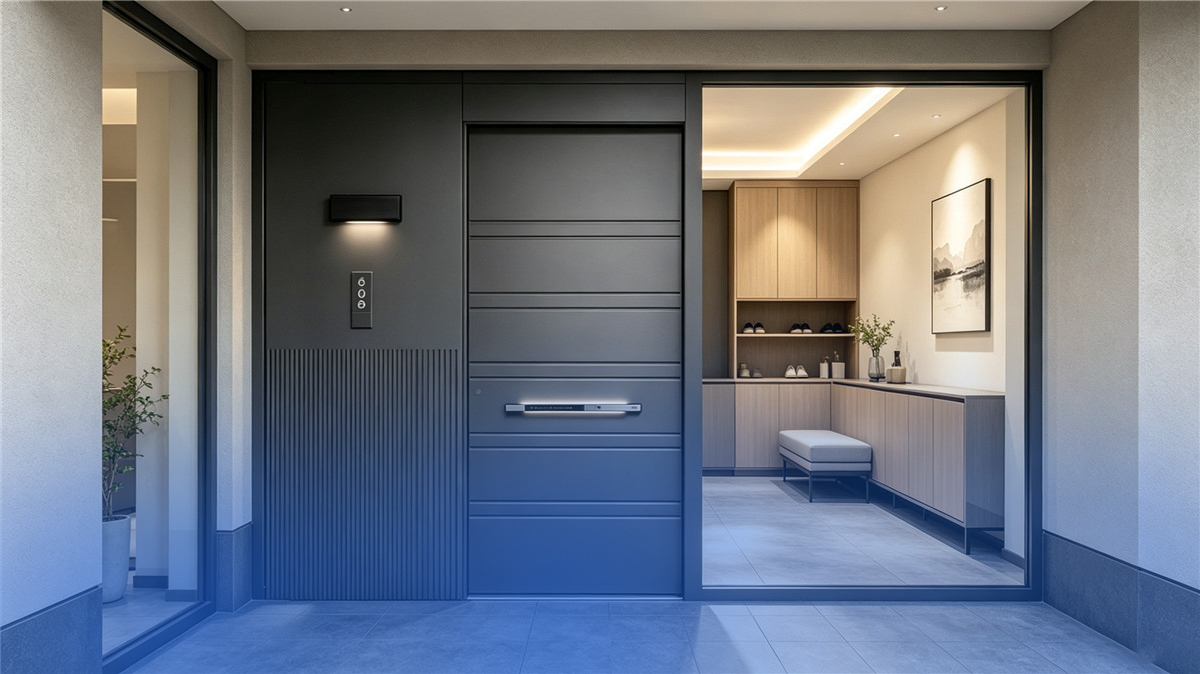
Engineering Specifications: The Science of High-Tensile Security Mesh
A rigorous, side-by-side technical evaluation demonstrates why our precision-manufactured aluminium mesh systems outperform traditional Austrian timber flyscreens and mild steel security grilles across key durability metrics.
| Performance Dimension | Our Industrial Aluminium Mesh Systems | Standard Local Steel/Iron Grilles | Traditional Timber Insect Screens |
|---|---|---|---|
| Alloy Metallurgy & Weave | 0.9mm ±0.01mm AISI 316 Marine Stainless Steel / 6063-T6 Frame | Q235 Structural Mild Steel or Welded Iron | Soft Aluminium Wire or Fiberglass Mesh in Wood Frame |
| Burglary Certification | Tested according to ÖNORM EN 1627 (RC2 / RC3 Rating) | Uncertified; dependent purely on weld points | Zero resistance; easily sliced with utility knives |
| Impact Resistance (Joule) | Exceeds 1,200 Joules continuous kinetic dynamic impact | High rigidity, but prone to weld fatigue under pry pressure | Fails under less than 50 Joules of physical pressure |
| Corrosion & Weathering | Neutral Salt Spray Test > 3,000 hrs; Qualicoat Seaside certified | Rusts within 2-3 seasons along welds and moisture points | Prone to rot, swelling, warping, and fungal degradation |
| Airflow & Transparency | 68% unobstructed airflow; 82% natural visual light transmission | Obstructs outward views; creates claustrophobic prison aesthetics | Moderate airflow; collects high amounts of alpine pollen dust |

Factory Direct Manufacturing: Foshan Engineering Precision for Austria
Operating a sprawling 180,000 m² modern manufacturing base with over 600 skilled technicians, our company represents one of the world's most sophisticated architectural door and window facilities. We bridge the gap between competitive direct-from-factory pricing and strict European manufacturing standards.
- End-to-End Vertical Production: From billet extrusion, thermal-break assembly, precision CNC mitering to electrostatic powder coating, every stage is controlled in-house.
- Global Traceability & QA: Fully audited under ISO 9001 quality management systems, our products carry authentic CE, AS 2047, and UL fire-rating compliance documentation.
- Bespoke Architectural Engineering: Free CAD shop drawings, BIM models, and custom sizing ensure error-free integration into both new Austrian developments and sensitive heritage renovations.
Why Austrian Architects, Builders & Wholesalers Partner With Us
Procuring fenestration products from overseas requires absolute certainty regarding material specifications, shipment timelines, and European import compliance. Here is how we guarantee complete project security.
1. Zero Trading Intermediaries
By eliminating multiple tiers of European distributors, trading houses, and regional markups, our clients save 30% to 45% on high-specification aluminium mesh and entry doors while retaining direct technical communication with our lead engineers.
Factory Direct Quotations2. Precision Custom Engineering
Every Austrian opening is unique, especially in historic Salzburg or Vienna apartment retrofits. We provide bespoke width, height, pivot, folding, and sliding configurations with full CAD review before manufacturing commences.
Free CAD & Shop Drawings3. Alpine-Ready Export Logistics
Our heavy-duty crating utilizes fumigated solid timber, high-density edge bumpers, and moisture-absorbing vapor barriers. Shipments are managed smoothly under CIF or DDP terms directly to Austrian freight terminals in Vienna, Linz, or Graz.
Complete Transit InsuranceFrequently Asked Questions: Austrian B2B Buyer Guide
Comprehensive answers addressing common technical inquiries, customs clearance, building code compliance, and logistics when importing aluminium mesh door systems into Austria.
Do your aluminium mesh doors conform to Austrian building codes and CE directives? +
How do these doors perform in sub-zero Austrian alpine winters? +
Can you supply custom RAL colours to match existing Austrian window profiles? +
What are the import duties and customs documentation for shipping to Austria? +
What is the minimum order quantity (MOQ) and production turnaround for Austrian projects? +
How is high-tensile stainless steel security mesh secured within the aluminium sash? +
Start Your Austrian Architectural Project Today
Whether you require technical CAD detailing for a high-altitude alpine resort, wholesale volume pricing for a residential development in Vienna, or a customized security screen consultation, our English- and German-capable engineering division is ready to assist.
Contact Us