Engineered Aluminum Cellar & Entry Door Systems
Precision-fabricated utilizing 6063-T5/T6 aviation-grade aluminum billets, dual-elastomer hermetic gaskets, and heavy multi-point locking assemblies suited for luxury wine cellars, subterranean vaults, and tropical climate barriers.
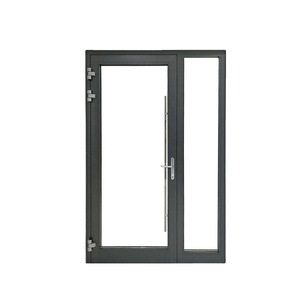
Superhouse Impact Casement Cellar & Entry Doors
Unequal double single hinged casement mechanism with severe storm resistance, reinforced anti-tamper locking stiles, and airtight sealing suitable for luxury estate basements.
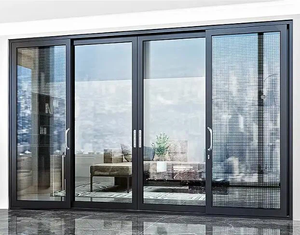
Certified Hurricane Impact Panel Cellar Sliding Door
High-load aluminum profile coupled with insulated tempered laminated glass. Provides certified acoustic isolation, moisture ingress prevention, and wine room climate management.
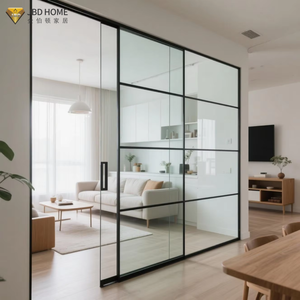
Interior Soundproof Double Glazed Cellar Sliding System
Engineered for boutique hotels, commercial tasting environments, and private cellar chambers demanding acoustic barrier ratings up to STC 42 and thermal preservation.
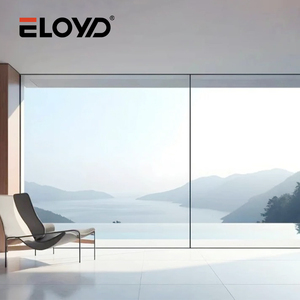
Panoramic Aluminum Double Glazed Cellar Slider
Slimline structural profiles maximizing visible light transmittance while delivering strict thermal insulation thresholds for subterranean storage and high-end residential suites.
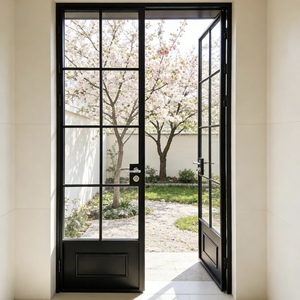
Thermal Break Grid Aluminum Energy Saving Cellar Door
Integrated polyamide PA66 thermal barrier isolating internal cellar HVAC microclimates from blistering tropical external ambients, accented with bespoke architectural grids.
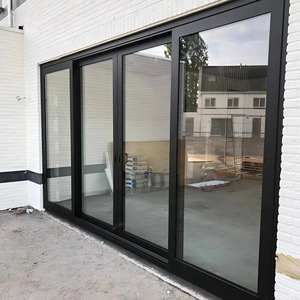
Architectural Glass Finished Cellar & Garage Slider
Electrophoresis or PVDF fluorocarbon exterior finish offering absolute protection against coastal saline humidity, soil corrosion, and direct UV oxidation.
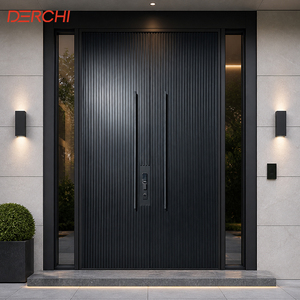
Heavy Duty Aluminum Vault & Cellar Security Door
Solid reinforced multi-chambered alloy casting door leaves engineered to resist physical intrusion, severe hydraulic uplift, and forced entry in private estates.
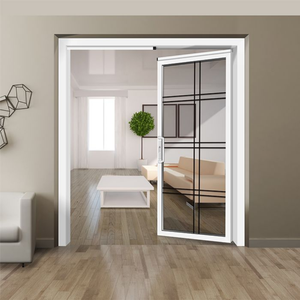
Extreme Narrow Frame Trackless PT/PD Wine Cellar Door
Zero bottom-track flush configuration engineered to prevent dirt buildup and trip hazards while guaranteeing high water tightness and hermetic perimeter compression.
Engineering Aluminum Cellar Doors for Nigeria: Hydrology, Salinity, and Building Physics
The spec-level procurement of cellar, basement access, and specialized wine room doors within Nigeria presents hyper-specific technical constraints that typical residential fenestration systems fail to accommodate. Subterranean and ground-recessed enclosures in regions such as Lekki Peninsula, Victoria Island, Banana Island (Lagos), alongside coastal corridors of Rivers State (Port Harcourt) and the Niger Delta, grapple with aggressive ambient saltwater intrusion, extremely shallow water tables, and torrential monsoon deluges during the wet season. Simultaneously, inland developments across Maitama and Asokoro in Abuja FCT experience extreme dry-bulb temperatures, requiring uncompromising thermal isolation to maintain interior microclimates without overburdening localized power systems.
1. Metallurgy & Corrosion Mitigation: Coastal Saline Stress
Ordinary steel access doors or generic ferrous cellar hatches corrode within 18 to 24 months in coastal West Africa due to salt mist (marine aerosol carrying high sodium chloride concentrations) combined with perpetual relative humidity ranging between 80% and 95%. When ferrous alloys oxidize, expansive rust flakes crack perimeter masonry seals, causing immediate subterranean water breaches.
Our direct manufacturing protocol employs certified 6063-T6 architectural aluminum extrusion billets treated with minimum 25-micron Qualicoat-certified architectural powder coatings or optional PVDF (Fluorocarbon) finishes testing past 3,000 hours under neutral salt spray (ASTM B117 standards). For direct underground-grade entry bulkheads, non-ferrous cast aluminum structural plates provide indefinite rust immunity, impervious to coastal soil moisture, swamp methane gas exudations, and termite destruction.
2. Subterranean Hydrostatic Barriers & Gasket Resilience
Subterranean cellar entrances are prone to severe water inundation when tropical cloudbursts overwhelm municipal surface storm channels. Typical off-the-shelf hatch doors lack compression force, enabling rainwater to seep into finished entertainment basements, storage cellars, and wine chambers. Our systems incorporate multi-tier protection architectures:
| Engineering Attribute | Standard Commercial Door | Our Export-Grade Cellar System | Impact on Nigerian Construction Projects |
|---|---|---|---|
| Aluminum Alloy | Recycled 6060/scrap alloy | Primary 6063-T5 / 6063-T6 Pure Billet | Zero structural pitting; tensile yield strength >160 MPa against wind uplift. |
| Perimeter Gasketing | PVC / Low-grade rubber | Continuous Cellular EPDM + Santoprene Gaskets | Maintains compression elasticity up to 75°C without drying, cracking, or degrading. |
| Thermal Barrier | Non-insulated frame | Polyamide PA66-GF25 Thermal Break Strip | Eliminates dew-point condensation inside cooled wine cellars during Lagos heatwaves. |
| Locking System | Single latch bolt | Multi-Point German Stainless Deadbolt Drive | Uniformly pulls sash tight against jamb, sealing against wind-driven floodwaters. |
| Glazing (for Glass Types) | Single pane 6mm Float | 6mm+12Ar+6mm Low-E Argon-Filled Tempered | Acoustic drop of 38-42 dB; blocks 99% UV radiation destroying vintage inventory. |
3. Active HVAC Microclimate Preservation in Luxury Wine Storage
In high-end architectural villas across Banana Island and Eko Atlantic, wine cellars require uninterrupted temperature holding at 12°C–15°C and 60% relative humidity. When unstable national grid electrical power interrupts cooling units, the structural thermal resistance of the perimeter door becomes the sole barrier preventing thermal shock to expensive wine collections. By pairing isobaric thermal break structural bridges with insulated core composite panels or dual-chamber argon-injected Low-E glass, our cellar doors achieve exceptional U-values down to 1.6 W/(m²·K), sustaining the internal climate through power cycles and reducing generator fuel consumption.
Tailored Deployments Across the Nigerian Built Environment
Engineered to excel in demanding environments—from island water tables in Lagos to commercial mixed-use developments in Abuja.
Private Villas in Banana Island & Ikoyi
High-net-worth residential compounds demanding aesthetic excellence, biometric security integration, and airtight seals against saline air, swamp humidity, and severe rain squalls.
Commercial Hospitality & Lounges (Victoria Island)
High-traffic walk-in commercial cellars, upscale wine tasting rooms, and boutique hotels requiring crystal-clear panoramic visibility, anti-condensation glazing, and acoustic isolation.
Subterranean Safe Rooms & Vaults (Abuja FCT)
Ultra-secure cast aluminum door systems reinforcing underground storm shelters and secure storage rooms against forced physical entry, tool attacks, and thermal transfer.
Flood-Prone Coastal Retrofits (Niger Delta)
Custom-dimensioned replacement panels designed to replace rotten wooden trapdoors and corroded mild-steel cellar hatches with zero demolition of existing structural concrete curbs.
Industrial Estate Chemical & Cold Storage (Ogun State)
Reinforced industrial cellar bulkheads engineered to maintain heavy chemical resistance, vapor-tight insulation, and high cyclic endurance for heavy operations.
Trends Reshaping Cellar & Fenestration Sourcing in Nigeria
Key shifts observed by leading structural engineers, specifiers, and quantity surveyors across major urban hubs.
1. Abandonment of Mild Steel & Hardwood
Rapid replacement of high-maintenance Nigerian hardwoods (Iroko, Teak) and mild steel profiles with thermally treated aluminum, driven by total lifecycle cost savings and absolute pest/rot immunity.
2. Proliferation of Smart Biometric Access
Accelerated integration of IP65-rated digital locks, Tuya/Zigbee-enabled access controllers, and mechanical override systems engineered into the aluminum stile to protect private asset vaults.
3. Factory-Direct B2B Procurement
Direct import model from Foshan manufacturing centers straight to Apapa/Tin Can Island ports, circumventing third-party trading markups and ensuring strict mill-test compliance.
Direct Manufacturing Hegemony: Guangdong Dejiyoupin
Operating from Foshan, Guangdong—the core of global architectural aluminum fabrication—with certified global credentials and export logistics mastery.
Rigorous Global Standards: Tested Beyond Compliance
Our aluminum entrance and cellar assemblies undergo accredited testing under CE, ISO 9001, AS 2047, and UL fire-rated standards. Having exported extensively across high-compliance markets including the United States, Australia, Canada, and the UAE, our export logistics cell guarantees full structural compliance. Every containerized order destined for Nigerian ports is packed using multi-layer surface protective film, closed-cell foam edge armor, and reinforced, fumigated steel-strapped timber crates engineered for multi-week transshipment without maritime condensation damage.
Clients benefit from end-to-end engineering support: our in-house drafting office generates complete 2D CAD shop drawings, BIM families, and structural stress simulations before aluminum cutting, guaranteeing a perfect millimeter fit to on-site concrete curbing.
Frequently Asked Questions for Nigerian Buyers
Critical considerations covering freight logistics, currency, humidity resilience, and structural customisation.