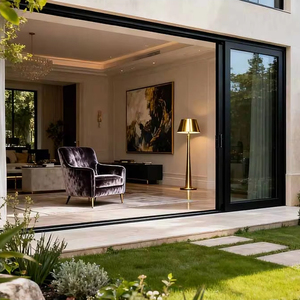
OUNA Canadian CSA Standard Heavy-Duty Modern Large Sliding Patio Doors
Energy-efficient multi-track architectural sliding system with dual-seal EPDM gaskets and tempered insulated safety glass.
Explore our heavy-duty, factory-direct aluminum security doors, engineered with thermal barriers, multi-point locksets, and anti-corrosive multi-layer finishes optimized for Indonesia's extreme tropical climate.
Energy-efficient multi-track architectural sliding system with dual-seal EPDM gaskets and tempered insulated safety glass.
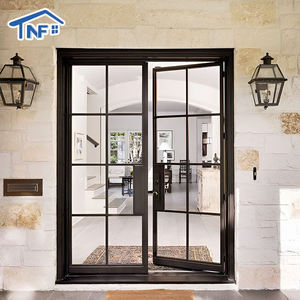
Industrial-grade acoustic insulation reaching STC 38dB, finished in anti-saline powder coat for beachfront properties.
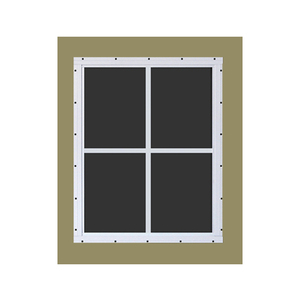
Cost-efficient, reinforced perimeter auxiliary sashes designed for secure cross-ventilation in residential developments.
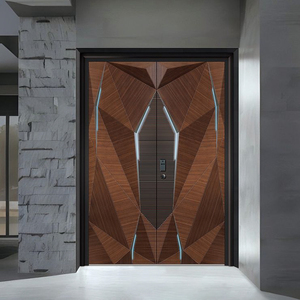
Integrated multi-layer ballistic alloy matrix engineered for elite estates, consulates, and high-security residences.
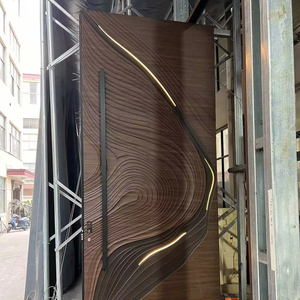
Minimalist, seamless structural design featuring high-cycle European hidden hinges, optimized for commercial and executive suites.
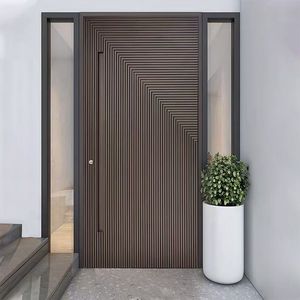
Structural aluminum frame featuring heavy-duty hydraulic floor pivots capable of carrying single leaf gates up to 800kg effortlessly.
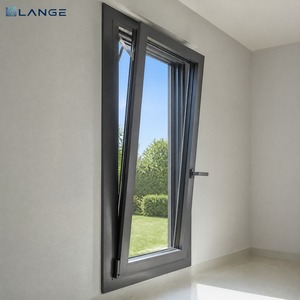
German-spec perimeter multi-point locking mechanisms providing dual opening styles with severe weather sealing capabilities.
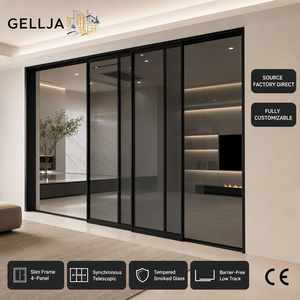
High-load bottom rollers, sub-sill drainage paths, and cyclone-grade structural mullions intended for oceanfront resort balconies.
From the dense urban high-rises of Jabodetabek to coastal luxury villas in Bali and Lombok, our aluminum security doors resolve specific microclimatic and regulatory demands.
Marine atmospheric exposure in Canggu, Uluwatu, and the Gili Islands quickly oxidizes ordinary steel and cracks traditional Merbau or Teak timber doors within two seasons. Our aluminum systems feature fluorocarbon PVDF coatings and Qualicoat-certified marine powders that endure salt spray over 3,000 hours without chalking, combined with stainless steel 316 grade multi-point locks.
In upscale enclaves like Pondok Indah, PIK (Pantai Indah Kapuk), and BSD City, security, sound attenuation, and thermal deflection are primary concerns. Our armored pivot systems integrate anti-pry interlocking aluminum sub-frames, multi-layer laminated security glass (reaching Class P6B burglar resistance), and biometric access systems, insulating homes from city noise and intense urban heat.
Equatorial monsoon belts face heavy horizontal wind-driven rain exceeding 600 Pa test pressure. Our doors feature continuous vulcanized EPDM compression gaskets and concealed weep-hole sub-sill channels that completely prevent rainwater backflow into indoor living quarters during heavy tropical storms, guaranteed against warping or rotting.
Why modern Indonesian architects and commercial builders are shifting permanently from traditional timber and mild steel to advanced extruded aluminum architectural door systems.
| Performance Metric | Guangdong Dejiyoupin Aluminum Doors | Traditional Hardwood (Teak / Kamper) | Conventional Mild Steel Doors |
|---|---|---|---|
| Humidity & Monsoon Warpage | Zero Expansion: 6063-T6 architectural alloy maintains true plumb permanently. | Prone to swelling, hinge sagging, and jam binding during wet seasons. | Stable dimensions, but joints susceptible to premature oxidation and weld failure. |
| Subterranean Termite Risk | 100% Immune: Non-organic alloy provides zero biological attraction. | Requires regular chemical pest treatments; vulnerable to local White Ants. | Immune to biological attack. |
| Coastal Salt-Spray Corrosion | Superior: PVDF / High-micron anodizing withstands maritime chlorine ions. | Drying out, finish degradation, bleaching, and rot in maritime conditions. | Rapid red-rust development on unexposed inner channels and welding points. |
| Acoustic & Thermal Insulation | Multi-Chambered Break: STC 35-42dB with high-density polyurethane filling. | Moderate acoustic insulation; poor seal retention over time. | Poor thermal barrier; acts as a heat sink into interior spaces. |
| Structural Weight to Strength | Optimal: Heavy-duty profile without putting excessive shear load on lintels. | Extremely heavy; frequently causes hinge fatigue on wide leaves. | Heavy; difficult operation and structural wear over extended commercial use. |
Strategic transformations currently reshaping residential construction, commercial resorts, and high-security infrastructure development across the Indonesian archipelago.
Luxury properties throughout Canggu, Sanur, and West Jakarta are standardizing oversized entrance apertures exceeding 3.5 to 5 meters in height. The architectural mandate for wide visual lines demands high-tensile 6063-T6 aluminum alloys combined with heavy-duty bottom-load floor springs capable of smooth operation without structural deflection.
Modern Indonesian luxury developments demand seamless integration of smart home ecosystems. Our factory embeds concealed 3D facial recognition, Tuya/Zigbee-compatible biometric locks, and internal bullet-resistant armored steel plate cores that maintain contemporary minimalist aesthetics without looking like prison grilles.
With the development of Ibu Kota Nusantara (IKN) driving strict environmental standards across public and commercial tenders, green-certified aluminum profiles with polyamide thermal break bars (PA66) drastically reduce building HVAC power loads, earning points for Indonesia's Green Building Council (GBCI) certifications.
Recognized among China's premier Top 10 door and window manufacturers, our modern 180,000 m² smart production facility in Nanhai District, Foshan, combines world-class extrusion lines, automated CNC machining centers, and comprehensive mechanical testing laboratories.
With more than 600 dedicated production professionals and 25+ years of engineering rigor, we serve developers and architectural procurement teams worldwide. We take full structural responsibility from precision CAD engineering to seaworthy export crating directly to major Indonesian ports such as Tanjung Priok (Jakarta), Tanjung Perak (Surabaya), and Belawan (Medan).

Comprehensive technical and commercial guidance tailored for Indonesian project developers, architects, and direct buyers.
Send us your project drawings, opening sizes, or design specifications. Our Foshan engineering team will supply detailed CAD shop drawings, glass wind-load analyses, and factory-direct CIF/FOB pricing within 24 business hours.
Inquire Now