Featured Architectural Aluminum Door & Window Solutions
Precision-extruded, corrosion-mitigated framing systems rigorously tested for tropical marine climates, hurricane-force wind loads, and thermal efficiency.
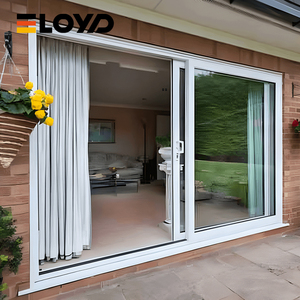
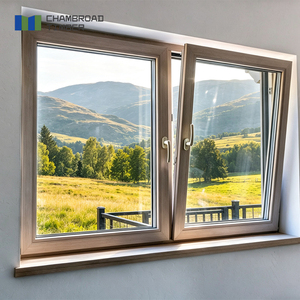
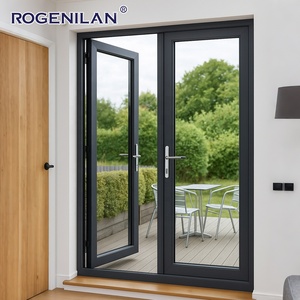
Structural Bi-Fold Fenestration Architecture for Tropical Latitudes
Sourcing heavy-duty folding glass door systems for Costa Rica demands an empirical approach to metallurgical integrity, windload deflection (CFIA standards), and thermal-acoustic zoning.
6063-T6 Aerospace-Grade Extrusions
Our folding sash assemblies deploy minimum 2.0mm to 3.0mm structural wall thicknesses. Chemically refined to eliminate internal micro-porosities, delivering superior flexural strength capable of spanning continuous 12-meter openings with zero sash sag.
Tensile Strength: ≥ 240 MPaQualicoat Class 2 / PVDF Surface Protection
To combat intense Pacific chloride aerosols and Caribbean high-humidity exposure, all aluminum surfaces receive 3-coat Kynar 500 / PVDF or Class 2 powder fluoropolymer coatings surpassing 3,000 hours of continuous salt-spray testing without blistering or chalking.
ASTM B117 & AAMA 2605 CompliantHeavy-Duty Stainless SUS316 Carriages
Bi-fold engineering hinges on its running gear. We integrate top-hung quad-roller bogie systems paired with marine-grade SUS316 stainless steel axles, providing effortless whisper-glide tactile operation for glass panels weighing up to 150 kg each.
Load Testing: 100,000+ Cycles| Performance Vector | Standard Commercial Bifold | Local Custom Costa Rican Workshop | DERCHI High-Spec Engineering |
|---|---|---|---|
| Alloy Metallurgy | Recycled / Secondary 6063 Aluminum | Unspecified Local Extrusions | Virgin 6063-T6 Structural Profile (2.0-3.0mm) |
| Corrosion Barrier | Standard Anodized (10-15 μm) | Standard Wet Spray Paint | PVDF Fluoropolymer / Qualicoat Class 2 (≥ 60 μm) |
| Weather Sealing | PVC or Nitrile Gaskets (Degrades in UV) | Neoprene / Manual Silicone Beads | Continuous Vulcanized EPDM + Dual Compression Fin |
| Wind Load Rating | 1200 - 1600 Pa | Untested (Empirical Guesswork) | AS 2047 N6 / ASTM E330 Certified (≥ 3500 Pa) |
| Threshold Configuration | High Step-over or Inadequate Drains | Basic Angle Aluminum Floor Lip | Sub-Floor Concealed Water-Dam Drainage Track |
Engineered Fenestration for Diverse Regional Topographies
From the scorching salt breeze of the Papagayo Peninsula to the heavy monsoons of Manuel Antonio and seismic conditions in San José, localized engineering dictates hardware choice.
Guanacaste & Papagayo
Extreme UV index, ambient temperatures above 35°C, and airborne salt require high-performance low-E double insulating glass (6mm Low-E + 12Ar + 6mm Clear) to arrest solar heat gain and maintain indoor thermal comfort.
Focus: Thermal Shield & PVDF FinishManuel Antonio & Osa Peninsula
Intense tropical downpours and atmospheric humidity exceeding 90% demand specialized tiered drainage sills with multi-stage baffling to prevent water backup under gale-force wind-driven rain.
Focus: Hydrostatic Sills & EPDMCentral Valley (San José & Escazú)
Seismic considerations governed by the Código Sísmico de Costa Rica require flexible sash-to-frame perimeter jointing and laminated safety glass to prevent structural glass shearing during tectonic tremors.
Focus: Seismic Flex & Laminated InterlayerLimón & Caribbean Coast
High-salinity moist airflow combined with torrential squalls calls for all-stainless-steel multi-point shootbolt locking hardware and impact-resistant laminated glazing assemblies.
Focus: SUS316 Locking MechanismsEmerging Trends Shaping Costa Rican Architectural Fenestration
The confluence of biophilic luxury design, foreign real estate investment, and carbon-neutral building targets is transforming how developers source glazing assemblies.
Indoor-Outdoor Biophilic Continuity
High-end villas in Nosara, Tamarindo, and Santa Teresa emphasize the eradication of boundaries between interior living zones and external rainforest canopies. Multi-panel folding doors that stack cleanly into recessed wall pockets deliver unobstructed panoramic spans exceeding 90% opening efficiency.
Zero-Threshold IntegrationStrict RESET & LEED Thermal Directives
With Costa Rica's National Decarbonization Plan, institutional developers prioritize envelope thermal efficiency (U-values < 2.2 W/m²K). Polyamide thermal break profiles prevent heat conduction through aluminum sections, dramatically reducing HVAC electrical consumption in tropical resorts.
RESET Certification AlignmentDirect Factory-to-Site Supply Consolidation
Faced with astronomical domestic markup costs from intermediary showrooms in San José, luxury home builders and general contractors are partnering directly with high-capacity export manufacturers in Foshan, securing bespoke shop engineering drawings, CIF Caldera ocean logistics, and containerized savings.
Direct CIF Caldera DeliveryGuangdong Dejiyoupin: Manufacturing Excellence at Scale
Ranked among China's Top 10 fenestration engineering powerhouses, our industrial footprint spans 180,000 m² in Foshan, Guangdong. We combine multi-axis CNC machining, automated glass processing, and rigorous QA protocol under one roof.
For more than 25 years, our engineering department has serviced demanding international building standards across the United States, Australia, and Central America. Sourcing direct eliminates trading company overheads while granting real-time architectural oversight through parametric CAD/BIM detailing.

Frequently Asked Questions by Costa Rican Specifiers
Addressing import duties, maritime freight into Puerto Caldera/Moín, water-tightness certifications, and seismic fenestration compliance.
How do aluminum sliding folding doors handle Costa Rica's extreme wet season storms?
Can you manufacture bi-fold configurations compliant with the Costa Rican Seismic Code (CSCR)?
What ocean logistics and customs clearance documentation do you supply for Costa Rica?
How do your finishes resist the corrosive marine salts of Tamarindo and Guanacaste?
What engineering files and custom dimensional verifications are supplied before production?
Engineer Your Costa Rican Fenestration Project With Factory Precision
Connect with our direct technical sales engineering department in Foshan. Send your door schedules, CAD blueprints, or structural rough opening dimensions for a complete engineering analysis and factory-direct CIF quotation.
Send an Inquiry