Certified Aluminium Sliding & Sash Window Systems for Riyadh Projects
Engineered to exceed SASO requirements and withstand Riyadh's intense solar irradiance, sudden sandstorms, and extreme diurnal temperature variations. Explore our primary architectural export systems below.
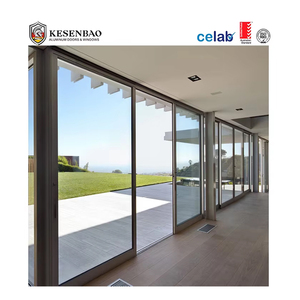
Australian Standard Aluminum Double Glazed Sliding System Design
- Double/Triple Glazed Low-E
- Heavy-duty dust track seal
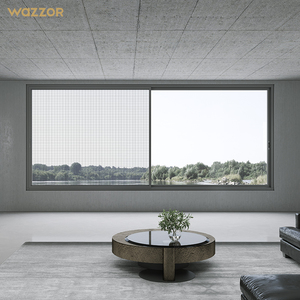
Wazzor High Quality American Style Double Tempered Glass Sliding Windows
- Tempered Safety Glazing
- Multi-point locking mechanism
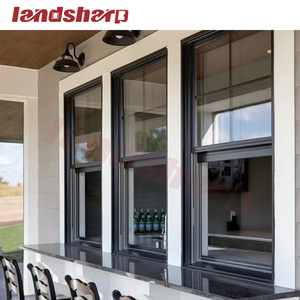
Landsharp Single Double Hung Window Sliding Sash Triple Glazed Windows
- Argon Gas Thermal Fill
- Constant force balances
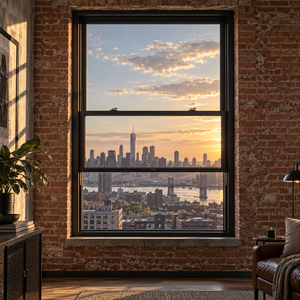
Modern Sliding Single and Double Sash Windows for Renovation Buyers
- Smooth Tilt-in cleaning sash
- High UV-resistant powder coat
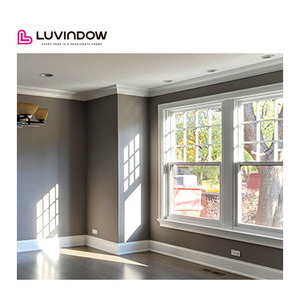
American Style Double Single Hung Sash Vertical Up Down Sliding Windows
- Weather-sealed perimeter fin
- Heavy extruded 6063-T5 alloy
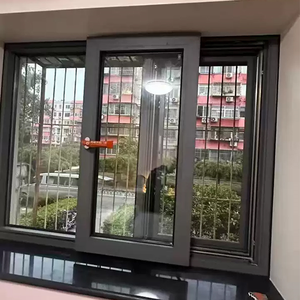
Inward-Tilting Sliding Windows with Double Tracks and Weatherproof Sealing
- Compression gasket lockup
- Zero-rattle sash stabilization
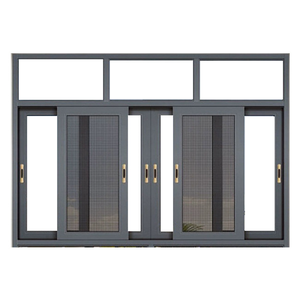
Direct Three Pane Sliding Window With Mosquito Screen Sash for Apartments
- High-tensile SS304 fly screen
- Multi-slide low-friction track
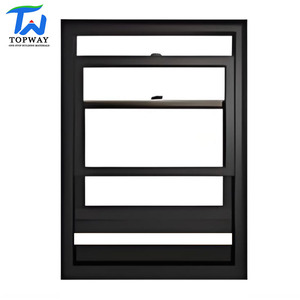
Modern Vertical Sliding Sash Window TW001 Total Project Solution
- Thermally isolated outer frame
- Concealed spiral balancer
Fenestration Physics for the Najd Plateau: Confronting 50°C+, Haboobs & Thermal Bridges
Standard windows manufactured for temperate Western climates fail precipitously in the Riyadh metropolitan area. Understanding the thermal transmission, mechanical sand erosion, and acoustic buffering dynamics of the Central Province is critical for project durability.
PA66 GF25 Polyamide Thermal Barriers
During July and August in Riyadh, external aluminum surface temperatures routinely exceed 72°C under direct solar radiation. Without a high-density, glass-fiber-reinforced polyamide thermal break (PA66 GF25), heat transfers conductively into the building core, overwhelming VRF and chiller systems. Our sliding and sash profiles integrate a minimum 24mm to 34mm thermal isolator, curbing U-values to under 1.4 W/m²K in compliance with the Saudi Energy Conservation Code (SBC 601/602).
Haboob Dust Defense & Air Infiltration
Riyadh's seasonal sandstorms (Haboobs) propel ultra-fine silica particulates (PM2.5 to PM10) at velocities exceeding 60 km/h. Traditional sliding window tracks accumulate sediment, causing wheel binding and seal degradation. Our export systems feature multi-barrier vulcanized EPDM compression seals and integrated silicone-treated high-density fin pile wool strips that secure Class 4 Air Tightness (EN 12207 / ASTM E283), completely barring particulate infiltration.
PVDF & Class 2 Super-Durable Coatings
The annual solar radiation in Riyadh surpasses 2,200 kWh/m² with a UV index frequently peaking at 11+. Standard architectural polyester powder coatings suffer early chalking, gloss retention loss, and color degradation. We formulate our exterior profiles with Qualicoat Class 2 Super Durable powders and PPG 70% Kynar 500 fluorocarbon (PVDF) finishes that guarantee 25+ years of chromatic stability against aggressive desert abrasion and UV exposure.
Compliance Insight for Saudi Consultants: All our Riyadh-destined sliding and sash systems are pre-engineered to align with SABER platform registration and technical regulations issued by SASO (Saudi Standards, Metrology and Quality Organization), ensuring seamless customs clearance at King Abdulaziz Port (Dammam) or Riyadh Dry Port without on-site testing friction.
| Performance Characteristic | Saudi Building Code (SBC 601/602) Baseline | Our Riyadh-Export Sliding Sash System | Architectural Benefit for Local Developments |
|---|---|---|---|
| Thermal Transmittance (U-Value) | Uf ≤ 2.6 – 3.0 W/m²K | Uf ≤ 1.3 – 1.6 W/m²K (Triple Glazed) | Cuts HVAC electrical loads by up to 38% during summer peak |
| Solar Heat Gain Coefficient (SHGC) | SHGC ≤ 0.25 | SHGC ≤ 0.21 – 0.23 (Double Silver Low-E) | Drastically limits solar infrared transmission into interior spaces |
| Air Permeability / Leakage | Class 2 (ASTM E283) | Class 4 / EN 12207 (<0.05 cfm/ft²) | Blocks Riyadh dust storm particulates; preserves indoor air quality |
| Acoustic Insulation (Rw / STC) | STC 28 - 30 dB | STC 38 - 43 dB (Acoustic PVB Lami) | Buffers high noise levels along King Fahd & Northern Ring Road |
| Structural Wind Load (Riyadh Zone 1) | 1200 Pa design pressure | Up to 3000 Pa (Serviceability limit) | Guarantees frame integrity in high-rise and perimeter villa walls |
Application Scenarios Across Riyadh’s High-Growth Zones
From bespoke royal villa compounds in Hittin to multi-story developments in the King Abdullah Financial District periphery, our sliding sash systems fulfill diverse structural, aesthetic, and functional blueprints.
Luxury Private Villas (Hittin, Al Malqa & Al Nakheel)
High-end residential villas in northern Riyadh require expansive glass surfaces that maintain strict privacy and zero solar heat discomfort. Our large-dimension horizontal sliding systems and vertical double-hung sash windows feature hidden balances, integrated smart motorized drives, and electrochromic or low-iron double-laminated glazing that blend luxury with thermal resilience.
Residential Towers & Compounds (KAFD & DQ)
For multi-family properties, staff accommodations, and gated compounds near the Diplomatic Quarter (DQ) and KAFD, operating efficiency and life-cycle durability are essential. Our Australian-standard sliding doors and multi-pane sliding sash systems provide maintenance-free track rollers, anti-lift security catches, and stainless steel insect meshes that withstand heavy daily usage.
Heritage Preservation & Renovation (Diriyah Gate)
With the Diriyah Gate development revitalizing Najdi vernacular architecture, modern projects demand fenestration with authentic geometric division and historical proportions coupled with modern thermal insulation. Our hung sash series incorporates custom decorative muntin grids, bronze/sandstone textured powder coats, and slim profiles that respect historic aesthetics while delivering modern comfort.
The Strategic Fenestration Transition in Riyadh's Construction Market
Under the impetus of Saudi Vision 2030, the Kingdom’s building envelope sector is experiencing an unprecedented structural upgrade. Here is how market dynamics are transforming procurement specifications.
From Cold-Bridge Frames to Thermal-Break Dominance
In previous decades, the Riyadh market relied heavily on uninsulated, hollow-chamber extrusion profiles that acted as thermal bridges, bleeding air conditioning and causing internal condensation during the cooler desert winter nights. Driven by the enforcement of the Saudi Building Code (SBC) through municipal building permits, over 80% of new mid-to-high residential projects specify multi-chamber polyamide thermal-break profiles.
Mostadama & Green Building Rating Imperatives
Saudi Arabia's Mostadama rating system (equivalent to LEED) places stringent metrics on building envelope energy performance. Developers and general contractors in Riyadh actively seek window systems with verified Environmental Product Declarations (EPDs), low Embodied Carbon aluminum billets, and airtightness ratings that yield critical sustainability credits.
Rapid Direct-Sourcing from Chinese Tier-1 Hubs
Escalating material costs within local Middle Eastern fabrication shops have driven Saudi project developers to bypass middlemen and source directly from Tier-1 industrial centers in Foshan, China. Direct factory collaboration delivers a 25% to 35% overall project cost reduction while securing sophisticated testing documentation, CAD customization, and faster delivery timelines.
Guangdong Dejiyoupin: Manufacturing Excellence Backing Every Riyadh Shipment
Headquartered in Foshan, Guangdong—the global epicenter of high-end architectural fenestration—we combine automated extrusion precision with stringent international quality testing.
Complete Global Accreditation
Our systems hold verified CE, ISO 9001, AS 2047 (N6 cyclone rating test compliance), and UL fire-resistant certifications. Every batch destined for the Saudi market is accompanied by factory test reports for tensile yield, thermal conductivity, and structural deflection under dynamic pressure.
Full CAD/BIM Shop Drawings
Our in-house technical team interfaces directly with Saudi consultants, architects, and quantity surveyors. We furnish precise AutoCAD shop drawings, structural anchor calculations, BIM Revit families, and perimeter flashing details adapted to Saudi hollow-block and precast concrete wall build-ups.
Export Crating & Sea Shipping to Dammam / Riyadh
Windows are individually protected by 80μm surface film, reinforced hardboard corner protectors, moisture-absorbing desiccant packs, and fumigated steel-banded plywood crates. Quotations are provided on direct FOB or CIF terms to King Abdulaziz Port (Dammam) or inland bonded transfer to Riyadh Dry Port.
Frequently Asked Questions by Riyadh Importers & Contractors
Clear, technically accurate answers to the regulatory, thermal, logistics, and installation questions that Saudi project managers, villa owners, and procurement directors ask our export team.