Precision Fenestration Systems for Mexican Architecture
Mexico's commercial and residential architectural landscape demands fenestration assemblies capable of withstanding extreme environmental diversity—from the Category 5 hurricane corridors of Baja California Sur and Quintana Roo to the high-diurnal seismic expanses of Mexico City and Guadalajara. Guangdong Dejiyoupin Doors and Windows Co., Ltd. (DERCHI) engineers certified 6063-T6 aluminum sliding, folding, and pivot systems designed to exceed NOM-008-SFI, NOM-020-ENER, and international ASTM structural thresholds.
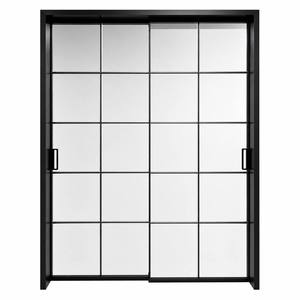
Crittall-Style Interior Sliding Glass Partition
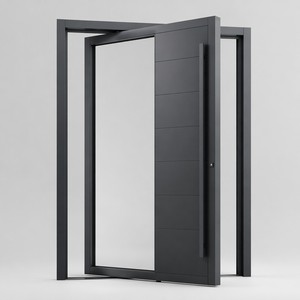
Oversized Thermal Break Pivot Entrance Assembly
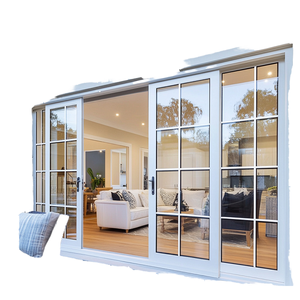
Contemporary Grid Patio Sliding Glass System
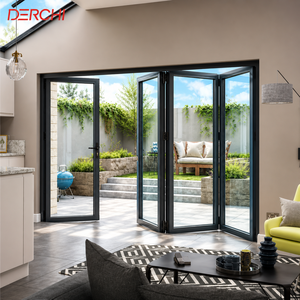
DERCHI NFRC Hurricane & Soundproof Fenestration
Commercial Bulk Outward Aluminum Fenestration
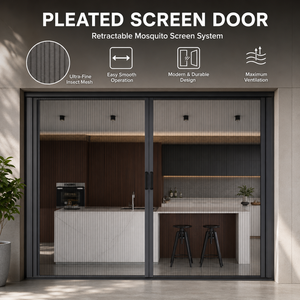
Retractable Pleated Screen Sliding Door Unit
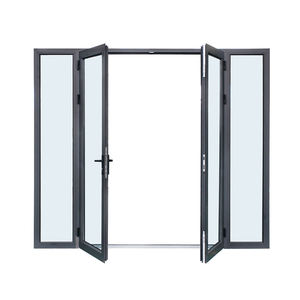
Bespoke Architectural Aluminum Pivot Door
Industrial Metallurgy & Thermal Physics for the Mexican Market
Direct factory sourcing requires strict adherence to international building codes. When exporting high-span aluminum sliding assemblies to Mexico, fenestration profiles must address structural deflection, saline degradation, and dynamic thermal transmission coefficients.
Alloy Formulation & Temper
We utilize primary architectural 6063-T6 and 6005A-T6 billet alloys with controlled silicon and magnesium percentages. This delivers an ultimate tensile strength exceeding 240 MPa and minimum yield strength of 190 MPa, accommodating massive glass weights for hurricane resistance.
- Web thickness tolerances engineered to ±0.15mm
- High section modulus to resist wind pressures up to 4500 Pa
- Zero recycled scrap extrusion prevents brittle micro-fractures
Corrosion Shielding: C4/C5 Maritime
For coastal Mexico developments, atmospheric salinity causes swift pitting on ordinary metal. Our production uses AkzoNobel Interpon D2525 and Kynar 500 70% PVDF fluorocarbon coatings rated to survive 3,000+ hours of continuous ASTM B117 neutral salt spray testing.
- Anodized film thicknesses up to 25μm (Class AA25)
- UV-resistant pigments protect against Mexico's solar index
- Qualicoat Class 2 certified coating integrity
NOM-020-ENER Thermal Engineering
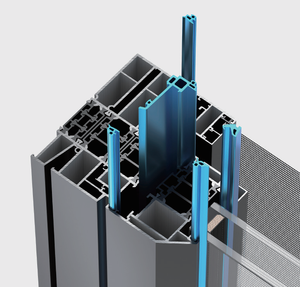
Complying with Mexico's building envelope energy standard requires low U-values and balanced Solar Heat Gain Coefficients (SHGC). Our polyamide PA66GF25 thermal breaks isolate outer sashes from air-conditioned interiors, minimizing heat conduction in tropical regions.
- Frame U-factors down to 1.6 W/(m²·K)
- Reduces HVAC loads by up to 34% in Monterrey & Mexicali
- Dual EPDM co-extruded compression weather seals
Regional Engineering for Mexico's Diverse Microclimates
Mexico does not exhibit a single uniform climate. Architectural fenestration must be calibrated for localized environmental stressors. Below is our engineering specification matrix for major Mexican building zones.
Cancún, Riviera Maya, Los Cabos, Vallarta
Exposed directly to Atlantic and Pacific tropical cyclonic systems. Requires certified cyclic impact resistance, high Design Pressure (DP) thresholds, and high resistance to airborne sea-salt deposits.
• ASTM E1886/E1996 Large Missile Test Class D
• 316 Marine Stainless Steel rollers and latch hooks
• Minimum design wind pressure: +65 / -65 PSF
Mexico City (CDMX), Guadalajara, Puebla
Elevations above 1,500m experience broad day-to-night temperature swings, elevated UV radiation, and intense acoustic pollution in dense urban quarters, combined with strict structural seismic requirements.
• PA66 thermal break barrier against chilly nights
• Engineered expansion joints for seismic movement
• Solar control Low-E coating (SHGC < 0.32)
Monterrey, Saltillo, Hermosillo, Tijuana
Characterized by blistering summer highs over 42°C, freezing winter nights, and heavy particulate winds. Priority is centered on insulation, air tightness, and compliance with NOM-020-ENER.
• Triple-glazed argon-gas filled structural glass
• Multi-point perimeter compression locking
• Air infiltration rating < 0.1 cfm/ft²
Market Trends: The Mexican Nearshoring & Luxury Hospitality Boom
Mexico's commercial architecture is experiencing transformation driven by two structural shifts: the historic influx of foreign direct investment (Nearshoring) and an unprecedented expansion of ultra-luxury coastal hospitality.
Industrial Headquarters & Mixed-Use Growth
Nearshoring has triggered significant development across Nuevo León, Coahuila, and the Bajío region. Developers require commercial-grade aluminum sliding door systems and acoustic partitions for multi-tenant luxury residential towers, corporate headquarters, and high-tech parks built to international class-A standards.
Hospitality Indoor-Outdoor Seamless Living
Boutique resorts and branded private residences in Los Cabos, Riviera Nayarit, and Tulum require floor-to-ceiling glass boundaries with flush, zero-threshold tracks. Motorized oversized sliding doors spanning over 12 meters with ultra-slim sightlines dominate architectural requests to maximize ocean vistas.
Supply Chain Optimization: Direct China Sourcing
Mexican construction developers face cost inflation through domestic re-sellers and trading brokers. Sourcing directly from certified Foshan manufacturing facilities provides full custom architectural fabrication, verified mill certifications, and reliable direct ocean freight to Manzanillo and Altamira.
Guangdong Dejiyoupin Doors and Windows Co., Ltd.
Recognized as an industry leader in high-end structural aluminum fenestration, DERCHI operates out of a premier 180,000 m² smart production base in Foshan, Guangdong—China's aluminum fabrication center. With over 25 years of engineering experience and 600+ personnel, we integrate design, precision CNC machining, testing, and worldwide distribution.
Our sliding, folding, and pivot assemblies are engineered to support architectural firms, general contractors, and distributors in demanding international markets including the United States, Canada, Australia, and across Latin America.
Frequently Asked Questions for Mexican Importers
Clear answers to procurement, customs clearance, shipping logistics, and technical specifications for Mexican developers, architects, and purchasing directors.
Do you ship direct to Mexican commercial ports?
Yes. We regularly arrange FOB, CIF, or CFR shipments to Mexico's principal container gateways, including Puerto de Manzanillo (Pacific) for west coast and CDMX logistics, Puerto de Lázaro Cárdenas, and Puerto de Veracruz or Puerto de Altamira (Gulf) for central and eastern projects. We supply standard export documentation (Bill of Lading, Packing List, Commercial Invoice, Certificate of Origin).
Can your sliding doors comply with Mexico's NOM-020-ENER-2014 standards?
Yes. Our systems feature multi-chambered polyamide thermal breaks (PA66GF25) combined with double- or triple-glazed Low-E insulated glass units (IGUs) filled with argon gas. These assemblies comply with the envelope heat gain limits defined by NOM-020-ENER, helping projects qualify for LEED or EDGE green building certifications.
How do you safeguard glass and frames during trans-Pacific sea transit?
All aluminum extrusions are surfaced with protective wrap, wrapped in moisture-resistant bubble film, and corners are reinforced with high-density foam protectors. Complete door units and glass lites are secured in custom fumigated plywood crates with internal rubber dampening and desiccant packs to prevent moisture fogging during ocean transit.
What hardware brands are integrated into your sliding and pivot doors?
We use corrosion-resistant hardware from German and European suppliers (Hoppe, Siegenia, Roto, Dorma, Sobinco) as well as our proprietary architectural hardware lines. Sliding rollers feature 304 or 316 marine-grade stainless steel bearings rated for 200,000+ cycle durability tests, preventing binding and rough operation.
Can you manufacture sliding doors from architectural drawings or schedules?
Yes. Our engineering division creates detailed CAD shop drawings and BIM models directly from your architectural layouts, elevations, and structural specifications. Sizing, sash configurations, interlock sightlines, and glass schedules are verified before extrusion cutting and production.
Are your sliding systems hurricane-rated for coastal projects?
Yes. For regions such as Quintana Roo (Cancún, Playa del Carmen) and Baja California Sur (Los Cabos), we manufacture heavy-gauge systems utilizing structural silicones (Dow Corning 983) and SentryGlas (SGP) laminated panels tested to meet ASTM E1886 and ASTM E1996 impact standards against wind-borne debris.
What is the typical production and delivery lead time to Mexico?
Custom fabrication typically takes 25 to 35 business days following final CAD drawing approval and deposit receipt. Trans-Pacific ocean shipping from Shenzhen or Nansha to Port of Manzanillo usually requires 18 to 26 days on the water, enabling total door-to-port turnarounds within 7 to 9 weeks.
What import duty and tax considerations apply to doors from China to Mexico?
Sliding doors and fenestration products enter Mexico under HS Code 7610.10 (Aluminium doors, windows and their frames). Importers must hold an active Mexican Padrón de Importadores and clear customs via an authorized Agente Aduanal. We provide accurate HS coding, weight tallies, and valuation documents to support smooth import processing.
Accelerate Your Mexican Development Project
Connect with DERCHI's technical sales team for CAD shop drawings, formal CIF pricing to Manzanillo or Veracruz, and custom product catalogs for your architectural needs.