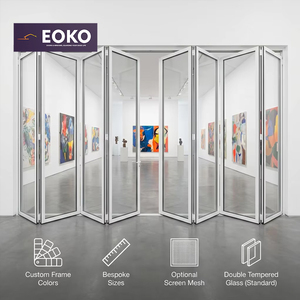
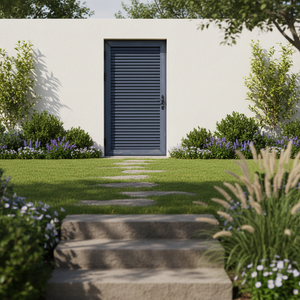
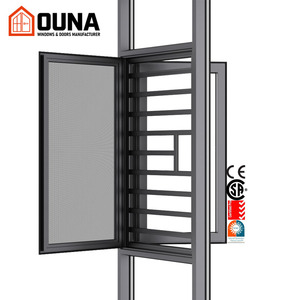
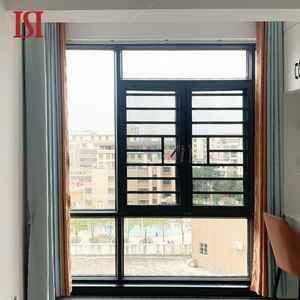
Custom OEM Aluminium Back Doors Suppliers & Exporter
Engineering Industrial-Grade Thermal-Break, Minimalist Louver, and Bifold Back Entrance Systems for Architectural Distribution Worldwide
Certified Product Series
Engineered Architectural Back Doors & System Profiles
DERCHI supplies high-precision extruded aluminum back doors engineered for multi-climate resistance, enhanced perimeter security, and structural rigidity. Explore our certified line manufactured in Foshan, China.
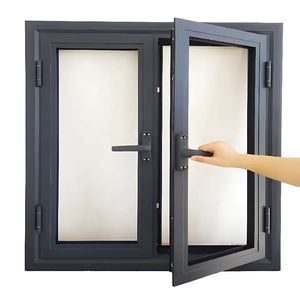
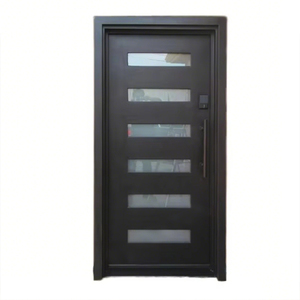
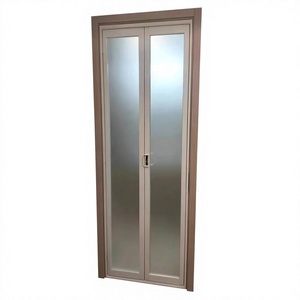
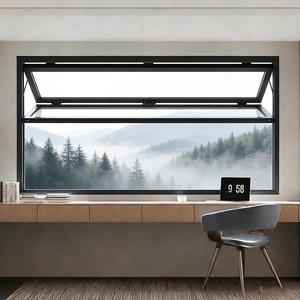
25+
Years Extrusion & Fabrication
180k m²
Integrated Production Hub
600+
Engineers & Technical Staff
100+
Patents & Global Standards
Manufacturing Capabilities
Factory-Direct OEM Advantage: Guangdong Dejiyoupin (DERCHI)
Recognized among China's Top 10 fenestration and entrance brands, DERCHI operates a vertically integrated production cluster in Shishan Town, Foshan. We control every stage from alloy smelting and thermal break assembly to multi-axis CNC milling and automated crating.

Architectural Compliance Across Strict Code Markets
For more than two decades, our export engineering unit has supplied custom aluminum back doors, patio entryways, and utility ingress systems across the United States, Canada, Australia, Europe, and the Middle East. We manufacture in compliance with AS 2047 cyclonic standards, CE directives, ISO 9001 quality audits, and UL fire ratings.
- Zero Trading Intermediaries: Direct pricing model with complete factory traceability.
- In-House CAD/BIM Detailing: Rapid shop drawing turnarounds aligned with architectural schedules.
- Surface Engineering: AkzoNobel powder coating and Qualicoat-certified marine PVDF finishes.
- Heavy Sea-Freight Crating: Moisture-barrier shrink film, corner foam buffers, and plywood crates.
Industry Whitepaper
Evolutionary Trends in Custom Aluminum Back Door Engineering
Secondary ingress and rear exterior openings are transitioning from utility commodities to thermal acoustic barriers. The following architectural engineering criteria define modern specifier requirements.
Polyamide Thermal Barriers
Modern back doors integrate PA66 GF25 thermal breaks between interior and exterior 6063-T6 aluminum profiles. This dual-extrusion layout interrupts conductive thermal bridges, driving U-values down below 1.4 W/m²K, which prevents inner condensation during extreme sub-zero or humid conditions.
Multi-Point Multiplying Locks
Unlike traditional deadbolts, high-security OEM back doors feature continuous locking bars with mushroom cams. Engaging the lever distributes clamping force across 5 to 7 peripheral points along the jamb, achieving resistance against forced tool attacks while preserving air compression seals.
Acoustic Glazing Integration
Specifiers increasingly demand acoustic laminate profiles (PVB or SGP acoustic interlayers) combined with argon gas fills within double or triple glazed back casements. This drops airborne outdoor disturbance by up to 42 dB, critical for villas adjacent to traffic infrastructure.
EPDM Vulcanized Sealing
Replacing brittle PVC sweeps, DERCHI uses multi-lip, co-extruded ethylene propylene diene monomer (EPDM) gaskets. They maintain volumetric elastic recovery from -40°C to +120°C, blocking driving rain infiltration under dynamic wind pressures exceeding 4500 Pa (equivalent to Category 5 typhoons).
Fluorocarbon Marine Finishes
Rear entrances directly face micro-climates, garden irrigation, and coastal marine salts. We implement multi-coat PVDF and specialized anodization complying with AAMA 2605 requirements, guaranteeing color stability and gloss retention without chalking for over 20 years.
Barrier-Free Flush Thresholds
Architectural trends favor flush indoor-to-patio transitions. DERCHI designs subterranean drain track systems that sit completely flush with the finished floor level, handling high volumetric water drainage without tripping hazards or water backup into the living space.
Procurement Analysis
Future Sourcing & Supply Chain Forecast for Aluminum Entrances
Global fenestration procurement is undergoing a paradigm shift driven by stricter green building codes, supply chain consolidation, and automated access integration. Distributors should align with the following strategic shifts.
Low-Carbon Circular Billets
Government mandates (such as the EU Carbon Border Adjustment Mechanism) are accelerating demand for certified low-carbon recycled aluminum billets. Sourcing from factories with verifiable scrap utilization ratios will be decisive for contract awards in commercial development.
Single-Source Fenestration Bundling
Contractors are phasing out multiple micro-suppliers in favor of unified manufacturing partners who can bundle back doors, pivot entrance portals, curtain walls, and garage systems within single consolidated 40HQ ocean freight shipping schedules, slashing logistics overhead.
Smart Access Ecosystems
Standard manual locks on back doors are increasingly substituted by concealed biometric recognition, RFID sensors, and home-automation-linked multi-point motorized latches, necessitating factory-routed internal wire conduits and concealed junction interfaces during initial extrusion processing.
Digital Shop-Drawing Handshakes
Procurement is shifting from paper RFQs to direct Revit / BIM file exchanges. Importers demand suppliers capable of providing parametric CAD drawings and exact tolerance clearances within 48 hours to minimize on-site framing adjustments during construction.
Engineering Guidance
Frequently Asked Questions for OEM Back Door Procurement
Technical answers to operational, engineering, and logistics questions from distributors, developers, and project procurement teams.
What alloy grade and temper does DERCHI utilize for custom back door extrusions?
We exclusively formulate profiles using 6063-T6 or 6060-T6 primary architectural-grade aluminum. These alloys deliver an optimal balance of structural tensile strength (exceeding 205 MPa), exceptional extrusion surface finish for high-grade powder coatings, and superior resistance to intergranular atmospheric corrosion compared to lower-grade secondary scrap metals.
How does an OEM aluminum back door prevent water infiltration under driving monsoon rains?
We employ a dual-action hydrostatic defense: first, continuous vulcanized EPDM compression gaskets maintain equalized positive seal contact across the full sash perimeter; second, our threshold extrusion incorporates internal stepped weep baffles and drainage channels that vent water outward through non-return flap valves even under positive wind pressures exceeding 600 Pa.
Can DERCHI match architectural shop drawings and provide custom extrusion dies?
Yes. Our in-house engineering and tooling unit produces custom profile dies based on client CAD or STEP files. New die tooling takes approximately 10 to 14 days, with sample profile extrusion verification provided prior to full batch production. We provide shop drawing sign-offs covering structural calculations, wind loads, and fixing details.
What surface treatment standards are available for high-salinity coastal installations?
For coastal deployments within 5 kilometers of the shoreline, we specify fluorocarbon PVDF coating systems (minimum 3-coat system containing 70% Kynar 500 resin) or hard-anodized class 1 finishes (25 microns minimum). These coatings satisfy AAMA 2605 and Qualicoat Class 3 test protocols, successfully passing 3,000+ hours of continuous neutral salt spray (ASTM B117) testing.
What are the lead times, and how are fragile glass/aluminum units packaged for sea transit?
Standard OEM production spans 25 to 35 calendar days from finalized shop drawing approval. For export, all products are wrapped in non-residue protective surface film, framed with high-density EPE foam corner protectors, strapped inside heavy-duty multi-layer corrugated boxes, and crated inside fumigated solid-plywood timber cases with desiccants to prevent sea-freight humidity damage.
What international testing standards and certifications cover your entrance systems?
Our door and window portfolio has been verified by accredited testing authorities under European CE standards (EN 14351-1), Australian AS 2047 cyclonic and wind loads, North American NFRC and CSA thermal and air infiltration guidelines, as well as UL standards for fire-rated structural cores. Complete factory test certs are supplied per project batch.