Featured Aluminium Swing, Casement & Glazing Systems
Engineered to satisfy stringent international building codes including CE, AS 2047, and AAMA specifications. Discover high-performance thermal break solutions optimized for tropical wind loads, monsoon water tightness, and maximum thermal comfort.
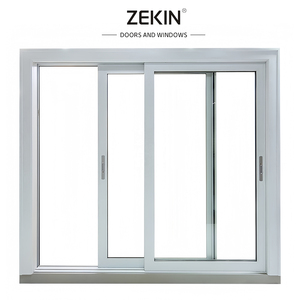
Hurricane Impact Thermal Break Sliding Window
- Double layered tempered safety glass
- Reinforced multi-chamber profile
- High-resistance coastal air sealing
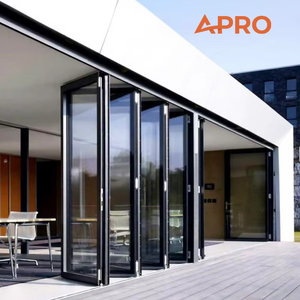
APRO Thermal Break Patio Bi-Fold Glass Door
- Heavy duty bottom rolling carriage
- Polyamide thermal insulator barrier
- Flush threshold architectural finish
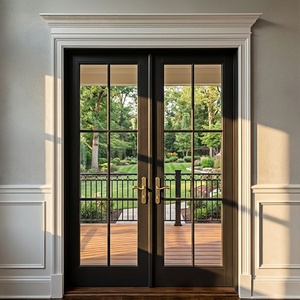
CE Modern Black Powder Coated French Door
- Acoustic insulation up to Rw 40dB
- Electrostatic AkzoNobel powder finish
- Multi-point security locking bolts
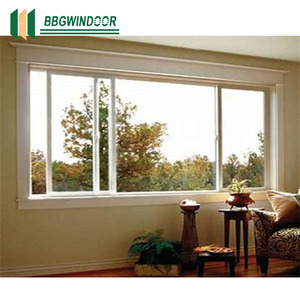
Lukliving Custom Anodized Brown Sliding Window
- Premium German hardware fittings
- Triple weatherseal EPDM gaskets
- Precision drainage pressure design
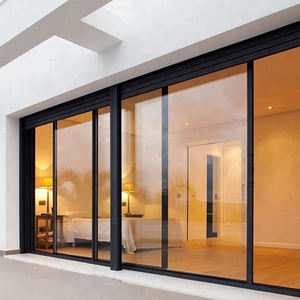
NFRC Double Glazed Patio Villa Door
- Low-E argon-filled insulated glass
- Structural wind resistance N6 rating
- Smooth stainless steel guide rails
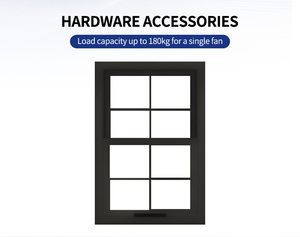
PRETTY HOUSE Thermal Break Single Hung Window
- Constant force balance sash design
- High thermal barrier Uw ≤ 1.6 W/m²K
- Anti-lift tamper proof mechanisms
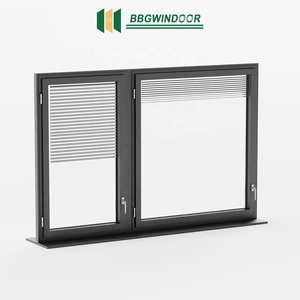
Lukliving Casement Window With Built-in Blinds
- Hermetically sealed internal louvers
- Zero maintenance dust-free louver system
- Friction hinge outward 90° swing
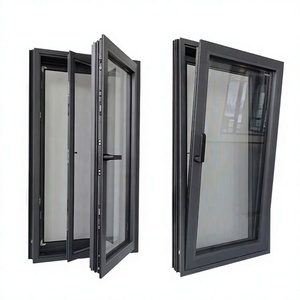
ZCSUNG Slim Aluminum Tilt-Turn Window
- Dual-function tilt ventilation & swing
- Minimal narrow sightline frame profile
- Heavy duty concealed pivot hardware
Evaluating the Top 10 Aluminium Swing Window Manufacturers: Technical Engineering Standards
In high-specification residential developments, oceanfront estates, and luxury multi-family projects, the aluminium swing window—encompassing both outward side-hung casements and dual-action European tilt-and-turn fenestrations—remains the gold standard for architectural envelopes. Unlike horizontal sliding systems, an aluminium swing window features a compression-seal perimeter mechanism that drives the movable sash directly into heavy-duty EPDM gaskets upon latching. This structural geometry creates an impervious barrier against tropical downpours, wind-driven cyclonic pressure, and high-decibel acoustic interference.
When global developers, structural engineers, and general contractors evaluate a Top 10 Aluminium Swing Window Factory & Supplier, the procurement criteria extend far beyond visual profile aesthetics. Real engineering superiority is evaluated through alloy temper consistency (6063-T6 or 6060-T66), polyamide thermal break strip integration (PA66 GF25), structural corner joint precision (crimped aluminum corner cleats injected with two-component polyurethane bonding agents), and international fenestration testing credentials including CE, AS 2047, and AAMA/WDMA/CSA 101/I.S.2/A440.
Structural Engineering Performance Parameters of Premium Swing Systems
To understand the quantitative delta between commercial commodity windows and Tier-1 factory-engineered swing systems, fenestration buyers must assess four primary performance matrices: air permeability, water tightness under dynamic pressure, structural wind load resistance, and overall thermal transmittance (U-factor).
| Performance Criterion | Standard Commercial Grade | Tier-1 Factory Architectural Standard | DERCHI / Dejiyoupin Benchmark Specification |
|---|---|---|---|
| Aluminium Extrusion Alloy | Recycled billet, 6063-T5 (1.4 mm wall) | Virgin 6063-T6 billet (≥ 1.8 mm wall) | Primary 6063-T6 architectural grade (2.0 mm – 3.0 mm) |
| Thermal Break Insulation | PVC or ABS thermal bridges | 24 mm Polyamide PA66 GF25 strip | 35.3 mm Technoform PA66 GF25 multi-cavity thermal struts |
| Water Tightness Rating | Class 4A (150 Pa dynamic) | Class 9A (600 Pa dynamic) | Class E1050 (1050 Pa) / AS 2047 450 Pa cyclic deluge |
| Wind Pressure Resistance | Class 3 (1200 Pa design load) | Class 5 (≥ 2000 Pa structural) | AS 2047 N6 Ultimate Wind Pressure (> 4500 Pa) |
| Thermal Transmittance (Uw) | 2.8 – 3.5 W/m²·K | 1.4 – 1.8 W/m²·K | Down to 0.82 W/m²·K (Passive House standard compliant) |
| Acoustic Attenuation (Rw / STC) | 28 – 32 dB | 36 – 40 dB | 42 – 46 dB (Laminated acoustic IGUs with argon fill) |
The Corner Assembly Dilemma: Mechanical Screwing vs. Injected Corner Crimping
The life expectancy of an aluminium swing window is heavily determined by how frame corners are joined. Secondary suppliers often utilize basic self-tapping screws and mechanical friction corners without sealants, leading to diagonal sag (rhomboid distortion) after 18 to 24 months of heavy sash cycling.
In contrast, elite manufacturers like Guangdong Dejiyoupin Doors and Windows Co., Ltd. utilize heavy-duty hydraulic corner crimping machines coupled with CNC corner cleats. Dual-component thixotropic corner joint adhesive (such as Weiss Cosmofen DUO) is mechanically injected through dedicated ports. The glue cures into an unyielding structural monolith that permanently preserves 90-degree integrity, preventing perimeter air leakage and water ingress even during intense South Asian cyclonic events.
Future Procurement Trends for Aluminium Swing Window Systems
Technological convergence, net-zero carbon directives, and climate change are fundamentally reshaping how architects, building developers, and overseas wholesale importers procure fenestration packages.
Ultra-Narrow Sightlines with Concealed Sashes
Architectural demand has transitioned rapidly from bulky 80mm face widths to minimalist, frameless aesthetics. The future belongs to concealed swing sashes where the operable frame is tucked behind the outer structural frame, boosting natural daylighting by up to 18% without sacrificing structural wind resistance.
Micro-Ventilation & Passive Smart Hardware
Traditional casement windows present draft and buffeting issues when wide open. Advanced European hardware architectures now integrate micro-gap ventilation positions (2 mm to 4 mm sash displacement), facilitating continuous interior air exchange while sustaining full anti-burglary RC2/RC3 security ratings.
Circular Metallurgy & Low-Carbon Aluminium
International ESG mandates (such as the EU Carbon Border Adjustment Mechanism) are making low-carbon aluminium a baseline specification. Top tier suppliers are sourcing green-certified billets smelted via hydropower, lowering embodied carbon from 16.8 kg CO2/kg Al to below 4.0 kg CO2/kg Al.
Integrated Solar Shading & Smart Actuation
Motorized built-in magnetic venetian blinds hermetically sealed inside the double-glazed unit are replacing exterior drapery. Coupled with IoT climate sensors, window swing actuators automatically adjust tilt angles based on interior carbon dioxide levels, humidity, and exterior precipitation.
Why Guangdong Dejiyoupin (DERCHI) Represents the Peak of Chinese Fenestration Export
Operating from the heart of Foshan, Guangdong—the globally celebrated nexus of precision aluminium extrusion and fenestration technology—Guangdong Dejiyoupin Doors and Windows Co., Ltd. (DERCHI) represents over a quarter-century of relentless engineering refinement. While trading companies act as intermediaries with marked-up pricing and opaque quality assurance, DERCHI maintains a completely vertically integrated manufacturing campus exceeding 180,000 square meters staffed by more than 600 highly trained technical specialists.
Rigorous International Testing
Our products hold comprehensive test certificates across major world regions: CE marks for European building safety, ISO 9001 quality audits, UL fire performance ratings, and the notoriously demanding Australian AS 2047 standard with cyclonic N6 pressure thresholds.
Full CAD/BIM Shop Drawings
Eliminate installation discrepancies before steel is cut. Our dedicated architectural engineering department provides zero-cost CAD shop drawings, glass wind deflection analyses, thermal simulation reports, and detailed structural junction sections tailored to local rough openings.
Direct Port FOB / CIF Logistics
Exporting across South Asia, North America, Oceania, and the GCC, DERCHI executes full sea-freight crating using fumigated solid-ply framing, high-density polyethylene protective wrapping, and corner shock guards, delivering damage-free cargo directly to Nhava Sheva, Chennai, Karachi, Colombo, or Manila.
By partnering directly with a legitimate Tier-1 manufacturing factory, overseas contractors and real estate consortiums eliminate middleman commissions (typically saving 18% to 32% in net procurement budgets), ensure unified batch-to-batch powder coating color tolerance (ΔE < 0.5 under Qualicoat Class 2), and gain ironclad warranty coverage backed by 30+ domestic and international patents.
Frequently Asked Questions: Sourcing Aluminium Swing Windows
Authoritative answers to the most critical technical, commercial, and logistical questions posed by architects, project managers, and fenestration importers.
1. What distinguishes outward swing casement windows from inward tilt-and-turn windows in terms of weather tightness?
2. How does the quality of the thermal break strip affect structural integrity in hot, high-UV environments?
3. What hardware components are most critical for oversized luxury swing windows?
4. Can DERCHI swing windows be customized to satisfy specific Vastu or regional architectural layouts?
5. How does a B2B overseas buyer verify quality before container loading without traveling to China?
6. What are the packaging and maritime damage mitigation standards for ocean freight?
Initiate Your Fenestration Engineering Consultation
Send us your architectural window schedules, CAD elevations, or project specifications. Our structural fenestration engineers will supply optimized shop drawings, U-value thermal calculations, and competitive factory-direct quotations within 24 hours.