High-Performance Architectural Windows & Structural Door Systems
Engineered for rigorous international building envelopes. Each unit is fabricated from primary structural-grade 6063-T5/T6 aluminum alloy profiles, equipped with multipoint mechanical security hardware, high-load European polyamide thermal isolators, and certified impact-resistant double/triple glazing packages.
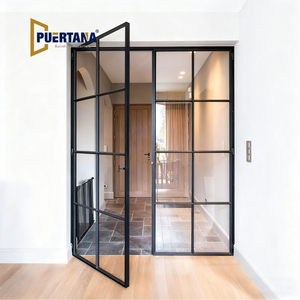
Modern Indoor Aluminium French Casement Swing Glass Door Internal Glass Divider
Ultra-slim European sightlines with high-tensile 6063-T5 aluminum framing. Acoustic decoupling seals achieve Rw 36 dB sound attenuation for luxury hotel suites and executive partitions.
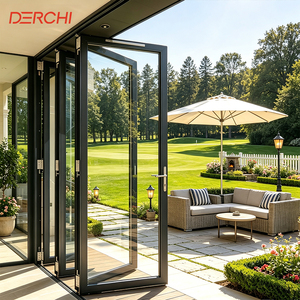
DERCHI NFRC Hurricane Impact Outdoor Balcony Bifold Folding Double Glazed Doors
Heavy-duty stainless steel carriage tracks engineered to bear up to 250 kg per panel. NFRC tested and certified for extreme wind velocity, positive water shedding, and thermal cycling stability.
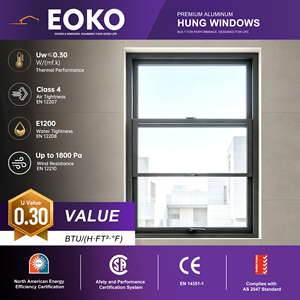
EOKO Double Hung Impact USA Approved Thermal Break Insulated Aluminum Window
Dual-sash counterbalanced mechanism rated under ASTM E1886 and E1996 for hurricane debris impact. Continuous PA66GF25 thermal struts deliver an overall system U-factor below 0.28 BTU/(h·ft²·°F).
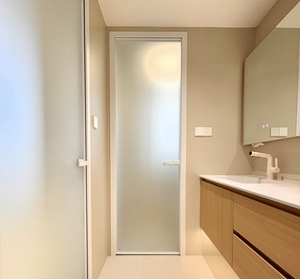
Waterproof Aluminum Bathroom Casement Doors with Privacy Frosted Glass
Anodized 15-micron oxide film designed specifically for high-condensation, saline, and chlorinated environments. Integrated multi-chambered co-extruded EPDM gaskets ensure zero ambient vapor ingress.
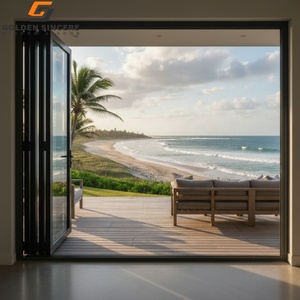
GS Heavy Commercial Aluminum Bi-Fold Patio Door with Magnetron Low-E Glazing
Double-silver Low-E coating providing a Solar Heat Gain Coefficient (SHGC) of 0.24. Bottom rolling structural load carrier rated for smooth million-cycle institutional operation.
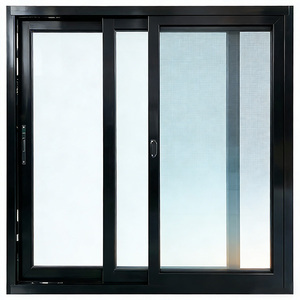
Modern Double Glazed Thermal Break Sliding Windows with Integrated Mosquito Net
Engineered for commercial hospitality developments. Quadruple interlock stiles resist positive and negative dynamic wind pressures up to 4500 Pa (AS 2047 N6 compliant).
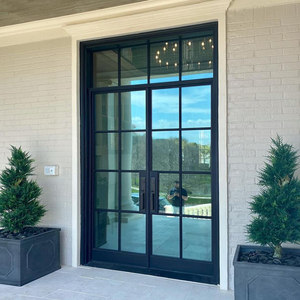
Crittall-Style Architectural Aluminum-Steel Hybrid Framed French Swing Glass Doors
Vintage industrial grid visual combined with modern aluminum extrusion thermal performance. CNC-milled monolithic astragal glazing bars and concealed heavy-duty 3D adjustable pivot hinges.
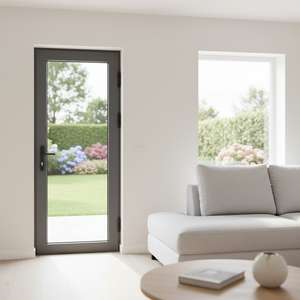
RG60C Ruiguan Architectural Aluminum Alloy Door Multi-Chamber Thermal Insulation
Structural 2.0mm wall thickness equipped with polyurethane high-density acoustic insulating core and automated mechanical drop-down threshold floor seals for villa main entrances.
Top 10 Global Aluminum Alloy Window Suppliers & Exporters: The Technical Matrix
Procuring architectural fenestration directly from high-capacity export hubs demands verification across dimensional tolerances, metallurgical integrity, weathering coatings, and third-party fenestration test records. Below is the multi-point evaluation matrix used by international facade consultants to evaluate top-tier manufacturers.
| Evaluation Parameter | Tier-1 Integrated Exporter (e.g. DERCHI) | Standard Mid-Tier Fabricators | Commercial Trading Intermediaries |
|---|---|---|---|
| Alloy Metallurgy & Billets | 100% Primary 6063-T5/T6 certified prime aluminum billet (Si 0.2-0.6%, Mg 0.45-0.9%) | Mixed primary and secondary scrap re-melt profiles | Outsourced sourcing; profile mill origins undocumented |
| Thermal Isolator Technology | Continuous imported PA66GF25 (polyamide + 25% glass fiber reinforced) structural bars | PVC or low-grade recycled polyamide inserts prone to cracking | Variable based on third-party sub-contractor |
| Weathering Finish Standards | Qualicoat Seaside Class 2, 3-coat AAMA 2605 PVDF (≥70% fluoropolymer resin) | Standard electrostatic powder coat (AAMA 2603, <30μm thickness) | Unverified film thickness; rapid chalking under UV |
| Structural Code Approvals | ✓ CE, AS 2047 (N6), NFRC, ISO 9001, UL Fire | Regional domestic test reports only (GB/T standard) | No direct project certifications; third-party test reliance |
| Engineering Shop Drawings | Complimentary full-scale 2D/3D BIM & CAD shop drawings, wind load calculations | Basic elevation sketches; structural calculations outsourced | Limited to catalog brochures without custom engineering |
| Production Footprint & Scale | 180,000 m² automated manufacturing facility, 600+ specialized technicians | Small scale workshops (<15,000 m²) with manual cutting stations | Virtual enterprise without dedicated extrusion or glazing lines |
Guangdong Dejiyoupin Doors and Windows Co., Ltd. (DERCHI)
As one of China's premier fenestration systems manufacturers, DERCHI operates a unified industrial ecosystem spanning profile extrusion, CNC miter machining, robotic structural glazing, and certified atmospheric test chambers in Foshan, Guangdong—the world’s central cluster for aluminum architectural manufacturing.
By bypassing third-party brokerage, institutional developers and overseas general contractors receive direct factory accountability, guaranteed metallurgical integrity, and full transparency on export logistics from factory floor to job site.

Macro Trends Transforming Global Aluminum Window Procurement (2026–2030)
Rapid regulatory shifts, strict energy conservation directives, and volatile weather patterns are driving significant changes in commercial window specifications. International buyers are prioritizing four critical parameters when issuing procurement tenders.
Circular, Low-Carbon Billet Sourcing
Global green building rating systems (LEED v4.1, BREEAM) now mandate comprehensive Environmental Product Declarations (EPDs). Forward-thinking exporters are utilizing ASI-certified (Aluminium Stewardship Initiative) low-carbon recycled aluminum produced with hydroelectric power, reducing embodied carbon to below 4.0 kg CO₂e/kg Al.
Hyper-Insulating Thermal Breaks
Simple single-cavity thermal breaks are becoming obsolete. Next-generation systems feature multi-chambered polyamide 66 glass-reinforced strips with integrated low-emissivity foam cavities, driving overall window U-values down to Passive House thresholds (Uw ≤ 0.8 W/(m²K)) for extreme alpine and equatorial climates.
Severe Cyclonic & Hurricane Engineering
Due to severe climate volatility across coastal North America, the Caribbean, Southeast Asia, and the Australian cyclonic coastlines, specifications demand minimum positive/negative test pressures exceeding 4500 Pa alongside heavy-missile impact testing (0.050" SentryGlas® interlayer standards).
Smart Sensor & Mechatronic Integration
High-end residential and hotel projects require hidden concealed motorized sash actuators that integrate directly into centralized Building Management Systems (BMS), featuring automated rain-wind retraction, micro-ventilation settings, and biometric multi-point locking interfaces.
Metallurgy, Surface Finishes & Fenestration Testing Standards
A technical guide for facade engineers, project architects, and quantity surveyors drafting baseline specification schedules.
Profile Chemistry & Extrusion
Aluminum alloy profiles must conform strictly to EN 573-3 and ASTM B221 specifications. 6063-T5 remains the standard for window casements, while high-span curtain walls and bi-fold structural mullions require 6063-T6 or 6061-T6 alloys for superior yield strength.
- Tensile Strength: ≥ 215 MPa for T6, ≥ 160 MPa for T5
- Yield Strength: ≥ 170 MPa (T6) preventing wind sash deflection
- Hardness: ≥ 12 Webster (HW) ensuring thread holding capacity
- Web Thickness: Min 1.4mm (residential), ≥ 2.0-3.0mm (commercial)
Weatherproof Protective Coatings
External facades exposed to coastal salt spray, industrial sulfur dioxide, or high UV indices require rigorous surface treatments to prevent pitting corrosion, filiform corrosion, and color degradation.
- Qualicoat Seaside Class 2: Polyvinylidene fluoride (PVDF) powder coating tested to 3,000 hrs accelerated salt spray
- AAMA 2605 PVDF: 3-coat wet spray, 70% Kynar 500 fluoropolymer resin with 10-year gloss retention
- Hard Anodizing: 20-25 micron class (AA25) per ISO 7599 for maximum scratch and chemical resistance
Fenestration Test Performance
Complete window assemblies must undergo physical mock-up testing in certified laboratory chambers to verify physical resistance against extreme climatic pressures.
- Air Infiltration: ASTM E283 / EN 12207 Class 4 (< 0.1 m³/(h·m) at 100 Pa)
- Water Resistance: ASTM E331 static test (≥ 700 Pa without leakage), EN 12208 Class E1050
- Structural Wind Load: AS 2047 Serviceability (Deflection Span < L/250) & Ultimate Load to 4500 Pa (N6 class)
Export Packaging, Safe Transit Protocols & Global Port Delivery
Fenestration units feature delicate tempered glass, precision finishes, and moving hardware that face significant risk during intermodal transport. Premium tier-1 exporters implement multi-stage packaging and shipping procedures to ensure zero damage upon arrival.
1. Surface Preservation
Profiles are covered with high-tack polyethylene surface protective films (UV resistant for 60 days on-site). Extrusion corners are fitted with reinforced injection-molded rubber caps to prevent denting during inland truck loading.
2. Heavy Cushioning
Finished assemblies are wrapped in 5mm closed-cell EPE foam sheets, followed by multi-layered corrugated edge boards along all structural perimeters to absorb dynamic lateral shifting within ocean containers.
3. Steel A-Frame Racks
Oversized sliding window panels and glass curtain wall sections are secured onto custom heavy-gauge steel A-frames with rubber isolation strips, fastened via ratchet cargo belts for heavy-sea stability.
4. Desiccant Protection
Plywood crates are manufactured from ISPM 15 certified fumigated timber and fitted with silica gel desiccant bags to prevent moisture accumulation, mildew, or chemical staining during long ocean voyages.
Frequently Asked Questions: B2B Window Sourcing & Engineering
Clear answers to key questions asked by international developers, general contractors, and sourcing agents.
What is the difference between non-thermal and thermal break aluminum windows?
Non-thermal aluminum windows consist of a single extruded aluminum profile. Because aluminum is a natural conductor of heat (thermal conductivity ~205 W/mK), external heat or cold transfers directly through the frame, causing energy loss and internal condensation. Thermal break windows separate the interior and exterior aluminum sections using a reinforced polyamide nylon strip (PA66GF25, conductivity ~0.3 W/mK), reducing overall thermal conductivity across the frame by up to 80%.
How do you verify aluminum alloy grade 6063-T5 versus lower grade secondary scrap?
Tier-1 manufacturers verify chemical composition using optical emission spectrometry (OES) for every raw billet charge, measuring silicon (0.2-0.6%) and magnesium (0.45-0.9%). B2B buyers can review certified Mill Test Certificates (MTC) conforming to EN 10204 3.1. Inferior re-melt scrap shows higher iron and zinc contaminants, leading to poor anodizing quality, premature surface corrosion, and brittle extrusion fractures under wind load.
Can you manufacture custom dimensions and match specialized local building codes?
Yes. Custom engineering is standard for professional manufacturers like DERCHI. Project-specific CAD shop drawings are created to match your architectural schedule, including structural mullion reinforcement calculations for tall openings. Window units can be certified to specific regional codes, including US NFRC/AAMA ratings, Florida Hurricane Impact (HVHZ) requirements, European CE standards, and Australian AS 2047 certifications.
What Incoterms and shipping ports are typically supported for overseas delivery?
We routinely execute shipments under FOB (Free on Board), CIF (Cost, Insurance & Freight), and DDP (Delivered Duty Paid) Incoterms 2020. Our export containers route via major Chinese deep-water ports including Guangzhou (Nansha) and Shenzhen (Yantian/Shekou). Deliveries connect reliably to major worldwide destinations, including Nhava Sheva (JNPT), Mundra, Chennai, Colombo, Chittagong, Karachi, Long Beach, Sydney, and Jebel Ali.
How does DERCHI prevent glass seal failure and argon gas leakage over time?
Insulated Glass Units (IGUs) are manufactured in automated, climate-controlled clean rooms utilizing dual-seal technology: primary polyisobutylene (PIB) extrusion creates a moisture vapor barrier, reinforced by high-modulus secondary structural silicone. IGUs feature molecular sieve desiccant within warm-edge composite spacer bars, keeping argon fill leakage below 0.1% per year according to EN 1279-3 European standards.
What project details should be submitted to receive a reliable technical quotation?
For an accurate and rapid quotation, provide: (1) Finished opening dimensions (width x height); (2) Architectural elevation schedule or shop drawing sketches; (3) Performance targets (U-value, Solar Heat Gain Coefficient, wind load, or acoustic Rw level); (4) Glass configuration (e.g. 6mm Low-E + 12A + 6mm Clear tempered); (5) Surface finish choice and RAL color code; and (6) Required delivery Incoterm and destination port.