Featured Aluminium Half Glass & Hybrid Door Collections
Engineered for stringent weather-tightness, wind load resistance, and spatial daylighting optimization. Each profile integrates CNC precision machining with insulated core and tempered glazing technology.
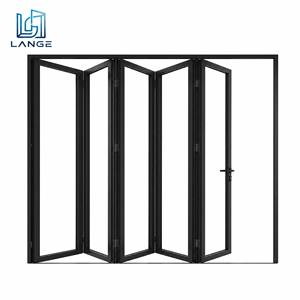
LANGE Modern Aluminum Bifold Full View Folding Doors
High wind-load engineered multi-panel system for villas. Designed with thermal break barriers, multi-point compression locks, and bottom roller guide track.
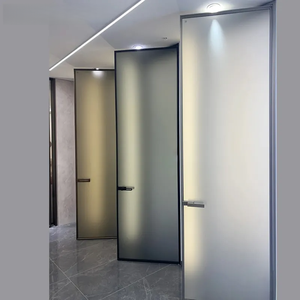
Aluminium Bathroom Door with Half-Glass Ventilation Grille
Moisture-impermeable internal door combining frosted privacy glass above and an integrated air-exchange louvre base. Zero timber rot, non-corrosive structure.
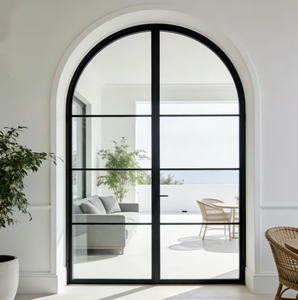
Indoor Arched Top Half Moon Double Glass French Doors
Precision roll-bent aluminium arch frame with decorative muntin grids and lower composite paneling. Ideal for luxury residential interiors, halls, and master suites.
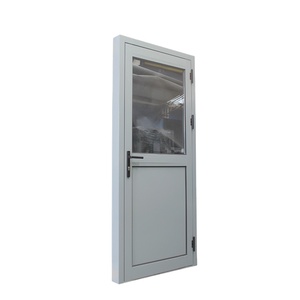
AS2047 / NFRC Half Glass Half Aluminium Casement Door
Structural perimeter seal with heavy insulated polyamide thermal struts. Certified to Australian and North American energy codes for structural perimeter safety.
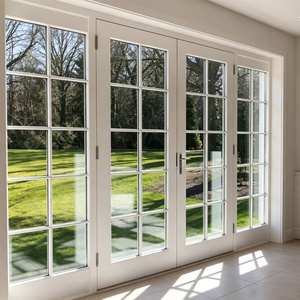
Modern Prehung Aluminium Stainless Steel Half Glass Door Set
Engineered composite frame featuring aluminium cladding, stainless steel anti-tamper inserts, and side-lite tempered glass panels for residential entrances.
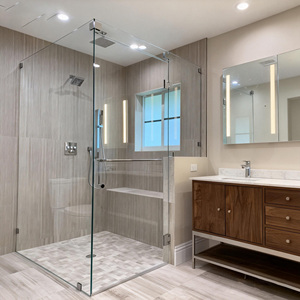
Narrow Frame Half Partitioned Shower & Screen Tempered Door
Ultra-slim architectural profile featuring anoded 6463 high-gloss aluminium alloy, nano water-repellent safety glazing, and magnetic waterproof perimeter strips.
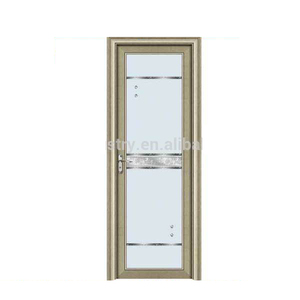
Factory-Direct Commercial Aluminium Half Glass Entry Doors
Optimized for multi-unit apartment complexes and hospitality projects. Lower ribbed aluminium infill board provides impact protection; upper frosted section allows daylight.
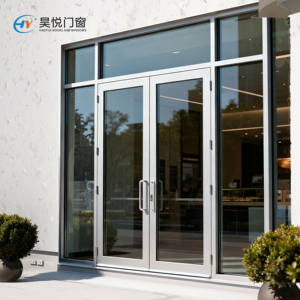
Customized Double Aluminium Alloy Glass French Entrance Door
Heavy-gauge entrance system with German multipoint mortise hardware, European thermal break barrier, and customizable mid-rail height for architectural balance.
Why Tier-1 Contractors Partner with Guangdong Dejiyoupin (DERCHI)
Operating from our massive 180,000 m² automated production base in Foshan, Guangdong, we integrate metallurgical formulation, high-precision profile extrusion, smart glass tempering, and certified fenestration testing under one roof.
AS2047, CE & NFRC Compliance
We engineer our fenestration assemblies strictly within international performance benchmarks. Our doors have survived cyclone-level N6 wind pressure tests, AS2047 water penetration hurdles (up to 450Pa), and UL fire-rated flame spread specifications, with independent third-party test verification provided for every export consignment.
6063-T5 / T6 Primary Aluminium
Strict zero-scrap billet policy. We use only A00-grade virgin aluminium ingot extrusions with tensile strengths exceeding 205 MPa and Webster hardness over 12 HW. Finished with AkzoNobel powder coating, PPG fluorocarbon PVDF, or 25-micron architectural anodizing to eliminate salt-spray corrosion in coastal developments.
Full CAD / BIM Customization
Bridge the gap between architectural concept and structural fabrication. Our 35-person technical design team provides complimentary parametric shop drawings, thermal simulation reports (U-values down to 1.4 W/m²K), and load deflection calculations within 48 hours to streamline architectural submittals.
Direct Shipping: FOB, CIF & DDP
Export-ready packaging utilizes protective adhesive PE films, high-density cellular foam edge guards, and fumigated steel-strapped solid timber crates. Daily vessel bookings to major worldwide shipping hubs: Nhava Sheva, Mundra, Karachi, Chittagong, Colombo, Jebel Ali, Los Angeles, and Sydney.
German & Italian Hardware Integration
We do not cut corners on operating mechanisms. Equipped with Siegenia, HOPPE, Roto, and G-U multipoint locking bars, concealed 3D heavy-duty adjustable hinges, and concealed EPDM co-extruded air-tight gaskets that deliver over 200,000 smooth operating cycles without sag or latch failure.
One-Stop Multi-Category Supply
Streamline procurement by consolidating orders across our entire portfolio: half glass exterior doors, grand pivot entrance systems, architectural glass curtain walls, and insulated overhead garage doors. One production schedule, single-point inspection, and combined container loading saves clients up to 35% in logistical overhead.
Engineering Matrix: Aluminium Half Glass vs. Alternative Doors
Data-backed performance evaluation matrix assisting procurement directors, structural engineers, and quantity surveyors in life-cycle asset analysis.
| Performance Parameter | DERCHI Heavy Aluminium Half Glass | Solid Teak / Timber Doors | Standard Hollow Metal Doors | uPVC Glazed Doors |
|---|---|---|---|---|
| Frame Alloy & Wall Thickness | 6063-T6 Architectural (2.0mm - 3.0mm) | Solid Hardwood (45mm - 55mm) | 0.8mm - 1.2mm Cold Rolled Steel | 2.2mm uPVC + Steel Core |
| Monsoon / Humidity Moisture Resistance | 100% Rot-Proof, Non-Absorbing, Zero Swelling | High Swell Risk (3-8% dimensional change) | Internal Rust Risk if ungalvanized | Waterproof, but prone to corner joint cracking |
| Termite & Insect Vulnerability | Immune (Zero organic nutrition) | Vulnerable (Requires chemical treatments) | Immune | Immune |
| Thermal Transmittance (U-Value) | 1.4 – 2.2 W/m²K (With PA66 Thermal Break) | 2.8 – 3.6 W/m²K | 3.2 – 4.5 W/m²K | 1.8 – 2.4 W/m²K |
| Acoustic Isolation (STC Rating) | STC 36 – 42 dB (Laminated / Double Glazed) | STC 28 – 32 dB | STC 26 – 30 dB (Unfilled) | STC 30 – 34 dB |
| Surface Degradation Lifespan | 30+ Years (PVDF Fluorocarbon / Anodized) | 5-8 Years (Requires regular repainting) | 8-12 Years (Chipping & rust creep) | 10-15 Years (UV yellowing & embrittlement) |
| Structural Wind Load (AS2047 / ASTM) | Serviceability up to 3500Pa, Ultimate 4500Pa+ | Variable, dependent on timber density | Moderate (Panel denting risk) | Low-to-Medium (Profile flex in tall spans) |
Future Product Development & Architectural Trends
The aluminium half glass door has evolved from a functional kitchen or balcony partition into a high-performance architectural envelope component. Here are the core structural shifts shaping high-end manufacturing.
Polyamide Technoform Multi-Cavity Strips
Legacy half-glass doors often suffered thermal bridging across the lower aluminum infill panel. Leading manufacturers now incorporate multi-cavity PA66 GF25 thermal breaks and aerogel-infused lower sandwich boards. This lowers solar heat gain coefficients (SHGC) down to 0.22, preventing internal condensation in extreme tropical climates like India and Southeast Asia.
Warm-Edge Spacer & Triple Lamination
Moving beyond rudimentary 5mm single sheets, modern half glass doors integrate double-laminated Low-E glass units (e.g., 6mm Low-E + 12A Argon + 6mm Clear) equipped with warm-edge composite spacers (Swisspacer). This dual setup cuts peripheral thermal leakage by 65% and provides sound reduction (Rw) above 38 dB near urban traffic corridors.
Ultra-Narrow Stile Visual Interlocks
Demands for visual transparency have pushed vertical stiles down from 75mm to ultra-slim 20mm-35mm sightlines. Through structural gluing techniques (Dow Corning structural silicone) bonding glass and aluminum into a unified load-bearing composite, narrow-profile half glass doors achieve immense rigidity without cumbersome visual bulk.
Biometric & Smart Building Integration
Integration of motorized European mortise locks, 3D facial recognition, Tuya/Zigbee home automation links, and concealed wire transfer hinges. Modern half glass doors can lock automatically upon closure, trigger HVAC sleep modes via magnetic contact sensors, and maintain mechanical key emergency access conforming to NFPA life safety egress protocols.
Low-Carbon Recycled Billets & EPD Certification
Global LEED and BREEAM certifications demand traceable supply chains. The future of Chinese fenestration export centers on hydro-powered low-carbon primary aluminium billets with verified Environmental Product Declarations (EPD), ensuring developers receive maximum credits for sustainable building envelopes.
3D Textured Fluorocarbon & Woodgrain PVDF
Replacing outdated PVC wrapping films that peel in intense sunlight, state-of-the-art sublimation uses Italian vacuum heat-transfer technology combined with fluorocarbon primers. This achieves realistic timber grain tactile finishes with 20-year UV non-fading warranties, even under harsh UV levels (desert and high-altitude zones).
Future Global Procurement Trends in Commercial Fenestration
Navigating currency shifts, carbon borders, and modular construction timetables requires strategic supply chain management. How international developers are mitigating sourcing risk.
Direct Factory-to-Site Consolidation
Middlemen and regional trading distributors are being bypassed by tier-1 developers. Sourcing direct from certified Foshan manufacturing facilities provides a 25-35% price advantage, removes markup compounding, and establishes a direct line between site structural engineers and factory CAD drafting offices for rapid revisions.
Prehung Unitized Framing Deliveries
Onsite carpentry labor costs in North America, Australia, and Western Europe have risen substantially. Sourcing pre-hung aluminium door assemblies—where frames, sub-frames, hinges, locks, and glazing are factory-assembled and test-hung prior to crate packing—slashes onsite installation time from hours to under 25 minutes per unit.
Virtual Factory Audits & Video Inspection
Procurement teams rely increasingly on high-resolution 3D VR factory walkthroughs, live metallurgical spectrographic video tests, and digital pre-shipment dimensional sign-offs. Physical factory visits are reserved for final commissioning, reducing procurement cycle times by up to 60 days.
Frequently Asked Questions for Project Buyers
Clear, technically accurate answers covering structural engineering, certifications, minimum order quantities (MOQ), and ocean logistics.
What are the exact differences between 6063-T5 and 6063-T6 aluminium for door stiles? +
How does the lower aluminium panel prevent water ingress during monsoon storms? +
Can you supply doors matching North American NFRC or Australian AS2047 standards? +
What are your minimum order quantities (MOQ) and production lead times for custom orders? +
How do you protect glass and powder coatings from scratching during long sea voyages? +
Are replacement hardware components and spare glass readily available overseas? +
Ready to Engineer Your Project's Fenestration Schedule?
Send your architectural elevation drawings, door schedule, or specification requirements. Our senior engineering team will deliver a comprehensive proposal with shop drawings, thermal calculations, and FOB/CIF pricing within 24 hours.