25+
Years Manufacturing Excellence
180k m²
Integrated Production Hub
600+
Skilled Craftsmen & Engineers
100+
Patents & Global Certifications
Enterprise Product Lineup
Engineered Aluminum Internal Door Systems
Manufactured to rigid ASTM, EN, and AS 2047 fenestration standards. Explore custom swing, concealed hinge, sound-damped sliding, and moisture-impermeable internal door solutions.
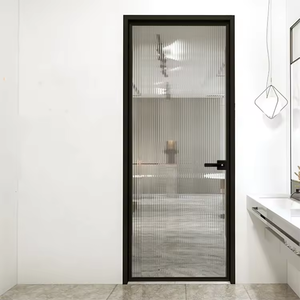
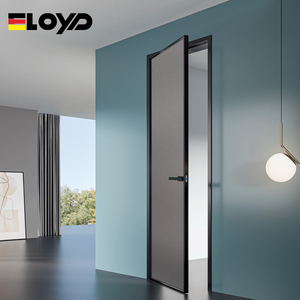
Slim Profile
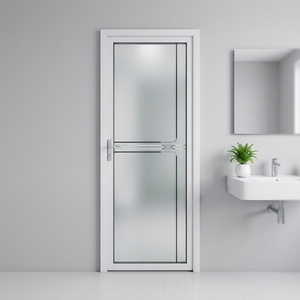
Frosted Glazing
Modern Design Interior Door Aluminum Frame Tempered Glass/Frosted Glass Doors For Kitchen/Bathroom
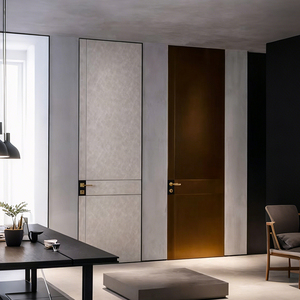
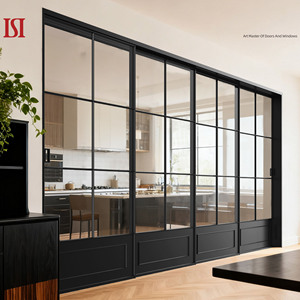
Hydrophobic
Privacy Reeded
Modern Design Aluminum Moisture Proof Privacy Glass House Indoor Bathroom Door
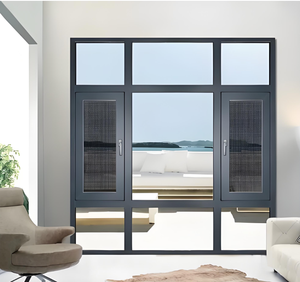
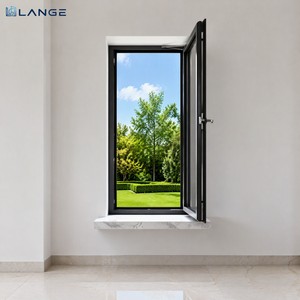
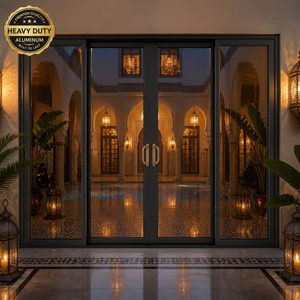
Enterprise Manufacturing Scale
Get a Quote
Engineered Precision From China's Elite Fenestration Cluster
Operating from Foshan, Guangdong—the worldwide epicenter of architectural aluminum fabrication—Guangdong Dejiyoupin Doors and Windows Co., Ltd. (DERCHI) integrates 25+ years of extrusion metallurgy, computerized CNC machining, automated robotic glazing, and rigorous quality management under one roof.
6063-T5/T6 Aviation Aluminum
Full BIM & CAD Shop Drawings
ISO 9001, CE, AS 2047 & UL Audited
Complete Ocean Export Crating

Industry Whitepaper Analysis
Future Procurement Trends in Architectural Internal Doors
B2B commercial real estate developers, contractors, and hospitality architects are pivoting away from legacy timber systems. Here are the core specifications driving procurement contracts for 2026–2030.
Total Dimensional Stability vs. Humid Environments
Traditional hardwood and engineered timber doors present high warranty replacement costs in tropical regions, high-humidity coastal climates, and wet zones (bathrooms/kitchens) due to hygroscopic swelling, delamination, and termite degradation. Extruded 6063-T5 aluminum profiles remain zero-warp and hygroscopically inert, retaining sub-millimeter tolerances permanently.
Minimalist Sightlines & Ultra-Slim Profiles
High-end residential developments and boutique hotels mandate maximum visual transparency and daylight penetration. Architectural interior door procurement is dominated by 16mm–25mm ultra-narrow visible stiles coupled with hidden pivot hinges, recessed wall-flush frames, and floor-to-ceiling single-leaf slabs up to 3.2 meters in height.
Multi-Functional Acoustic & Fire Performance
Commercial interior fit-outs now enforce stringent acoustic isolation criteria (STC 35 to 42 dB) for executive meeting suites, luxury bedrooms, and healthcare centers. Modern aluminum internal doors combine multi-chambered internal damping resins, automated drop-down floor seals, and intumescent perimeter seals compliant with UL and BS EN fire-resistance testing.
Lifecycle Decarbonization & Circular Architecture
Institutional property developers face strict ESG ratings and LEED/BREEAM scoring thresholds. Primary aluminum frames allow for 100% post-use recyclability without property degradation. Fluorocarbon (PVDF) and architectural powder coatings also completely eliminate hazardous volatile organic compound (VOC) emissions typical of chemical lacquers used on timber doors.
Prefabricated Knock-Down (KD) Site Assembly
Rising on-site skilled labor rates worldwide have caused contractors to prioritize factory pre-milled systems. Modern aluminum doors feature fully CNC-machined mortises, factory-fitted magnetic silent latches, concealed door closers, and modular snap-in architraves, reducing total on-site installation time by up to 65% per aperture.
Integrated IoT & Invisible Smart Access Controls
Commercial workspace access and smart living systems require seamless hardware integration. Current architectural door lines incorporate concealed wiring channels inside hollow extruded jambs to support low-voltage 12V/24V power transfer, mortised biometric handle readers, RFID cards, and central BMS-linked electromagnetic locks without unsightly external wire loops.
Procurement Knowledge Base
Frequently Asked Questions on Sourcing Aluminum Doors
Clear, technical, and commercial answers for developers, quantity surveyors, architects, and direct import contractors.
1. How do aluminum internal doors compare to solid core timber and WPC doors in terms of longevity and lifecycle cost?
While solid timber doors suffer from seasonal moisture absorption (leading to warping, sticking, and door sag) and WPC doors lack structural rigidity over 2.4-meter heights, 6063-T5 aluminum doors deliver permanent dimensional stability. Aluminum exhibits tensile yield strength exceeding 160 MPa, completely resists moisture, mold, rot, and subterranean termites, and withstands decades of high-frequency commercial cycling. The lifecycle cost of aluminum internal doors is up to 40% lower over a 15-year operational timeframe due to near-zero maintenance and surface refinishing costs.
2. What surface finishes and color treatments are provided for coastal or high-corrosion installations?
DERCHI provides three premium industrial finishing lines: Architectural Anodizing (Class I, 15 to 25-micron anodic film thickness) for modern satin finishes with superior scratch resistance; AkzoNobel Interpon thermoset architectural powder coating (60 to 80-micron thickness) providing 15-year color retention; and 3-coat Fluorocarbon (PVDF) wet coating complying with AAMA 2605 specifications for severe marine air and salt-spray resistance. Furthermore, patented vacuum 3D heat-transfer technology allows authentic timber-grain texturing with the structural benefits of alloy metal.
3. Can DERCHI engineer doors to meet specific acoustic decibel attenuation ratings (STC / Rw)?
Yes. Standard single-glass interior doors typically provide Sound Transmission Class ratings of 26 to 29 dB. For high-privacy hotel guestrooms, hospital clinical rooms, and corporate boardrooms, DERCHI specifies double-glazed acoustic laminated glass assemblies (e.g., 5mm + 0.76mm acoustic PVB + 5mm) or insulated thermal-break frames filled with high-density polyurethane dampening compounds. Coupled with co-extruded EPDM continuous compression perimeter gaskets and automatic mechanical bottom-drop seals, our systems achieve verified acoustic ratings up to STC 40–42 dB.
4. What is the standard factory lead time, sampling process, and minimum order quantity (MOQ)?
As a direct factory operating over 180,000 square meters, we support both custom luxury bespoke villas and multi-unit commercial developments. Our standard MOQ is flexible (starting from 1 set for prototype review or villa projects, and tiered pricing for 20ft/40ft full container loads). Shop drawing CAD submittals take 48 to 72 hours. Prototype sample production requires 10 to 14 working days, while bulk batch manufacturing takes 25 to 35 calendar days depending on surface finish and glass specifications.
5. How does the factory secure ocean freight shipments against transit scratching and glass breakage?
Every aluminum profile is protected by non-staining surface film and wrapped with protective PE foam. Corners receive high-density shock-absorbing corner protectors. Entire door sets and framed glass units are then vacuum-wrapped and packed in heavy-duty fumigation-free solid plywood crates reinforced with interior steel straps and moisture-absorbing desiccant packs. Crates feature integrated bottom forklift skids to ensure zero manual impact damage during port handling, transshipment, and site unloading.