Precision-Manufactured Aluminum Systems
Factory-direct architectural and controlled-environment systems manufactured in our 180,000 m² Foshan facility, fully compliant with CE, AS 2047, NAFS, and UL certifications.
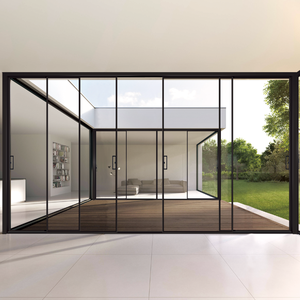
Hihaus Narrow Side Indoor Glass Sliding Doors Usa Certified Aluminum Sliding Door Track
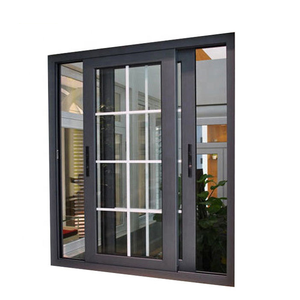
Modern Brown Tinted 3-Track Triple Pane Aluminum Sliding Window Horizontal Heat Insulation for Basements Villas AS2047 NAFS
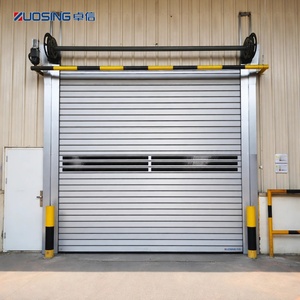
Rigid Rapid Door Aluminum 6063-T5 5m X 5m Infrared Safety 1.5m/s for Logistics Warehouse Main Entrance
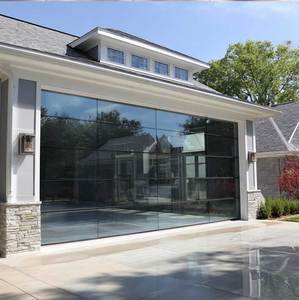
Sunnysky Contemporary Frosted Matte Finish Privacy Protection Translucent Aluminum Glass Panel Garage Door
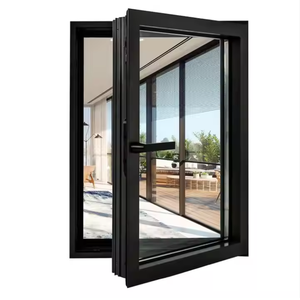
High Quality Modern Aluminum Swing Casement Windows Double/Triple Glazed for Apartment and Villa Kitchen Use
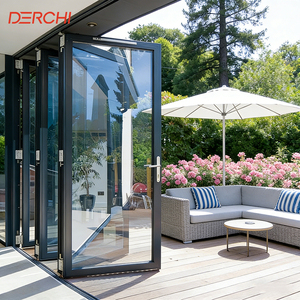
USA Standard Outdoor Aluminum Vertical Stacking Door Double Tempered Glass Insulated Waterproof Patio Balcony Bi-Folding Doors
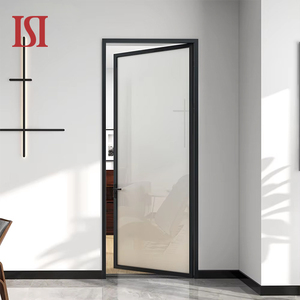
Top Brand Modern Single Swing Door Narrow Double Glazed Waterproof Aluminum Soundproof Bathroom Bedroom Villa Casement Door
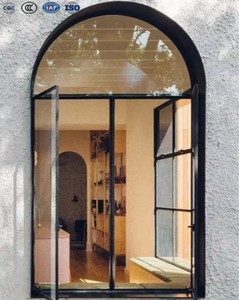
Australian Standard As2047 Double Glazed Sliding Awning Windows Hurricane Proof CE Certified Aluminum Modern Exterior Window
Engineering Decoded: The Crucial Role of Precision Aluminum CR Doors
In modern industrial architectural engineering, the designation "CR Door" denotes two critical functional archetypes: Cleanroom Doors engineered for micro-particulate contamination containment (ISO 14644-1), and Corrosion-Resistant Doors engineered to withstand chemical decontaminants, high coastal salinity, and aggressive industrial environments. Specifying doors for pharmaceutical processing facilities, semiconductor cleanrooms, high-end commercial properties, and climate-exposed coastal villas demands materials that resist structural deflection, galvanic corrosion, and microbial adherence.
As a Tier-1 manufacturer based in the Nanhai District of Foshan—the epicenter of global precision aluminum extrusion—Guangdong Dejiyoupin Doors and Windows Co., Ltd. (DERCHI) engineers doors utilizing high-purity virgin 6063-T5/T6 architectural aluminum alloy. Unlike traditional wooden doors that expand, warp, and host microbial colonies in humid environments, or cold-rolled sheet steel doors that oxidize along weld seams, structural aluminum profiles provide dimensional stability, high strength-to-weight ratios, and lifetime chemical neutrality.
Structural Composition: Why 6063-T6 Extrusions Outperform Steel and Composite Solutions
A precision-engineered aluminum CR door must satisfy stringent structural criteria: zero cavity sagging, resistance to positive/negative air pressures of up to 1,200 Pa, and total flush integration with surrounding sandwich wall panels or drywalls. Standard commercial entry doors fail prematurely in pressurized or sanitization-heavy environments due to three engineering flaws: non-anodized internal chambers, inadequate thermal barrier isolation, and degradation of natural rubber gasketing.
DERCHI addresses these failure points via continuous, multi-cavity architectural profile designs featuring wall thicknesses ranging from 2.0mm to 3.0mm. Profiles undergo solution heat treatment and artificial aging to achieve the T6 temper state, delivering a minimum tensile strength of 205 MPa and yield strength of 180 MPa. These mechanical properties are combined with seamless mitred and crimped corner joints fortified with cast-aluminum internal corner cleats and injected with two-part polyurethane structural adhesive (epoxy potting). This creates an impenetrable barrier against wind-driven moisture and differential room pressures.
| Engineering Attribute | Standard Commercial Doors | Conventional Cleanroom Doors | DERCHI High-Spec Aluminum CR Doors |
|---|---|---|---|
| Alloy Composition | Recycled 6063-T4 / Secondary Billet | Standard 6063-T5 Extrusion | Primary Billet 6063-T6 Architectural Grade |
| Airtightness Rating | EN 1026 Class 2 / Not Rated | EN 1026 Class 3 (≤ 1.5 m³/h·m²) | EN 1026 Class 4 (≤ 0.5 m³/h·m² @ 100 Pa) |
| Surface Protection | Standard Powder Coating (40μm) | Single-pass Anodized (12μm) | PVDF Fluorocarbon (3-Coat ≥ 45μm) or AA25 Anodized |
| Internal Core Infill | Honeycomb Paper / Expanded EPS | Rockwool Slab / PU Foam | High-Density Aluminum Honeycomb + Rigid PIR Fire Core |
| Chemical Tolerance | Blisters with Bleach/Alcohol wash | Mild Resistance to Isopropanol | VHP (Vaporized H₂O₂), Sporicides, Coastal Salt Fog |
| Certification Matrix | Local Factory In-house Tests | ISO 9001, basic CE | CE, ISO 9001, AS 2047 N6, NAFS, UL Fire Rated |
Hermetic Sealing Mechanics and Flush Geometry
Cleanroom environments and high-velocity exterior building envelopes depend on air leakage mitigation. DERCHI doors incorporate dual-perimeter, continuous co-extruded EPDM / Silicone hollow rubber gaskets fitted into dedicated profile channels without tension. Under negative or positive pressure cycles, the gasket geometry compresses evenly against the frame stop. For pharmaceutical and biomedical cleanrooms, our doors feature automatic drop-down mechanical bottom seals with dual neoprene lips that articulate upon contact with the threshold plate, sealing floor gaps without creating friction or particulate shedding during door leaf rotation.
Simultaneously, flush-glazing technology eliminates step ledges between the aluminum frame and the safety glass panels. By flush-bonding double-tempered or laminated insulated glass units (IGUs) with structural silicones, particulate retention ledges are entirely designed out. This guarantees that wash-down routines, clean-in-place procedures, and chemical wipe-downs remain continuous, compliant, and labor-efficient.
Future Procurement Trends for Aluminum CR Doors (2025–2030)
Navigating tectonic shifts in global building regulations, carbon border adjustments, smart building automation, and supply chain rationalization.
1. Modular Off-Site Pre-Assembly
Global labor shortages and tight site timelines are driving demand for unitized, fully pre-hung door cassettes. General contractors increasingly reject bare knocked-down (KD) doors in favor of factory-calibrated assemblies complete with integrated hardware, panic exit devices, and magnetic interlocks that slip into place within minutes.
2. Decarbonization & Low-Carbon Billets
With the phased implementation of the EU Carbon Border Adjustment Mechanism (CBAM) and green building rating systems (LEED v4.1, BREEAM), procurement managers must demand certified low-carbon aluminum extruded using renewable hydroelectric power, accompanied by verified Environmental Product Declarations (EPDs).
3. Integrated IoT & Airflow Interlocks
The convergence of physical security and HVAC building management systems has transformed doors into active cyber-physical components. Modern aluminum CR doors feature concealed electromagnetic locks, non-contact radar wave activators, and multi-leaf PLC interlock logic controllers that prevent simultaneous opening between airlock zones.
4. Extreme Climate Wind-Load Resilience
Rising storm intensities have rendered baseline commercial doors obsolete in coastal zones. Importers across North America, the Caribbean, and coastal Asia-Pacific now mandate compliance with ASTM E330, AS 2047 N6, and Miami-Dade TAS 201/202/203 missile impact and cyclonic wind pressure protocols, demanding structural reinforced stiles.
5. Antimicrobial Fluoropolymer Finishes
Post-pandemic biosecurity protocols demand surfaces that actively inhibit microbial proliferation without degrading under ultraviolet radiation or corrosive chemical washdowns. Specifiers are shifting to specialized fluoropolymer coatings enriched with silver-ion or copper-zeolite antimicrobial matrices rated for over 10,000 washdown cycles.
6. Direct Factory CAD/BIM Integration
Procurement teams are cutting middleman markups by partnering directly with technologically capable factories. Sourcing platforms now mandate direct ingestion of Revit BIM families, 3D IFC parameters, and parametric CAD shop drawings directly to CNC 5-axis profile machining centers, ensuring zero fabrication error.
Enterprise Manufacturing Infrastructure: The DERCHI Advantage
25+ years of fenestration excellence backed by an integrated 180,000 m² production base, 600+ skilled personnel, and Tier-1 testing laboratories in Foshan, China.
180,000m² Production Base
Houses over 12 high-capacity automated extrusion lines, automated vertical powder coating plants, CNC 5-axis profile machining centers, and dedicated cleanroom door assembly bays in Foshan's Shishan industrial park.
Certified Global Standards
Fully certified under ISO 9001, CE EN 14351-1, Australian Standard AS 2047 (N6 cyclonic rating), North American NAFS/AAMA, and UL 10C positive pressure fire testing, backed by over 100 patents.
Micron-Level Tolerance
German CNC milling centers calibrate pivot axle centerlines, hinge mortises, lock strike cutouts, and flush glass pocket channels to within ±0.15mm tolerances, ensuring frictionless multi-point closing.
Global Port Direct Export
Factory-direct FOB/CIF container shipping to major commercial hubs worldwide (Nhava Sheva, Mundra, Karachi, Colombo, Singapore, Jebel Ali, Los Angeles, Melbourne) with reinforced ISPM 15 timber crating.
Frequently Asked Questions for B2B Importers & Specifiers
Authoritative, real-world answers covering structural certification, chemical resistance, acoustic dampening, custom fabrication, and export logistics.