Engineered Access & Fenestration Portals
Tested for air-tightness, wind pressure, water penetration, and thermal acoustic isolation across Tier-1 Indian infrastructure, luxury estates, and commercial towers.
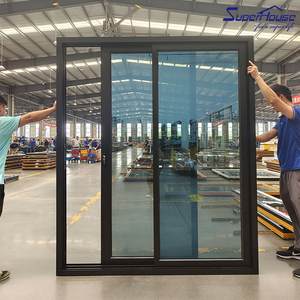
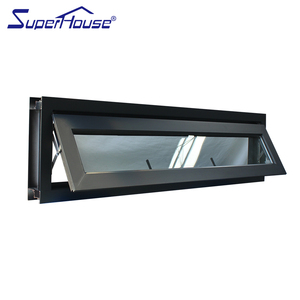
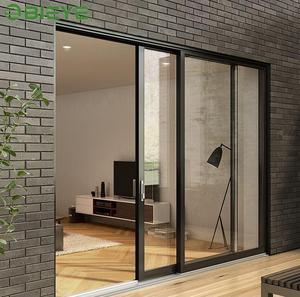
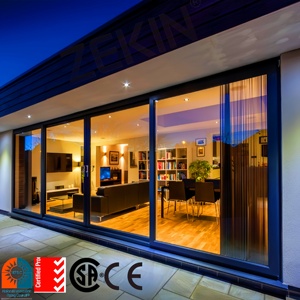
Material Science & Structural Engineering: Aluminum Access Doors in the Indian Context
In modern commercial architecture and high-density residential developments across India, access doors and inspection hatches are no longer treated as peripheral utility covers. With the rapid expansion of Grade-A commercial developments in Mumbai's Bandra-Kurla Complex (BKC), high-rise IT parks along Bengaluru's Outer Ring Road, and expansive mixed-use townships in Gurugram, the demand for precision architectural access doors has surged. Traditionally, developers relied on crude galvanized sheet steel (GI) or field-fabricated wooden hatches for access to mechanical, electrical, and plumbing (MEP) risers, fire dampers, and air handling units (AHUs). However, the severe limitations of GI and wood—namely bi-metallic corrosion, warping in high humidity, acoustic degradation, and insect vulnerability—have compelled leading engineering, procurement, and construction (EPC) contractors to shift decisively toward architectural-grade extruded aluminum access door assemblies.
DERCHI, operated by Guangdong Dejiyoupin Doors and Windows Co., Ltd., engineers structural aluminum access systems utilizing primary-grade 6063-T5 and 6063-T6 aluminum alloys. Unlike recycled scrap alloys commonly found in unregulated fabrication units, our profiles undergo controlled solution heat-treatment and artificial aging. This yields an ultimate tensile strength exceeding 205 MPa and yield strength surpassing 170 MPa, ensuring zero defection or frame skewing even across oversized access spans (e.g., 1200mm × 2400mm MEP maintenance shafts). For coastal metropolitan projects spanning Chennai, Kochi, Mumbai, and Vizag, every frame receives a marine-grade anodic oxide coating (minimum 15-25 μm) or electrostatically applied Qualicoat Class-2 fluorocarbon (PVDF) surface treatments. These coatings endure over 3,000 hours of continuous salt spray testing under ASTM B117 without blistering, micro-cracking, or chalking, insulating the project against the hyper-saline humidity characteristic of the Arabian Sea and Bay of Bengal coastlines.
- Structural Rigidity: Minimum wall thickness of 1.8mm to 2.5mm extruded profile geometry with internal reinforcing web channels to resist operational sagging.
- Perimeter Air & Smoke Sealing: Integrated extruded bulb continuous EPDM or silicone co-extruded gaskets preventing HVAC thermal leakage and air loss.
- Concealed Mechanical Latches: High-cycle push-touch spring latches or flush cam cylinder keyed-alike locks flush-fitted to prevent architectural visual clutter.
- Fire Separation Integrity: Assemblies compatible with NBC 2016 Part 4 Life Safety requirements, incorporating ceramic fiber insulation or calcium silicate core backing.
The thermal dynamics of the Indian subcontinent also demand rigorous acoustic and thermal isolation. In air-conditioned commercial spaces where internal ducting operates at 16°C while interstitial ceiling voids reach 38°C to 44°C during North Indian summers, uninsulated access doors serve as severe thermal bridges. This leads to condensation staining on surrounding drywall surfaces, localized fungal growth, and substantial chiller plant energy waste. DERCHI access door assemblies mitigate this through dual-leaf sandwich construction featuring injected closed-cell polyurethane (PUF) insulation (density 42-45 kg/m³) or high-density rockwool cores. This construction reduces overall U-values down to 1.6 W/(m²·K) while providing an acoustic transmission loss rating of STC 34 to STC 42, which is critical for meeting green building metrics under IGBC (Indian Green Building Council) and GRIHA rating systems.
Advanced Features Built for Demanding Projects
Delivering uncompromised mechanical reliability, flush aesthetics, and long-term durability across South Asian project sites.
Termite & Rot Immunity
Unlike conventional timber access doors that decay and invite white ant (termite) infestation in humid regions like Kerala and West Bengal, high-purity aluminum alloys completely eliminate biological decay and structural swelling.
HVAC Energy Retention
Airtight compression sealing around the perimeter prevents conditioned air leakage into ceiling voids and plumbing shafts, lowering central air-conditioning cooling loads in extreme temperatures up to 48°C in Delhi NCR and Rajasthan.
Precision Flush Integration
Engineered with concealed extruded flange frames and drywall bead profiles, DERCHI access panels finish seamlessly flush with gypsum board, calcium silicate boards, aerated concrete, or tiled surfaces without visible trim.
Bespoke BIM & CAD Tailoring
From non-standard MEP shaft openings to specialized Vastu-compliant proportions, our Foshan manufacturing facility provides bespoke parametric CAD shop drawings within 24 hours to accelerate project engineering approvals.
Global Certifications
Products are stringently manufactured in accordance with ISO 9001 quality management protocols, backed by CE conformity, AS 2047 structural durability test certifications, and international UL fire-rating testing credentials.
Direct Indian Port Freight
Direct export logistics operating on FOB or CIF terms directly into Jawaharlal Nehru Port Trust (JNPT / Nhava Sheva), Mundra Port, Chennai Port, and Kolkata, backed by robust ocean-safe plywood pallet crating.
Tailored Access Solutions for Indian Project Typologies
Precision-engineered installations solving specific climatic, mechanical, and architectural challenges across India's micro-regions.
1. Commercial High-Rise Towers & IT Campuses
Locations: Mumbai (BKC, Lower Parel), Bengaluru (Electronic City, Whitefield), Gurugram (Cyber City), Hyderabad (HITEC City).
In vertical commercial developments, continuous MEP and low-voltage (LV) electrical riser shafts span 30 to 60 floors. In the event of building maintenance, technicians require continuous, safe access without disrupting tenant office acoustics. DERCHI heavy-duty aluminum access panels incorporate continuous piano hinges, multi-point internal cam latches, and high-density acoustic backing that attenuates elevator trunk and pipe vibration noise up to 38 dB, maintaining silent commercial workspaces.
2. Coastal Hospitality & High-End Farmhouses
Locations: Goa, Alibaug, Kochi, Chennai (ECR), Puri.
Resort properties and sea-facing luxury villas contend with extreme airborne salt concentrations and heavy southwestern monsoon downpours exceeding 2,500mm annually. Ordinary steel access doors rust within months, creating permanent rust weep stains across plastered walls. DERCHI marine-grade anodized and PVDF-coated aluminum flush doors provide 100% rust-proof performance, seamless interior integration with luxury wall coverings, and watertight perimeter seals for external service niches.
3. Cleanrooms, Pharmaceuticals & Data Centers
Locations: Hyderabad (Genome Valley), Pune, Ahmedabad, Baddi.
Cleanroom environments and data centers require strict positive-pressure retention, zero particulate shedding, and washdown capability with chemical disinfectants. Our flush aluminum ceiling and wall access doors feature seamless perimeter weldments, antimicrobial fluorocarbon coatings, and airtight closed-cell neoprene gaskets that pass airtightness leakage class 4 under EN 12207 standards, eliminating micro-contaminant intrusion into sensitive clean zones.
4. Healthcare & Multi-Specialty Hospitals
Locations: New Delhi, Mumbai, Chennai, Kolkata, Ahmedabad.
Hospitals present intricate web networks of medical gas pipelines (O2, vacuum, nitrous oxide), radiant cooling lines, and HEPA filter units within false ceilings. DERCHI quick-release touch-latch aluminum ceiling access portals allow non-disruptive, tool-free access for facilities teams during emergencies, with completely flush profiles that prevent dust accumulation in sterile corridors.
Evolving Trends in the Indian Architectural & Fenestration Landscape
The Indian real estate and construction sectors are undergoing an unprecedented transformation driven by infrastructure modernization, stricter fire codes under the updated National Building Code of India (NBC 2016 Part 4), and a decisive architectural pivot toward minimalist, clean-line interior environments. Historically, access portals were treated as secondary considerations by general civil contractors, often fabricated on-site with scrap plywood or mild steel angles. Today, leading developers and global master architects mandate prefabricated, factory-engineered access systems for several key reasons:
1. Shift Toward Drywall & Modular Construction: Conventional brick masonry and wet-cement plastering are rapidly being replaced by light-gauge steel framing (LGSF), gypsum board, and cement-fiber drywalls across commercial complexes and high-end residences. Drywall systems demand precision-dimensioned access door assemblies with feathered-edge perforated aluminum flanges that can be skim-plastered directly into the wall board, achieving a completely trimless, invisible flush aesthetic.
2. Fire Safety Regulations & NBC 2016 Compliance: With high-rise fires drawing severe scrutiny from municipal fire authorities in cities like Mumbai, Delhi, and Bengaluru, electrical shafts and duct penetrations are recognized as prime vectors for vertical flame and toxic smoke spread. The demand for insulated metal access doors equipped with certified intumescent gaskets—which expand up to 25 times their volume under elevated temperatures to seal perimeter air gaps—has become standard for project sign-offs and local Fire NOC (No Objection Certificate) issuances.
3. Integration with Vastu Shastra Architectural Protocols: In Indian residential design, structural openings, orientation of doors, and access portals to vital building utilities (water reservoirs, power meters, generator tie-ins) frequently require compliance with Vastu Shastra principles. DERCHI supports bespoke custom-dimension engineering, left/right swing modularity, and concealed placement configurations that respect spatial harmony and energetic orientations without requiring costly on-site structural modifications.
4. Total Life-Cycle Cost Valuation: Project quantity surveyors and asset management teams are increasingly calculating life-cycle costs rather than merely initial purchase prices. While mild steel or timber doors initially appear economical, repetitive repainting, rust remediation, hinge seizure from humidity, and early replacement cause significant lifecycle cost overruns. In contrast, precision-machined aluminum access door frames remain dimensionally stable and aesthetically pristine for decades, lowering long-term facility operational expenditures (OPEX).
Frequently Asked Questions by Indian Importers, Builders & Architects
Detailed technical, logistics, and commercial answers addressing direct factory procurement from China to India.
What are the key benefits of sourcing aluminum access doors directly from your factory to India? +
How do DERCHI aluminum access doors withstand Indian monsoon humidity and coastal salinity? +
Can you customize access doors to non-standard opening dimensions and Vastu orientation guidelines? +
What shipping terms and Indian ports do you regularly deliver to? +
How do your doors integrate with dry construction methods and gypsum ceiling boards? +
What certifications and fire resistance ratings are available for commercial approvals? +
What is the typical production and delivery lead time for an Indian project order? +
Connect with DERCHI Architectural Project Engineering
Direct factory supply, custom CAD/BIM detailing, and transparent CIF quotes for contractors, developers, and commercial procurement heads across India. Tap below to speak directly with our international technical team.