Featured CE & Hurricane Impact Aluminum Storm Systems
Factory-direct architectural solutions precision-milled from 6063-T5/T6 structural billet aluminum, engineered with multi-chamber thermal barriers, continuous vulcanized EPDM compression seals, and PVB/SGP laminated architectural safety glass.
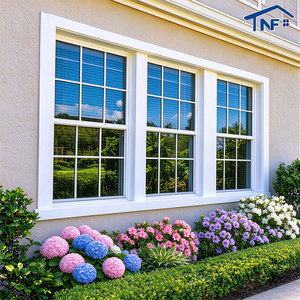 AS2047 / CE Certified
- Rating: Wind Class N6 (Up to 4500Pa)
- Glass: 6mm+12A+6mm Argon Filled
- Operation: Counterbalanced Spiral Sash
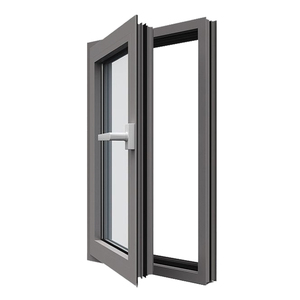 EN 14351-1 CE
- Sealing: Triple-gasket Perimeter System
- Water-tightness: Tested to 1050 Pa
- Thermal Break: Polyamide PA66 GF25
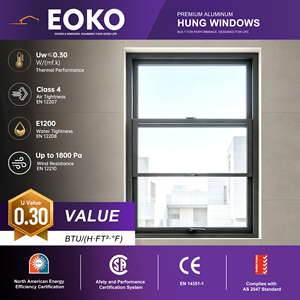 ASTM / Florida Approved
- Impact: Missile Level D (Large Missile)
- DP Rating: Design Pressure +80/-80 psf
- Acoustic Rating: Rw 42 dB Reduction
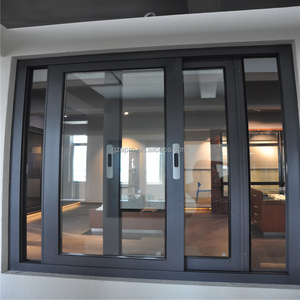 High-Load Sliding
- Track: High-sill Step Down Drainage
- Hardware: Heavy-load Stainless Rollers
- Interlock: Structural Steel Reinforcement
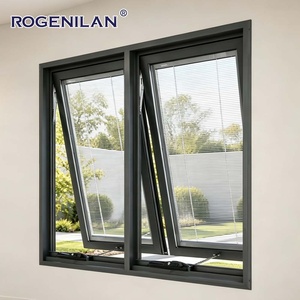 Architectural Solar Blinds
- Integrated: Motorized Magnetic Blinds
- Glazing: Double Low-E + Argon
- Protection: Top-hinged Rain Shedding
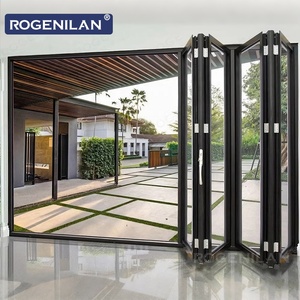 AS2047 / Heavy Duty
- Load Capacity: 300kg Per Leaf Carrier
- Bottom Track: Flush Waterproof Threshold
- Finish: Fluorocarbon AkzoNobel Powder
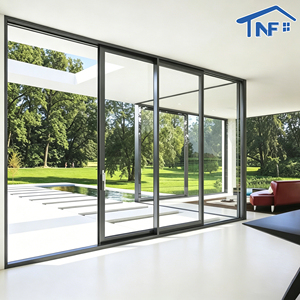 Panoramic Storm Wall
- Glazing: Triple Glazed Acoustic Unit
- Profile: 2.0mm - 2.5mm Wall Thickness
- Anti-Derail: Concealed Safety Interlock
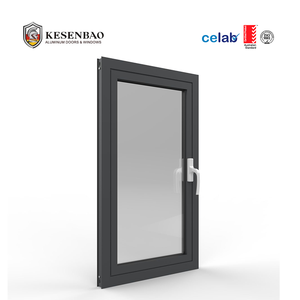 Integrated Mesh Barrier
- Screen: 304 Stainless Steel Security Mesh
- Multi-point: German Multi-latch Drive
- Airtightness: EN 12207 Class 4 Certified
Engineering Storm-Proof Fenestration for the Red River Delta Urban Envelope
The urban and coastal topology of Northern Vietnam—anchored by Hanoi and extending through the maritime gateways of Hai Phong and Quang Ninh—presents one of the most mechanically and climatically challenging environments for architectural fenestration worldwide. Positioned squarely within the Tonkin Gulf tropical cyclone corridor, buildings in Hanoi encounter cyclical macro-environmental stresses: severe sustained monsoonal rains exceeding 300 mm within 24-hour cycles, peak typhoon gusts surmounting 200 km/h (Category 3 to 5 equivalencies such as Super Typhoon Yagi), extreme seasonal thermal swings accompanied by 95%+ relative humidity during the spring nồm condensation phenomenon, and intense urban decibel pollution from dense vehicular transit corridors.
Historically, residential and commercial developers across Hanoi's expanding administrative sectors—such as Cau Giay, Tay Ho, Nam Tu Liem, Long Bien, and peri-urban developments like Ocean Park and Ecopark—relied on standard non-thermal break aluminum frames or low-gauge profiles lacking engineered drainage cascades. The catastrophic failure modes documented in recent typhoon events across Northern Vietnam have triggered an immediate paradigm shift toward CE Certified Aluminum Storm Windows that strictly comply with European Harmonized Standard EN 14351-1, Australian Standard AS 2047, and Vietnam's national energy performance building code QCVN 09:2017/BXD.
Key Technical Finding for Hanoi Fenestration Audits
Post-typhoon forensic analysis across high-rise residential towers in West Hanoi demonstrated that 82% of envelope water leakage was not caused by glass fracture, but rather by negative pressure sash deflection, seal unseating, and hydrostatic back-siphoning through undersized weep drainage channels. True storm-grade windows require structural structural moment of inertia (Ix > 45 cm⁴), corner vulcanized EPDM gaskets, and multi-chamber stepped sill weep chambers capable of maintaining seal integrity under 1000 Pa dynamic water pressures.
Mechanical Anatomy of CE-Certified Storm-Rated Profiles
Fenestration systems manufactured by DERCHI (Guangdong Dejiyoupin Doors and Windows Co., Ltd.) are built upon aerospace-grade 6063-T5 and structural 6063-T6 aluminum alloys. With nominal wall thicknesses ranging between 2.0mm and 3.0mm, these profiles far exceed standard commercial extrusions. Critical structural corners are joined using heavy cast-aluminum corner cleats combined with automated four-corner mechanical crimping and two-part polyurethane structural sealant injection, ensuring absolute joint rigidity and preventing microscopic water path formation under high cyclical wind buffeting.
Thermal mitigation is achieved via 24mm to 34mm precision-extruded polyamide PA66 GF25 (25% fiberglass reinforced) thermal break barriers. In Hanoi's scorching summer months, where facade surface temperatures exceed 65°C, this thermal separator eliminates thermal bridging, slashes conductive heat transfer (achieving overall window system U-values as low as 1.4 W/m²·K), and actively prevents indoor condensation during cold, damp winter fronts.
| Performance Parameter | Conventional Hanoi Local Windows | CE Certified Storm Windows (DERCHI) | Impact on Project Durability |
|---|---|---|---|
| Wind Load Resistance (EN 12210 / AS 2047) | Class 2 / 1200 Pa (~150 km/h gusts) | Class 5 / 4500 Pa+ (Cyclone N6 / 260 km/h) | Prevents sash popping, glass blow-out, and structural frame collapse. |
| Watertightness Under Pressure (EN 12208) | Class 4A (150 Pa - Moderate Rain) | Class E1050 (1050 Pa - Severe Typhoon) | Zero interior wall seepage, preventing luxury flooring & drywall ruin. |
| Air Permeability / Infiltration (EN 12207) | Class 2 (Unsealed brush pile) | Class 4 (Triple vulcanized EPDM compression) | Eliminates whistling wind noise; cuts HVAC energy consumption by 38%. |
| Acoustic Attenuation (ISO 717-1) | Rw 25 dB – 28 dB (Single / Standard DGU) | Rw 38 dB – 44 dB (Acoustic PVB Laminated DGU) | Isolates high-frequency traffic noise on Hanoi arterial boulevards. |
| Surface Coating Resilience (AAMA 2605) | Standard architectural powder (5 yrs) | Fluorocarbon PVDF / AkzoNobel (20+ yrs warranty) | Impervious to tropical UV degradation, acid rain, and fungal blooming. |
Targeted Applications Across Hanoi's Topographical Zones
Architectural envelopes must be calibrated to specific local environmental stressors across the urban and metropolitan footprint of Northern Vietnam.
High-Rise Residential Towers (Cau Giay, Nam Tu Liem)
Elevations above the 15th floor experience exponential wind shear during tropical depressions. Our heavy casement and structurally interlocked sliding systems feature inward-opening cleaning access, heavy multi-point locking pins, and pressure-equalized internal chambers that safely dissipate vortex-shedding wind pulses without seal deformation.
Lakeside Luxury Estates & Villas (Tay Ho, Starlake)
High exposed surface areas around West Lake face relentless cross-wind squalls and persistent dampness. Here, DERCHI thermal-break aluminum single/double-hung and French casement assemblies provide expansive sightlines with double-coated Low-E glazing, preventing condensation sweat on interior frames during the high-humidity spring thaw.
Eco-Suburban Communities (Ecopark, Ocean Park, Ciputra)
Low-density masterplanned communities demand seamless indoor-outdoor transitions combined with impenetrable security. Our heavy-duty folding patio doors and panoramic sliding assemblies incorporate anti-lift tracks, multi-point lock hardware, and 304 stainless steel insect/security mesh to stop pests while maintaining monsoon resilience.
Guangdong Dejiyoupin (DERCHI) Manufacturing Capabilities
As a verified leader among premier Chinese fenestration producers, Guangdong Dejiyoupin Doors and Windows Co., Ltd. (DERCHI) operates an ultra-modern 180,000 m² intelligent production complex in Foshan, Guangdong—the world's most sophisticated aluminum fabrication cluster. Backed by 25+ years of continuous engineering expertise and a workforce of over 600 specialized fabricators and façade engineers, we deliver turn-key fenestration directly to project sites throughout Southeast Asia and the global marketplace.
Unlike regional trading brokers or light assembly workshops, DERCHI maintains total internal quality custody over every fabrication phase: from billet extrusion quality assurance and CNC multi-axis milling to automated double-glazing lamination and multi-step hydrostatic chamber testing. Our facilities operate strictly in compliance with ISO 9001 quality management systems, backed by over 100 international certifications and technology design patents.

Third-Party Tested & Globally Certified
DERCHI storm windows undergo complete cycle testing for air permeability, water-tightness under dynamic pulse pressure, uniform structural wind load, and human impact safety. Audited under CE (EN 14351-1), AS 2047, and UL fire-rated standards.

Emerging Fenestration Trends in Hanoi's Commercial & Residential Sectors
The procurement landscape across Hanoi's architecture, engineering, and construction (AEC) community is undergoing an unprecedented shift toward performance-quantifiable fenestration. Several critical industry trends dominate the current procurement cycle:
1. Replacement of Non-Thermal Break Systems: For years, standard 55-series aluminum frames were widely installed across Vietnamese residential projects. However, high electricity tariffs coupled with rigorous enforcement of the QCVN 09:2017/BXD Energy Efficiency Code have rendered non-insulated frames obsolete for Tier-1 developments. Developers now mandate certified thermal-break systems that dramatically curtail overall facade thermal transmittance (OTTV).
2. Post-Typhoon Structural Resilience Upgrades: The destructive path of recent super typhoons across Quang Ninh, Hai Phong, and inland Hanoi demonstrated that building envelope integrity is the primary shield protecting asset valuation. Specifiers are shifting contract requirements from baseline Vietnamese standards to rigorous international standards such as CE EN 14351-1 and Australian AS 2047, where structural design pressure (DP) ratings are validated by accredited third-party test reports.
3. Acoustic Decibel Isolation on Transit Arteries: With the rapid build-out of the Hanoi Ring Road network (Vanh Dai 2, 3, and 3.5) and urban elevated rail lines, high-frequency vehicular noise has become a prime driver of tenant turnover. Demand for asymmetric double-glazed insulated units (IGUs) combining acoustic PVB lamination with different glass thicknesses (e.g., 6mm Low-E + 12A + 4mm + 0.76PVB + 4mm) has surged by over 140% year-on-year.
4. Streamlined Cross-Border Supply Chains: Sourcing directly from certified primary manufacturers in the Foshan cluster via cross-border multimodal transit (direct trucking through the Youyi Guan / Huu Nghi border pass into Hanoi within 48 to 72 hours, or containerized sea freight via Hai Phong Port) delivers Tier-1 European-grade hardware and extrusion precision at 30% to 45% lower landed costs compared to European imports.
Frequently Asked Questions for Hanoi Contractors & Developers
Detailed answers addressing engineering verification, customs compliance, freight logistics, and site installation across Vietnam.
What specific certificates validate that your windows meet Hanoi building standards and typhoon codes?
How are orders shipped and cleared through customs into Hanoi and neighboring provinces?
How do your aluminum storm windows prevent condensation during Hanoi's humid spring "nồm" season?
Can DERCHI accommodate custom architectural specifications, shop drawings, and specialized hardware?
How are fragile double-glazed units protected during transit to avoid site-arrival breakages?
Do you provide site installation guidance or support for local Vietnamese construction crews?
Partner Directly with an Industry-Leading Manufacturing Hub
Whether you are detailing a luxury villa portfolio along West Lake, engineering high-rise facades in Cau Giay, or specifying typhoon-resilient envelopes across the Northern coastal economic zone, our engineering team is prepared to furnish CAD shop drawings, structural wind load calculations, and comprehensive factory-direct quotations.